15/09/2015 03/05/2018
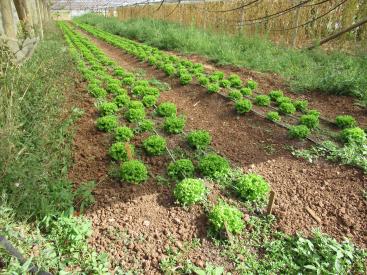
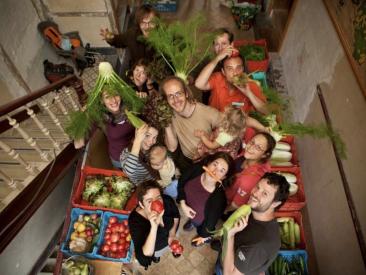
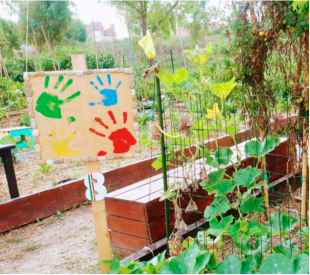
Rethinking Agri-food production in small and medium-sized European cities is the aim of this Action Planning network. Agri-food production is a mature industry that continues to play an important role in terms of GDP, employment and environmental sustainability. That is why new growth potentials must be activated by means of innovation, new business models and strategies. Our vision is to place cities at the core of a growing global movement that recognises the current complexity of food systems and the links between rural cities and nearby cities as a way to ensure regional development.
Summary
Partners
Lead Partner : Baena - Spain- Cesena - Italy
- Fundão - Portugal
- Jelgava - Latvia
- LAG Pays des Condruses - Belgium
- Mollet del Vallès - Spain
- Monmouthshire County Council - United Kingdom
- Mouans-Sartoux - France
- Petrinja - Croatia
- Pyli - Greece
- Södertälje - Sweden
Timeline
- Kick-off meeting in June (Mollet des Valles).
- Transnational meetings in October (LAG Payd de Condruses) and December (Pyli).
- Transnational meetings in April (Sodertalye), June (Fundao), July (Jelgava) and September (Abergavenny).
- Transnational meetings in March (Mouans Sartoux) and April (Petrinja). Final event in April (Baena).
Network Outputs
Watch all AGRI URBAN's videos!
Download all Final Products
-
AGRI URBAN Final Report(PDF, 4Mo)
-
AGRI URBAN Case Studies(PDF, 11Mo)
-
Roots of the City(PDF, 31Mo)
Integrated Action Plans
-
AGRI-URBAN Mollet del Valles (ES) IAP(PDF, 3Mo)
-
AGRI-URBAN Mouans-Sartoux (FR) IAP(PDF, 21Mo)
-
AGRI-URBAN Cesena (IT) IAP(PDF, 4Mo)
-
AGRI-URBAN Pyli (EL) IAP(PDF, 6Mo)
-
AGRI-URBAN Petrinja (HR) IAP(PDF, 6Mo)
-
AGRI-URBAN Jelgava (LV) IAP(PDF, 5Mo)
-
AGRI-URBAN Sodertalje (SE) IAP(PDF, 3Mo)
-
AGRI-URBAN Pays de Condruses (BE) IAP(PDF, 56Mo)
-
AGRI-URBAN Monmouthshire (UK) IAP(PDF, 5Mo)
-
AGRI-URBAN Fundao (PT) IAP(PDF, 53Mo)
-
AGRI-URBAN Baena (ES) IAP(PDF, 1Mo)
Stories
-
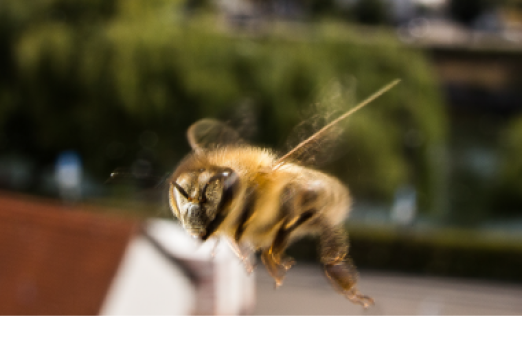
The Bee-friendly city movement is about spreading knowledge on urban beekeeping
BeePathNet Reloaded is about spreading knowledge on urban beekeeping to additional four EU cities that have proven its environmentally friendly
-
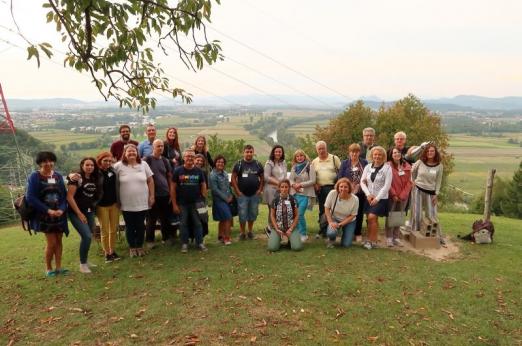
BeePathNet Reloaded Boot Camp
The BeePathNet Reloaded Boot Camp was a five-day intensive training opportunity. The BeePathNet Reloaded partners Ljubljana (lead partner), Bansko
-
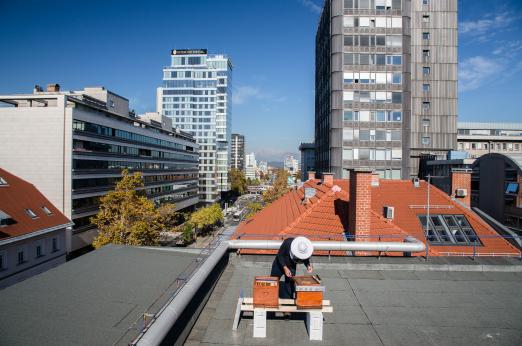
Upgrading environmentally friendly orientation of four EU cities with urban beekeeping principles
BeePathNet Reloaded is about spreading knowledge on urban beekeeping to additional four EU cities that have proven its environmentally friendly