14/06/2021 31/12/2022
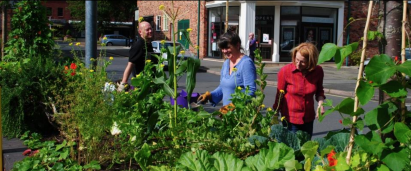
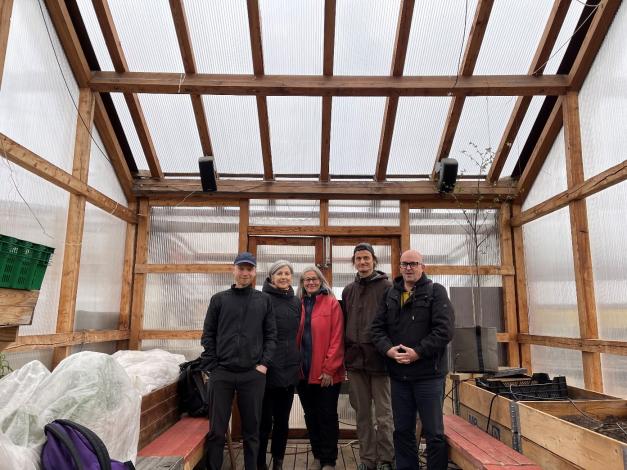
RU:RBAN's Good Practice is the Management model of Urban gardens in Rome to be transferred to newcomer cities that are geographically, historically and socio-culturally distant from each other, to ensure sharing of experiences to enhance the capacities of local governance. Transfer efforts will be ensured on the 3 well known and successful components the GP is divided into: 1. Capacity building, 2. Inspiring and training people to manage urban gardens (Gardenisers), 3. Governance & Regulations
Summary
- Alexandroupolis - Greece
- Algeciras - Spain
- Carlow - Ireland
- Split - Croatia
Timeline
- Kick off meeting 17/09
- Algeciras Transnational Meeting 15/12
- Transnational Meetings in Alexandroupolis 30/06, Carlow 24/05 and Split 28/09
- RU:RBAN 2nd Wave Final Event in Rome 11/09
Network Outputs
-
RU:RBAN Second Wave Final Product(PDF, 13Mo)
Quarterly reports
-
RU:RBAN Second Wave quarterly report 6(PDF, 3Mo)
-
RU:RBAN Second Wave quarterly report 5(PDF, 3Mo)
-
RU:RBAN Second Wave quarterly report 4(PDF, 4Mo)
-
RU:RBAN Second Wave quarterly report 3(PDF, 3Mo)
-
RU:RBAN Second Wave quarterly report 2(PDF, 4Mo)
-
RU:RBAN Second Wave quarterly report 1(PDF, 5Mo)
Useful Links
Stories
-
The Bee-friendly city movement is about spreading knowledge on urban beekeeping
BeePathNet Reloaded is about spreading knowledge on urban beekeeping to additional four EU cities that have proven its environmentally friendly
-
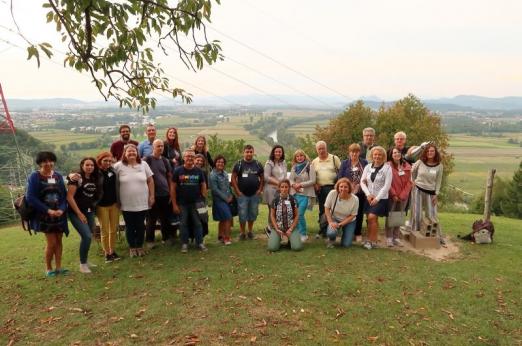
BeePathNet Reloaded Boot Camp
The BeePathNet Reloaded Boot Camp was a five-day intensive training opportunity. The BeePathNet Reloaded partners Ljubljana (lead partner), Bansko
-
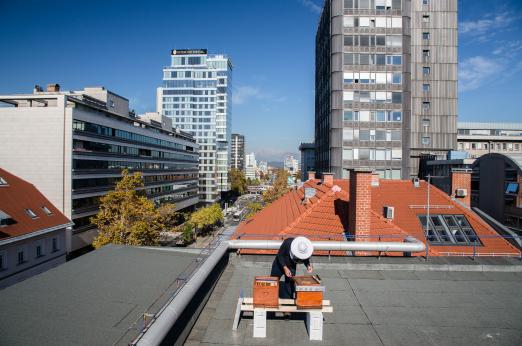
Upgrading environmentally friendly orientation of four EU cities with urban beekeeping principles
BeePathNet Reloaded is about spreading knowledge on urban beekeeping to additional four EU cities that have proven its environmentally friendly