
All URBACT articles

Hear from the URBACT community on today’s most pressing challenges and inspiring examples from all around Europe. Find the inspiration you have been looking for to put knowledge into action!

Interested in more thematic content? Check out the URBACT Knowledge Hub.


  • Urban planning

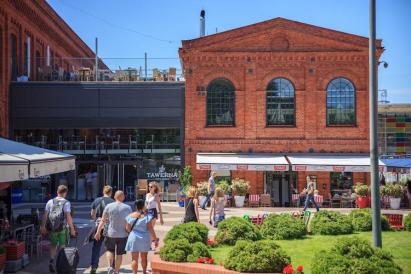
    Urban Heritage within URBACT projects

    Culture and Heritage are key topics for URBACT cities: from renovations of historic buildings to new management methods.

  • Participative governance
    Local economy
    Social cohesion

    Five ways to promote an integrated approach in your city

    Lessons from the URBACT City Lab #3 focused on the principle of integration.

  • Social cohesion

    Improving children’s education for a sustainable urban future

    URBACT is helping European cities find – and share – new ways to support children’s education for a better future. 

  • More URBACT learning for better funding

    One year on, cities say URBACT leads to more learning and more funding.

  • REFILL@LILLE: Policy Design Labs and URBACT exchange networks

    How civil servants from Lille Metropole benefited from the experience of URBACT REFILL network to shape a roadmap to set their temporary use policy. 

  • Climate action

    Bringing (more) sustainability to cities: 5 golden rules

    How are cities putting sustainable urban development into practice? Here are 5 golden rules from URBACT's City Lab.

  • CITY PROFILE: AVEIRO, PORTUGAL

    We want to continue with the presentation of our partner cities. It is always a good moment to travel to Portugal and discover this beautiful city...

  • Urban planning
    Local economy

    How residents and businesses are re-energising their city centre

    Many in Heerlen (NL) wanted change, but didn’t know how to effect it. Following a wealth of inspiration, participation and activation through URBACT, things are now looking up.

  • Pooling urban commons: the Civic eState

    Naples’ Urban Civic Uses policy is characterised by the way artists, creatives, innovators and city inhabitants are entitled to organise themselves to establish forms of self-government for critical