
The European Commission defines nature-based solutions as “solutions that are inspired and supported by nature, which are cost-effective, simultaneously provide environmental, social and economic benefits and help build resilience”.
As cities face climate change, biodiversity loss and urban sprawl, many of them are looking to adopt nature-based solutions as an organising principle for urban development projects.
Indeed, by enhancing urban green spaces, cities can benefit from the ecosystem services they provide such as reduction of heat islands, stormwater management or social well-being. In the long run, nature-based solutions can create jobs, foster social innovation and support resilient economies.
This Knowledge Hub page brings together case studies from the URBACT networks Re-Gen, GreenPlace, BiodiverCity and from URBACT Good Practices. It provides city practitioners practical examples on how cities planed and integrated green spaces. These case studies are presented in 6 categories of urban green spaces and 2 cross-cutting categories (governance and community engagement).
- Climate action
- Urban planning
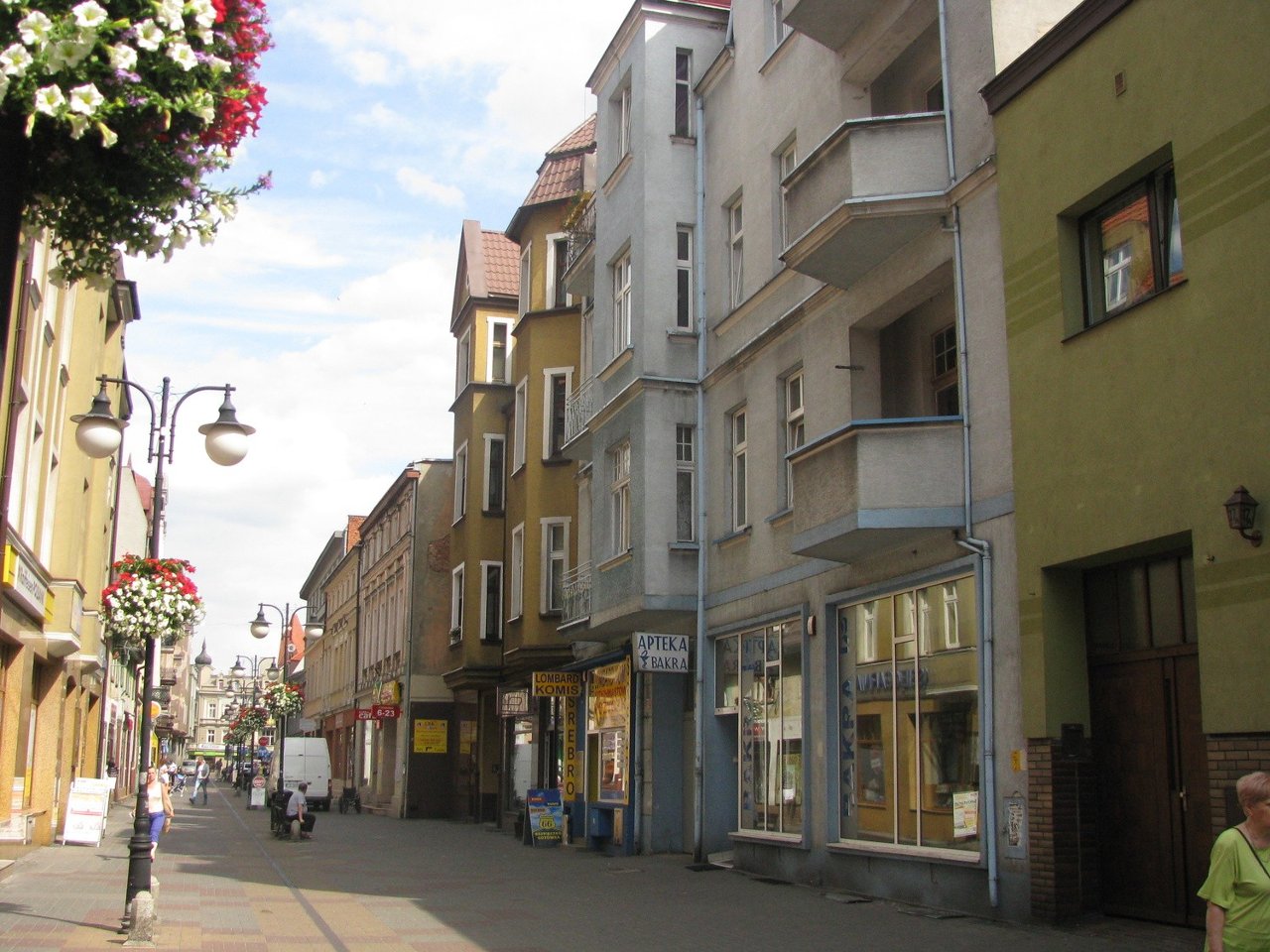
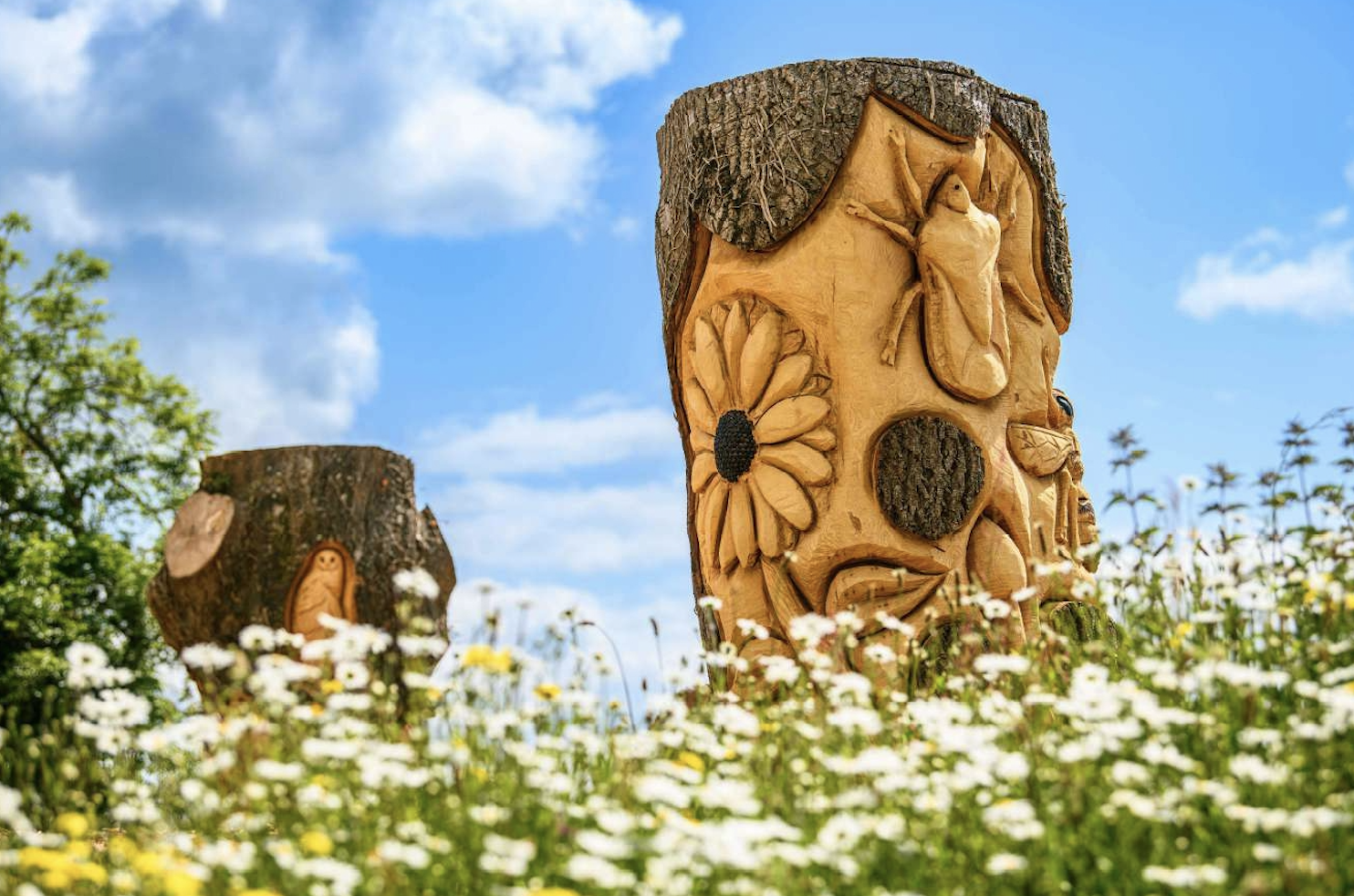
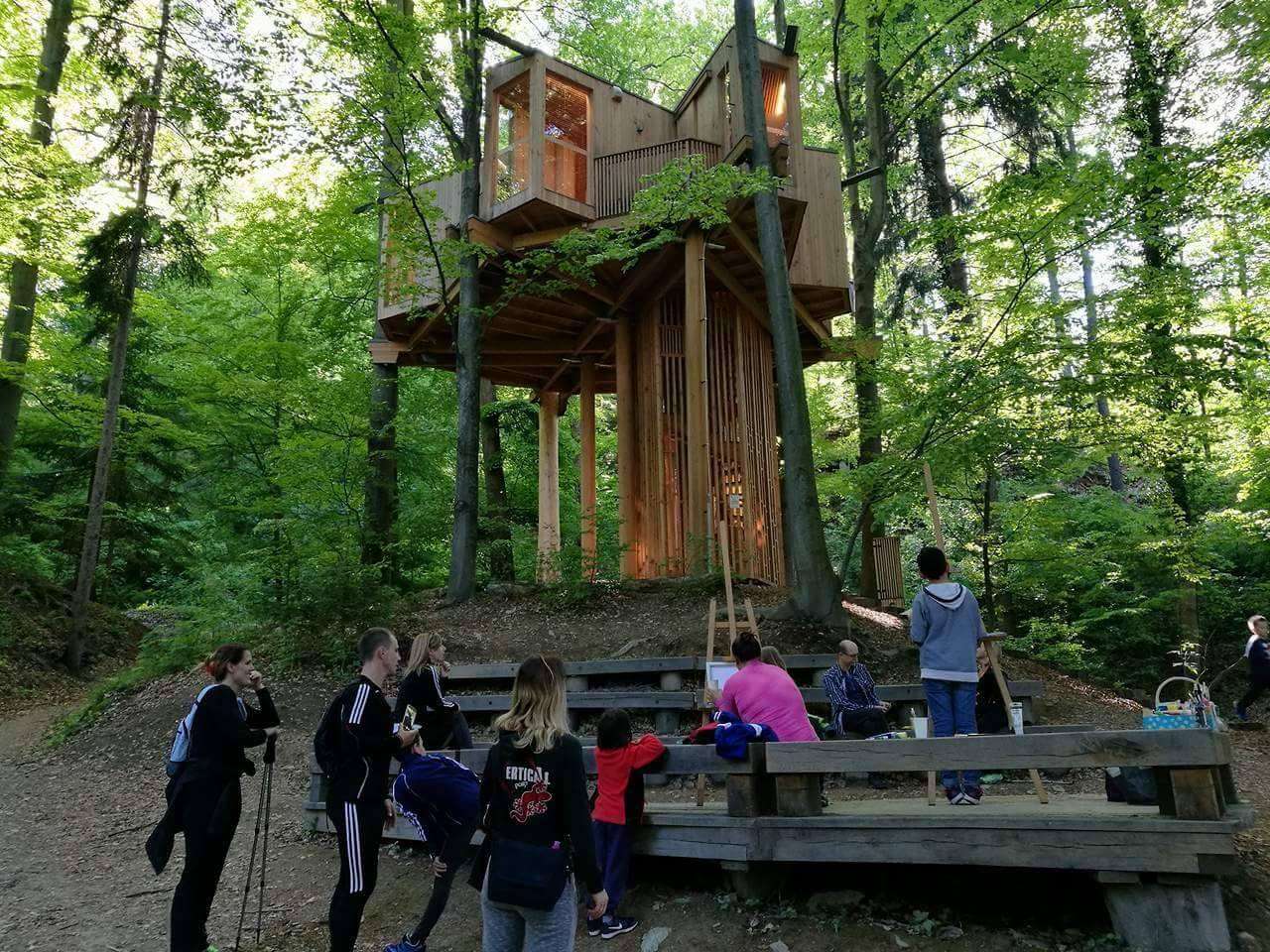
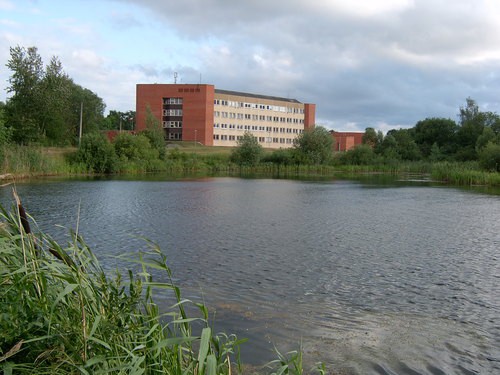
Discover our case studies
-
Blue areas
Learn moreClose -
Stormwater management solutions
Learn moreClose -
Agricultural and food production
Learn moreClose -
Forest and urban parks
Learn moreClose -
Shrub and grassland
Learn moreClose -
Grey infrastructure with green features
Small-scale blue and green infrastructure for citizens throughout the city
Wrocław, Poland
Learn moreClose -
Governance
Learn moreClose -
Community engagement
Learn moreClose

Get inspired