Participatory Approach
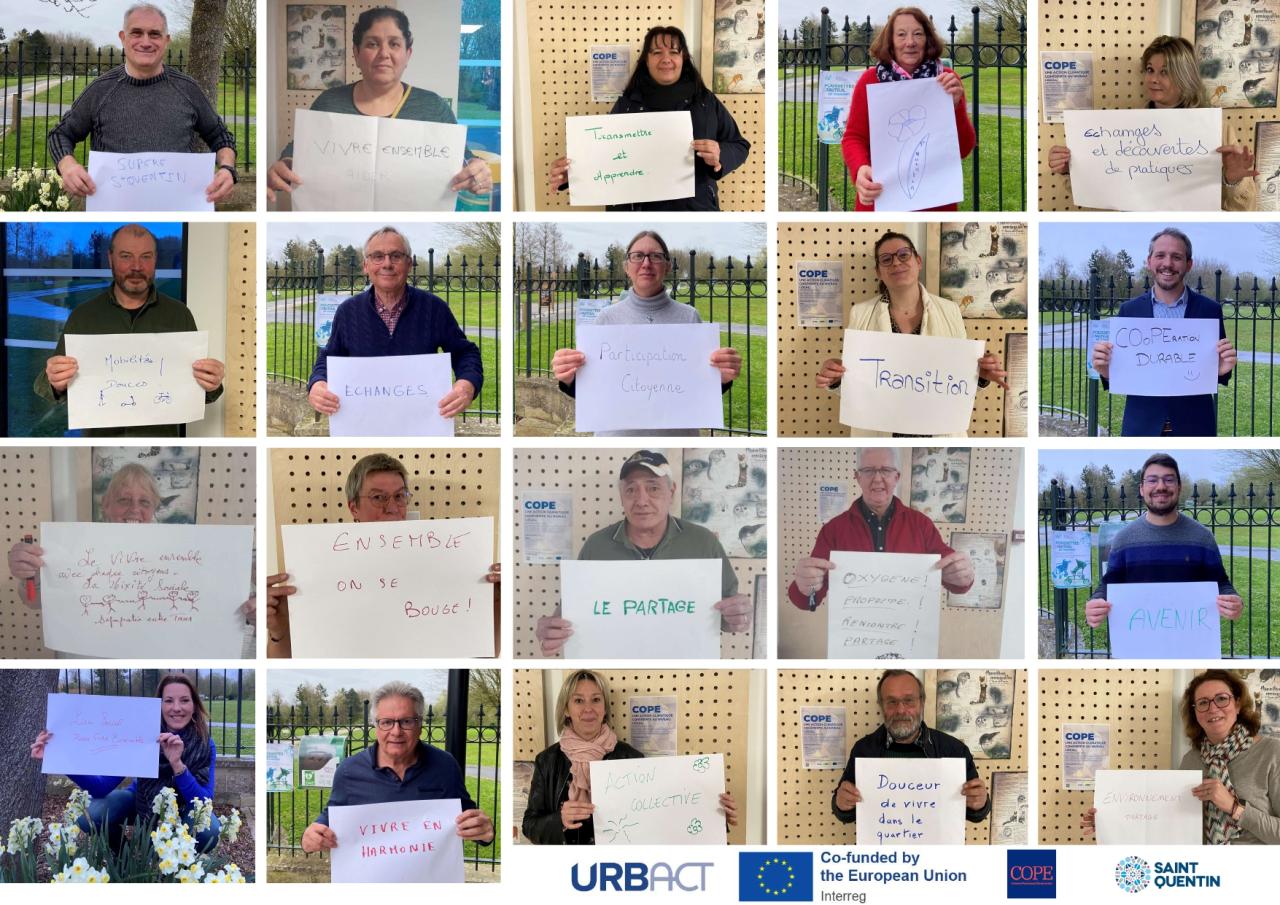
The Integrated Action Plan (IAP) was co-created with citizens through a series of workshops, neighborhood meetings, and interactive sessions. This approach allows residents to directly contribute ideas, shape interventions, and ensure that solutions meet the specific needs of their neighborhoods.
Link video : https://www.youtube.com/watch?v=5zGGwwnlwdA
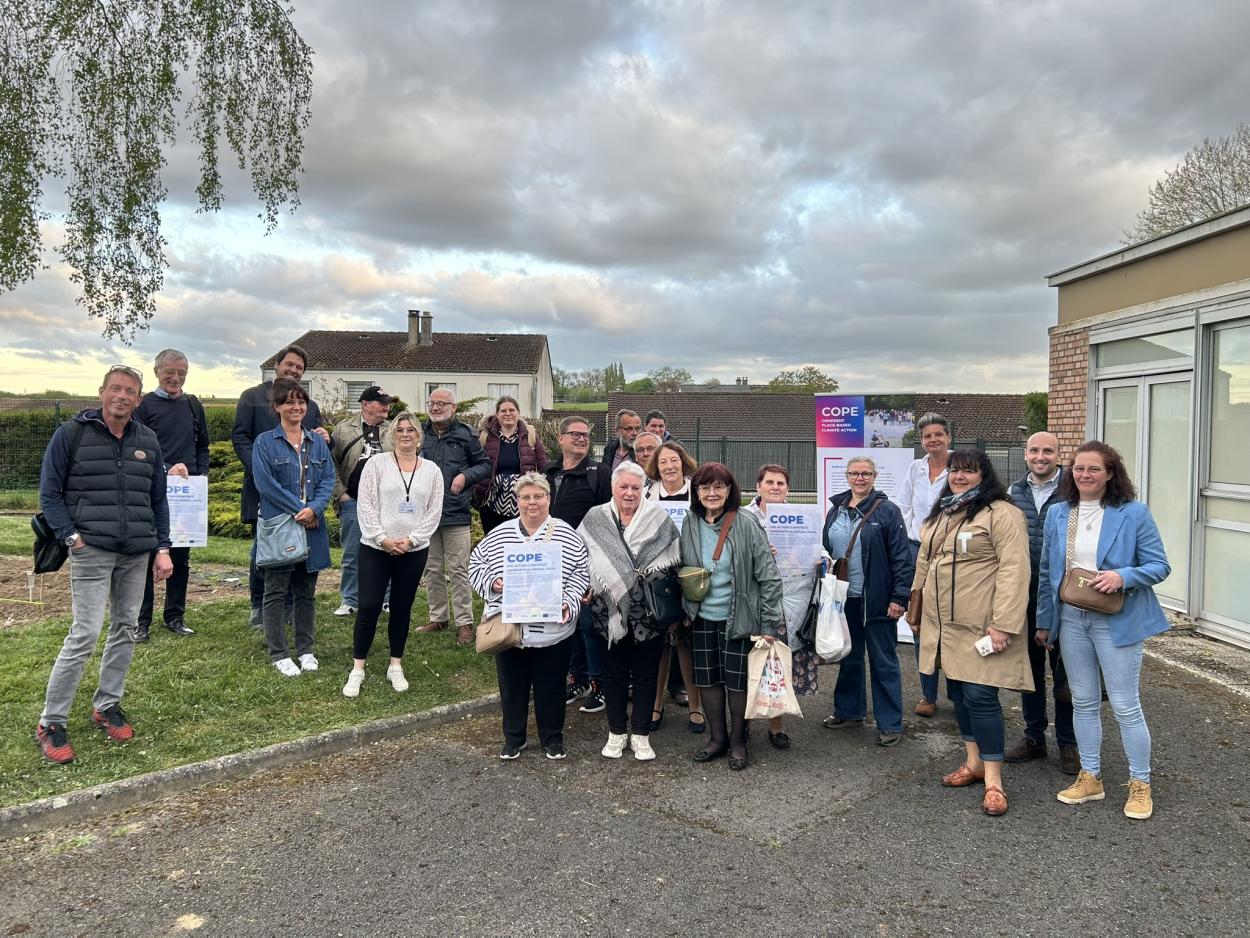
By combining citizen input with municipal planning and resources, Saint-Quentin built a shared vision for greener, more inclusive, and resilient urban spaces.
Key Action Themes
The IAP focuses on several complementary areas:
- Soft mobility & sustainable transport – promoting walking, cycling, and reducing car dependency.
- Renaturing & green spaces – creating micro-forests, greening schoolyards, and improving public spaces.
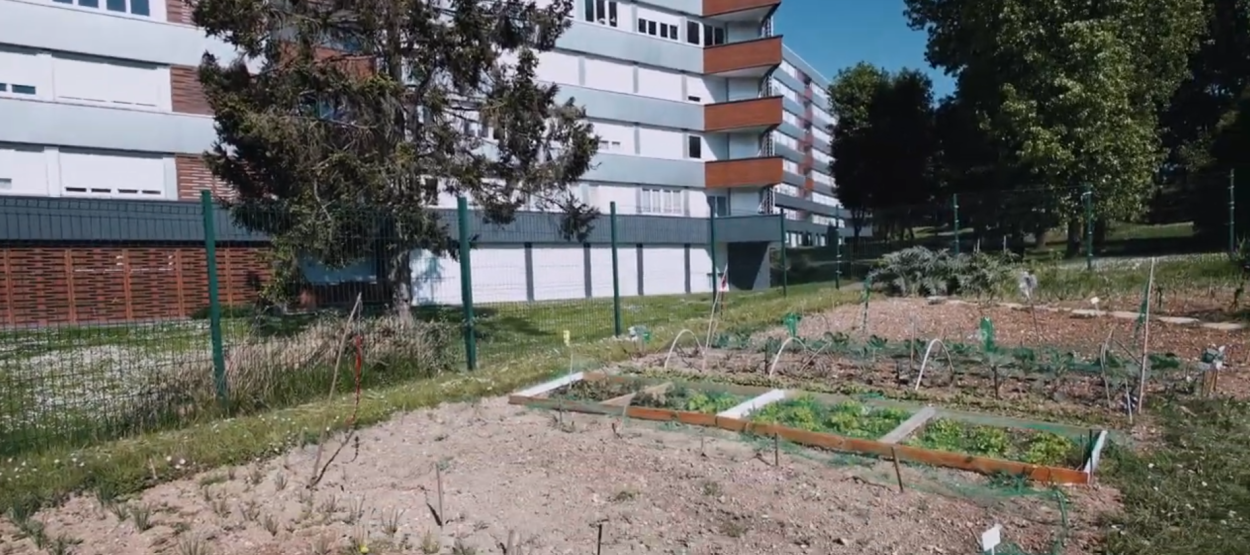
- Urban agriculture & composting – shared gardens, community composting, and local food initiatives.
- Water management & climate resilience – awareness, water-saving measures, and flood mitigation.
- Citizen engagement & education – workshops, school programs, and community events.
Pilot Actions
- Benjamin Rouché Exteriors
- The outdoor spaces of Benjamin Rouché were transformed into a vibrant neighborhood hub, combining green landscaping and areas for community use.
- Marcel Pagnol Schoolyard Greening
- The schoolyard was vegetated to create a more pleasant and healthy environment for students and the surrounding community.
- Micro-Forest at Eugène Corrette School
- In partnership with the association Coup de Pousses, a micro-forest was planted following the Miyawaki method. All local schools participated in workshops and planting activities, contributing over 700 trees of local species.
- “At Corrette school: a micro-forest for tomorrow! With students and school teams from Corrette, Arnould, Girondins, and Pagnol, we inaugurated a micro-forest planted using the Miyawaki method as part of the European URBACT programs ‘Resident of the Future’ and COPE. Over 700 local plants will grow ten times faster than a traditional forest, without maintenance or chemicals. A participatory, sustainable project supported by Europe and serving as a model for other neighborhoods in Saint-Quentin.” – Mayor of Saint-Quentin
- https://www.facebook.com/share/p/1DqxbNN9Rp/
Future Prospects
Saint-Quentin plans to extend pilot actions to other neighborhoods, strengthen citizen engagement, create new green spaces, and monitor existing projects. The goal is a greener, more resilient, and inclusive city, continuously evolving with the active participation of its residents.
Conclusion
Saint-Quentin demonstrates that citizen engagement is key to a successful ecological transition. Collaboration, innovation, and participation are shaping neighborhoods that are greener, cooler, and resilient, proving that climate adaptation starts at the neighborhood level, by and for the people.