
In Varberg, Sweden, employers struggle to retain young talent because housing costs push graduates to larger cities. In Vilanova i la Geltrú, Spain, the challenge is different: a promising blue economy ecosystem exists, but the actors within it are not yet connected. In Stara Zagora, Bulgaria, the green transition away from coal threatens thousands of jobs, while companies already report difficulties finding skilled workers.
These local realities may look different on the surface, but they share a common thread. Across Europe, cities are facing labour shortages, skills mismatches, demographic change and economic transition — challenges that municipalities cannot solve alone.
That is the starting point for Network4Work, an URBACT Innovation Transfer Network bringing together seven European cities to transfer and adapt a Good Practice developed in Nyíregyháza, Hungary: the Local Employment Forum.
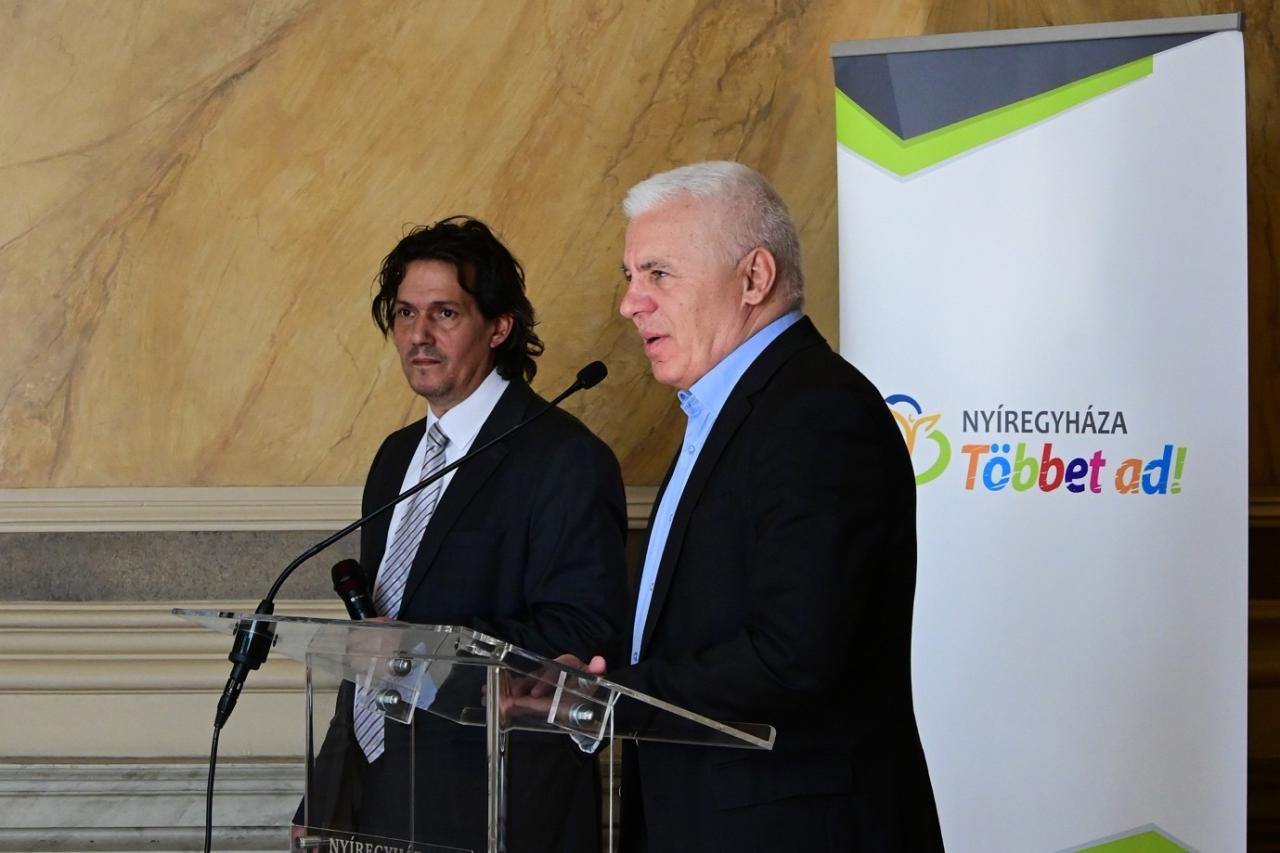
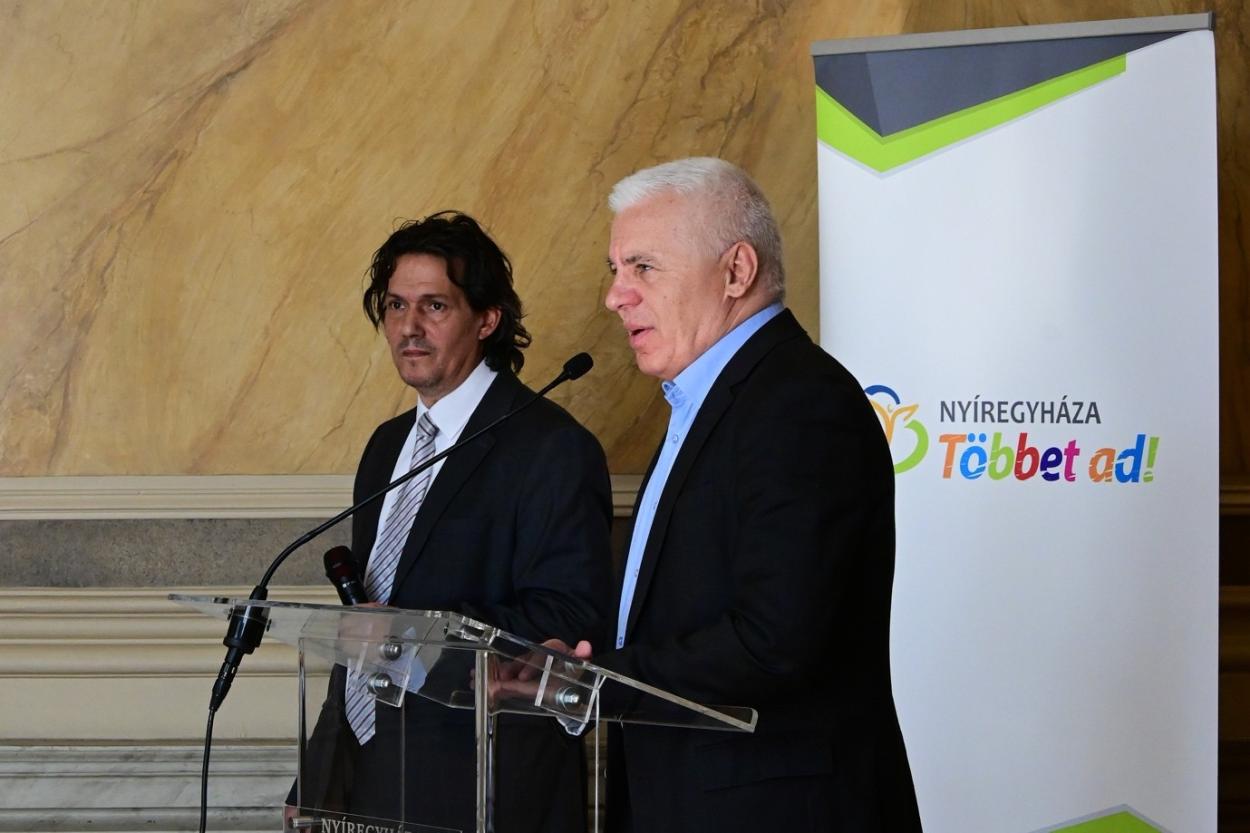
Dr. Ferenc Kovács, the Mayor of Nyíregyháza, explained the roots of the initiative: “In 2017, we established the Local Employment Forum in response to several emerging challenges: the out-migration of skilled young people, an aging population, and the integration of disadvantaged social groups. Today, nearly 40 organizations work together within the Forum, including the municipality, government and labour institutions, educational organizations, businesses, civil society groups, and churches. It is therefore no coincidence that Nyíregyháza became the Transfer Network lead.”
A forum born from fragmentation
Nyíregyháza’s Good Practice emerged from a simple but powerful observation: labour market problems are rarely caused by a single issue. Employers, schools, municipalities, training providers and employment agencies often work in parallel, but not together.
A Local Employment Forum operates as a structured platform that brings together labour market actors to jointly identify challenges, coordinate interventions and develop integrated employment strategies. Rather than relying on isolated projects, the forum creates long-term cooperation between institutions that normally operate separately. It offers a practical and transferable way to tackle labour shortages, unemployment and skills mismatches through governance and collaboration.
“The initiative builds on the earlier Nyíregyháza Employment Pact project, which was funded by the European Union. The partnership created through that project proved so successful that Nyíregyháza submitted it to the URBACT program, where it was recognized as a European-level good practice. We are proud of this achievement and are now able to share our experience and model with other cities,” says Mónika Komádi, the Network4Work Project Coordinator.
At a time when Europe’s labour market is under pressure from ageing populations, changing workforce expectations and the green transition, the practice has indeed gained wider relevance.
Twenty years ago, people searched for stability. Today, they search for meaning, flexibility, and themselves.
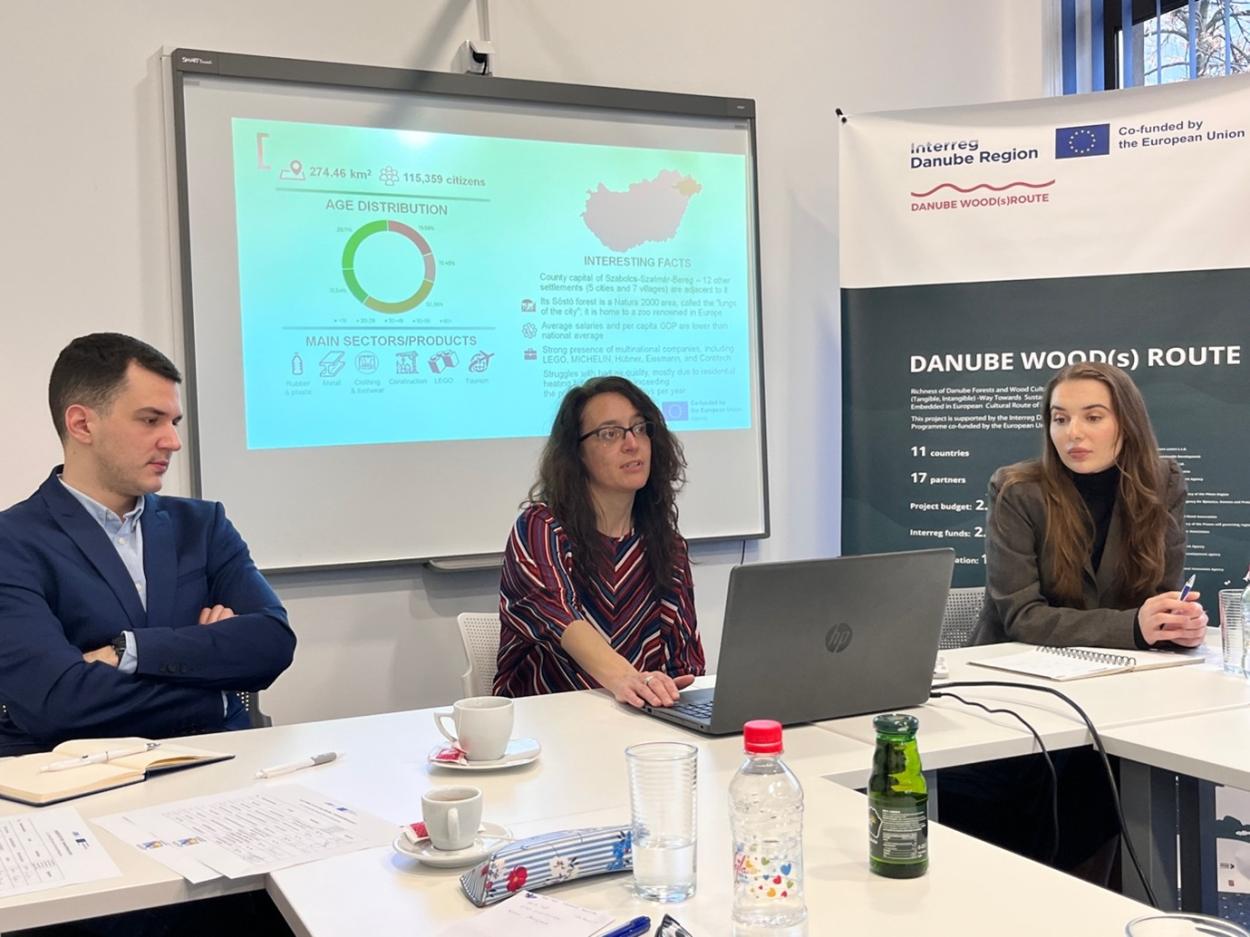
The first phase of Network4Work focuses on understanding how the Good Practice works in different local contexts. To support the process, all six transfer partners received a visit from the Lead Expert and the Project Coordinator. The visits also served as a platform to meet and engage the local stakeholders, while sharing different perspectives on the labour-market issues. What surprised many participants during the visits was not only the scale of labour market change, but the speed at which traditional assumptions about work are beginning to break down. Across Europe, employers are discovering that labour shortages are not always caused by a lack of jobs or even a lack of workers. In many cases, the deeper issue is that expectations around work itself are changing faster than institutions can adapt.
In Varberg, stakeholders described a generation of young workers that values flexibility, mobility and quality of life over long-term career stability. Some students openly spoke about leaving the city — or even the country — in search of opportunities better aligned with their personal ambitions.
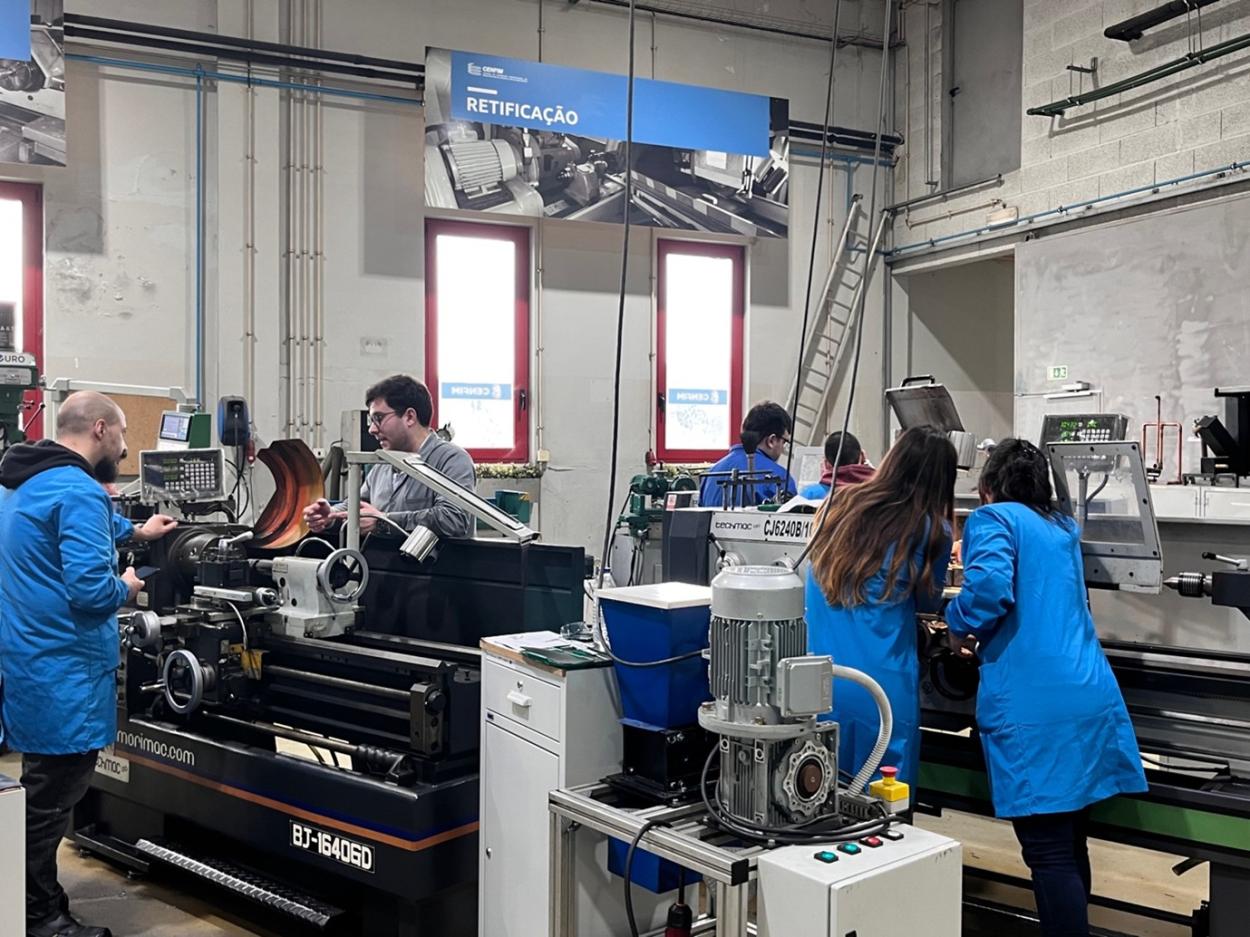
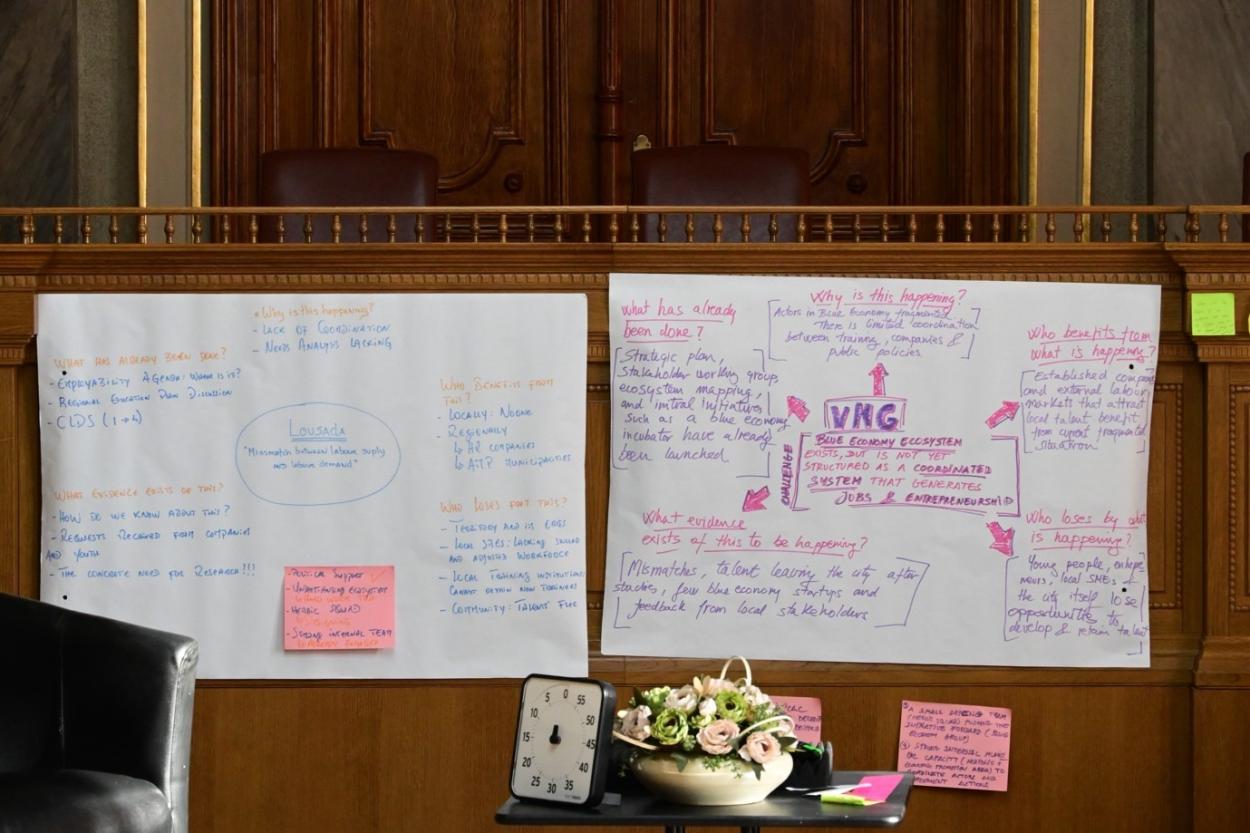
In Lousada, companies facing shortages in industrial sectors reported difficulties attracting workers even when vacancies existed. Many former textile workers were reluctant to move into new industries, revealing how economic transition is also tied to identity, habit and social expectations.
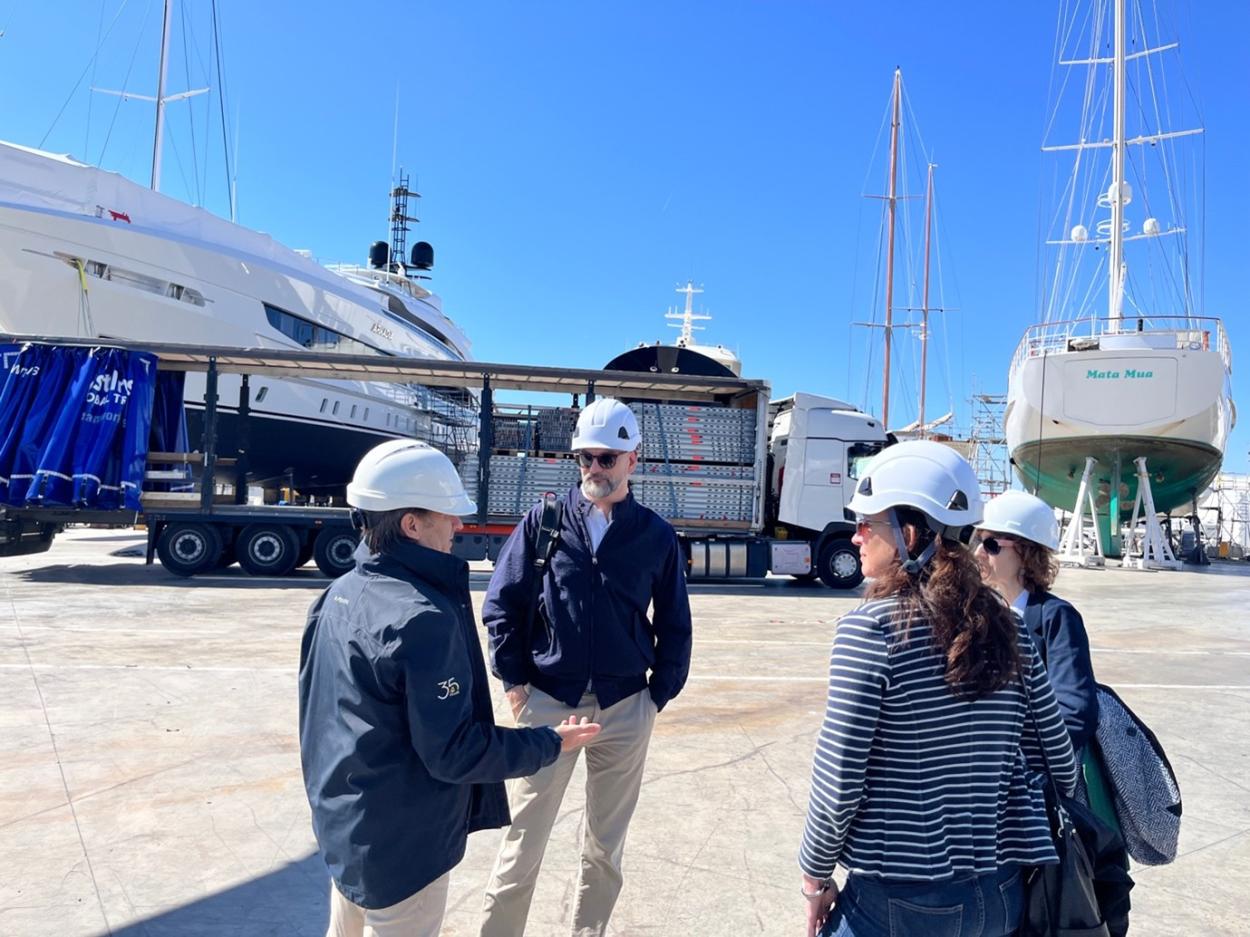
Meanwhile, in Vilanova i la Geltrú, discussions about the blue economy repeatedly returned to a fundamental question: how do you persuade younger generations to imagine a future in sectors they often associate with the past, such as fisheries or maritime industries?
In Sarajevo, stakeholders pointed to another growing contradiction: while some sectors face shortages of technical professionals, universities continue producing large numbers of graduates in fields where demand is already saturated. The result is a labour market where higher education does not necessarily guarantee employment, and where institutions struggle to align educational pathways with rapidly changing economic realities.
In Stara Zagora, the uncertainty is even more profound. As the region prepares for the gradual decline of coal-related industries, institutions are attempting to anticipate skills that may not yet fully exist. Educational systems are trying to respond to labour markets that are themselves still evolving.
This new type of challenge was also recognised by Petra Grgasović, the Network4Work Lead Expert: “There is a growing paradox visible across many European cities: employers struggle to recruit, while many workers struggle to find opportunities they consider meaningful, attractive or sustainable. The challenge is no longer simply matching people to jobs. It is understanding how people’s relationship to work itself is changing.”
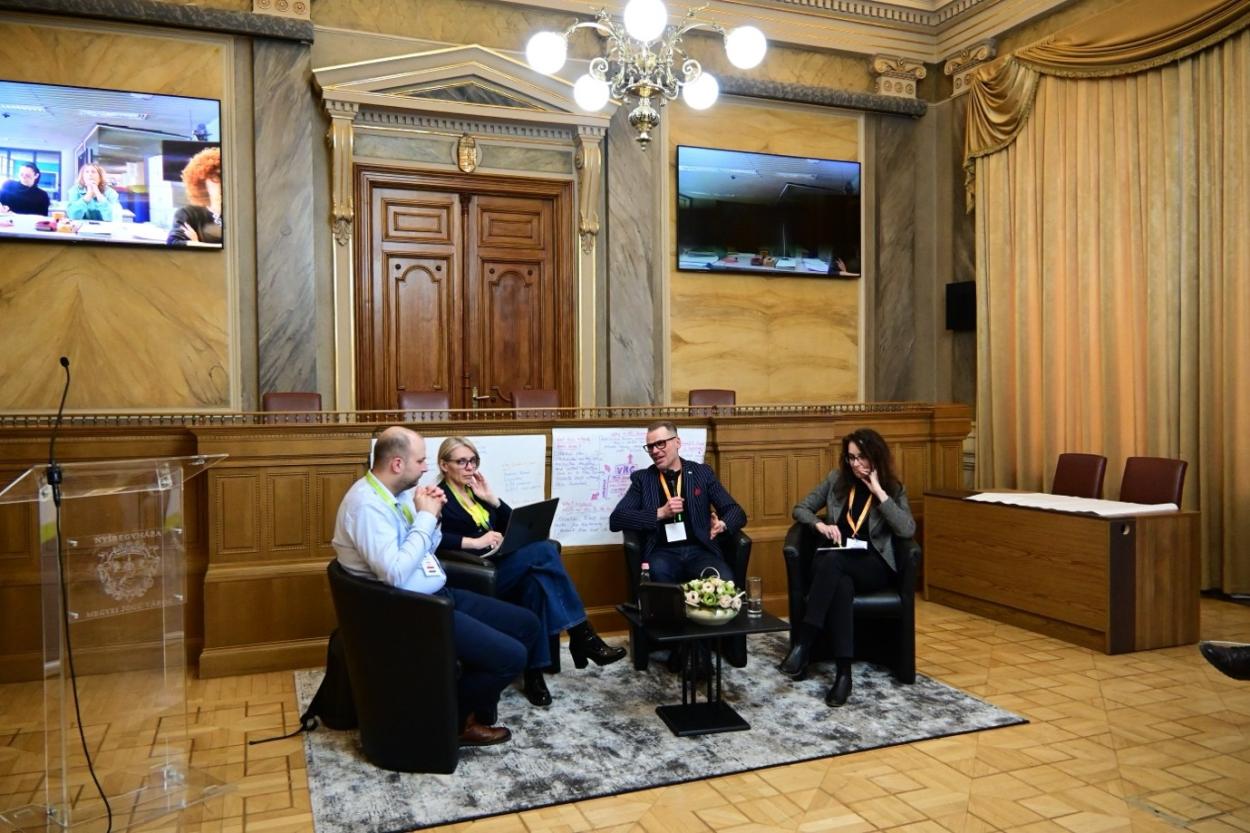
For the partners of Network4Work, this shift reinforced the importance of governance and cooperation. If labour market challenges are becoming more complex, fragmented and unpredictable, then cities need spaces where employers, education providers, municipalities and community actors can collectively interpret change — and respond to it together.
Transfer as adaptation, not copying
One of the key principles behind URBACT Transfer Networks is that transfer does not mean replication. A practice that works in one city must be adapted to local institutional cultures, governance systems and economic realities of other cities. This is especially relevant in Network4Work, where partners differ significantly in size and governance structures.
The transfer process will therefore focus less on copying organisational structures and more on understanding the mechanisms behind the Good Practice:
How can cities create permanent cooperation between labour market actors?
How can they move from isolated projects to integrated strategies?
How can local stakeholders jointly identify labour market needs and coordinate responses?
How can municipalities act as facilitators rather than acting alone?
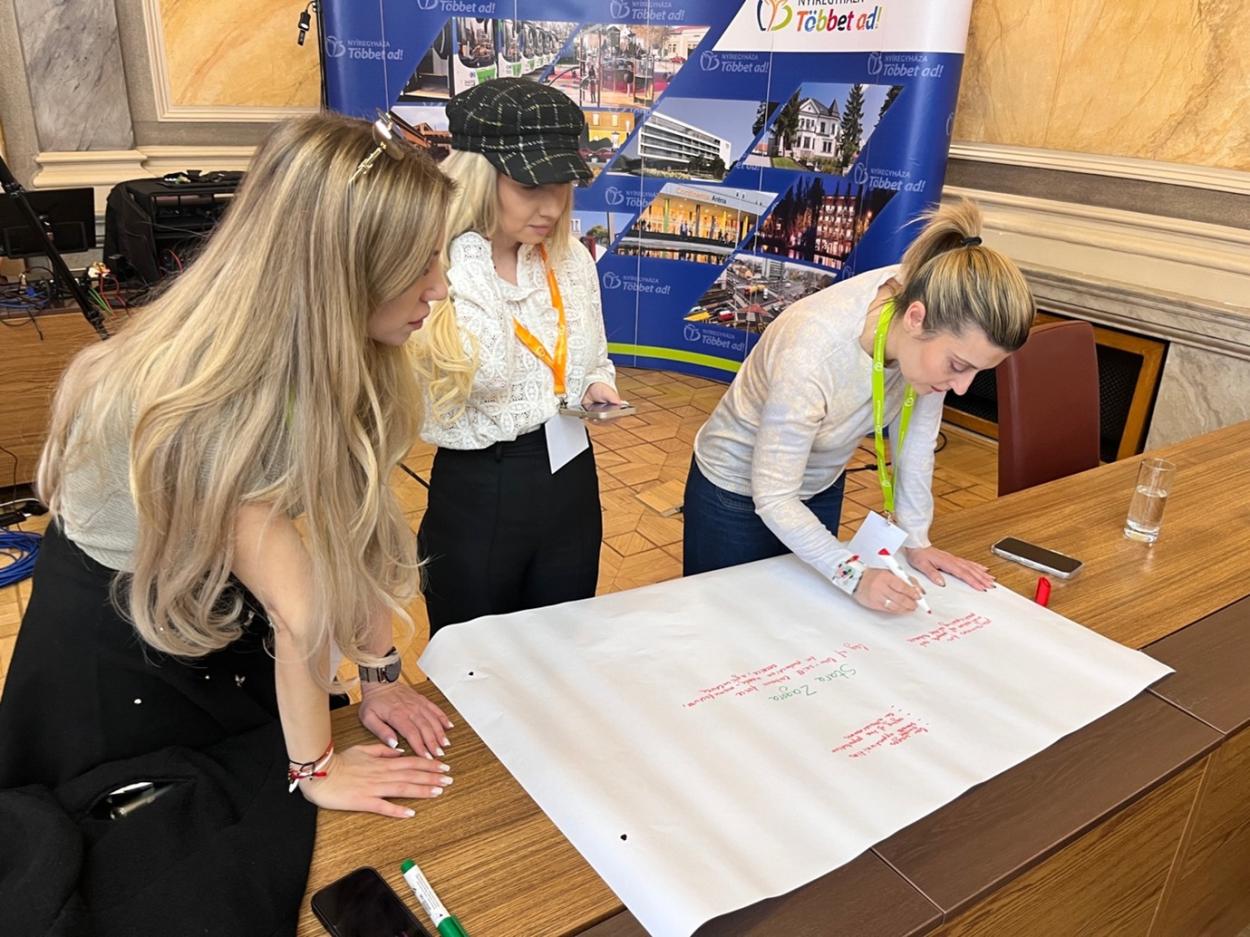
Over the next two years, partner cities will work through study visits, peer learning activities, local stakeholder workshops and pilot actions to test and adapt elements of the model in their own contexts.
The Lead Expert, Petra, added: “Although cities and countries may differ, many of them face similar challenges — even if they do not always recognize them as shared issues. The first step is therefore to identify the common patterns behind the problems cities are experiencing. The second step is to learn from how other cities may already have addressed these challenges. Mutual learning is one of the greatest benefits of participation in this kind of network and cooperation.”
The solution and the hardest part? Cooperation
Creating cooperation between labour market actors sounds straightforward in theory. In practice, it is often one of the most difficult parts of local governance. Many of the partner cities already have organisations working on employment, training or economic development. The challenge is not necessarily the absence of initiatives, but the fragmentation between them.
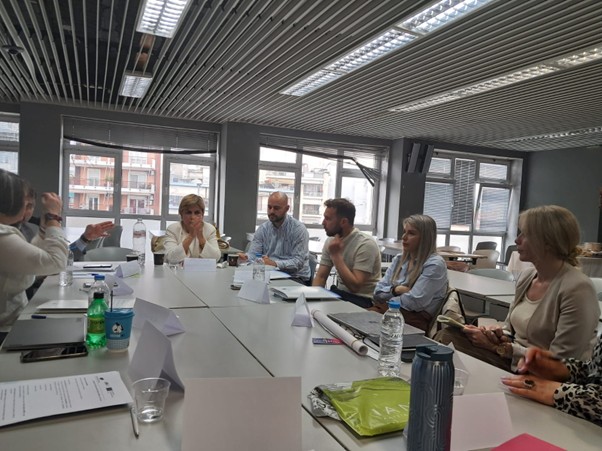
During the partner visits, stakeholders repeatedly pointed to overlapping responsibilities, limited coordination and institutional silos. In some cases, organisations were competing for the same funding or targeting the same groups without working together. There are also structural differences between partner cities that may complicate the transfer process. Governance systems vary significantly across Europe, as do labour market regulations, levels of municipal autonomy and relationships between public institutions and employers. Additionally, in Pavlos Melas, discussions also highlighted the importance of ensuring that labour market policies reach vulnerable and excluded groups. Stakeholders stressed that employment challenges cannot be separated from wider social realities such as poverty, limited access to opportunities and territorial inequalities within metropolitan areas.
At the same time, labour market transformation itself is moving quickly. Educational systems often struggle to respond fast enough to changing economic realities, while employers face uncertainty about future skills needs.
In regions undergoing industrial transition, such as Stara Zagora, the pressure causing the young people to leave is even greater, as confirmed by Rositsa Raykova, an URBACT Local Group Coordinator: “Our goal is to create opportunities and provide younger generations with strong foundations to remain in our city — not only to work here, but also to build their lives here. We are eager to learn from other cities participating in the project: how they create similar opportunities, how their labour markets function, and what projects or innovative ideas they are implementing in their regions and countries.”
Another difficult question is sustainability. How can cooperation continue once project funding ends? Can local forums become embedded in city governance rather than remaining temporary project structures?
For Network4Work, these questions are not obstacles to avoid discussing — they are central to the learning process itself.
What happens next?
The coming phase of Network4Work will focus on translating learning into action. Partner cities will begin shaping local versions of the Employment Forum model, testing how it can support their own strategic priorities and institutional realities.
Some cities may focus on youth employment. Others on industrial transition, entrepreneurship or skills forecasting. But all of them share the same broader ambition of creating labour markets that are more connected, inclusive and capable of responding to rapid economic change.
Along the way, cities are realising that the future of work will not be shaped only by national policies or economic forecasts. It will also depend on whether local communities can create places where people see a future for themselves. That is ultimately what Network4Work is trying to build: stronger connections between people, opportunity and place.