
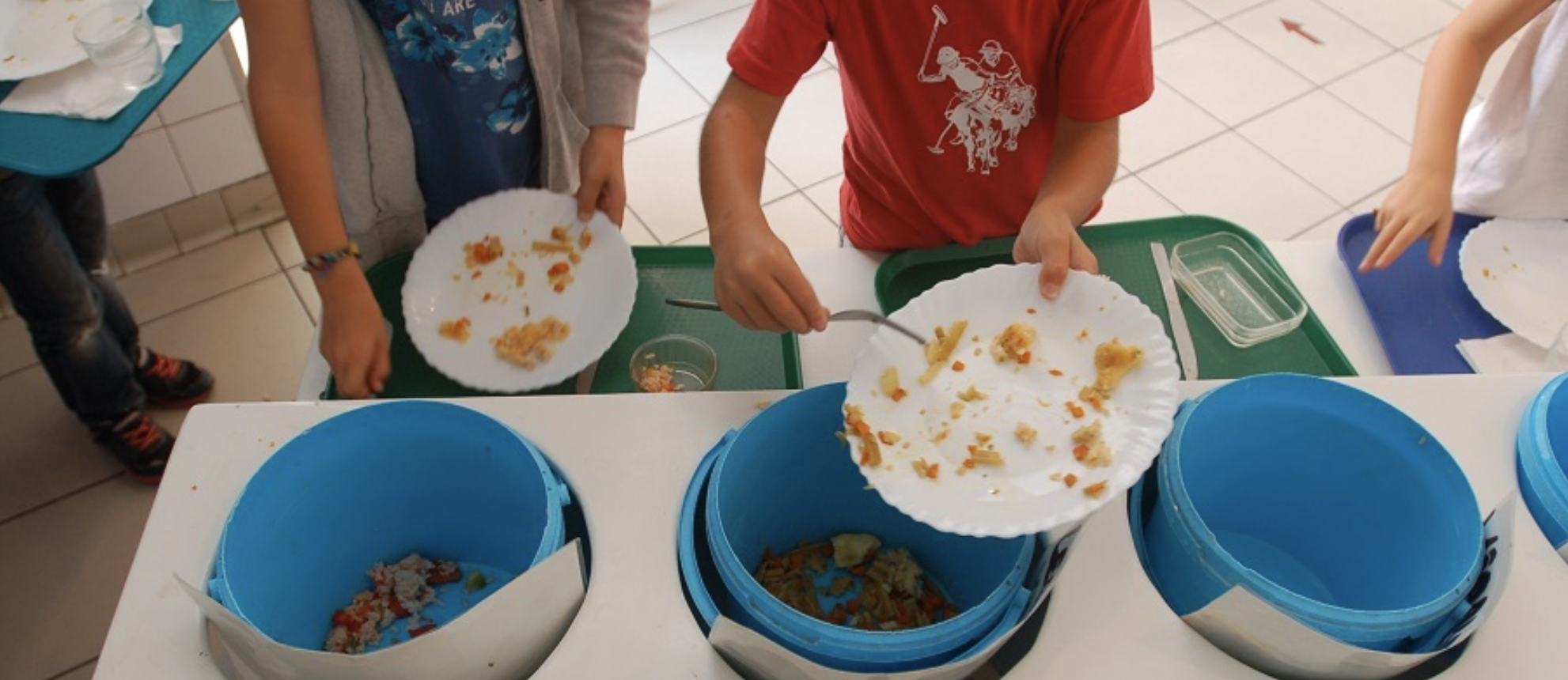
How to transition towards a more circular and sustainable food system?
Local food ecosystems are holistic approaches to address food from its production to its delivery and consumption via its transformation. A key remaining element, to ensure closing the loop, is to adopt a circular approach, notably in addressing food waste, seeking to reduce it at individual collective and private sector levels. The benefits can then not only be environmental but also economic.
Below some examples of success stories and good practices

Heraklion (EL)
Food waste reduction in the tourist sector: the implementation of the RESOURCE MANAGER-FOOD (RMF) Tool.
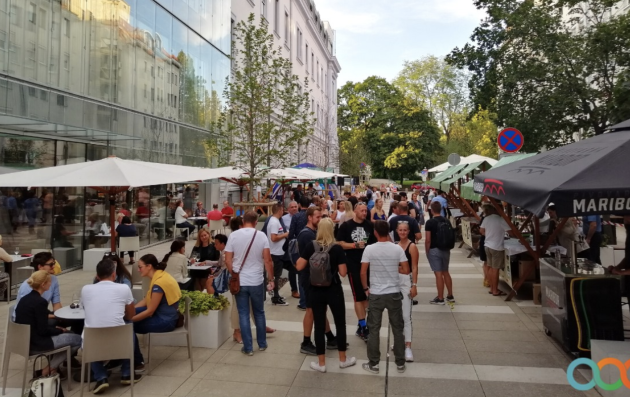
Maribor (SI)
UIA URBAN SOIL 4 FOOD: establishment of innovative urban soil based economy circles to increase local food self-sufficiency and minimise environmental footprint
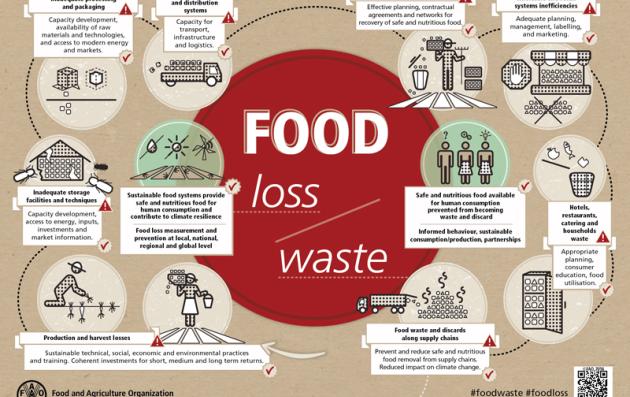
FOOD CORRIDORS story
In-depth article to reduce the depletion of natural resources, limit environmental impacts, and make the food system more circular.

Resourceful Cities story
A virtual feast! Closing loops in local food systems.