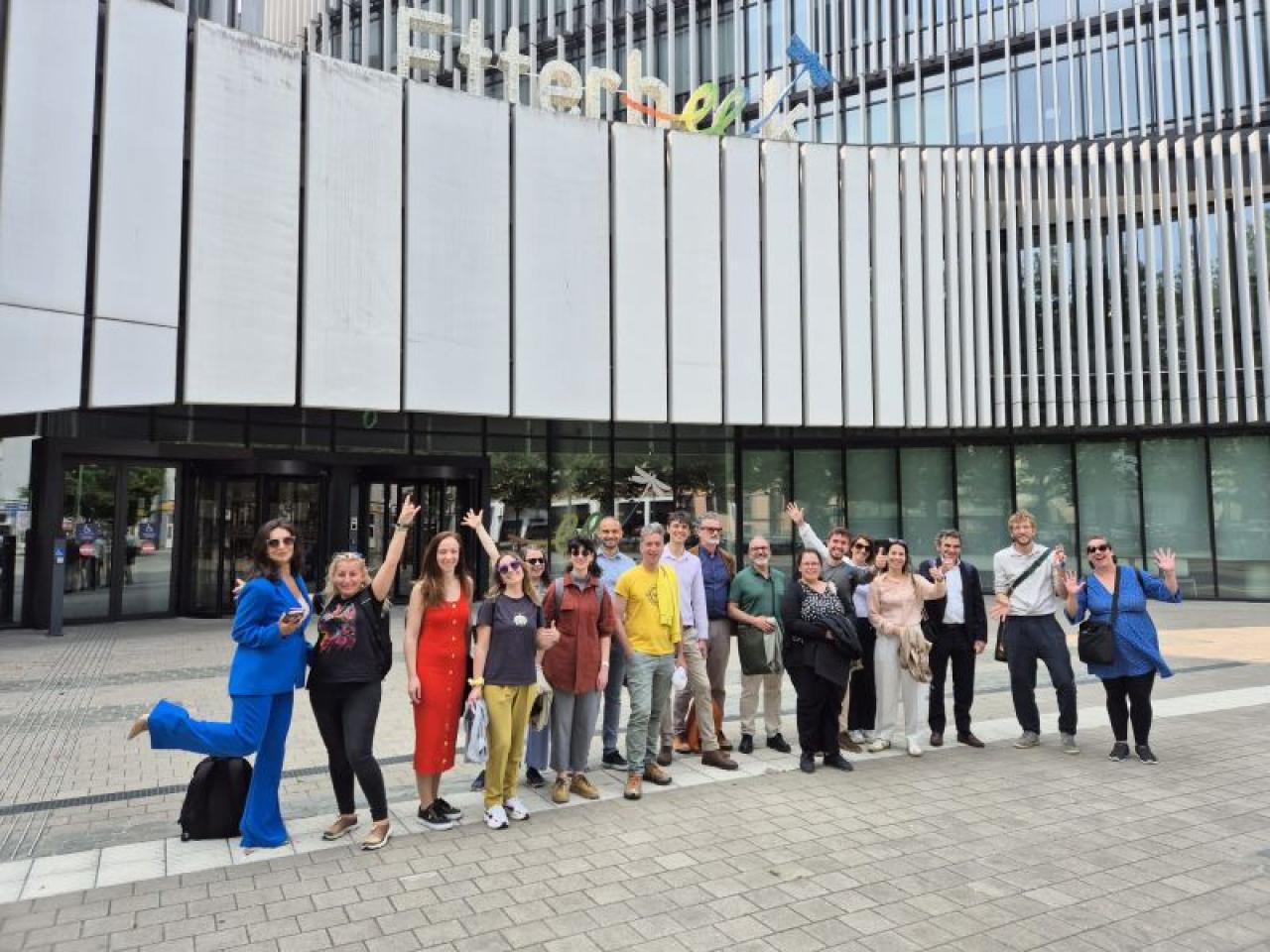
Exploring local solutions in Etterbeek
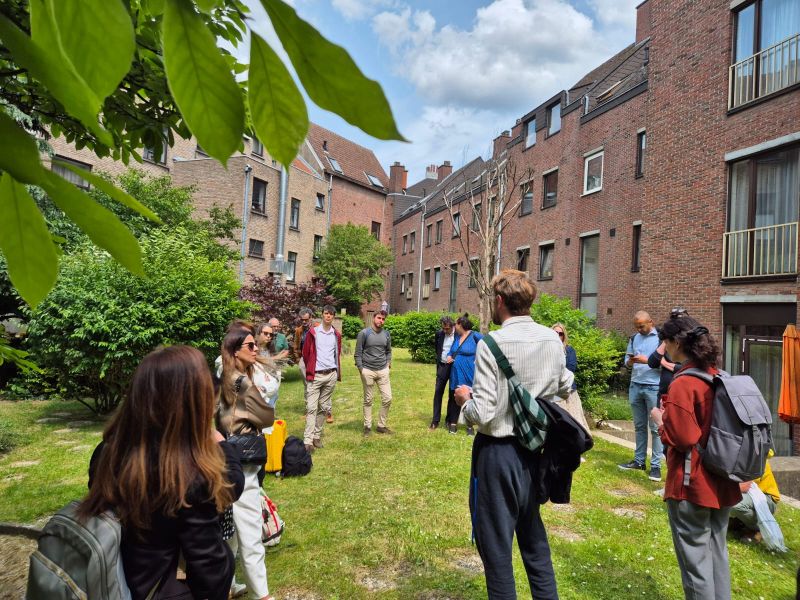
Over three intensive working days, partners explored how Etterbeek is addressing housing affordability, energy vulnerability and climate challenges through an integrated approach that combines social policies, housing strategies and energy services. Site visits and technical sessions provided first-hand insights into innovative local initiatives, including Belgium’s first municipal bond dedicated to financing an energy-efficient childcare facility, public housing acquisition and renovation programmes, and a comprehensive one-stop-shop service supporting vulnerable households with energy advice, home visits and emergency assistance.
Learning from innovative governance and financing models
A particularly valuable aspect of the meeting was the opportunity to compare different governance and financing models. The discussions highlighted the importance of combining technical solutions with strong community engagement, social support mechanisms and innovative funding instruments. The experience of Etterbeek demonstrated that addressing energy poverty requires coordinated action across multiple policy sectors, involving municipalities, social services, housing agencies and citizens themselves.
Advancing the transfer of the EPIU Healthy Homes model
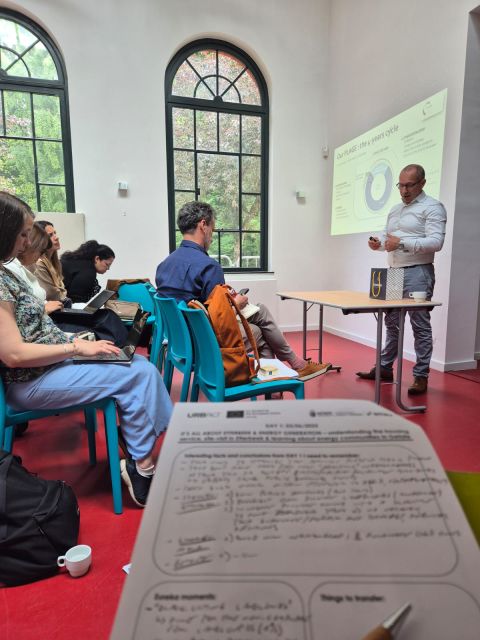
The meeting also represented a milestone in the transfer process led by Getafe, whose award-winning EPIU Healthy Homes initiative forms the core good practice being transferred across the network. Through dedicated training sessions, partners continued to explore methodologies, operational procedures and practical tools developed within EPIU. Particular attention was given to energy communities, healthy homes advisory services and household outreach activities. Interactive role-playing exercises allowed partner cities to test how these services could be adapted to their own local contexts.
Main takeaways from the meeting
Several key lessons emerged from the discussions and field visits:
- Energy poverty cannot be addressed solely through building renovation; it requires integrated social, behavioural and governance approaches.
- Successful transfer is not about replicating a model exactly but adapting proven solutions to different local realities.
- Strong stakeholder engagement is essential to ensure long-term sustainability and local ownership.
- Innovative financing tools can unlock investments and strengthen citizen participation in the energy transition.
- Capacity building and peer learning remain fundamental elements for successful implementation.
Looking ahead: from planning to implementation
The network is now entering a crucial phase. Partner cities are developing their local investment plans, transforming the lessons learned into concrete actions and preparing the ground for future funding opportunities. The next Transnational Meetings, scheduled in Pomorie and Maia, will further support this process through additional training modules, peer reviews and collaborative workshops.
Building more resilient European cities
The Etterbeek meeting confirmed the value of transnational cooperation as a catalyst for innovation. By sharing experiences, testing solutions and learning from one another, the EmPowerIngUs partners are building the capacity needed to create more inclusive, energy-efficient and resilient cities across Europe. The transition from knowledge transfer to local action is now well underway, creating the foundations for tangible impacts in the years ahead.