Understanding a Good Practice is only the first step in a successful transfer. The real challenge begins when cities ask themselves a much more difficult question: What does this mean for us?
This was the focus of the second Transnational Meeting of the URBACT Transfer Network Theatre4all, hosted by the City of Den Bosch (the Netherlands). After exploring the foundations of Alessandria's Good Practice during the first Transnational Meeting in Italy, partner cities shifted their attention to their own local realities. Rather than searching for ready-made solutions, they worked together to identify the challenges they face and explore how culture can become a driver of more inclusive, participatory and resilient communities.
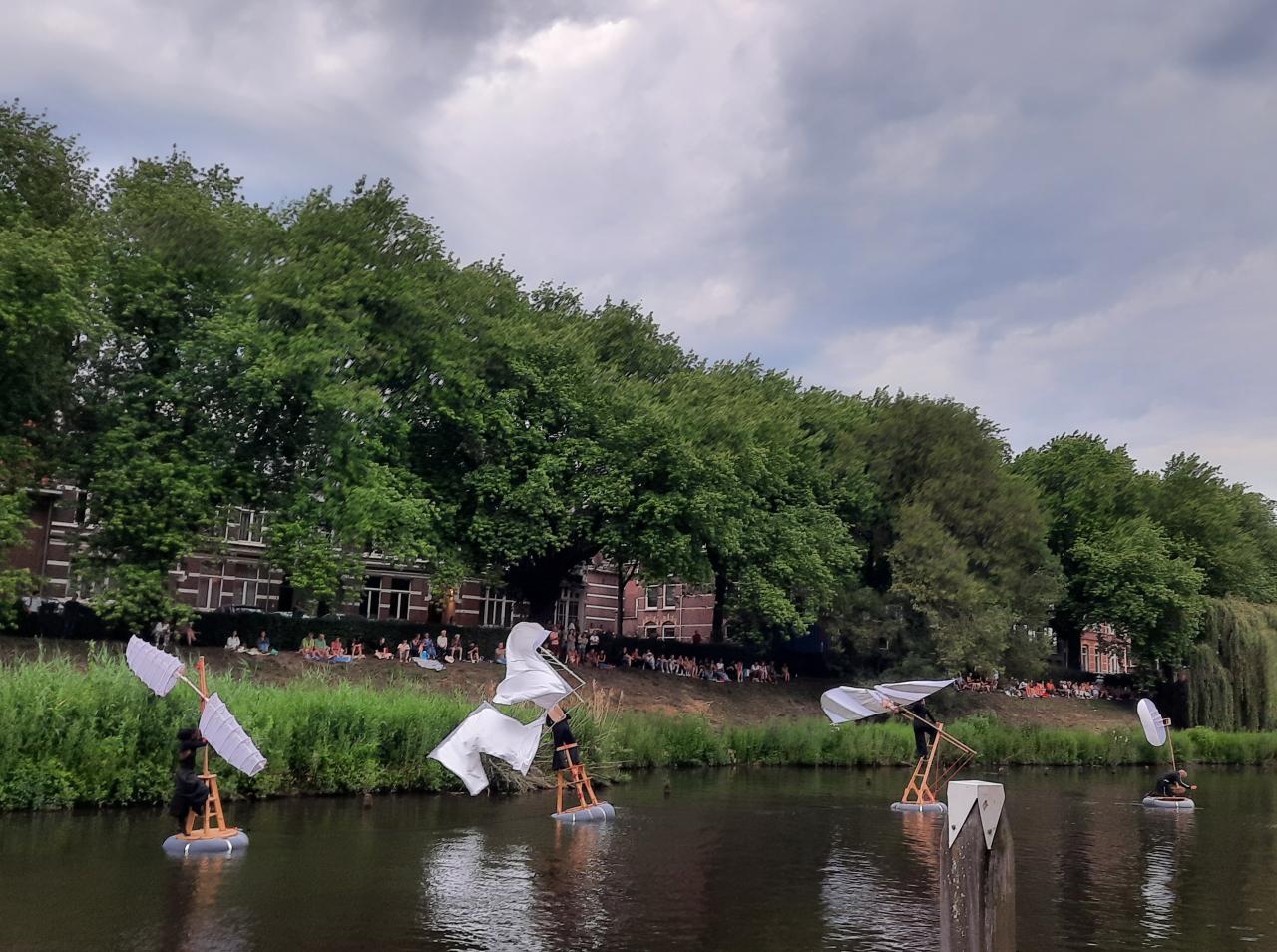
Den Bosch offered a living example of the meeting's central theme. The programme explored "Culture as a cross-cutting element in urban policies and social impact", not only through presentations and workshops, but also through local initiatives experienced first-hand. Through visits to cultural institutions, neighbourhood initiatives and community-led projects, participants experienced how culture can extend far beyond theatre stages, strengthening social cohesion, revitalising neighbourhoods and creating opportunities for people who are often excluded from cultural life. The programme concluded with Bosch Parade, the city's internationally recognised floating performing arts festival, offering a vivid example of how culture can transform public space into a space for participation and shared experience.
Yet the most valuable learning did not happen during presentations or study visits. It emerged when partner cities began analysing their own local challenges together. Despite representing different countries, governance systems and cultural contexts, they discovered that many of the barriers they face are remarkably similar, and that the most promising solutions are often rooted in the same principles: listening to communities, building trust and creating culture with people rather than for them.
Understanding the Challenge Before Designing the Solution
One of the central messages of the meeting was that successful transfer starts with understanding, not action. Before testing new activities or developing local Transfer Plans, partner cities first needed to understand the real nature of the challenges they wanted to address. Too often, cities focus on visible symptoms rather than the underlying causes. The workshops in Den Bosch therefore encouraged participants to step back, reflect and ask deeper questions about participation, accessibility and community engagement.
The first workshop, Understanding Your Local Challenge, invited each partner city to analyse its own situation. Instead of immediately searching for solutions, participants explored the root causes of their local challenges and the wider effects these have on their communities. Although each city focused on a different issue, the exercise revealed a surprisingly consistent picture across the network.
Braga (Portugal) explored how to reduce cultural inequalities between the city centre and its outskirts. Celje (Slovenia) and Plasencia (Spain) focused on increasing the participation of young people in cultural life. Den Bosch examined how to ensure a true bottom-up co-creation between residents of neighbourhoods and local artists or theatre companies, while Khotyn (Ukraine) addressed the challenge of engaging veterans through inclusive cultural activities. Despite these different starting points, all cities were ultimately working towards the same goal: making culture more accessible, relevant and participatory for the people they serve.
The discussions also demonstrated that low participation in cultural life is rarely the result of a single factor. Across the network, cities identified recurring barriers such as limited community involvement, communication that fails to reach target groups, financial and accessibility constraints, and a lack of long-term relationships with local communities. Rather than treating these issues separately, partners recognised the need for integrated approaches that combine culture with education, social inclusion and community development.
From Challenge to Solutions
Once partner cities had identified the root causes of their local challenges, the conversation shifted from analysis to action. During the second workshop, From Challenge to Solutions, participants worked in mixed groups, allowing each city to benefit from the perspectives and experiences of others. Rather than searching for universal answers, they explored ideas that could be adapted to different local contexts through peer learning and co-creation.
One of the most striking outcomes was how often the discussions returned to the same principles, despite the diversity of local challenges. Whether the focus was on engaging young people, reaching veterans, strengthening neighbourhood participation or improving access to culture, the proposed solutions shared a common philosophy. Cities recognised that successful cultural initiatives should be developed with communities rather than for them. Building trust, listening to local needs, creating long-term partnerships and empowering local people to take ownership emerged as recurring themes across every discussion.
Another important insight was that audience development is about much more than attracting people to cultural events. It requires creating opportunities for citizens to shape cultural activities themselves. Participants discussed working with community ambassadors, involving schools and local organisations, designing programmes together with target groups and bringing cultural activities into the places where people already live, meet and interact. These ideas reflected a broader shift from delivering culture to communities towards creating culture together with them.
Perhaps the clearest message emerging from the workshops was that there is no single model for increasing participation in culture. Each city will develop its own approach, shaped by its local context and community needs. What is transferable are not ready-made solutions, but the principles behind them: listening first, building trust, sharing ownership and viewing culture as a tool for strengthening communities.
What Comes Next?
The work carried out in Den Bosch does not end with the workshops. Instead, it provides the foundation for the next stage of the Theatre4all Transfer Network. Over the coming months, each partner city will bring the workshop outcomes back to its URBACT Local Group, where local stakeholders will revisit the identified challenges, validate the findings and enrich them with their own perspectives. In this way, the transnational learning process will be combined with local knowledge and experience before cities begin testing new approaches.
The next step will be to translate these shared insights into small-scale testing activities and, ultimately, into local Transfer Plans. Rather than implementing large-scale changes immediately, partner cities will experiment with practical actions, evaluate their impact and gradually refine their approaches.
The meeting in Den Bosch also reinforced an important message about the transfer process itself. Although the Theatre4all Transfer Network began with Alessandria's Good Practice, it is no longer a one-way exchange of knowledge. Each partner city contributes its own experience, perspectives and ideas, enriching the network while inspiring others. As the project progresses, Theatre4all is evolving into a shared European learning journey in which every city is both a learner and a contributor.
Ultimately, the workshops demonstrated that successful transfer is not about reproducing cultural activities in different places. It is about understanding local realities, building trust with communities and adapting shared principles to create solutions that genuinely respond to local needs. Theatre4all reminds us that the most successful cultural projects do not begin on a stage. They begin by listening to people.