
Learning from the Getafe Model
The meeting kicked off with a comprehensive presentation by the Lead Partner (Getafe) regarding the use of technology in data analysis. Representatives described in detail the evolution of their data model, which allows the Municipality to manage vast amounts of information at micro level - reaching down to specific neighborhoods, buildings, and even individual households. Technical experts shared insights on:
- Parameter selection: Identifying the right indicators to "measure" energy vulnerability.
- Database architecture: Building a robust system capable of handling complex urban data.
- Visualization tools: Creating dashboards that turn raw numbers into actionable maps and charts for policymakers.
Innovation in practice: The Trikala experience
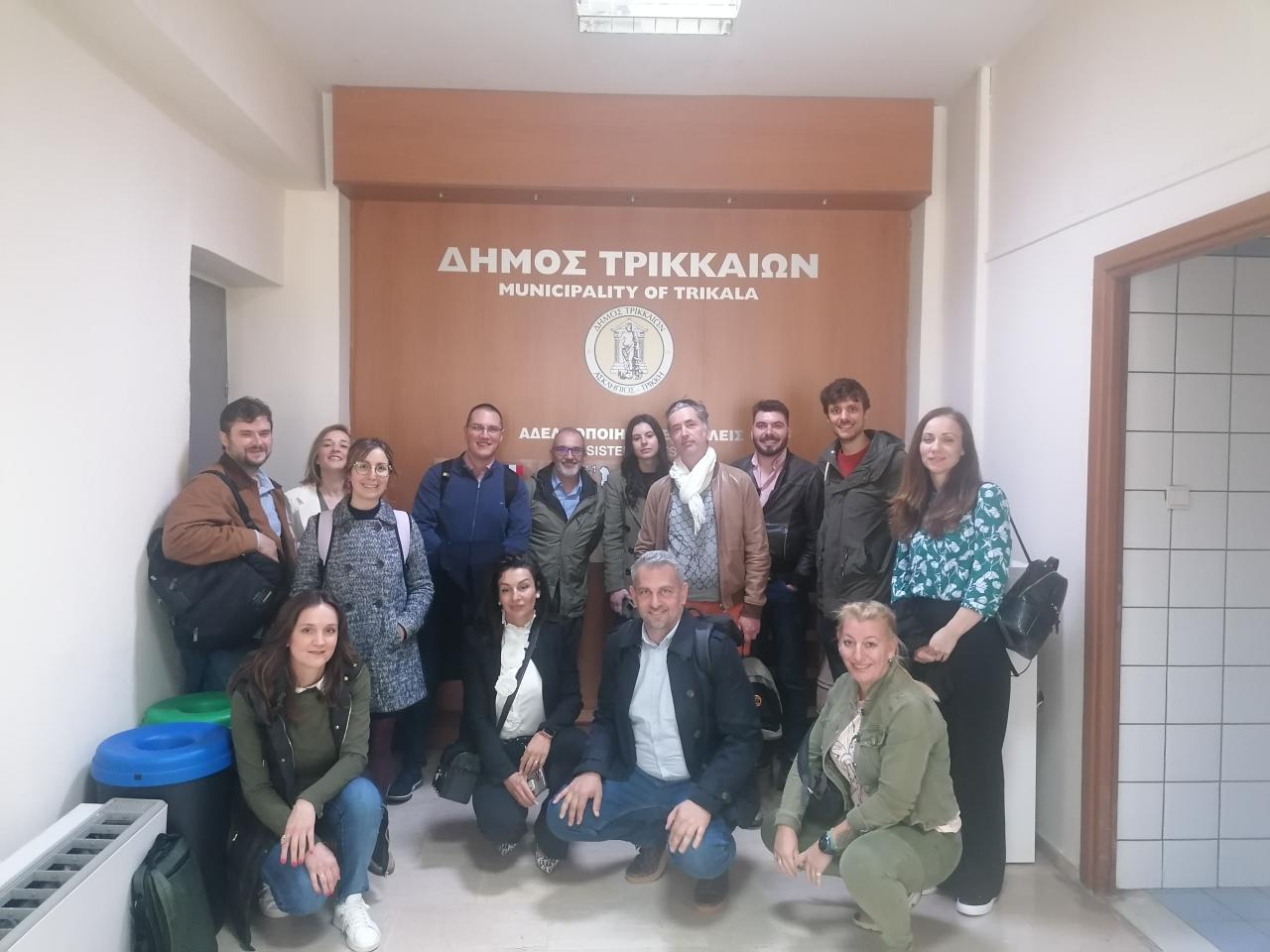
The host city, e-Trikala, provided a practical look at how technology serves the citizens. Participants visited the Control Room at the Trikala City Hall, where municipal staff demonstrated innovative applications currently in use. This visit highlighted how a "Smart City" approach isn't just about sensors, but about improving the daily lives of vulnerable populations.
Capacity building and training
A key pillar of the EmPowerIngUs project is ensuring that the technology is used by people who can make a difference. During the meeting, partners discussed the training frameworks tailored for four critical target groups:
- Healthy Housing Office Staff: The frontline workers managing energy audits.
- Referral agents: Social workers and municipal staff who identify citizens in need.
- The general public: Raising awareness on energy efficiency.
- Construction professionals: Engaging the private sector in sustainable building practices.
The Power of Big Data: The Engine of EmPowerIngUs
As the project progresses, the importance of big data cannot be overstated. For EmPowerIngUs, big data is more than a technical buzzword; it is the fundamental engine for both the evolution and the monitoring of the project. By systematically collecting and analyzing large-scale datasets, cities can move from "guessing" where energy poverty exists to "knowing" with precision.
This data-driven approach allows for:
- Evidence-based policy: Making decisions based on real-time socio-economic and energy consumption trends.
- Impact tracking: Monitoring exactly how interventions (like home retrofitting or energy subsidies) change the lives of citizens over time.
- Scalability: Ensuring that the model can grow and adapt as urban environments change.
In the fight against energy poverty, information is power. Through the EmPowerIngUs network, URBACT cities are learning to harness that power to ensure no citizen is left in the cold.