A Vision of Integrated Urban Regeneration
The exchange was centered around the EPIU (Energy Poverty Intelligence Unit), a "good practice" model developed by Getafe during a previous project, focused on tackling energy vulnerability through a blend of technology and social outreach. Rather than viewing energy as a purely technical issue, the EPIU approach focuses on the intersection of construction quality, sociodemographics and environmental solutions.
From the Streets to the Drawing Board
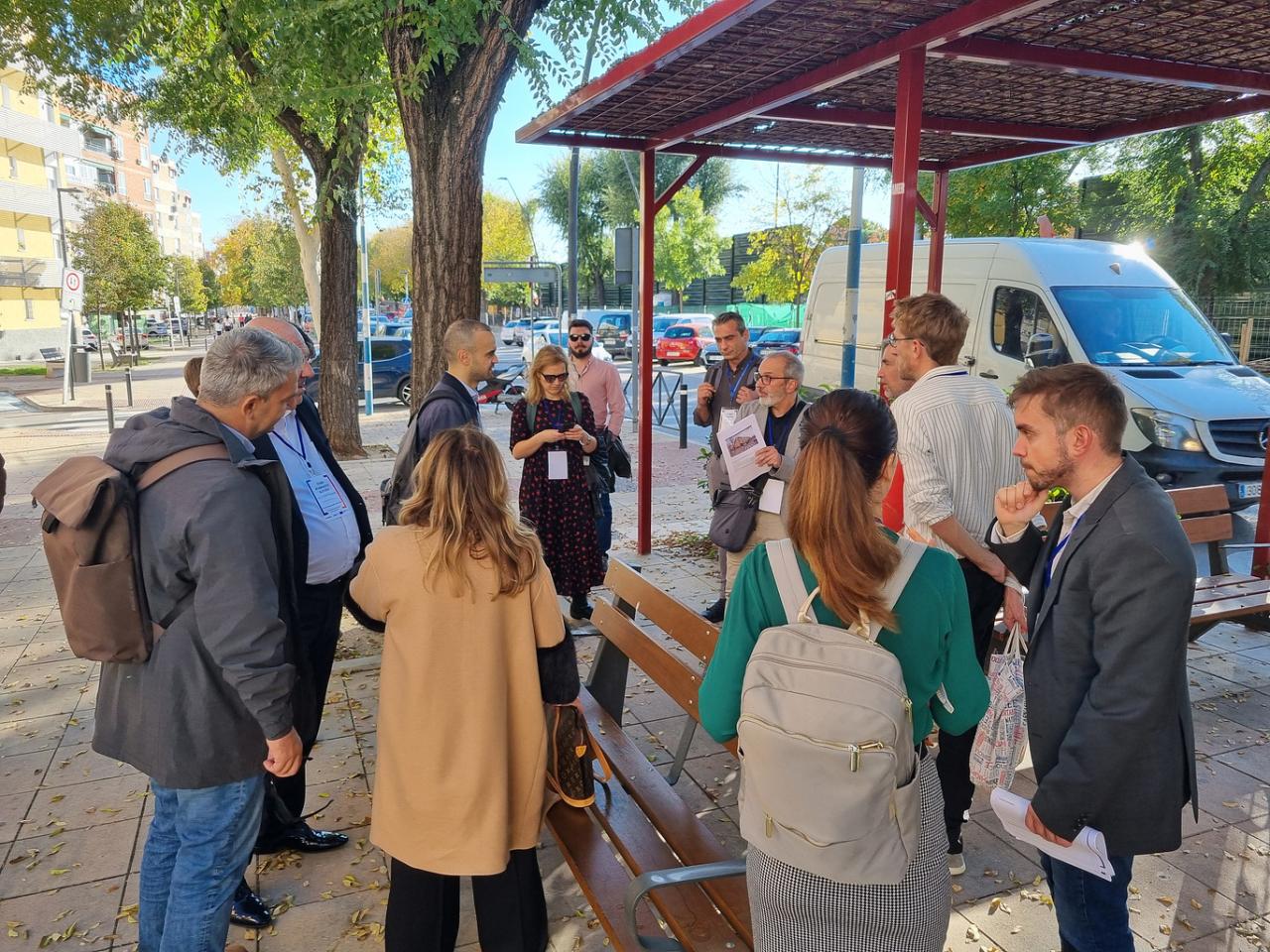
To understand the real-world impact of these policies, the delegation took part in guided explorations of local neighborhoods like Fátima-La Alhóndiga and Las Margaritas. These visits highlighted practical urban interventions, including:
- Climate Shelters and Information Points: Public spaces designed to offer respite during extreme weather.
- Building Retrofit Monitoring: Systems that track the efficiency of renovated housing to ensure long-term energy savings.
- The Bioclimatic Square: A standout feature of the Las Margaritas neighborhood, this square uses passive environmental control to mitigate the "heat island" effect. By improving the local microclimate, the square naturally reduces the heating and cooling demands of surrounding buildings.
Mapping the Future for Pomorie
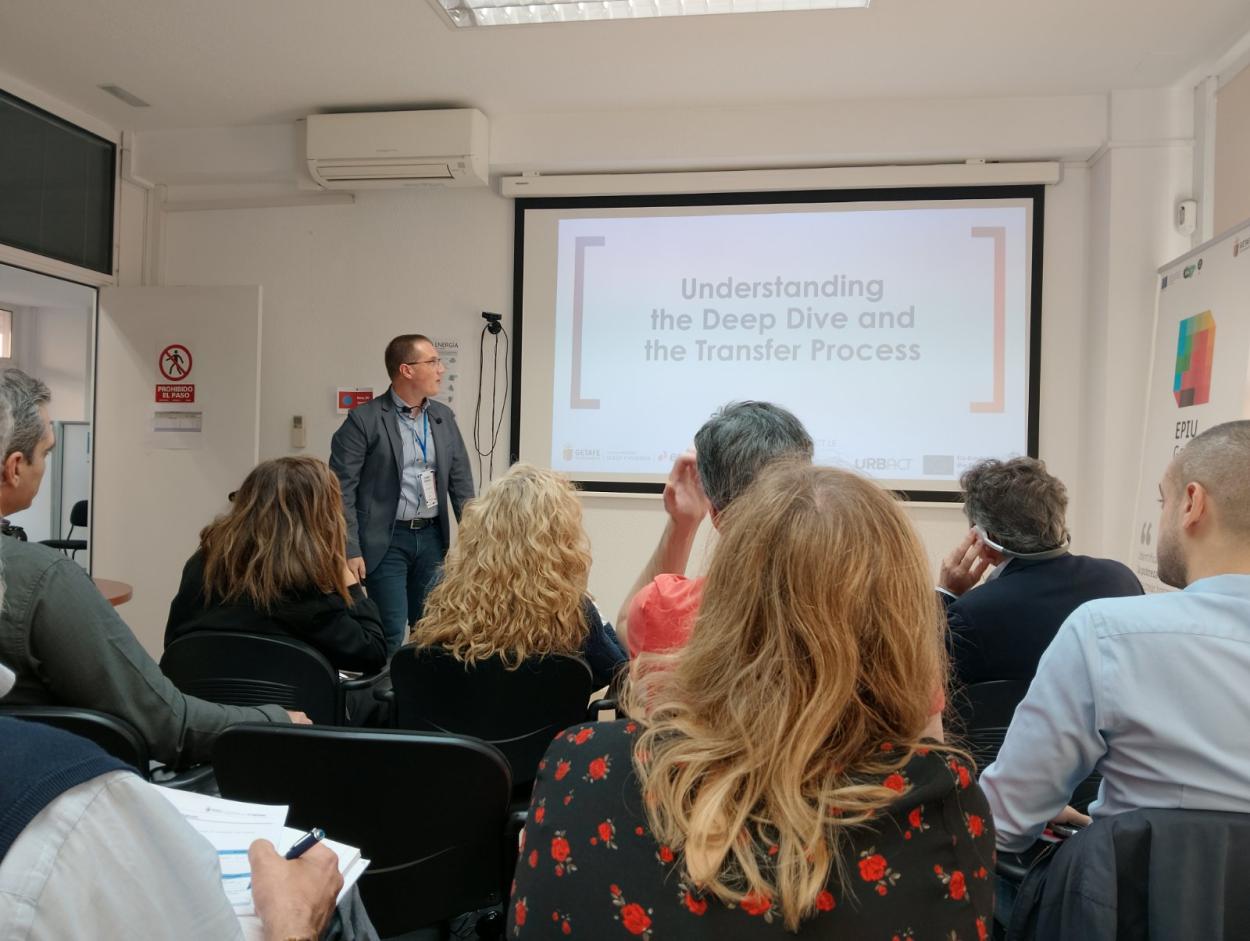
The Getafe meeting culminated in a creative "Disney Dreaming" exercise, where the Pomorie team envisioned how to integrate nature-based solutions—like the Bioclimatic Square—into their own local investment plans. These visions were quickly grounded in reality through the development of transfer city roadmaps, outlining the specific steps each municipality will take to implement Getafe’s solutions locally.
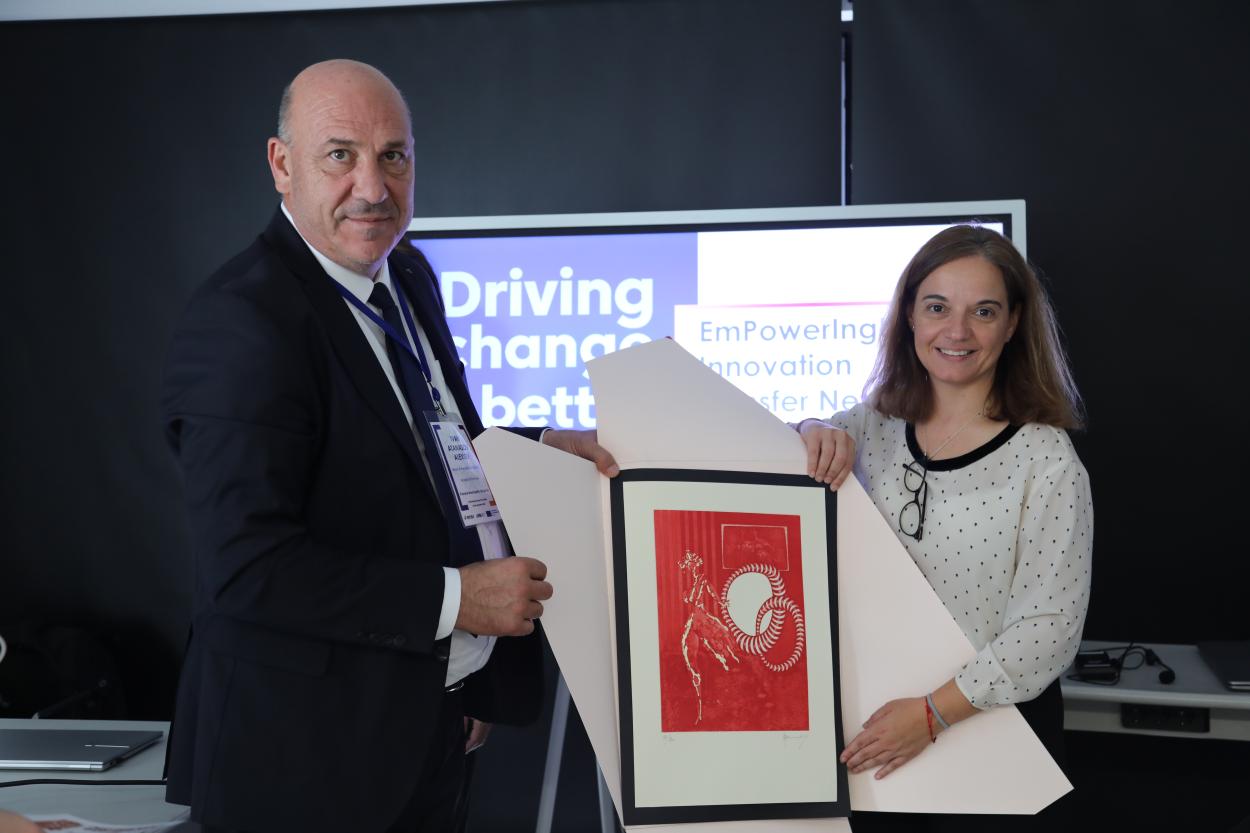
With a pledge of full support from Getafe’s Mayoress, Sara Hernández Barroso, the partners left Spain with more than just ideas; they left with a clear, actionable path toward a more energy-efficient and socially just future.