
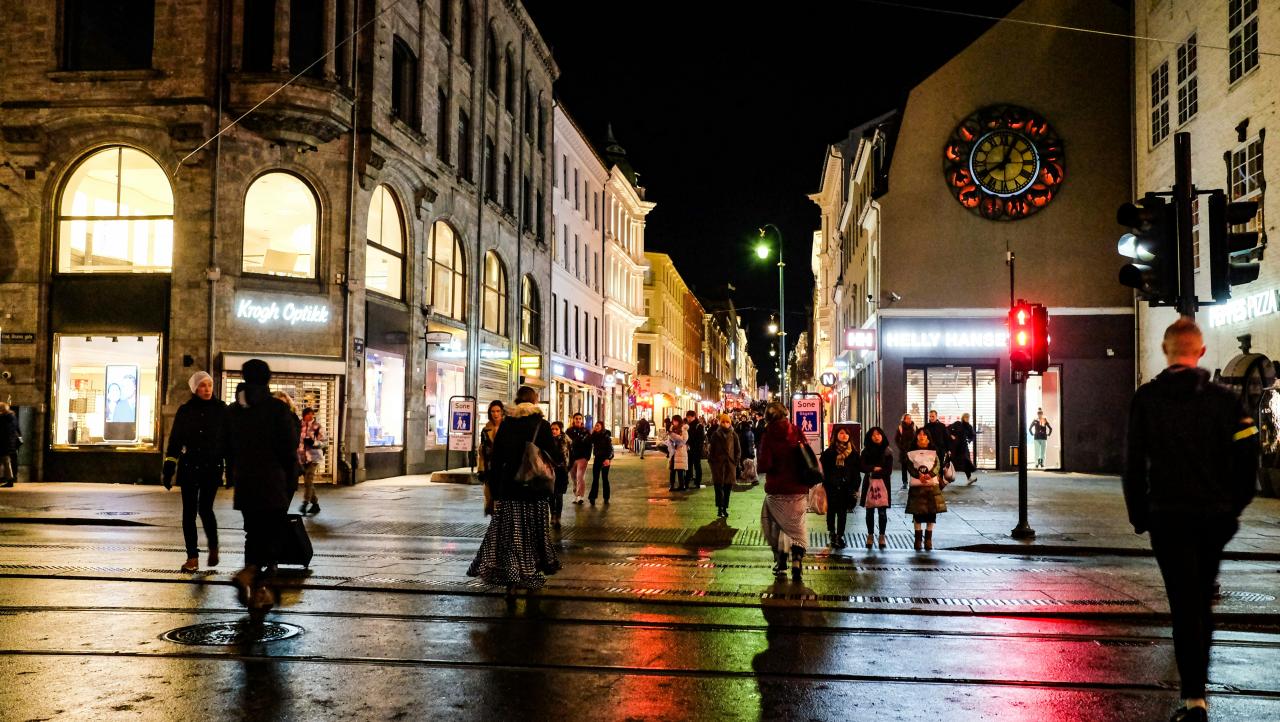
When talking about night-time economy, safety is usually one of the main concepts that comes to mind. Beyond the ancestral conception of the night as a dark and dangerous dimension, even in modern cities the night is still often associated with anti-social behaviours that disrupt the right to sleep through noise pollution, affect how public spaces are experienced, and poses challenges to how economic, cultural and entertainment activities operate and are perceived by the public.
Bringing the nocturnal dimension into the broader conversation on urban safety, a concern across all 24 hours of the day in major urban areas, means acknowledging the different factors that still contribute to a distorted vision of the night, while also exploring solutions that contribute to the revitalization of public spaces and, more broadly, to rebuilding community spirit around this controversial dimension of urban life.
Reshaping rules and services for safer nights
The co-existence of multiple economies and services between 6pm and 6am reveals the existence of a complex ecosystem that need to be mapped and understood before it can be effectively governed, in order to make cities safer and more accessible for all. Beyond the entertainment districts that often characterize city centres with their bars, pubs or cultural venues, city centres are often at the interception of other nocturnal functions: the logistics of goods for daytime retails, cleaning services or public transport constitute just some examples. Enhancing the safety of these functions is not simply a matter of CCTV cameras or sensors, but it is a community effort that, in practice, challenges the stereotypes traditionally associated with safety at night.
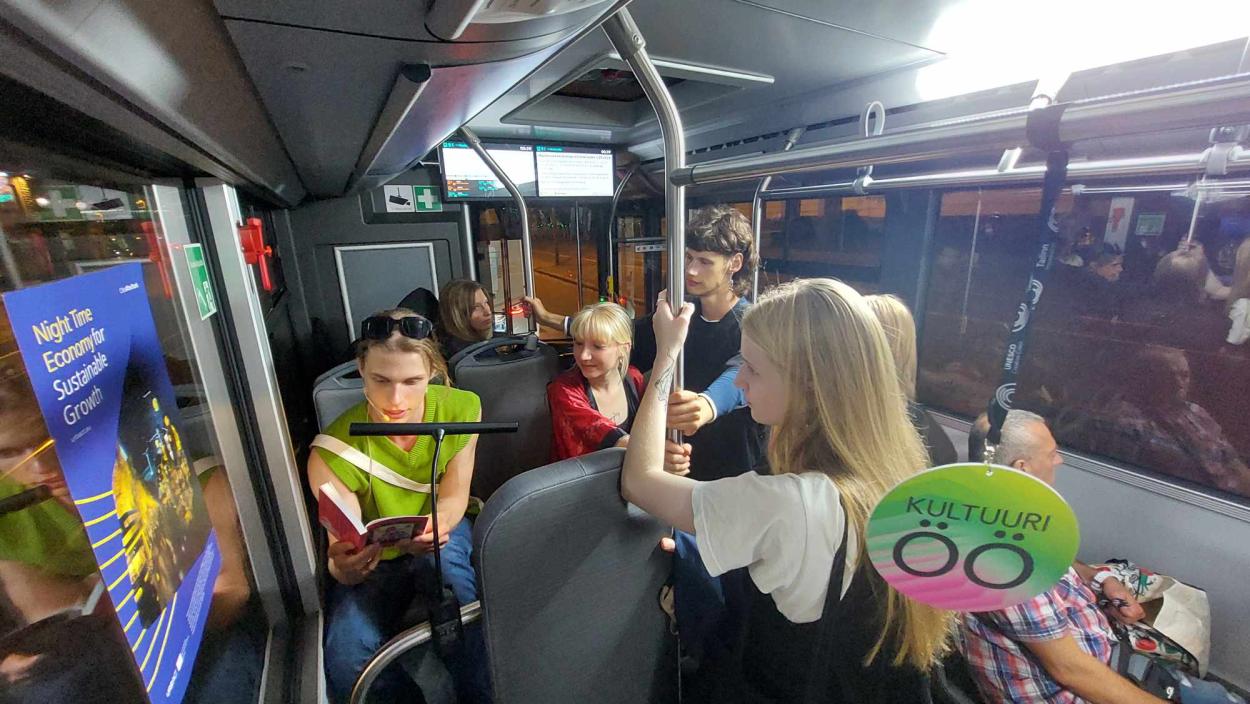
One interesting example is the recent introduction of a night bus system in Tallinn, one of the last European capitals to have lacked a proper nocturnal public transport network. Initial concerns about safety of this service quickly dissolved because of the enthusiastically positive response from nigh workers and partygoers, who started to use massively the night buses. This service was soon extended to new lines and additional days of the week well beyond the weekend days originally planned. When bus drivers were asked about the main safety concerns that emerged from the first operational months, their main observation was that passengers were simply, on average, louder and happier than the daytime crowd.
Acting on different dimensions to solve conflicts over the use of public spaces
The introduction of stricter licensing rules or restrictions on the alcohol consumption in public spaces is often proposed as a possible solution to enhancing safety at night. However, improving the perceived quality of public spaces in nocturnal hours goes well beyond addressing the causes of anti-social behaviours but it goes to the heart of how cities are planned and governed. The development of zoning policies that extend permitted hours for cultural and business activities requires new forms of collaboration with residents, who know the characteristics of their neighbourhood and need to negotiate practical technical solutions that can be mutually adopted by businesses and property developers, including soundproofing solutions for reducing noise in nocturnal hours. The introduction of the Agent of Change principle in London and many other UK cities is inspiring other European cities to adopt a similar mechanism, which places the costs of soundproofing on developers when new residential development takes place in areas with pre-existing night-time activities.
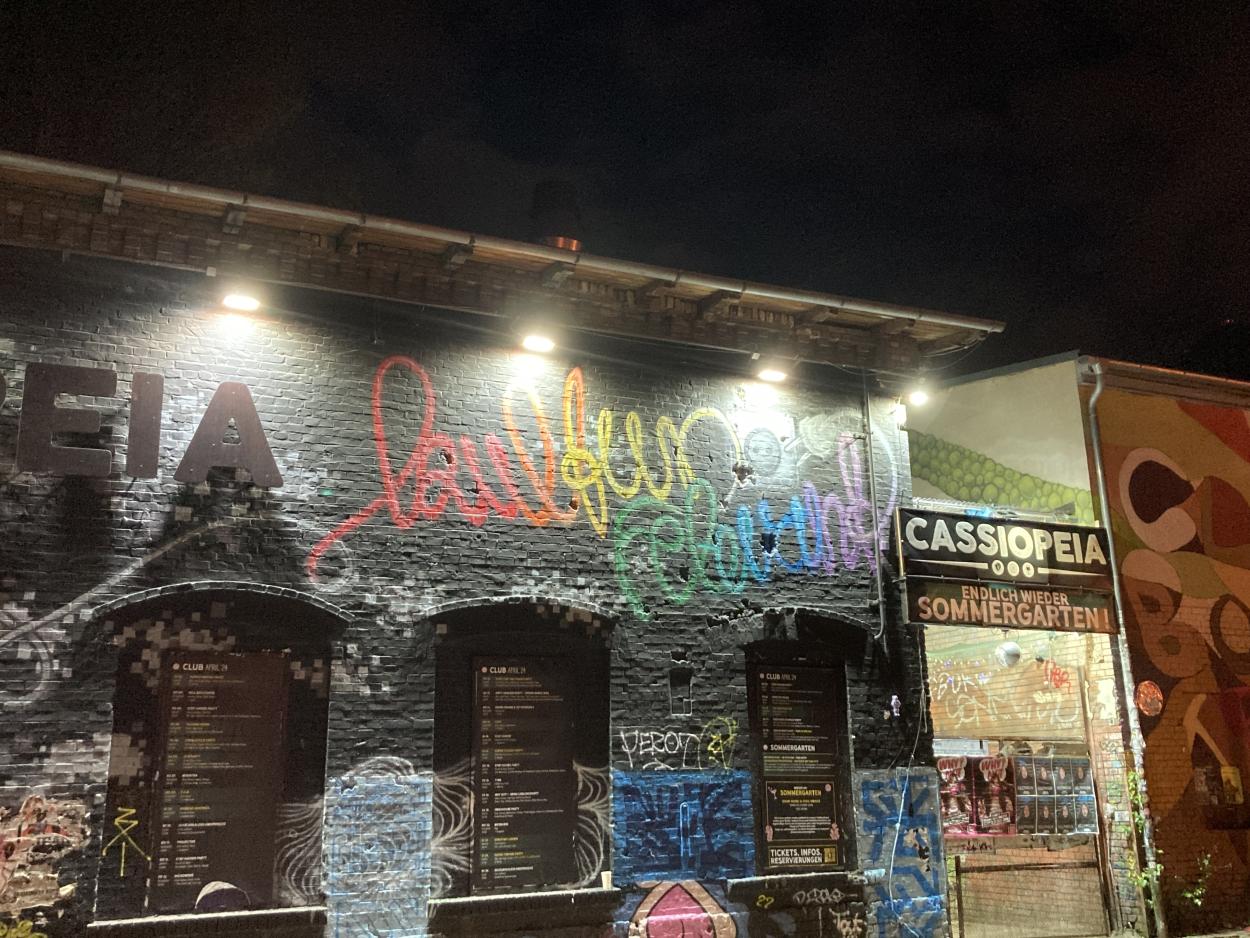
However, the coexistence between this principle and existing regulations might be politically and legally challenging. The introduction of mediation services, such as the ones provided by Berlin’s Club Commission (the umbrella organization representing and advocating for club culture and nightlife sector) to protect clubs threatened by new residential development, can contribute to community cohesion and reduce conflicts that are frequently associated with a reduced sense of safety at night.
The integration of night-time governance with other urban policy areas, like lighting design and the management of green spaces and public parks, is another sensitive but important dimension. A wiser management of spaces often perceived as dangerous or unsafe can significantly improve the sense of safety. Rethinking the opening hours of parks and how they are organized and experienced by different audiences, taking the needs of all into account, is crucial not only for improving usability and safety but also for positioning the spaces as opportunities for enhancing community spirit, particularly during summer months where higher temperatures draw people outdoors in search of fresh air and social connection.
Better night-time economy for safer cities: lessons from CITISENSE
Enhancing the nocturnal dimension of public spaces to improve the sense of safety is also the focus of several testing actions within CITISENSE, that draws knowledge and inspiration from other networks like Cities After Dark which paved the ground for the development of collaborative approaches to nocturnal governance. The reactivation of spaces like the Tinanios Garden in Piraeus is opening up new possibilities for use also after dark, through a reinforced mechanism of collaboration with NGOs and institutions that make up the city’s safety committee.
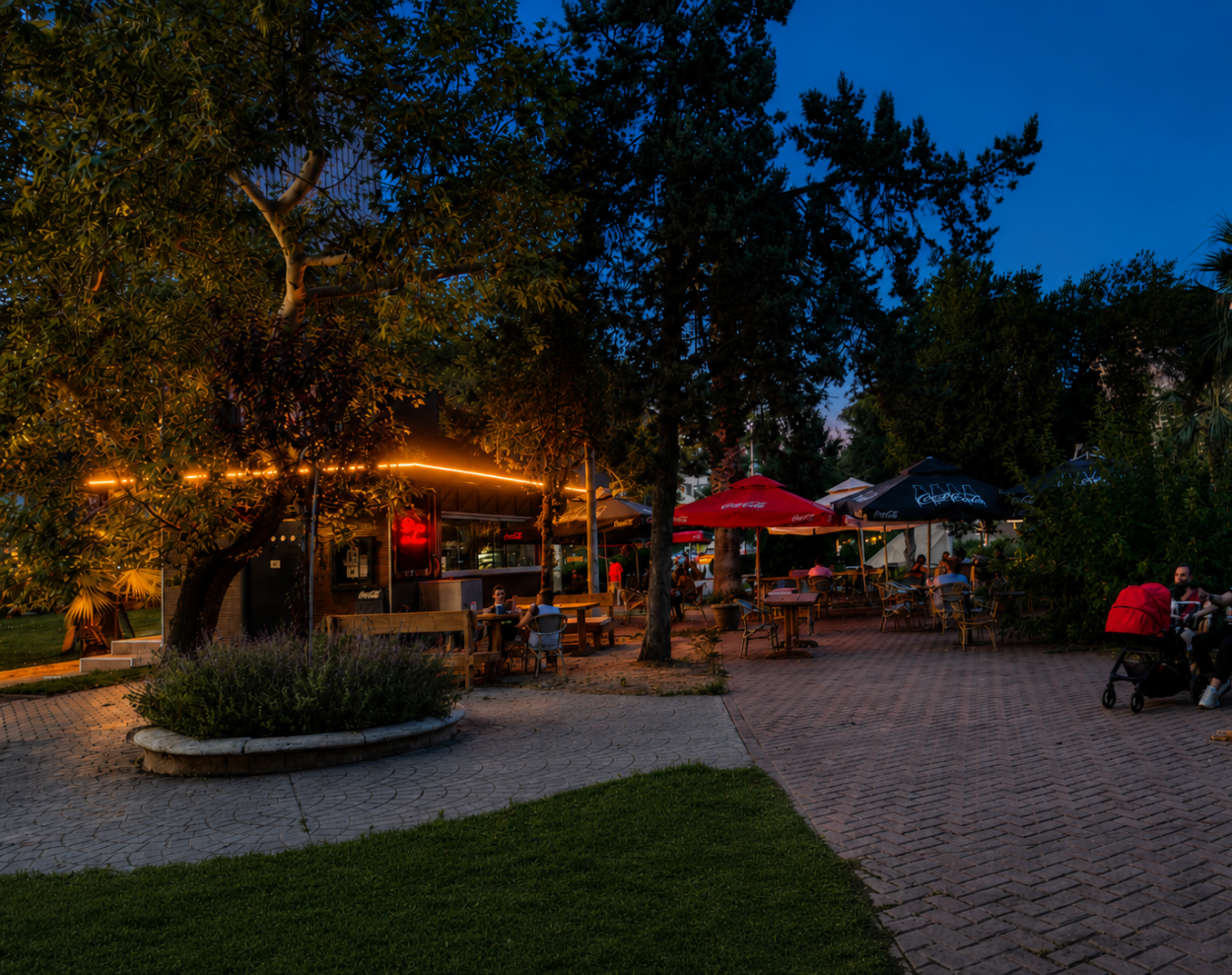
The organization of dance classes and concerts in this public park, located near the port area but far from the city’s traditional night hotspots, is an interesting example of how diversification of nocturnal activities can revitalize also neighbourhoods not traditionally associated with safety at night. Acting at the intersection of different planning frameworks and community projects, this space demonstrates that safety can be collaboratively created when all the parts of a local community feel included in the conversation.
This concept was also powerfully highlighted during the night study visit to Naples’ city centre organized as part of the CITISENSE transnational meeting last January, which led partner cities to explore how night-time economy is contributing to the revitalization of areas near the central railway station, a zone considered unsafe for decades.
The cultural programming and the clubbing movement that has grown around venues like Made in Cloister contributed to reverse the stigma attached to this area, also through the active collaboration among night stakeholders and with the neighbourhood associations and residents who perceive these activities not as a disturbance but as a contribution to the renewal of the area.
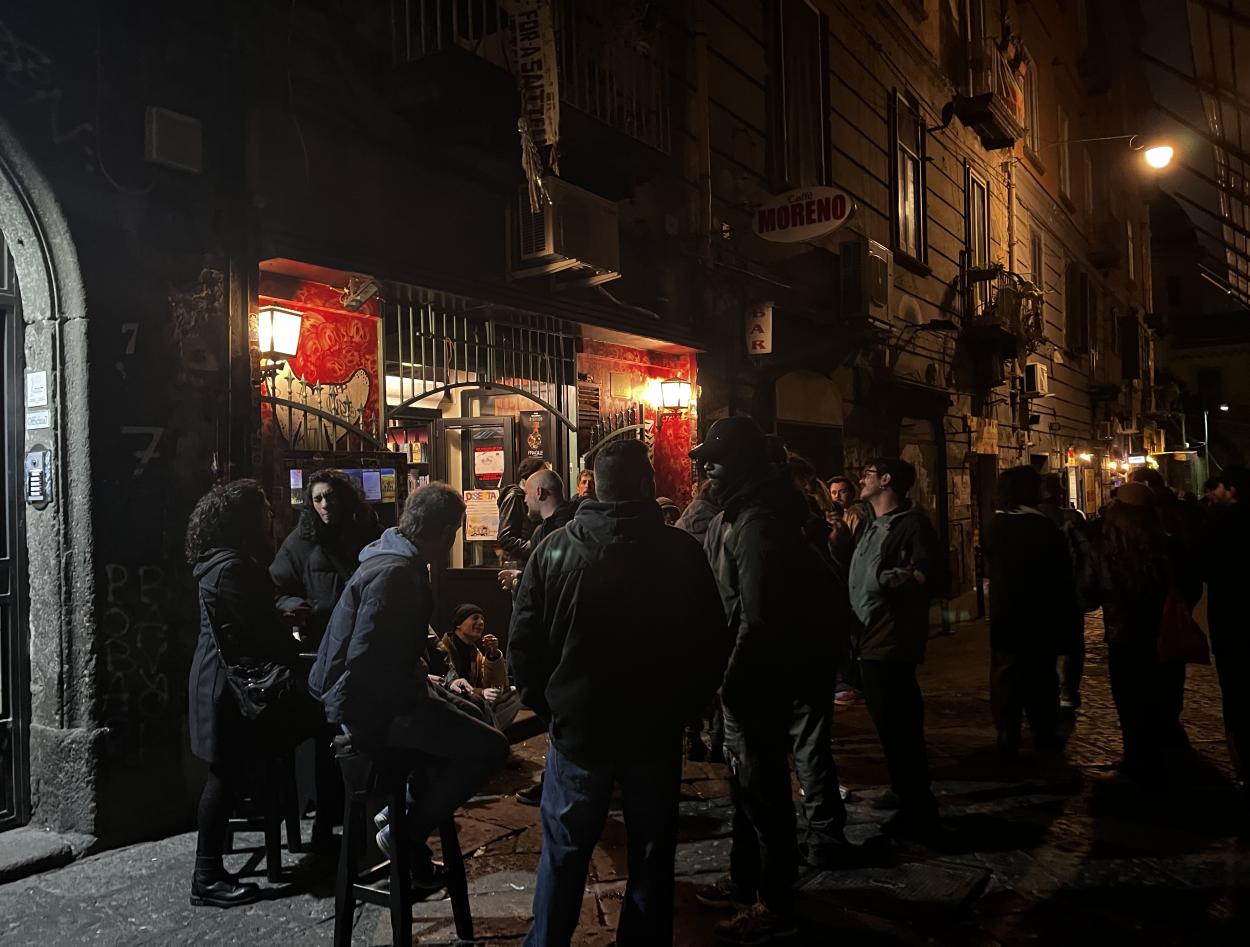
Even in nightlife areas where conflict with local residents over nocturnal disturbance has been more pronounced, the promotion of experiences such as late-opening of art galleries or listening bars can contribute to elevate the profile of the night-time activities and foster a sense of safety among nocturnal users and local residents when the collaboration with business owners and cultural actors is in place.
As highlighted by several activities of CITISENSE, the human factor is the crucial element in making cities safer. This is especially true at night, where collaboration among people can challenge stereotypes and misconceptions and foster a spirit of shared ownership that enhances the full enjoyment of the right to the city at night for all.