
As Lead Partner, the City of Ostrava, together with Lead Expert Daniele Terzariol, carried out study visits in all partner cities between February and May 2026. These visits were designed not only as opportunities for presentation of the Ostrava´s grant programme, but primarily as in-depth learning processes. Their main objective was to understand the specific local contexts in which the transferred good practice Tvoříme prostor (“We Create Space”) will be implemented.
In Koszalin, the first visit of the series, the team met with key city representatives and discussed shared challenges, such as the outflow of young residents and the need to enhance the quality and attractiveness of public spaces. The visit also included an exchange on participatory budgeting projects, such as a multifunctional “city sign” and a local salt graduation tower, as well as the planned revitalisation of key central areas.
In Bucharest District 6, the visit highlighted the challenges of high population density and the resulting pressure on public services and the quality of public space. The team was introduced to the district’s long-term development framework and visited several neighbourhoods where large-scale public space improvements are underway, particularly under the “city as a park” concept, which combines green-blue infrastructure, the regeneration of inner-block spaces, and improvements to residents’ quality of life.
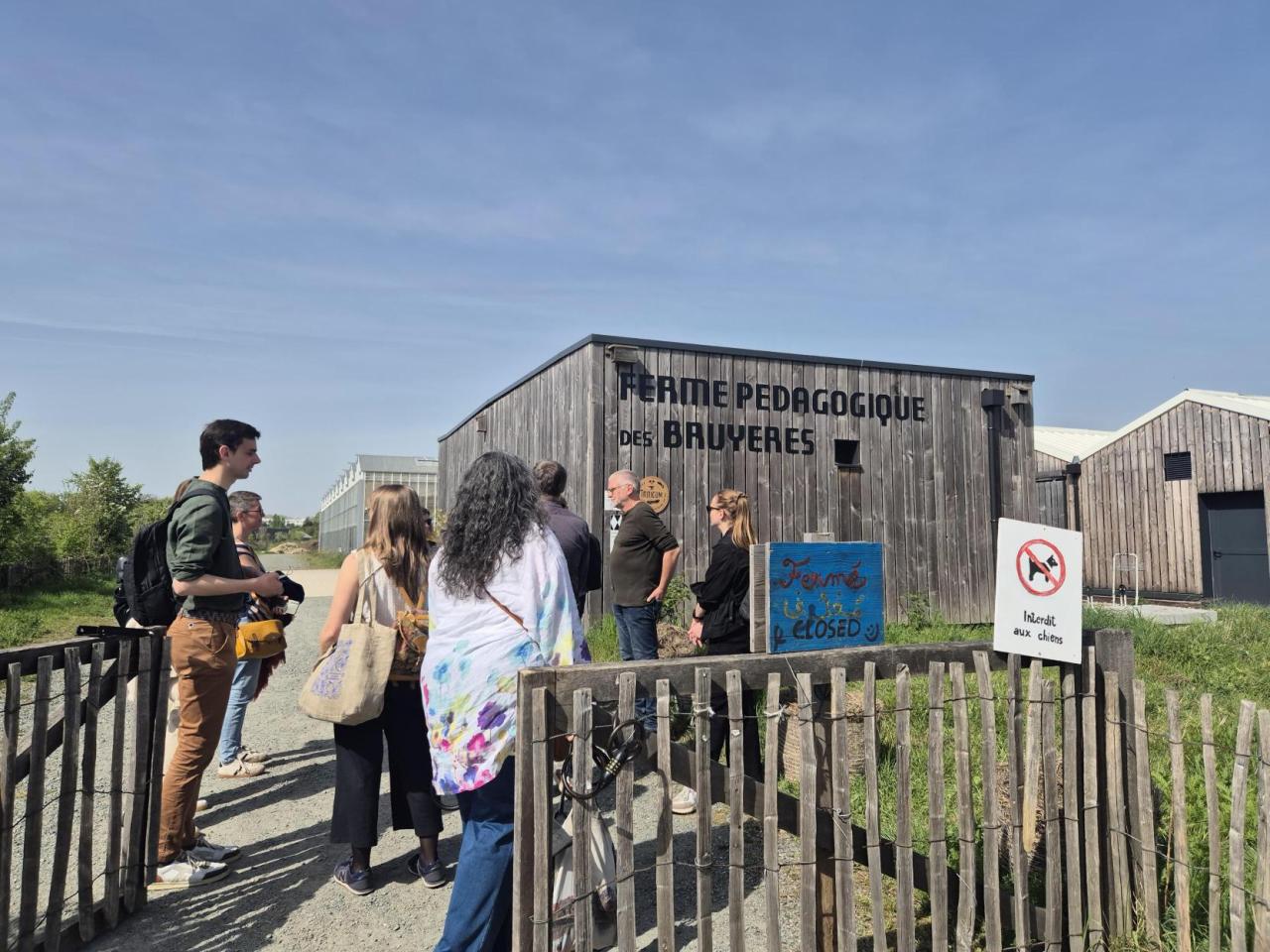
In Rouen, attention was given to participatory governance tools and community engagement practices. The visit included discussions on participatory budgeting and local development strategies, as well as site visits to regenerated public spaces and community-oriented sites such as a park, an educational farm, and a brownfield conversion project with strong citizen involvement.
In Pescara, the city visit revealed the complexity of combining environmental challenges with urban regeneration. The team explored coastal and riverfront areas undergoing transformation, as well as socially challenged district requiring targeted interventions. Strong political engagement and interest in participatory approaches were also key features of the visit.
In Niš, the focus was placed on climate resilience and community-driven urban initiatives. The city demonstrated a strong bottom-up energy, with projects addressing urban heat islands, green infrastructure, and public space revitalisation. Visits to community hubs and parks illustrated how local actors actively shape urban development.
In Granollers, the final visit, the team observed a highly developed system of participatory planning and citizen involvement. The city presented its strategic planning framework, participatory forums, and innovative governance tools. Site visits included locations where participatory budgeting projects are implemented such as neighbourhood regeneration sites, educational facilities, and long-term projects connecting mobility, public space, and social inclusion. The programme also included a visit a former textile factory transformed into a cultural centre.
Across all partner cities, common themes emerged: the need to strengthen public participation, improve the quality and accessibility of public spaces, and build trust between municipalities and residents. At the same time, each city demonstrated unique conditions, governance structures, and development priorities.
The knowledge gathered during these visits forms the backbone of the Transferability Study. This document not only analyses the potential for transferring Ostrava’s good practice but also identifies necessary adaptations to ensure its relevance and effectiveness in diverse urban contexts.
As the UNDERSTAND phase is gradually coming to an end, the network is preparing to enter the next project stage, the ADAPT phase. During this following stage partner cities will begin shaping tailored versions of the We Create Space approach. The strong relationships, shared understanding, and mutual trust built during the city visits provide a solid foundation for this next step.