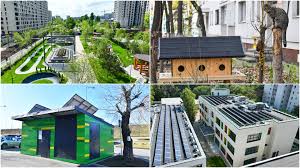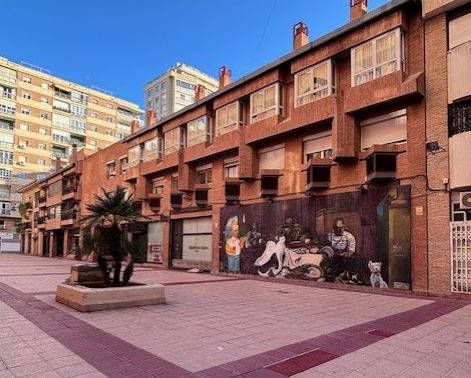
The first visit took place in Murcia, Spain, where partners learned about the city’s previous experiences with tactical urbanism projects such as Urban DNA and South Connection. Murcia highlighted strong political commitment to participation and civic engagement, while also addressing challenges related to unequal public spaces, climate vulnerability, and fragmented neighbourhoods. The city aims to strengthen residents’ sense of ownership and responsibility towards public spaces through the TactiCity project.
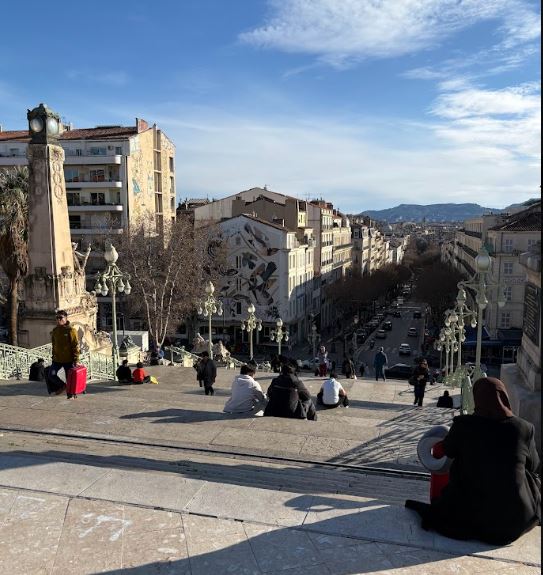
In February, the partnership visited Métropole Aix-Marseille-Provence. The city faces significant challenges including degraded public spaces, lack of urban amenities, and gender inequalities in the use of public space. The local administration works closely with the Cabanon Vertical collective to implement transitional urban planning approaches focused on inclusivity and community-based transformation.
The first Transnational Network Meeting was held in Milan in March. The meeting focused on understanding the URBACT framework, strengthening collaboration among partners, and exploring Milan’s “Piazza Aperte” good practice. Through presentations and site visits, participants discovered several tactical urbanism interventions, including projects around schools and neighbourhood spaces where local communities actively contribute to both design and maintenance.
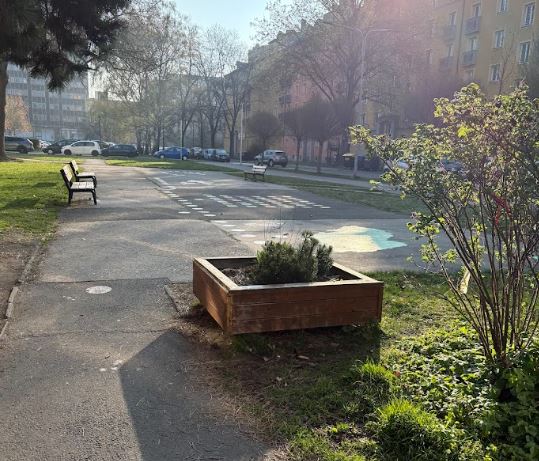
In April, the network visited Ostrava, a city strongly shaped by its industrial heritage. Despite ongoing challenges linked to post-war urban structures and insufficiently inclusive public spaces, Ostrava has developed a strong culture of participation and co-creation. MAPPA, the city’s urbanism and architecture office, plays a key role in promoting accessible, safe, and socially inclusive public spaces.
The fourth city visit brought partners to Hegyvidék, Budapest’s 12th District, in May. The district is recognised for its leadership in green infrastructure and sustainability-oriented projects. Through the TactiCity project, the local Participation Office aims to test temporary and tactical interventions that can both support long-term urban development and strengthen citizen involvement in shaping local spaces.
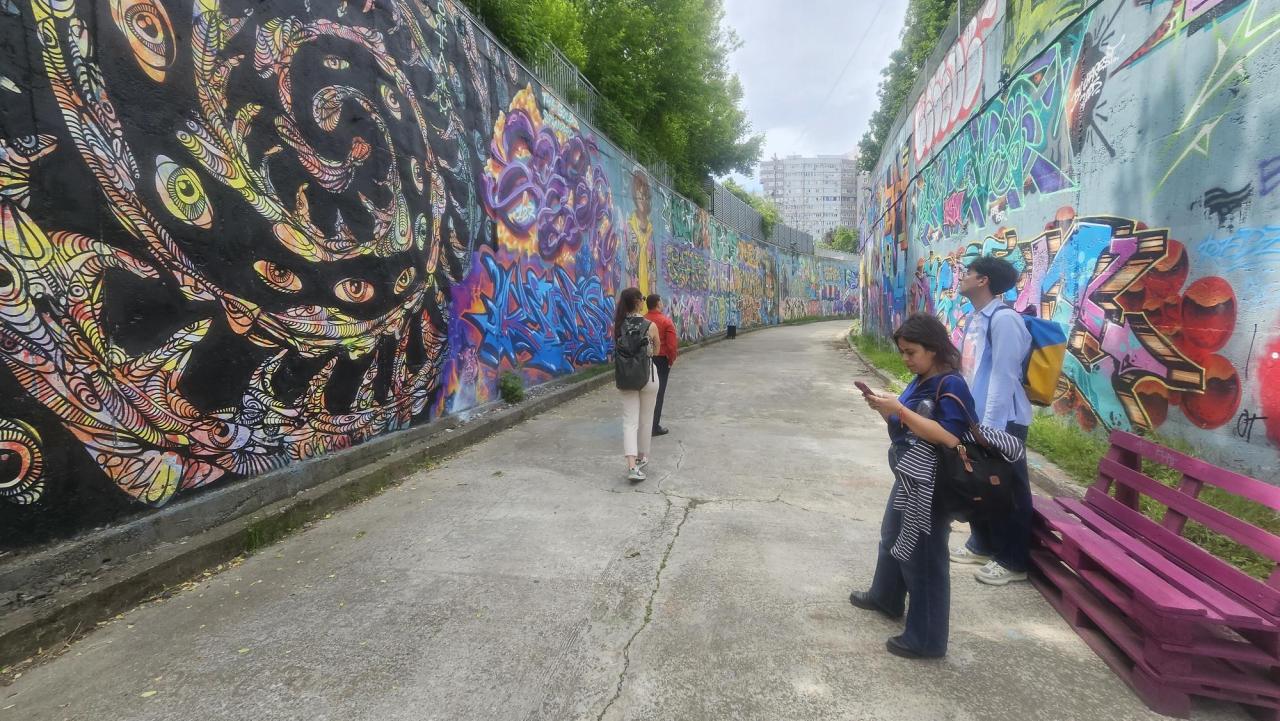
The final visit took place in Bucharest’s 6th District. The area is currently undergoing rapid public space transformation through projects such as Favorit+, which seeks to turn a renovated public square into an active social and cultural hub. While the district contains many green spaces, challenges remain regarding accessibility, usability, and the dominance of car-oriented infrastructure. Local authorities, together with Studio6, are working to create more liveable, inclusive, and pedestrian-friendly urban environments.