
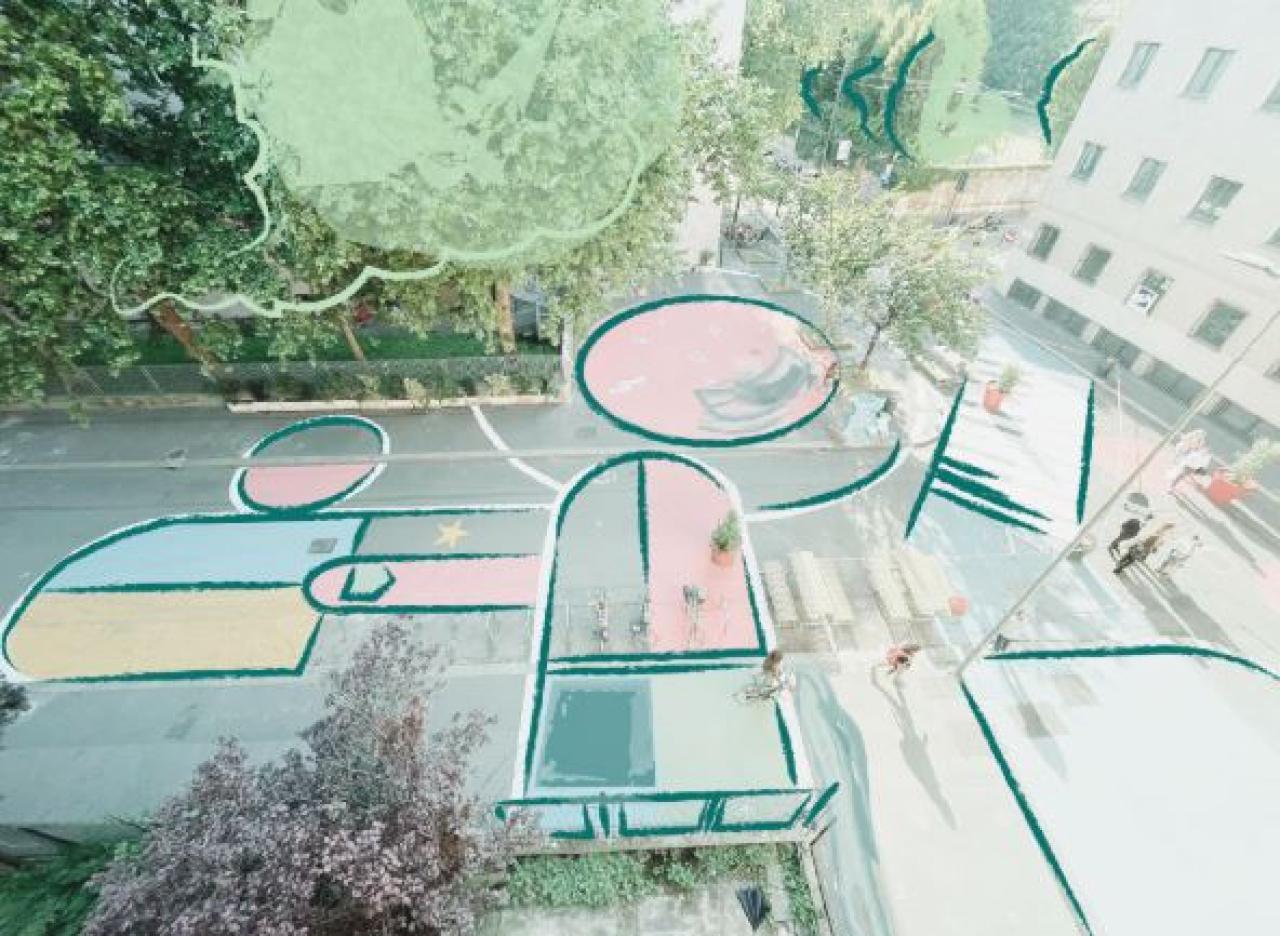
Who are public spaces really for – people or cars?
At first glance, the answer seems self-evident. Yet both our everyday experiences and the evidence emerging from partner cities - through data, observations, and structured urban analysis - suggest otherwise. Regardless of their size or geographical context, cities have undergone a profound process of motorisation. The convenience of private car use, combined with the symbolic and identity-building role that cars have gradually acquired, has fundamentally reshaped the way urban space is organised. As a result, much of the contemporary urban fabric functions primarily as an extensive parking lot or a network of traffic corridors, rather than as a place designed for people. This reality has become so deeply embedded in everyday life that it is now widely perceived as the natural order of cities - an unquestioned norm that, only a century ago, would have been almost unimaginable.
The human dimension of cities has gradually become secondary. Public spaces are no longer freely accessible places for everyday life and social interaction, while physical safety is increasingly associated with enclosed private environments rather than with the public realm. Likewise, the natural environment is often treated as subordinate to housing and motorised mobility. These trends are reflected in measurable indicators like declining environmental quality and non-preferred active mobility resulting in increasing spatial inequalities.
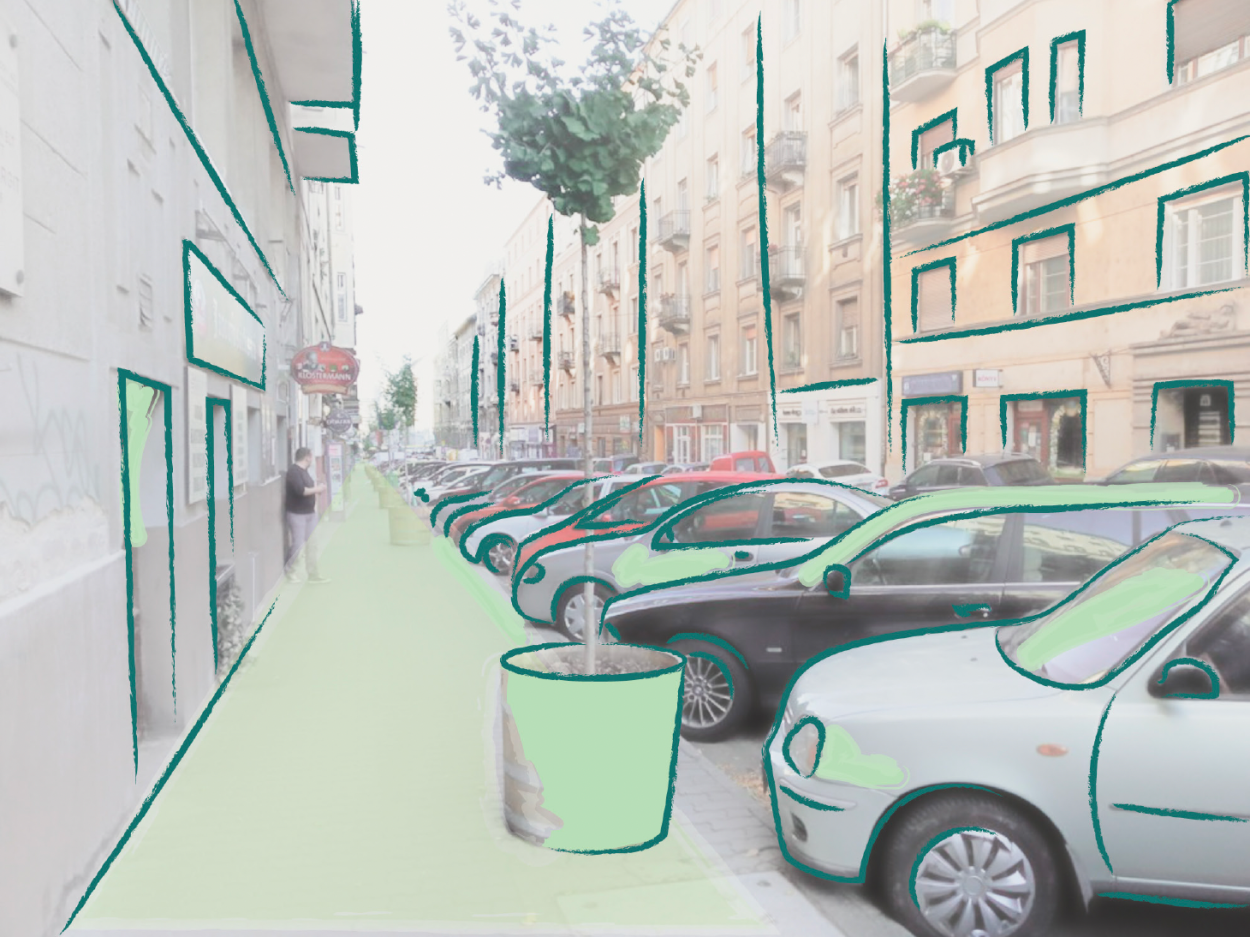
Beyond these quantifiable impacts lies another, less visible but equally significant consequence: the disappearance of community life. As streets and squares lose their social function, cities also lose the settings that enable spontaneous encounters, non-commercial social activities, collective initiatives, and everyday participation in shaping public space.
It is precisely these interconnected challenges that gave rise to the Good Practice at the heart of this network. Throughout the TactiCity partner cities, despite their different scales, governance structures, and geographical contexts, remarkably similar patterns emerge to Milan’s. These six European cities have embarked on this shared endeavour to fundamentally, yet incrementally, reshape the unwritten norms governing urban public space.
They aim to reinterpret and adapt the Good Practice’s distinctive transfer building blocks to their own local contexts:
- Ostrava from the Czech Republic with its post-industrial heritage,
- Igoumenitsa as one of the largest transport hub in Greece
- Aix-Marseille-Provence Metropolis (AMP) from France targeting Marseille and the emerging social segregation
- Budapest 12th District from Hungary with its double identity of forest and densely populated areas
- District 6 of the Bucharest from Romania going to a post-socialist transition
- and Murcia from Spain with an extreme climate vulnerability
to respond to their specific challenges, opportunities, and community needs.
What Has the Transfer Journey Taught Us so far?
On the one hand, it has shown us the meaning of tactical urbanism, as a concept widely known but it is far less straightforward than we might initially think. Many things can be considered tactical urbanism, from guerrilla interventions to pop-up events, yet understanding what tactical urbanism in Milan actually is, what its essence is, remains a challenging process, especially when the building blocks of the Good Practice challenge the deeply rooted, inherited interpretations.
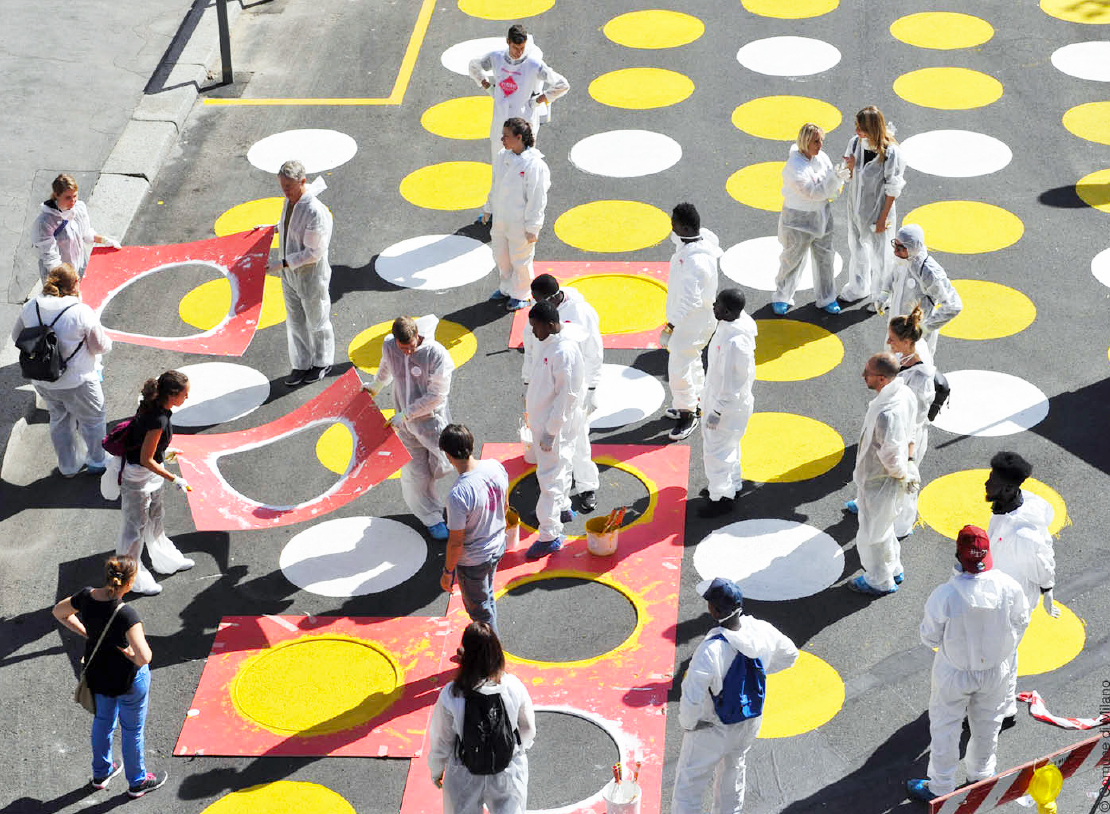
Another important learning point is participation and its practical manifestation. Participation, as a term that permeates urban projects at the level of expectation, is widely used. Everyone applies it to different degrees and with different levels of depth, yet the culture of participation, the demand for it, and its implementation are at different stages in each partner city. Milan has introduced into our shared understanding of reality a participatory process which, although not a co-design process in the classical sense, starts from one of the strongest levels of participation - proactive ownership - as its point of origin, and then formalises this commitment through the signing of a Collaboration Pact. This gesture represents a step that shifts the emergence and the essence of tactical urbanism towards communities.
Is Tactical Urbanism Still Relevant?
As is well known, tactical urbanism is fundamentally understood as temporary, small-scale, and low-cost physical interventions, most often recognised as bottom-up initiatives. This brings us to one of the most frequently discussed questions surrounding TactiCity and the Piazze Aperte Good Practice itself: can something still be called tactical when it begins to operate as a strategic tool initiated by city leadership and municipal government? As an informant that, through a structured methodology, generates knowledge about how urban public spaces function and how communities react, becoming the evidence-based foundation for the long-term transformations required for change. Temporariness, therefore, is not the objective, but rather a research, experimentation, and awareness-raising tool, as well as a method. Acquiring new knowledge about the urban fabric is just as important - if not more important - motivation than the new space or public square that is ultimately created.
Experiment, Transformation, Trial and Error
Experimentation and research, or even the creation of an interim liminal condition embedded within a conscious design process (transition design), can all operate under the umbrella of safe trial and error: producing relatively rapid and visible transformations, yet never to such an extent that the possibility of "reversibility" cannot mitigate them. The greatest advantage of this approach is that it allows solutions to be tested in an experimental public space where there is always the possibility of withdrawing commitment. This can reduce political, financial, and above all social risk.
Tactical urbanism integrated into the urban planning process can be interpreted in two ways under the concept of transition. On the one hand, it refers to an urban place where the intention to transform already exists, and which temporarily takes on public space functions it did not previously possess (street closures, creating public squares, temporary furniture, games, etc.). If the development process allows, this provides designers with valuable information about how the space is used, thereby shaping the final masterplan. On the other hand, it gives function to a previously functionless site, transferring knowledge to residents by challenging their individual perceptions of space use in practice (for example, car use versus a citizen-centred city), while ensuring that the area does not remain abandoned in the meantime.
The Continuously Learning City
It can therefore be said that one of TactiCity's major discoveries and increasingly reinforced ideas is that tactical urbanism is not exclusively an urban design method, but rather a learning method.
Learning is a process rather than a fixed moment in time, and it can take place on several levels:
- the city (at an abstract level, but also at the level of the municipality, designer, and urban maintenance departments) learns about local communities, residents, their needs, and the ways in which public spaces are used;
- communities learn about participation, which, due to the speed, directness, and bottom-up nature of tactical urbanism, can immediately produce tangible change;
- the municipality learns about collaboration between departments, with professionals, with the civil sector, and, last but not least, with the city's residents.
Now More Than Ever
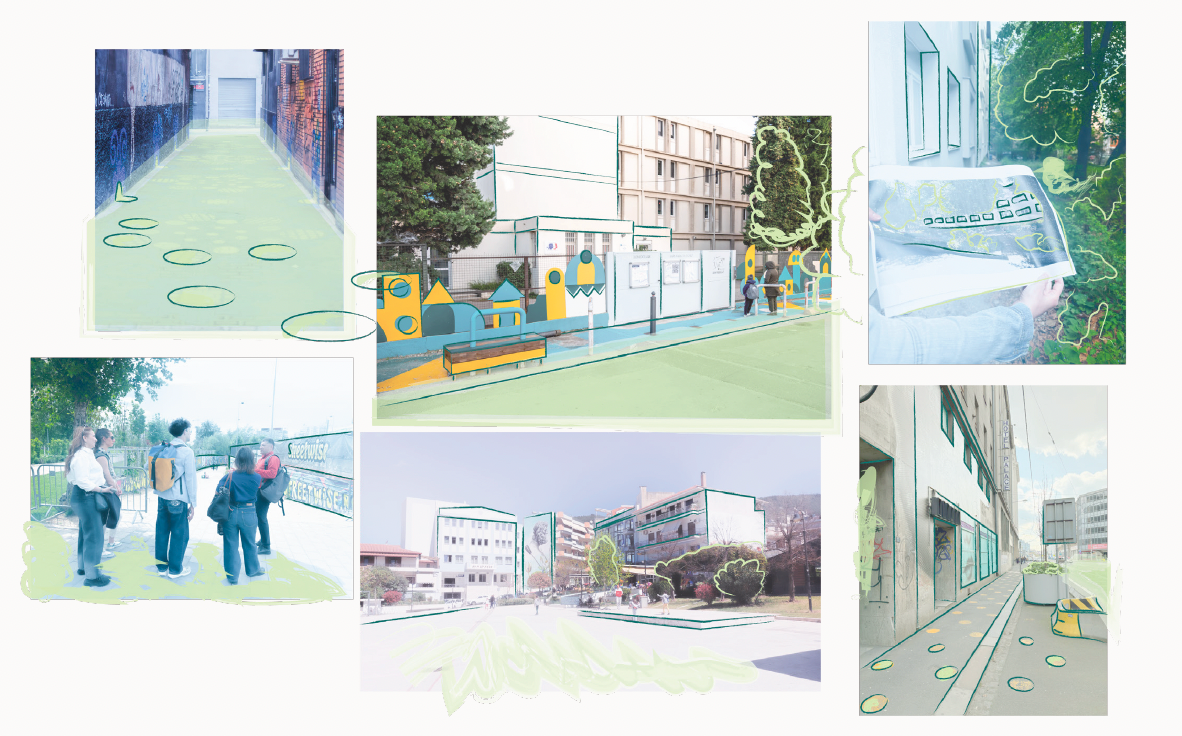
As we are living through a continuous series of micro-crises, turning back towards communities, making municipal governance more citizen-centred and adaptive, strengthening the service-oriented nature of political decision-making, and giving the city back to living organisms are the only directions that can locally contribute to mitigating climate change, reducing economic uncertainty, overcoming social polarisation, and creating the idea of a continuously learning civic city. Our cities need tools that are adaptive, evidence-based, capable of incorporating feedback, and balanced along the axis of speed and participation.
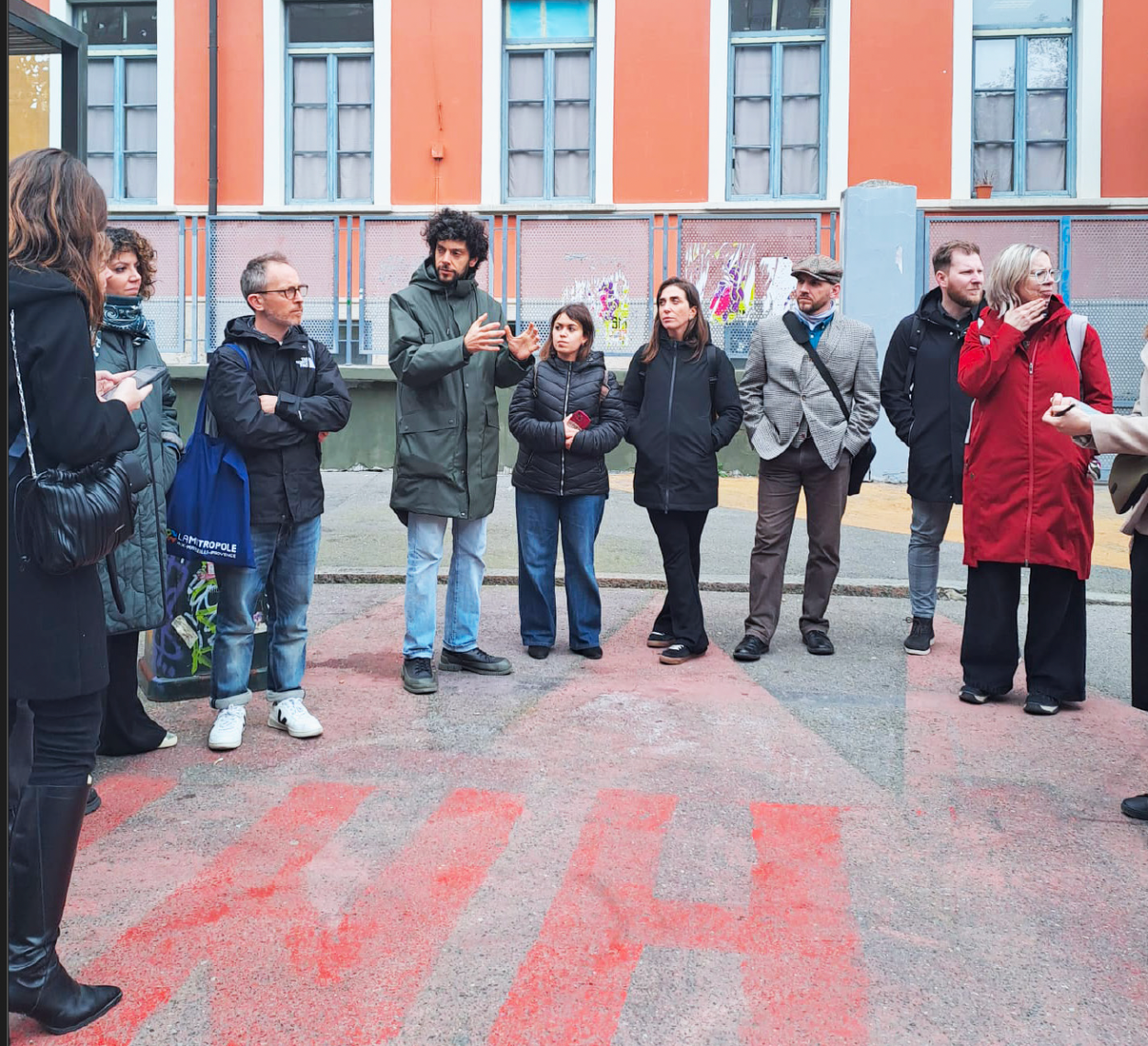
This is what tactical urbanism can do and bring to the table. It is not an alternative to long-term urban design development, but rather its prerequisite and its outcome. At the spatial level, it communicates the possibility of change and transformation. It mobilises local communities, meaning that during the adaptation process the greatest challenge is not the design, the painting, or the traffic interventions themselves, but ensuring that the newly created public place is for residents and has been created together with them.
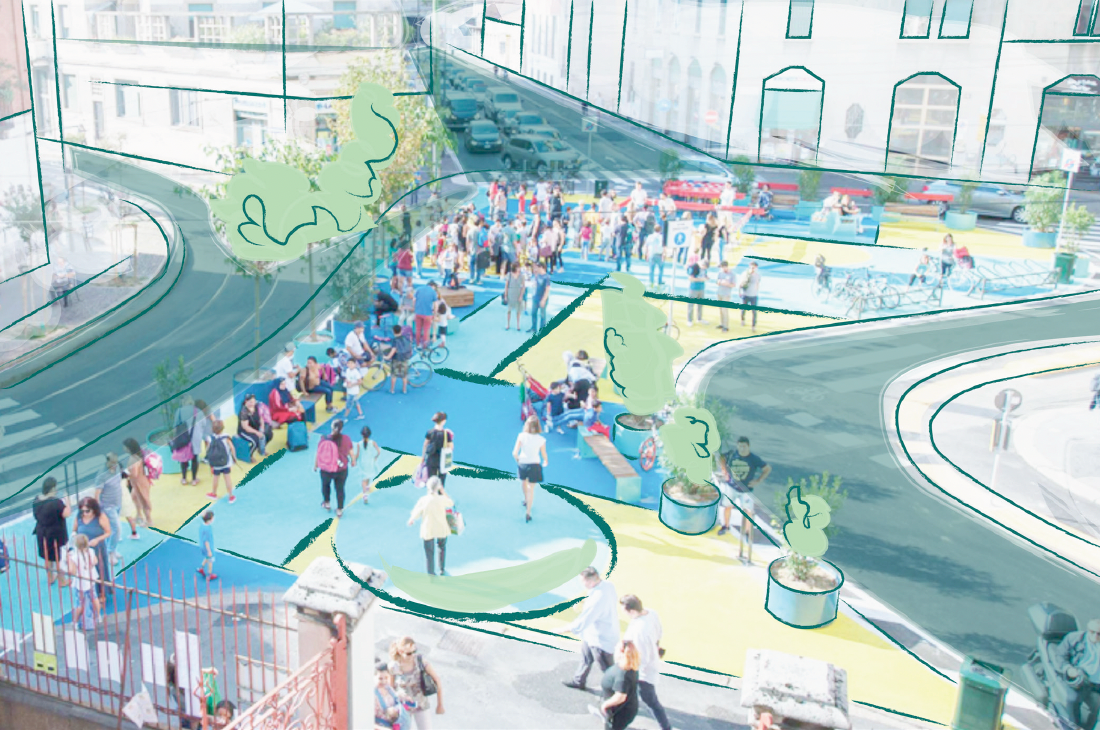
The success of TactiCity therefore does not lie in how many temporary interventions are implemented or documented, but in whether cities are able - and whether decision-makers are willing - to integrate the culture of experimentation, learning, and adaptation into their everyday way of working. From this perspective, tactical urbanism is not a temporary solution, but an adaptive approach to urban governance that helps cities respond flexibly to the challenges of an uncertain future.