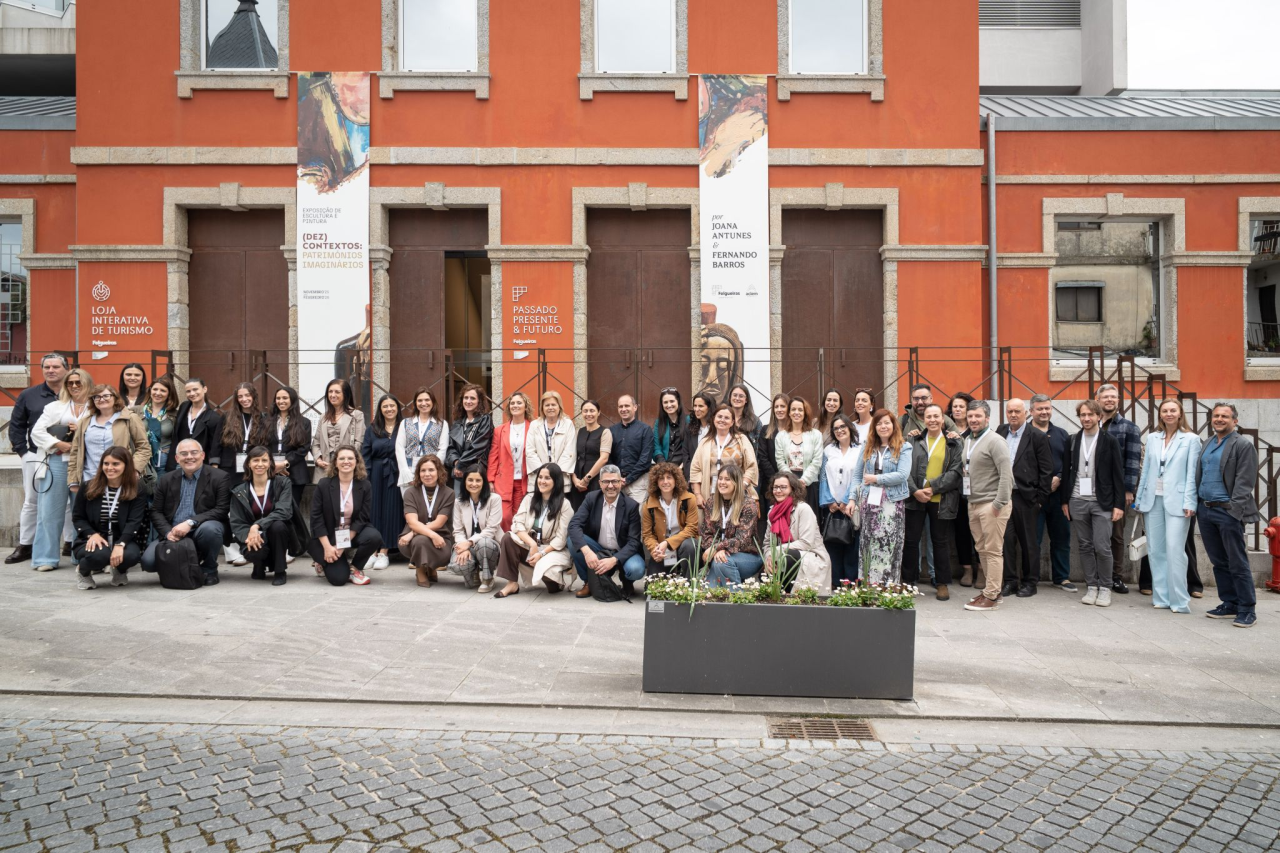
On 30 April 2026, UNIDAS4EU partners continued their study visit in Portugal's Tâmega e Sousa region, with working sessions held in Felgueiras, focusing on the operational foundations of the UNIDAS intermunicipal model and the conditions required for its transfer to other European cities. Through interactive working sessions, participants explored how coordinated governance across eleven municipalities and interinstitutional cooperation are translated into practical support for victims of domestic violence.
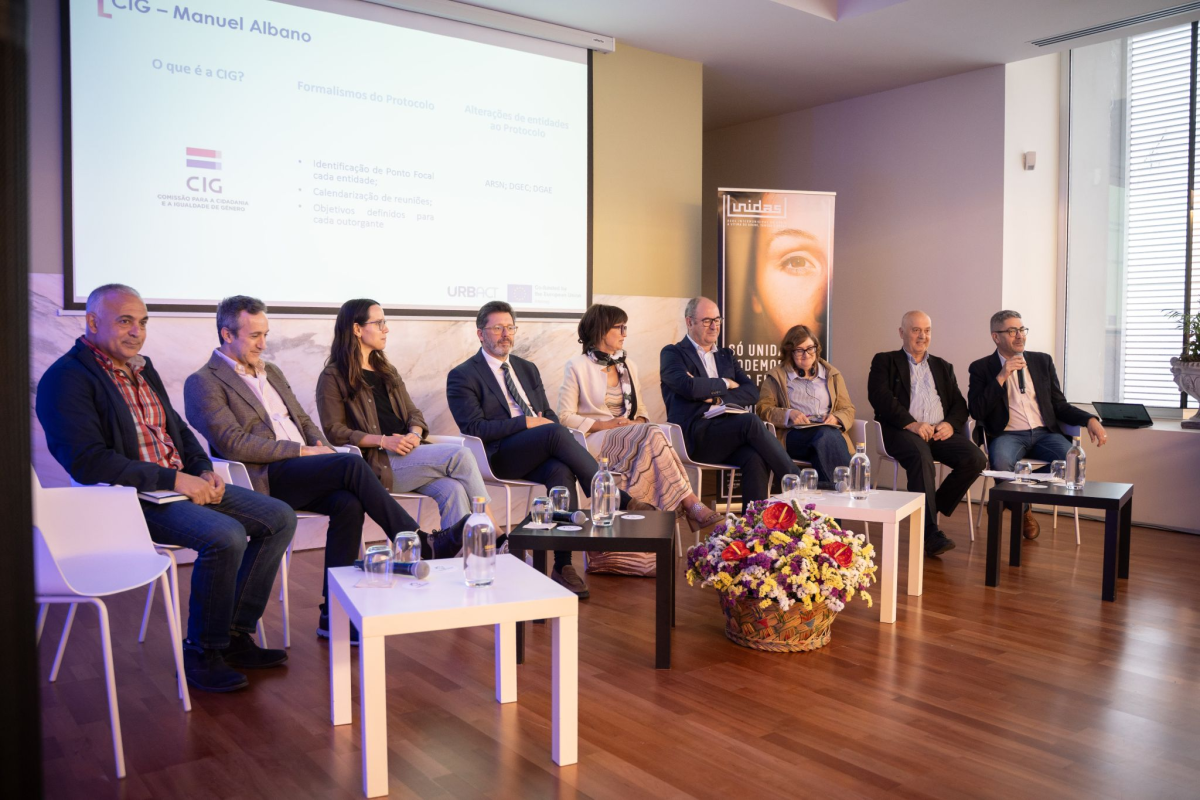
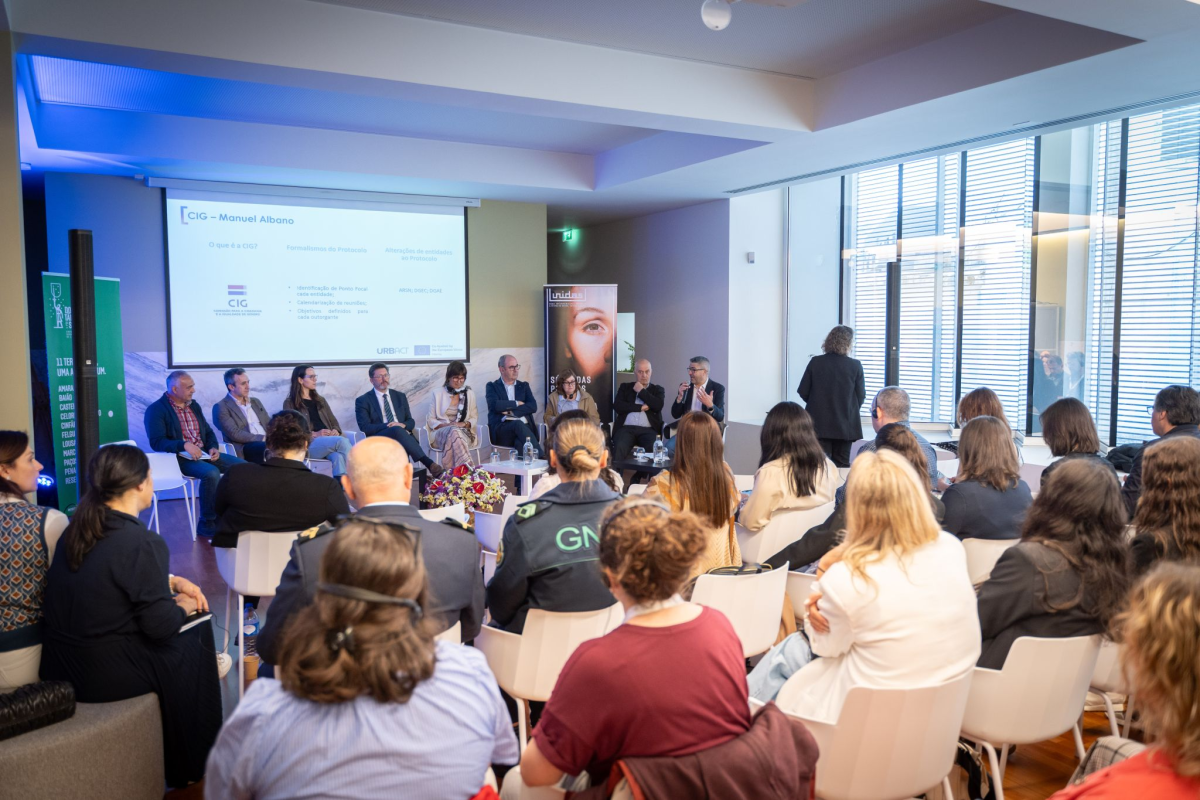
Representatives of the institutions participating in the UNIDAS territorial protocol—including the Commission for Citizenship and Gender Equality (CIG), Social Security, the Institute for Employment and Vocational Training (IEFP), health services, the Public Prosecutor's Office, the National Institute of Legal Medicine, the Child and Youth Protection Commission (CPCJ), the Directorate-General for Reintegration and Prison Services (DGRSP), the National Republican Guard (GNR), and specialised victim support organisations—presented their respective roles within the intermunicipal network and demonstrated how the territorial protocol operates in practice.
Key Conclusions from the visit:
The UNIDAS intermunicipal model is supported by clearly defined institutional roles and structured coordination mechanisms.
Strong interinstitutional cooperation across municipalities and partner organisations enables integrated and continuous support pathways for victims.
Distinguishing core and adaptable components facilitates transfer to different governance and legal systems.
Practical exchanges between frontline professionals provide valuable operational insights for partner cities.
Successful transfer requires local adaptation while preserving the model's fundamental governance principles.
Transferability Perspective:
The Tâmega e Sousa experience demonstrated that effective transfer is based on understanding how institutions cooperate in practice and how governance mechanisms support coordinated responses across an intermunicipal territory. The working sessions enabled partners to identify the essential elements of the UNIDAS model while reflecting on how these can be adapted to their own local realities.
The visit confirmed that sustainable transfer relies on collaboration, shared learning, and strong institutional commitment across all sectors involved in supporting victims.