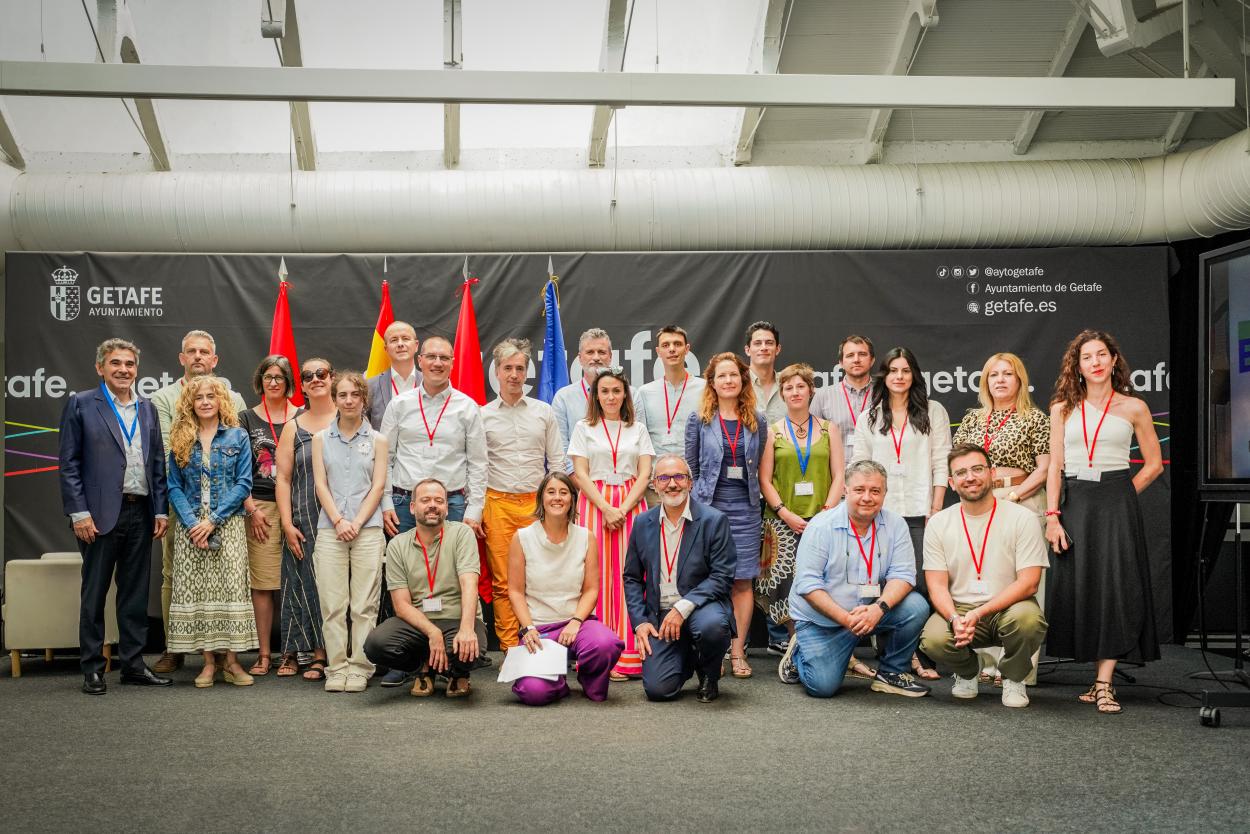
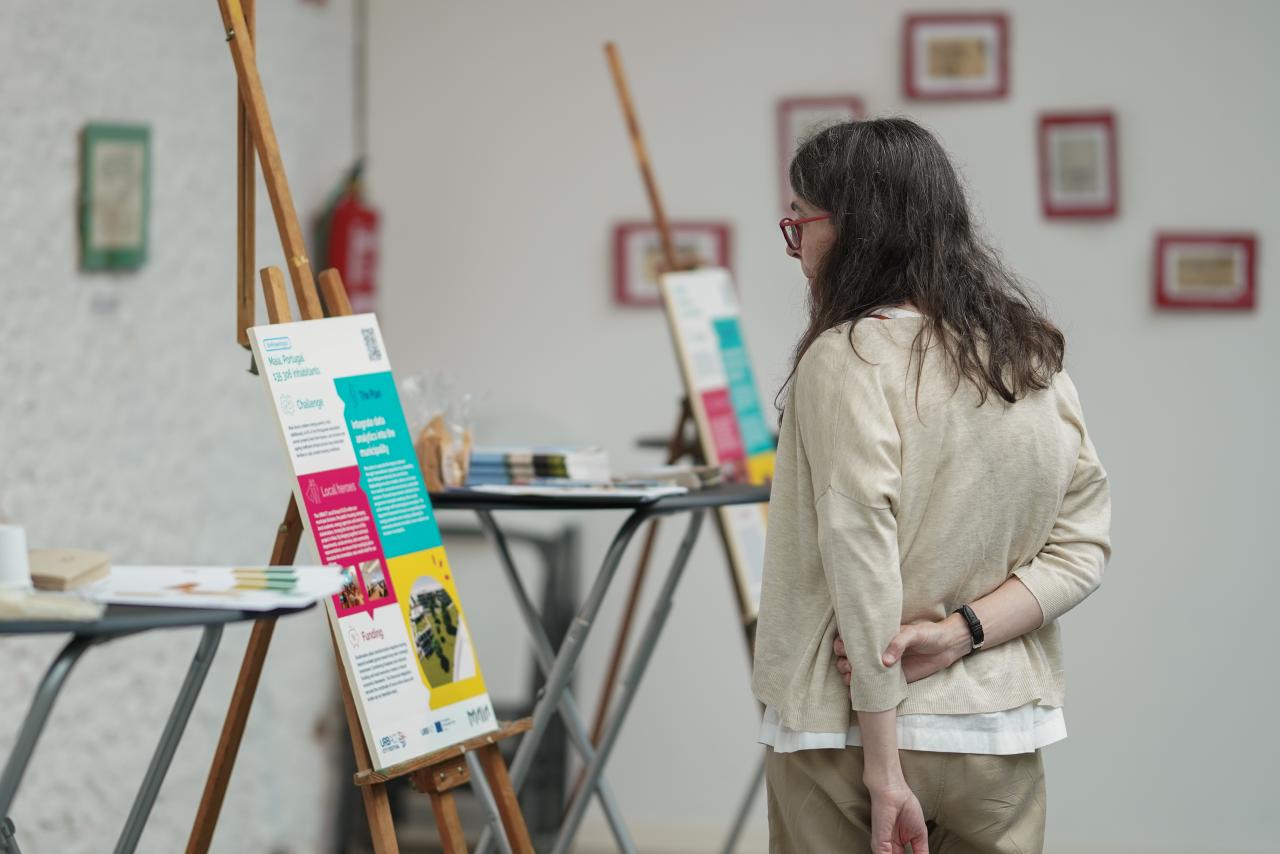
The EmPowerIngUs transfer journey began with a question: “How can a complex and innovative Good Practice like the Energy Poverty Intelligence Unit (EPIU), developed in Getafe, be understood, adapted and reused elsewhere?” Two years later, at the EmPowerIngUs Final Conference, that same journey was ending with a different and more practical question: “What is each city now ready to implement, and how can it be funded?”
Between those two questions lies the real value of the Innovation Transfer Network. Getafe’s EPIU Good Practice did not travel as a fixed model to be copied, but as a set of principles, tools and ways of working that each city translated into its own pathway. The result is not one replicated solution, but five locally owned responses to energy poverty — shaped by different starting points, housing systems, data availability, governance cultures, local capacities, vulnerable groups and investment opportunities.
What travelled was not a model, but a way of working
By the end of the network, it became clear that the strongest transferable element of EPIU was not any single tool, service or technical solution. What travelled best was its way of working: start from a better understanding of energy poverty in your local context, create trusted points of contact with citizens, connect social and technical knowledge, and use these insights to co-design tangible solutions that fit real households, buildings and neighbourhoods.
This distinction matters, as energy poverty is a complex issue that looks different in every city. It is shaped by housing conditions, energy prices, income levels, social vulnerability, climate risks, data availability and the capacity of local administrations. A solution designed for one city cannot simply be installed in another. But a way of working can travel — if cities are given the time, space and support to adapt it.
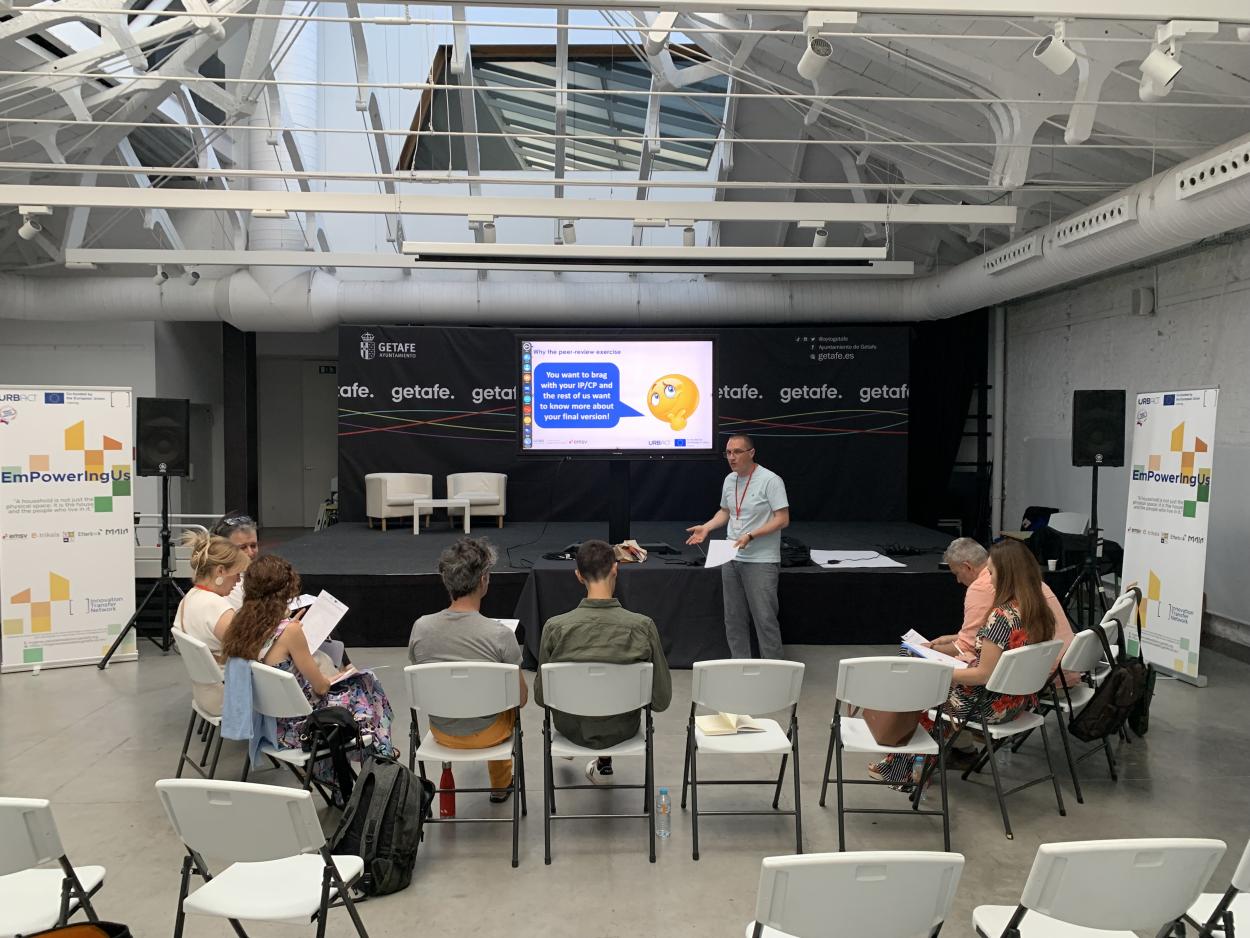
And this is exactly what EmPowerIngUs enabled the transfer cities to do. Through transnational meetings, local stakeholder work, testing actions and peer review, the partner cities gradually moved from learning about Getafe’s Good Practice to deciding what the EPIU logic meant for them. For some, the priority became a municipal service or one-stop-shop. For others, it became a renovation strategy, a data system, an energy community pathway, or a broader approach to vulnerability. In each case, the value of transfer was not measured by similarity to Getafe, but by the quality of local adaptation.
This also changed the role of Getafe. As Lead Partner, it was not simply exporting a finished solution. It was explaining the choices, compromises and lessons behind EPIU, while also learning from the questions raised by partner cities. In that sense, EmPowerIngUs was not a one-way transfer from one experienced city to four learners. It became a shared process of interpretation, testing and refinement. The final result is a more mature understanding of the transfer of innovative Good Practices: urban innovation becomes transferable – and valuable from a European perspective – when other cities can make it operational, legitimate and fundable in their own contexts.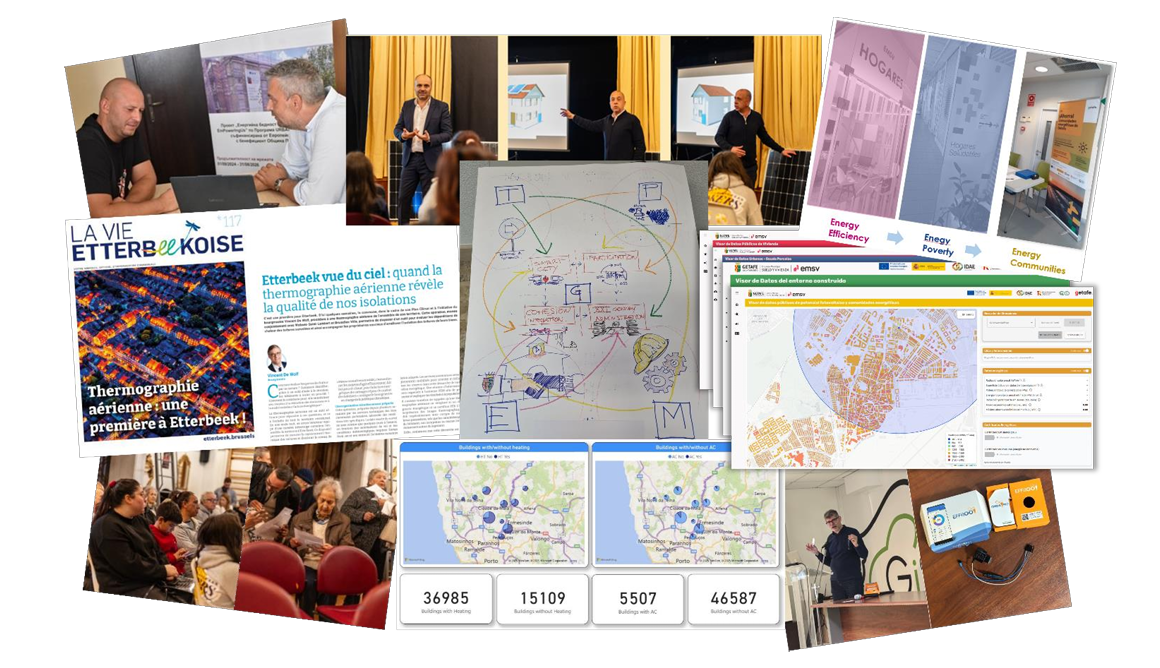
Testing before investing
One of the most useful steps in the EmPowerIngUs journey was the decision to test before investing. As shown in the network’s Testing Actions Catalogue, these were not full pilots or small versions of future Investment Plans, but focused learning exercises. They helped cities check assumptions, understand citizen and stakeholder reactions, explore data collection and advisory formats, and reduce uncertainty before moving towards larger, more complex and more expensive actions.In practice, testing helped partners ask very concrete and important questions:
- Which messages reduce stigma around energy poverty instead of reinforcing it?
- Will citizens understand and trust an energy poverty advisory service?
- What kind of data can be collected in a respectful and legally sound way?
- How can municipal departments work together around the same household, building or neighbourhood?
- What kind of technical knowledge is needed before renovation, energy communities or digital tools can be scaled?
The answers were different in each city, but the learning logic was shared. Pomorie tested the simplest possible version of a one-stop-shop and local data collection. Trikala used an awareness event to test how citizens engage with the hidden dimensions of energy poverty. Maia explored how community mobilisation and better data could support renewable energy communities. Etterbeek used testing to prepare a more strategic approach to municipal housing renovation. Getafe used the network to further improve its own services and tools.
In this sense, testing was not a side activity. It was the bridge between transfer and investment readiness.
Five locally owned pathways
By the final stage of EmPowerIngUs it became clear that each city had identified a different, locally owned pathway for making energy poverty action possible. These pathways are now brought together in the final Transfer City Investment Plans and Getafe’s Continuity Plan, which form one of the key final outputs of the network and are available through the EmPowerIngUs project webpage.
In Pomorie, the pathway is marked by an unexpected broadening of the energy poverty agenda. The city started with limited local data and no dedicated energy poverty service, but used the transfer process to design an Investment Plan that works across household, building and neighbourhood scales — and adds a fourth scale: transport. This is a significant local adaptation. In Pomorie, energy poverty is connected to energy-inefficient housing stock, limited public transport and wider vulnerability. Its plan therefore combines six mutually connected investment directions: energy efficiency measures in multi-family buildings, support for energy communities, energy-efficient home appliances and household energy kits, an energy-efficient transport system for vulnerable users and peripheral settlements, awareness and promotional activities, and the establishment of a municipal one-stop-shop to guide citizens through advice, data collection, subsidies, renovation support and access to wider energy and mobility solutions.
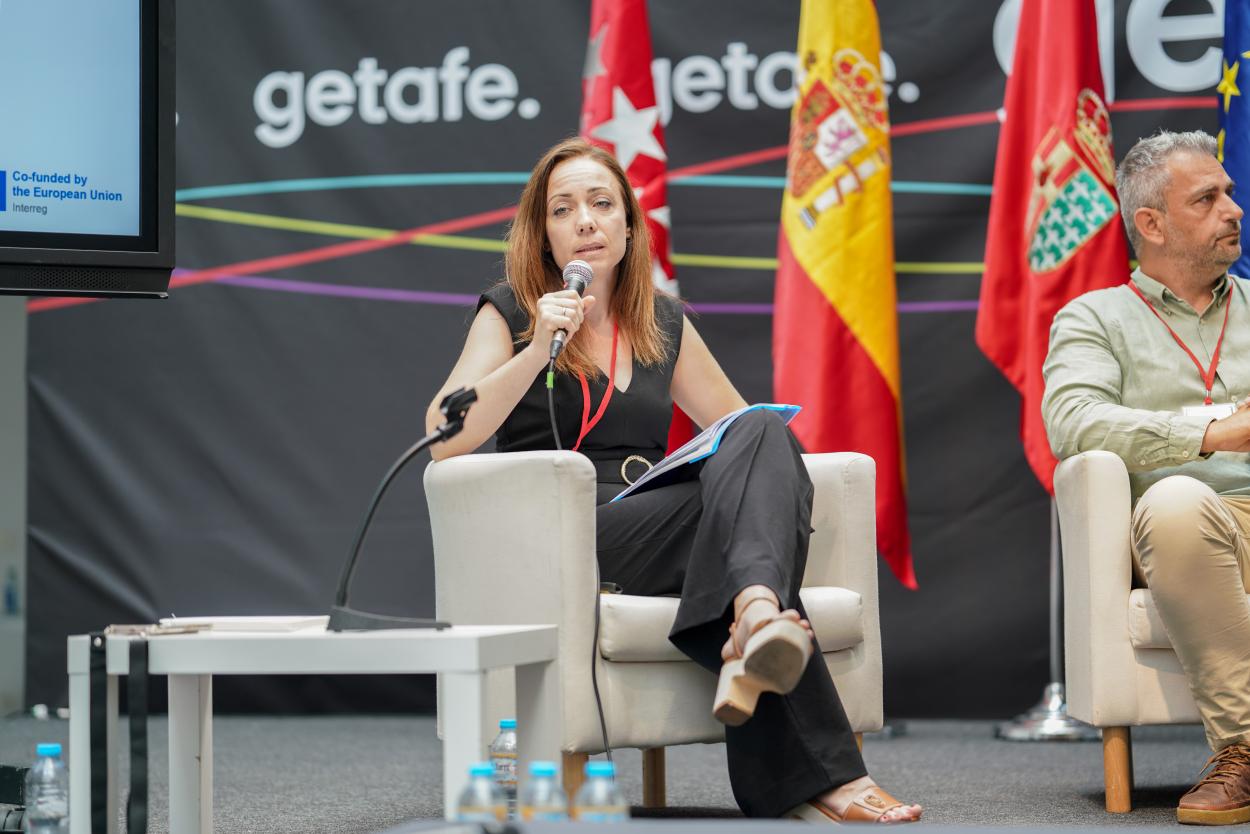
In Etterbeek, with existing local actors and services already dealing with energy vulnerability, the pathway is much more focused – decarbonisation through strategic renovation. The municipality focused on the municipal housing stock managed by the Régie Foncière, and its tenants. EPIU helped Etterbeek prepare the ground for a long-term renovation programme by combining the identification of hidden and objective energy poverty, tenant awareness-raising and an evidence-based renovation strategy for municipal housing.
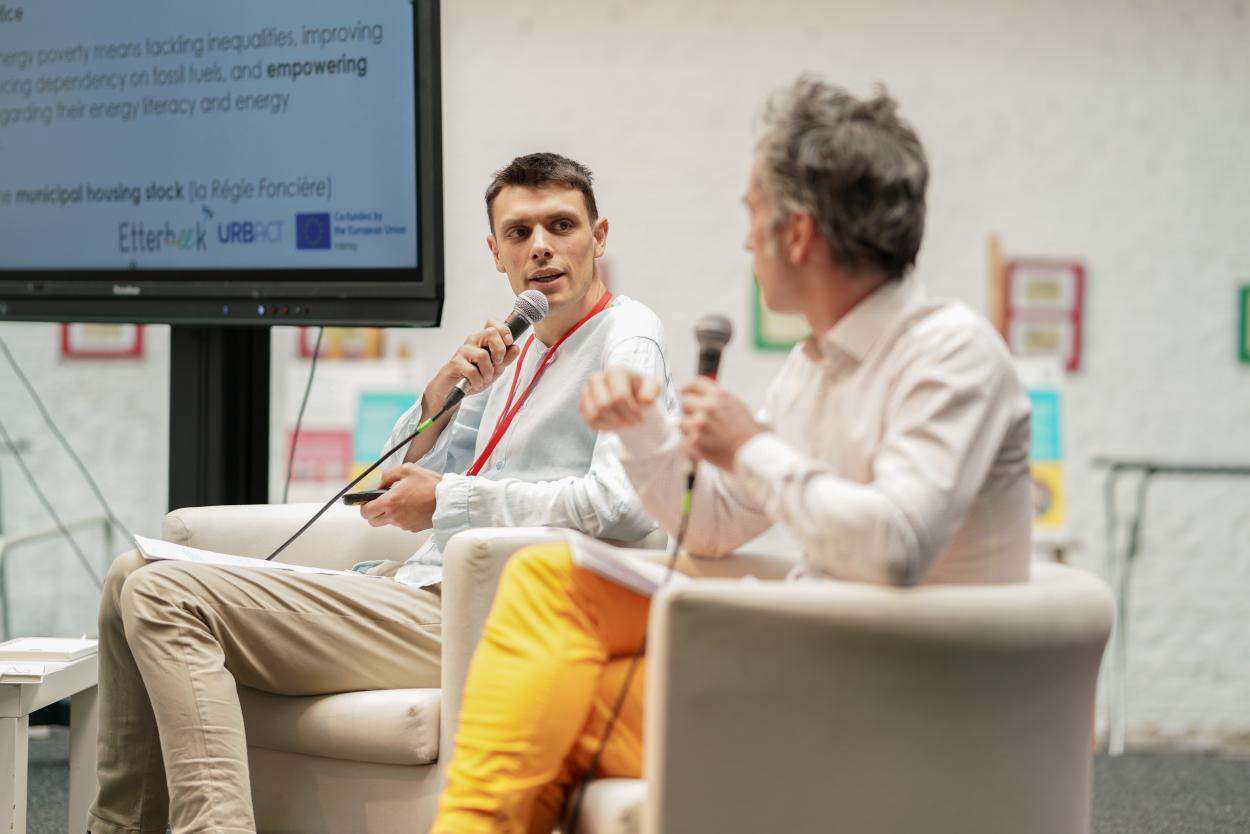
Trikala, supported by other EU-funded projects, opted for the institutionalisation pathway. Building on its digital capacity and smart-city experience, the city is developing a permanent Energy Office as a municipal instrument for tackling energy poverty, supporting citizens and connecting social welfare, technical advice, financing and data. Trikala’s Investment Plan turns this office from a project-based initiative into a longer-term public service.
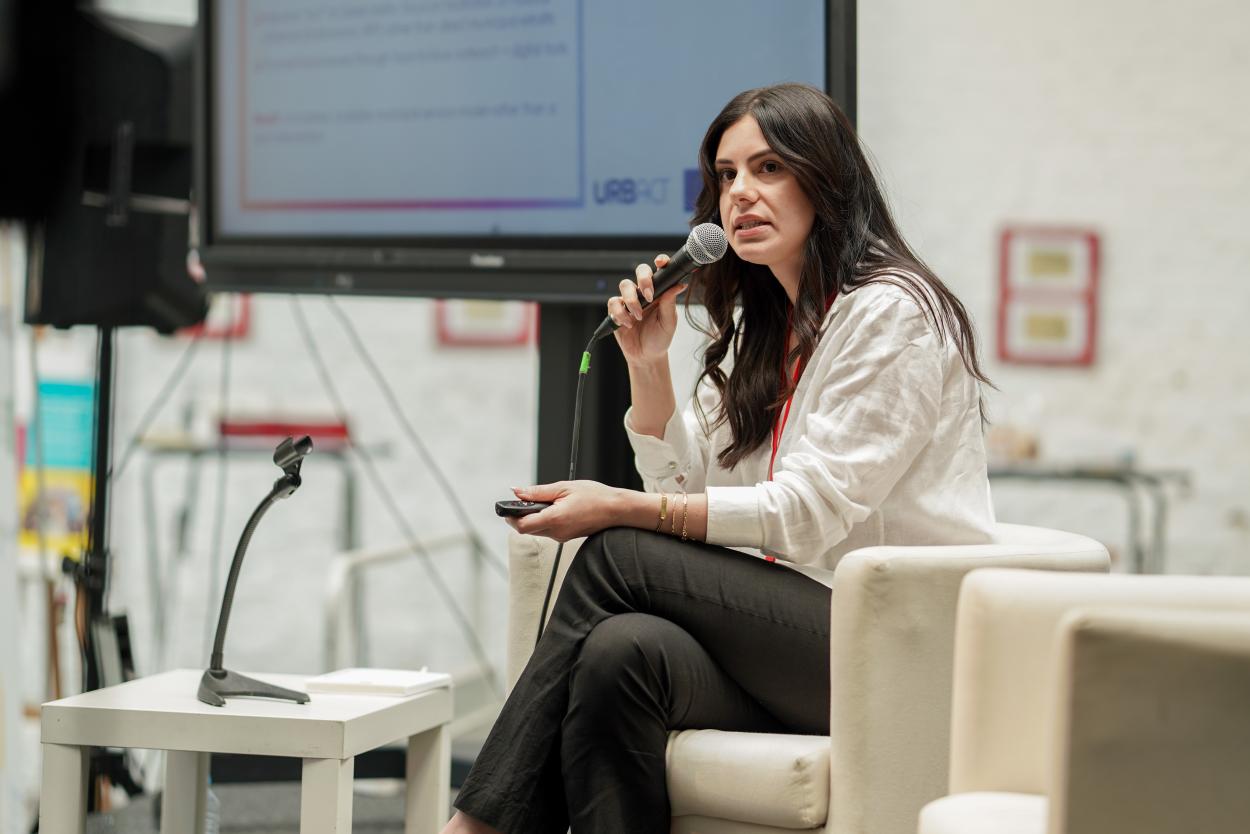
In Maia, the pathway is linked to smart city operationalisation and energy community activation. It points towards a local energy poverty strategy built around better data, an AI-supported Smart City Unit, the Maia Energy Hub as a one-stop-shop, energy efficiency kits and the Maia Solar renewable energy community.
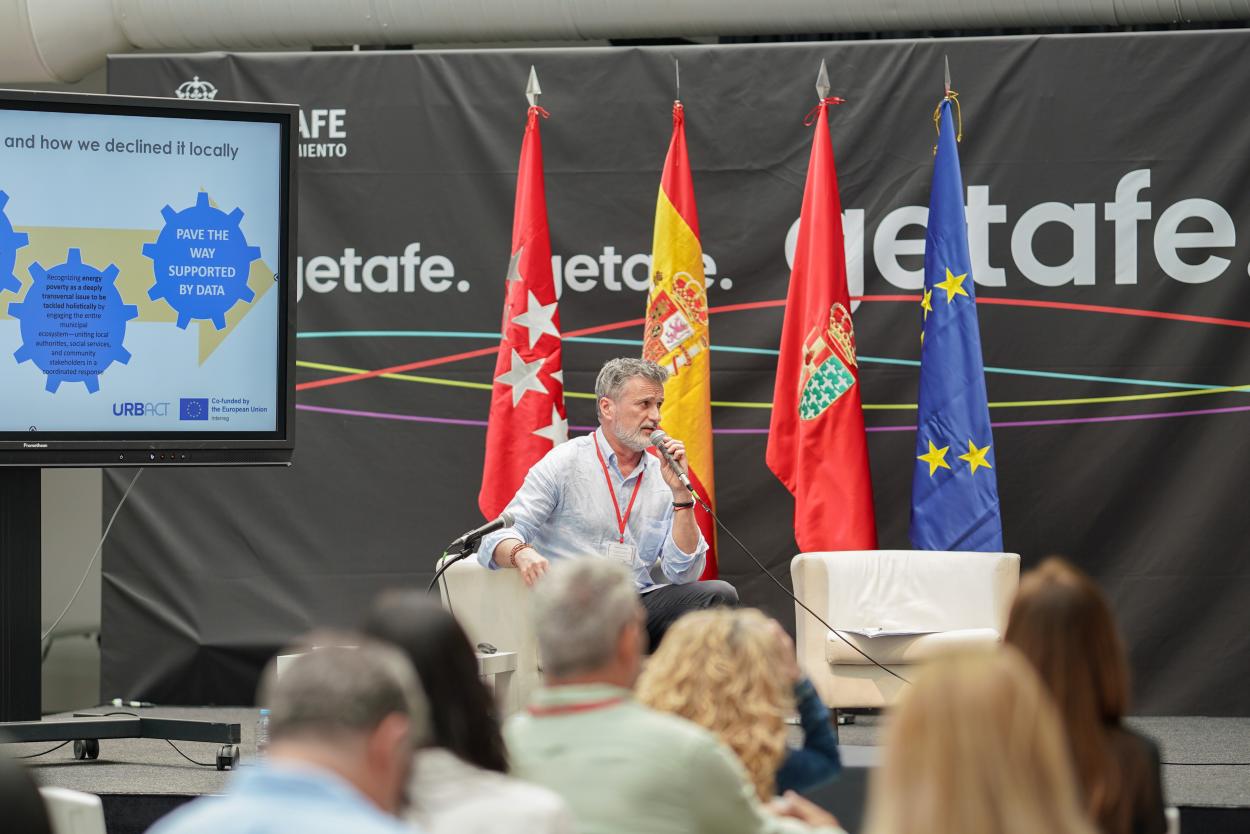
Getafe’s pathway is closely connected to evolution and continuity. The city is using the network to move EPIU from a successful innovation towards an improved and reinforced municipal operating model. Its Continuity Plan strengthens the digital backbone of the Healthy Homes approach, integrates technical and social databases, expands the one-stop-shop logic towards energy communities, and links renovation grants, wellbeing education, heating and cooling plans and Energy Kits 2.0 into a broader municipal response.
Together, these pathways show the real output of the network: not one common solution, but a shared capacity to turn the EPIU Good Practice into different forms of local action.
What changed inside the cities
The five pathways are important not only because they define future actions, but because they show how the transfer process changed the way cities organise themselves around energy poverty. From this perspective, the most important progress was not the preparation of the Investment Plans, but the overall strengthening of local capacity to understand energy poverty and act on it.
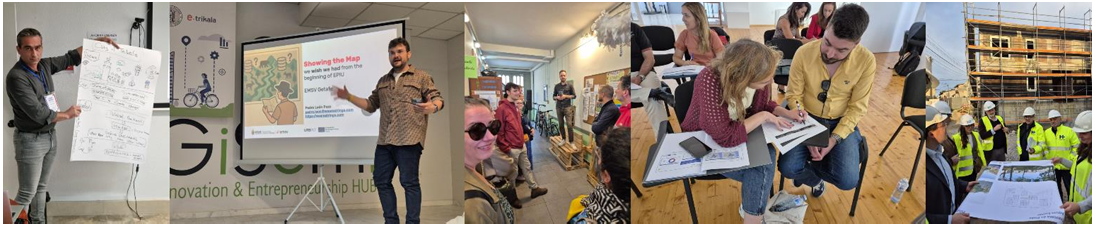
Across the network, energy poverty became a more visible and shared responsibility. It moved beyond a single department or a single type of intervention. Social services, housing departments, energy experts, data specialists, political representatives, local associations, public companies, universities and community actors were brought into the same conversation. The URBACT Local Groups helped make this possible by creating spaces where different actors could test ideas, question assumptions and shape the emerging local pathways.
This is one of the quieter, but most important, achievements of EmPowerIngUs. The network helped cities build the relationships, routines and confidence needed to continue after the project ends. It strengthened the ability to connect data with field experience, technical measures with social realities, and climate objectives with everyday living conditions.
The challenges that made the transfer real
The journey was not simple, and this is precisely why it was useful. Energy poverty is difficult to address because it sits between several policy fields at once: housing, energy, welfare, health, climate adaptation, digitalisation and urban governance.
Cities faced very concrete barriers. Data was often incomplete, fragmented or difficult to use. GDPR and privacy concerns shaped what could be collected, shared or analysed. Technical solutions required skills and resources that were not always available inside municipalities. Renovation and energy community models depended on funding, regulation, ownership structures and citizen trust. Some cities had to work with limited administrative capacity, while others had to align complex internal systems and existing services.
These challenges did not weaken the transfer process. They made it more honest. They forced each city to ask: “What could realistically be implemented, under which conditions, with which partners and with what kind of investment logic?” In this sense, barriers became part of the learning process and made the resulting Investment Plans more robust.
What comes next
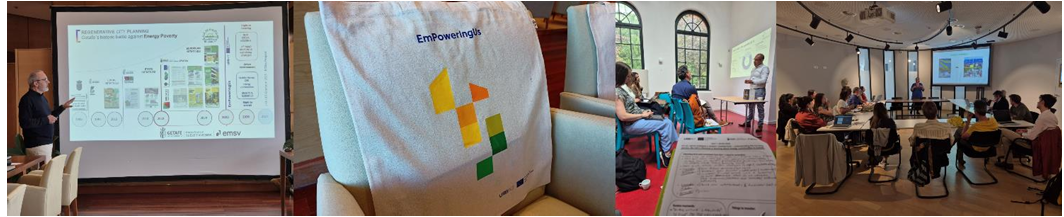
The final Investment Plans, Getafe’s Continuity Plan and the network’s other final outputs mark the end of the URBACT journey, but not the end of the work. They show what each city is now ready to take forward: services to be institutionalised, data systems to be improved, renovation pathways to be financed, energy communities to be developed, citizens to be supported and vulnerable households to be reached more effectively.
At the same time, the EmPowerIngUs experience leaves something wider behind. The EmPowerIngUs Philosophy, developed through the network, captures the shared principles that can guide other cities: know who you are working with, combine social and technical knowledge, create trusted points of contact, mix soft and hard solutions, work across departments, and be ready to adapt when reality does not follow the original plan. For other cities, the first step is not to choose a solution, but to understand who is affected, which actors need to be involved, what data is available, and where trust can be built.
This is the legacy of the network: not a universal recipe, but a reusable roadmap. Energy poverty is always local and deeply personal. It is lived in our homes, buildings, neighbourhoods and cities. It is shaped by living conditions, climate and economic realities, but also by the strength and resilience of local response systems.
But cities do not have to face it alone. EmPowerIngUs shows that when innovation is transferred with enough time, trust and flexibility, it can become something more durable than a project result: a locally owned pathway, ready for action.