Insights and key points from the EmPowerIngUs Transferability Study
What can other European cities learn from Getafe’s award-winning fight against energy poverty? According to the EmPowerIngUs Transferability Study, the Spanish city’s Energy Poverty Intelligence Unit (EPIU) offers far more than a local success story. It provides a practical and adaptable framework that can help municipalities identify vulnerable households, improve living conditions and modernise public services.
One of the most transferable elements is the shift from a reactive to a preventive approach. Instead of waiting for citizens to request assistance, Getafe developed mechanisms to identify “hidden energy poverty” – households struggling to maintain adequate comfort at home but often absent from official statistics. This proactive model allows cities to intervene earlier and more effectively.
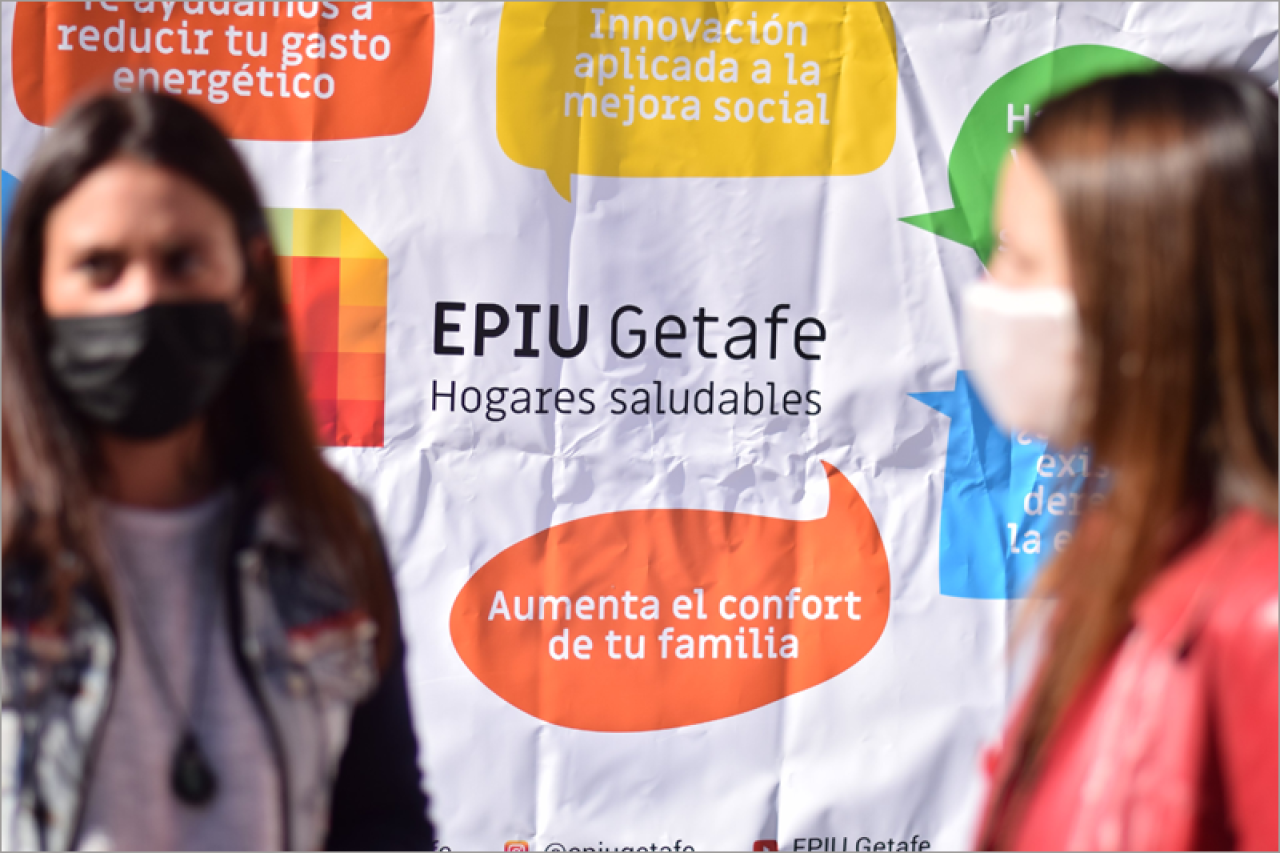
Another key lesson is the creation of a dedicated one-stop-shop service, the Healthy Homes Office. Acting as a trusted interface between citizens and local authorities, the office combines technical advice, social support and personalised guidance. The study highlights that this human-centred service became the cornerstone of the entire system, helping to build trust and reach vulnerable groups that traditional public services often fail to engage.
The Getafe experience also demonstrates the value of cross-departmental collaboration. Housing, social services, energy experts, universities and community organisations worked together to address a complex challenge that no single department could solve alone. This integrated governance model is considered highly replicable across different administrative contexts.
Equally important is the use of data-driven decision-making. Although the project learned that artificial intelligence alone is not a “magic solution”, it successfully combined data analysis with direct community engagement, creating practical citizen profiles and tailored interventions.
Finally, the study stresses that transferability does not depend on copying every action. Cities can adopt individual modules—from awareness campaigns and data collection systems to renovation support schemes and neighbourhood interventions—while adapting them to local realities.
For cities seeking inclusive climate action, Getafe’s message is clear: tackling energy poverty requires data, cooperation and technology, but above all, trusted relationships with people.