Introduction
During the 5th Core Network Meeting of the RECUP (REinventing Culture in Urban Places) project, held in Dubrovnik on 13–14 May 2026, partners came together to advance the final stage of the project's implementation. As the initiative moves towards completion, the meeting focused on consolidating its key outputs and ensuring the long-term legacy of culture-led urban regeneration across the participating cities.
As part of the programme, we had the opportunity to visit the transformation of the former TUP Factory in Dubrovnik—an outstanding example of culture-led urban regeneration in practice. The project demonstrates how an abandoned industrial building can be successfully reimagined as a vibrant, multifunctional community hub, bringing together cultural, creative and social activities within a shared public space.
The former TUP (Carbon Graphite and Electrical Contact Products Factory)
The former TUP (Carbon Graphite and Electrical Contact Products Factory) in Dubrovnik is an excellent example of industrial heritage regeneration. Once a major employer and community hub, the site has been transformed into a vibrant creative district that brings together cultural organisations, artists, creative businesses, social enterprises, and community groups. By repurposing its industrial buildings for new cultural and civic uses, TUP has become a model of adaptive reuse that preserves local heritage while supporting innovation, participation, and sustainable urban development.
During our visit, we explored several initiatives based within the complex. Maritimo Recycling is a social enterprise that collects plastic waste from the Adriatic Sea and transforms it into new products, demonstrating how environmental sustainability and the circular economy can thrive within a regenerated industrial space.
We also visited the Red History Museum, an interactive museum that explores everyday life in socialist Yugoslavia through immersive exhibitions and original artefacts. Alongside its permanent displays, the museum features an exhibition dedicated to the history of TUP and its workers, documenting the factory's importance to Dubrovnik's social and industrial development while connecting its past to its present role as a creative hub.
Other spaces within the complex, including cafés, event venues and creative workspaces such as Love Bar, contribute to a lively cultural ecosystem that supports collaboration, community engagement, and local enterprise.
The regeneration of TUP demonstrates how former industrial sites can be successfully reimagined as inclusive, multi-purpose spaces that strengthen cultural life, social cohesion, and sustainable urban development.
But what does cultural regeneration at the urban level really mean?
Cultural regeneration is an approach to urban development that uses arts, culture, creativity and community participation as drivers for the revitalisation of neighbourhoods, public spaces and underused buildings. Rather than focusing solely on physical redevelopment, it places people, cultural activity and local identity at the centre of positive urban change.
By activating public spaces through cultural initiatives, communities are encouraged to connect, participate and develop a stronger sense of belonging. Cultural regeneration can transform neglected places into vibrant, inclusive environments while strengthening social cohesion, supporting local economies and celebrating cultural heritage.
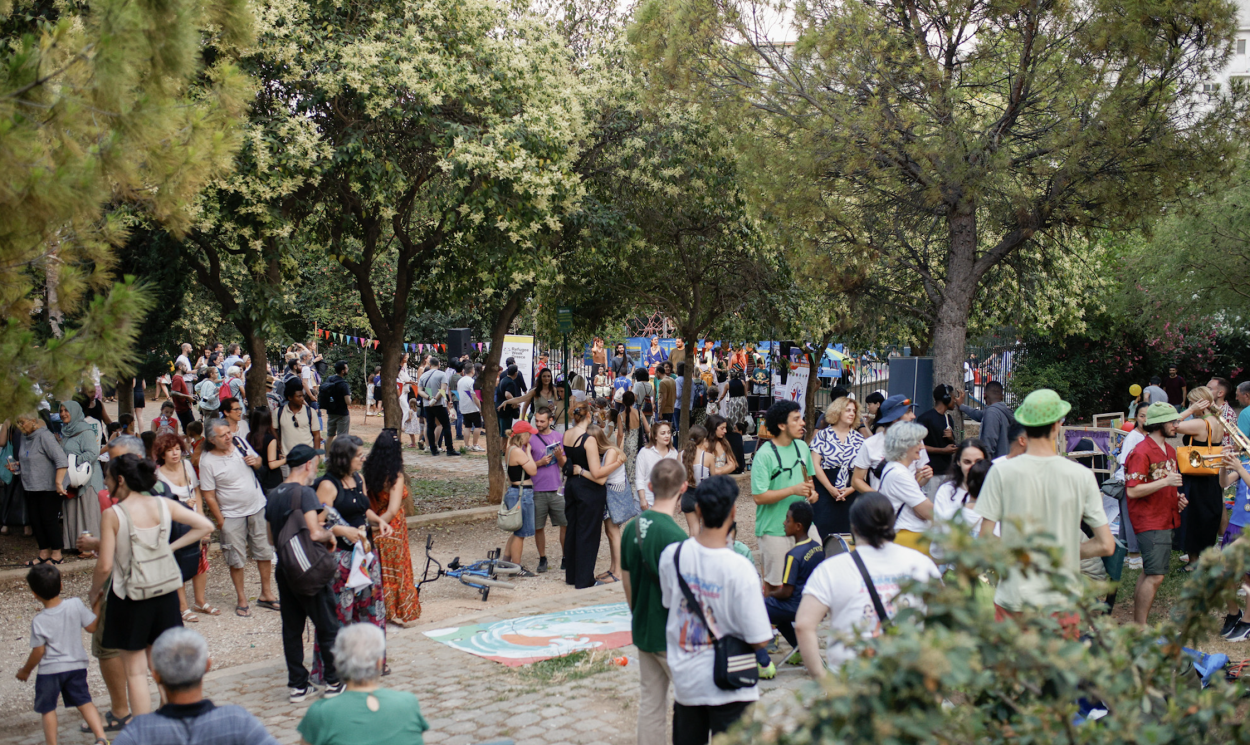
image: community festivals in public spaces, Athens, Greece, 2023
Key Values of Cultural Regeneration
Reactivation and Enhancement
Underused urban spaces should not remain dormant. Community-led cultural activity can reactivate buildings and public spaces, safeguard cultural heritage, and increase their social and community value.
Experimentation and Transformation
Temporary and community-led interventions encourage innovation, test new ideas, and foster a sense of local ownership by involving residents directly in shaping their neighbourhoods.
Learning and Sustainable Growth
Short-term cultural initiatives help build local skills, strengthen partnerships, and bridge the gap between temporary activation and long-term urban planning, contributing to more resilient and sustainable communities.
Policy and Institutional Support
Successful cultural regeneration requires supportive policies and flexible governance. Public authorities and decision-makers play a vital role in enabling community-led initiatives, reducing administrative barriers, and recognising culture as a key contributor to inclusive and sustainable urban development.
Why Culture matters?
Culture matters because it acts as a translation tool that helps interpret the memories, meanings and values that communities attach to places, turning urban planning into a shared space for collective sense-making. Participation becomes meaningful when there is clarity of purpose, roles, rules and honest dialogue from the outset, ensuring that engagement is genuinely inclusive rather than symbolic. Shared spaces can also foster unexpected alliances, bringing together different groups around common goals for transformation and place-based change. In this context, local authorities play a crucial enabling role by supporting collaboration, devolving power where appropriate, and designing governance processes that are open and inclusive. Finally, prototyping and experimentation—through pilots and small-scale interventions—create opportunities for learning, adaptation and innovation, while trust is strengthened when engagement leads to visible, relevant and tangible outcomes for local communities.
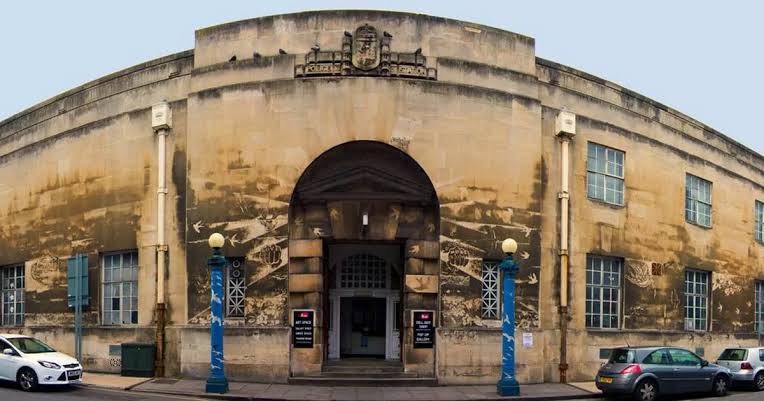
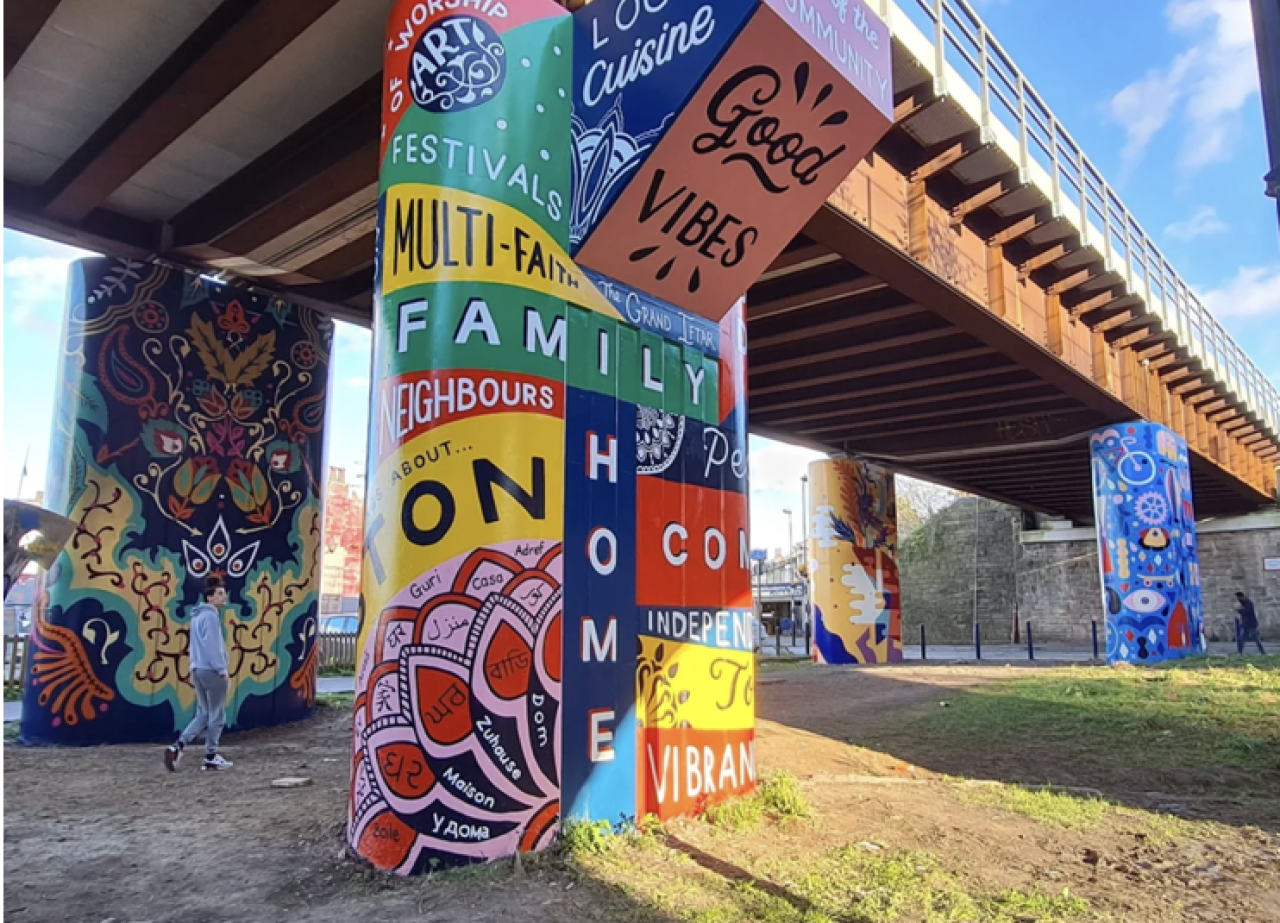
image: The Island (Nelson Street) in Bristol, 2019
The Island (Nelson Street) in Bristol is a landmark example of creative reuse and cultural regeneration. Originally built in 1928 and opened as a police station in 1930, the building was closed in 2005 and remained vacant until it began a new life through grassroots cultural activity, including a graffiti exhibition and the temporary occupation by the Invisible Circus. In 2012, in partnership with Bristol City Council, it was formally brought into creative use, alongside the adjacent former fire station now managed by the Creative Youth Network. Today, The Island operates as a major creative hub providing studios for over 100 artists, alongside event, rehearsal and training spaces for disciplines such as circus, dance and visual arts. As part of Artspace Lifespace, it demonstrates how vacant historic buildings can be transformed into productive cultural infrastructure, supporting creative employment, business incubation, youth opportunity and community engagement, while contributing to the wider revitalisation of Bristol city centre and the Broadmead area.
The Island (Nelson Street) has generated both economic and social benefits for Bristol city centre and the Broadmead area by transforming vacant historic buildings into active creative infrastructure. Economically, it has supported creative sector growth by providing affordable space for SMEs, artists and social enterprises, strengthening the city’s high-growth digital and creative industries. These hubs directly support the creative and cultural sectors, which are vital components of Bristol’s £15.5bn economy. They also contribute to increased footfall, local vibrancy and business activity, while enabling business incubation and supporting the wider creative economy. Socially, The Island promotes inclusive growth by expanding access to youth and creative employment opportunities, supporting independent creatives, and fostering participation in cultural life.
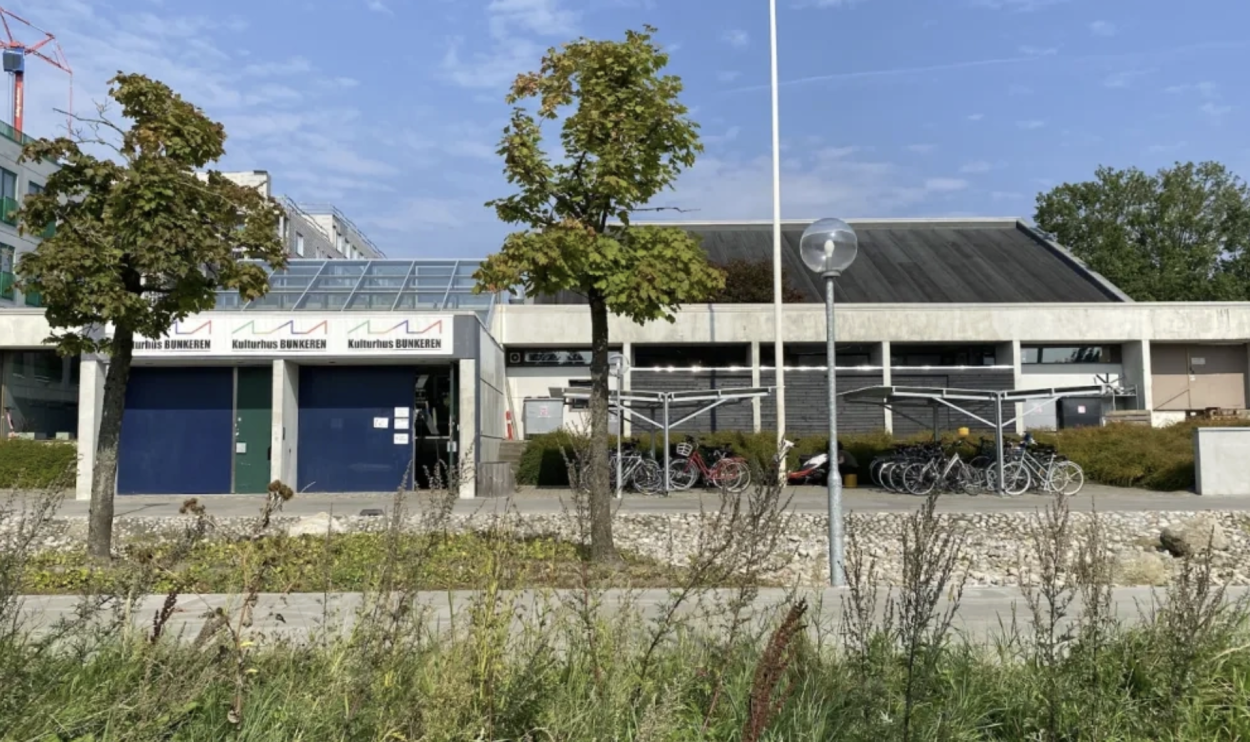
image: Kulturhus Bunkeren, Aarhus, Denmark, 2023
ImperfectCity is a concept and project that encourages people to recognise and value the beauty within urban imperfection. It seeks to shift perceptions by helping cities and residents engage with flaws in design, sustainability and social relations, rather than concealing or erasing them. By challenging stigma and changing mindsets—particularly in relation to Brutalist architecture and mental health—it promotes a more inclusive understanding of what makes a city liveable and meaningful. Grounded in the New European Bauhaus principles of sustainability, aesthetics and inclusion, ImperfectCity advocates for climate-resilient, resource-conscious and biodiverse urban development, alongside a strong emphasis on the quality of lived experience and accessibility. It also highlights the importance of diversity and affordability as essential components of inclusive cities. Through creative methodologies such as LEGO Serious Play, youth-centred neighbourhood development and participatory design, the project connects “imperfect cities, imperfect people and imperfect buildings,” linking social and spatial stigma while exploring more human, sustainable and imaginative approaches to urban transformation.
Imperfect Building and Imperfect Citizens, recognising the value of diversity, inclusion and lived experience in shaping urban transformation. Kulturhus Bunkeren will host a range of initiatives focused on social inclusion and community participation, including activities designed to create employment opportunities for vulnerable young people and support diverse local groups. The renovation of the building itself addresses form, function and sustainability, combining architectural adaptation with environmental responsibility. Together, these three core themes underpin a broader vision of a socially engaged, inclusive and future-oriented cultural hub.
It’s often said: regeneration isn’t just about bricks and mortar, it’s about hearts and minds. One of the key challenges lies in shifting traditional, infrastructure-led approaches to urban development towards more people-centred processes that genuinely value local narratives, lived experience and community aspirations. This requires time, trust-building and the willingness of institutions to share power, which can often be complex within established planning systems. However, this same shift creates a major opportunity: by starting with stories, culture becomes a tool for inclusion, allowing diverse voices to shape the future of places that have often been defined without them. It opens up more imaginative, flexible and responsive forms of regeneration, where communities are not just recipients of change but active co-authors of it. In this way, cultural regeneration can transform urban development into a more meaningful, democratic and socially grounded process.
Recommendations
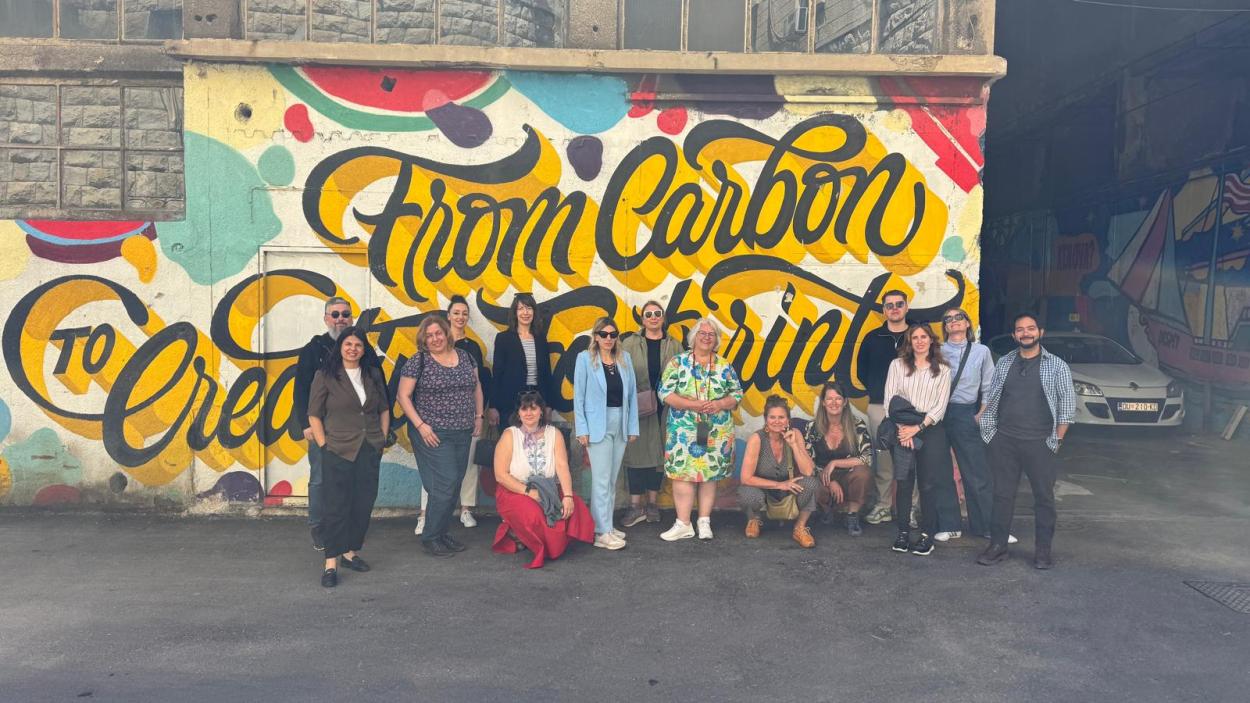
image: RECUP - REinventing Cuture in Urban Places, 5th Network Meeting, 13-14 May 2026, Dubrovnik (Croatia)
Why Culture Matters in Place-Based Transformation
Culture should be recognised as a key driver of urban and social change, helping to build local alliances through shared spaces.Local authorities should enable this by devolving power, supporting collaboration, and creating inclusive governance structures.
A culture-led approach should also focus on prototyping and small-scale pilots, allowing cities to test ideas, learn, and adapt with communities at the centre.
Temporary Use as a Municipal Tool
Municipalities should use temporary use as a proactive policy to turn vacant or underused buildings into active community assets.This provides low-cost, flexible activation during transitions and acts as a testing ground for longer-term planning.
It can build trust and participation by offering accessible space for residents, artists, and community groups, while improving neighbourhood vitality and safety. It also unlocks social value from underused assets and offers a flexible, people-centred approach to changing urban needs.
Flexible City Governance
Cities should adopt flexible governance models that respond to complex urban challenges through integrated, place- and people-based approaches that reflect local needs. Governance should combine formal structures with adaptable, informal mechanisms that support responsiveness and innovation, while helping balance competing priorities.
Cross-sector collaboration should be strengthened to improve coordination and resource use, with citizen participation and empowerment embedded in decision-making. Cities should also support social innovation to expand civic engagement, creativity, and experimentation, strengthening democracy and urban resilience.
Partnerships and Space-Based Local Alliances
Cities and organisations should invest in partnerships grounded in shared spaces, recognising that physical and cultural places can act as catalysts for collaboration. When groups come together in the same environment, they are more likely to build new alliances around shared local priorities.
By strengthening these space-based connections, local authorities and community stakeholders can foster cooperation beyond traditional sector boundaries. Shared places can support dialogue, trust-building, and co-creation, enabling diverse actors to work together on common challenges and opportunities.
Communicating the Local Action Plan Effectively
A Local Action Plan is only as strong as its visibility and understanding within the community it is designed to serve. To ensure meaningful impact, communication should be clear, accessible, and inclusive, using language that resonates with diverse audiences and avoids technical jargon. It is important to tailor messaging for different stakeholders—residents, community groups, local authorities, and partners—highlighting not only the actions but also the intended benefits and opportunities for participation.
Dina Ntziora
Lead Expert ImperfectCity - Municipality of Aarhus, European Urban Initiative
Ad-hoc Expert URBACT, Profile