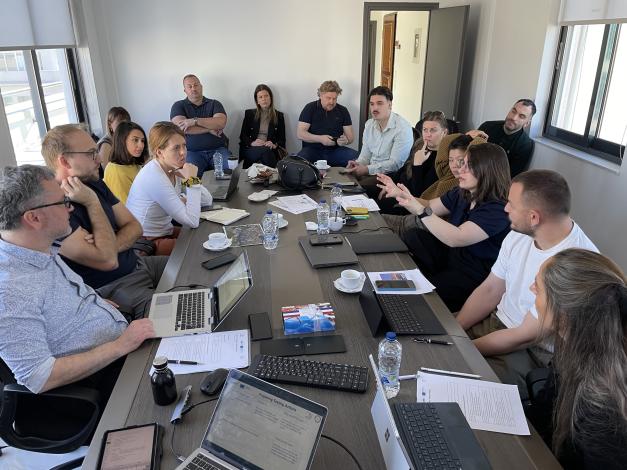
Storytelling, Placemaking and Data: the main fields of knowledge explored by the URBACT Innovation Transfer Network Daring Cities partnership in the past year all come together in the Piraeus station. Daring Cities builds on Ravenna’s Urban Innovative Action-funded project DARE that mobilised choral storytelling and a horizontal data ecosystem for the regeneration of the city’s Darsena area. In the two years of Daring Cities, the cities Altea, Den Helder, Dunaújváros, Kragujevac, Olomouc and Piraeus worked on exploring the different components of the DARE project in order to use some of its methods and approaches in addressing their own urban challenges.
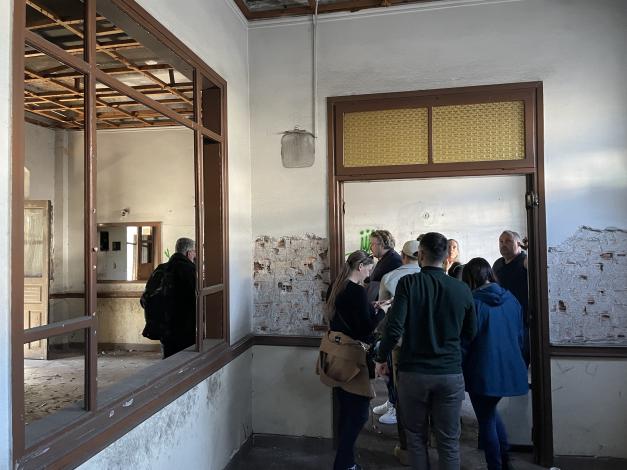
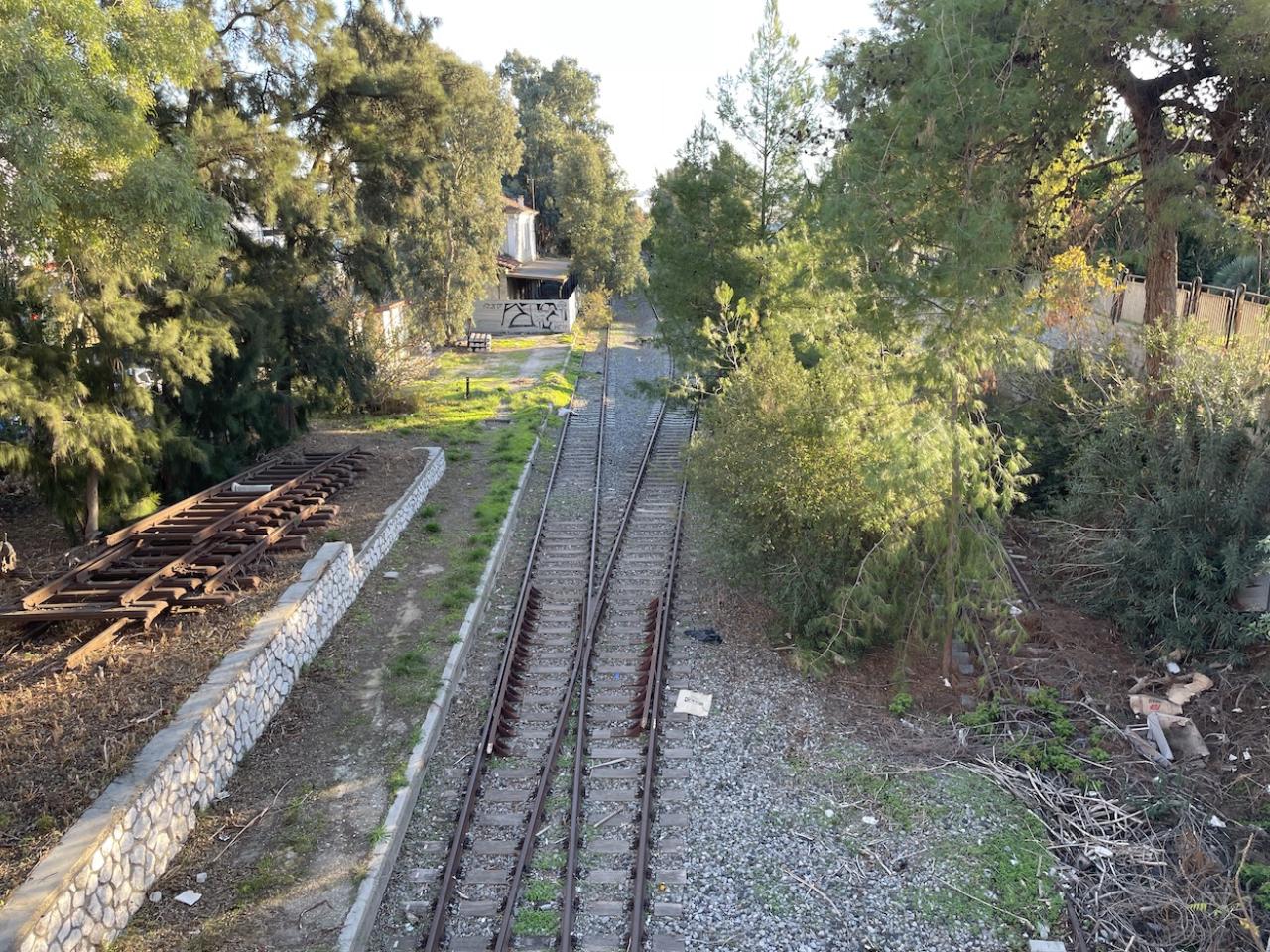
The former station, which once connected the Attica peninsula's railway network with the port of Piraeus, has witnessed history from close. It hosted refugees from Asia Minor, it served as a hiding place during the war, babies were born between its walls and a few people still live here in some of the abandoned sheds and train wagons scattered around the site. The first questions crossing our mind concern the contrasts of the past, present and future of the station. How to tell the story of this building and its surroundings? How to build on its multitude of stories when conceiving a new use for the station area?
One key component of DARE and Daring Cities is storytelling, conceived as far more than a simple communication exercise or a tool for public relations. In one of the meetings of the Daring Cities partnership, Ravenna consultant Saveria Teston defined storytelling as an "embedded device" integrated directly into transformative urban processes, serving as an active and continuous component of change. Within this framework, "choral storytelling" – or collaborative or multi-actor storytelling – acts as the bridge between technical urban planning and the collective imagination of the citizenry. By engaging multiple perspectives to define how a city’s future is narrated, the choral storytelling aims to move residents from being mere spectators to becoming active "protagonists" in the transformation of their own environments. In Daring Cities, choral storytelling is the engine that transforms urban planning from a technical, top-down exercise into a collaborative social journey.
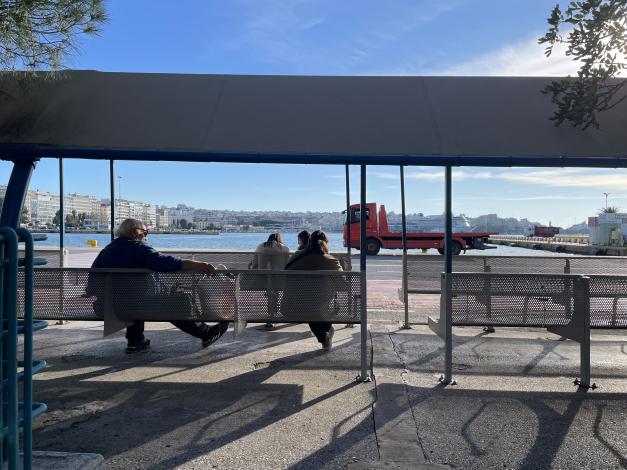
The station is a blind spot at the edge of the Piraeus municipality: at a a few minutes walk from the economic centre of Piraeus, the station is located at an angle of the port area that receives almost no foot traffic. The railway tracks that run abandoned for another kilometer and a half towards the Northeast, separate Piraeus from its neighbouring municipality Drapetsona. How can this urban scar be healed, and this forgotten area be reconnected with the rest of the city?