Learning from each other
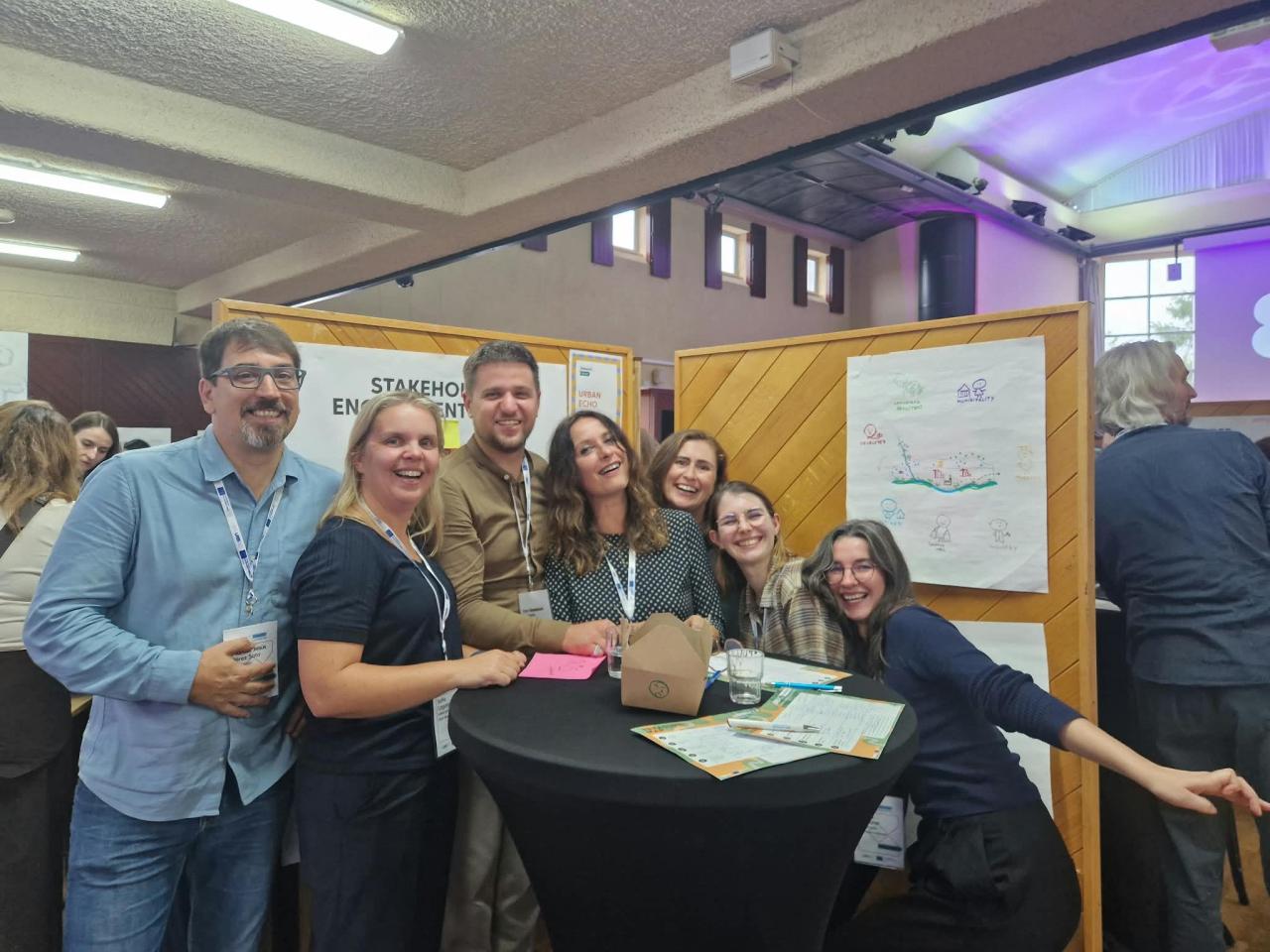
Throughout the HUB and Network@Work sessions, URBAN ECHO partners worked on the challenges they are facing in their own cities and explored how participatory approaches can support the transfer and local adaptation of urban practices.
Ghent contributed its experience of working across different roles and levels of the organisation, with a particular focus on the three-way collaboration between the Programme Manager, Programme Communicator and Neighbourhood Manager.
This collaboration is an important part of how Ghent connects strategic programmes with the realities of neighbourhood life. Each role brings a different perspective: the Programme Manager focuses on the strategic and substantive development of the programme; the Programme Communicator translates the programme into clear and accessible communication; and the Neighbourhood Manager acts as a bridge to residents, local organisations and other neighbourhood stakeholders.
Together, these roles help create stronger connections between policy, communication and participation.
The strength of being present in neighbourhoods
One of Ghent’s key strengths is its strong neighbourhood presence. Neighbourhood Managers are in close and continuous contact with residents and local stakeholders, giving the city an ongoing understanding of what is happening on the ground. This proximity helps Ghent to pick up signals from neighbourhoods and bring them into policy and programme development. It also makes it easier to identify who should be involved, understand different perspectives and create opportunities for residents to contribute at the right moment and in a way that fits the local context. For Ghent, this is an important lesson: meaningful participation is not only about using the right tools or organising the right workshop. It is also about having people and structures that are consistently present, listen to residents and build relationships over time.
From Cork to local action
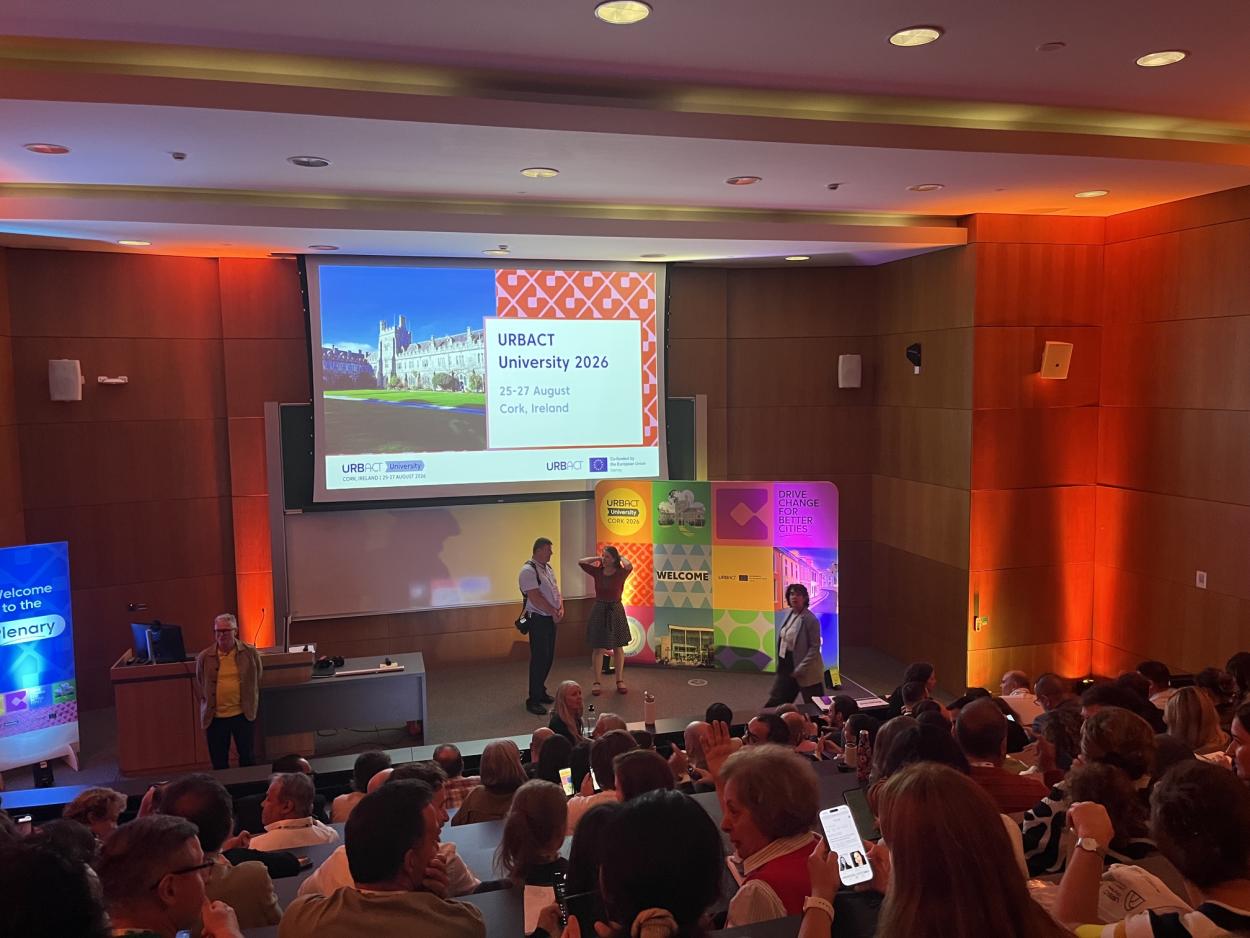
The URBACT University combined peer learning, practical tools, storytelling, collaborative exercises and study visits in Cork. Participants explored how to identify overlooked voices, understand stakeholders’ motivations and barriers, and build stronger local ownership around change.
For URBAN ECHO, these sessions provided an opportunity to connect the lessons from Cork with the specific challenges faced by the network’s cities. Rather than treating Cork as a model to be replicated, partners were encouraged to use the city as inspiration and consider how similar principles could be adapted to their own local contexts.
This approach reflects the essence of a Transfer Network: learning from another city does not mean copying a solution but understanding the principles behind a practice and adapting them to local realities.
For Ghent, the exchange reinforced the importance of proximity, collaboration and continuous dialogue with neighbourhoods. It also highlighted the value of looking at participation not as a separate activity, but as an integral part of how a city works.
As Lead Partner of URBAN ECHO, Ghent will take these insights into the next phase of the network’s transfer journey, while continuing to share its own experience with European partners.
The URBACT University in Cork therefore became more than a training event. It was a space where cities could learn from one another, test ideas, share practical experience and strengthen their capacity to make urban change more participatory and locally grounded.