By Elisa Filippi, Lead Expert of the URBACT Innovation Transfer Network REinventing Culture in Urban Places - RECUP
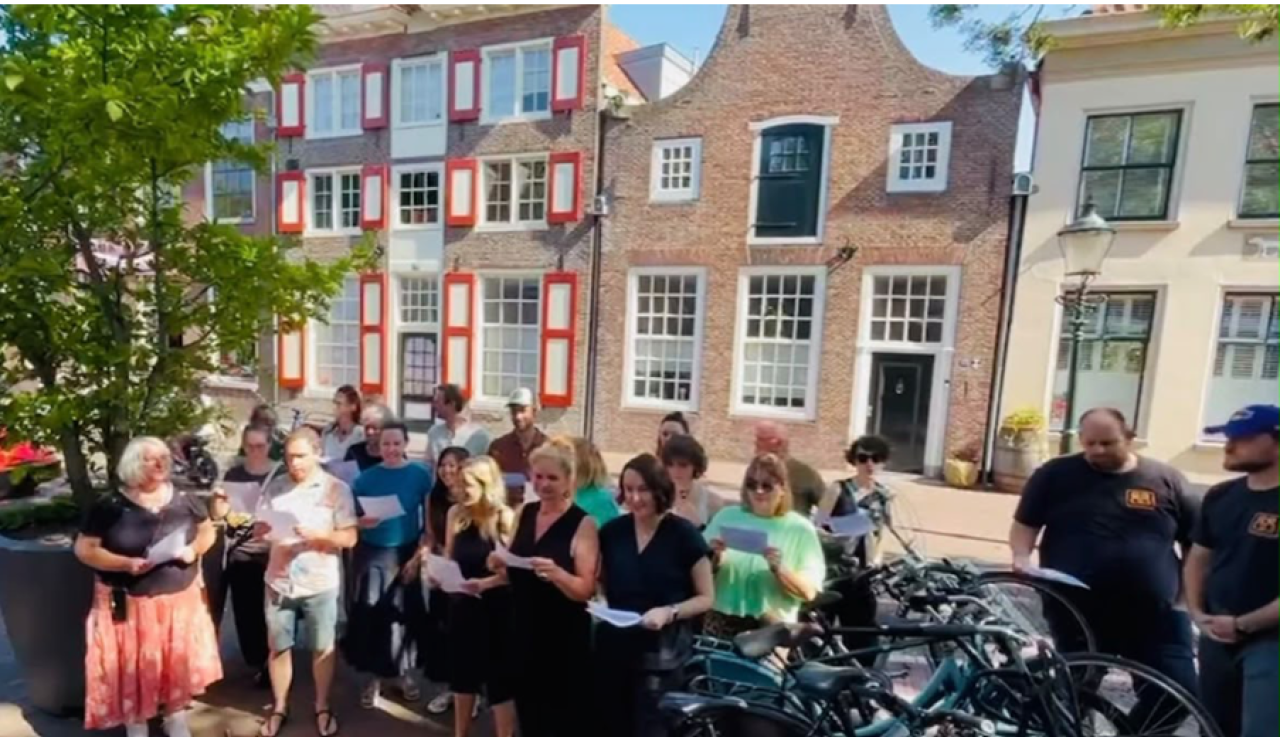
One warm summer evening in Amersfoort, something unexpected happened.
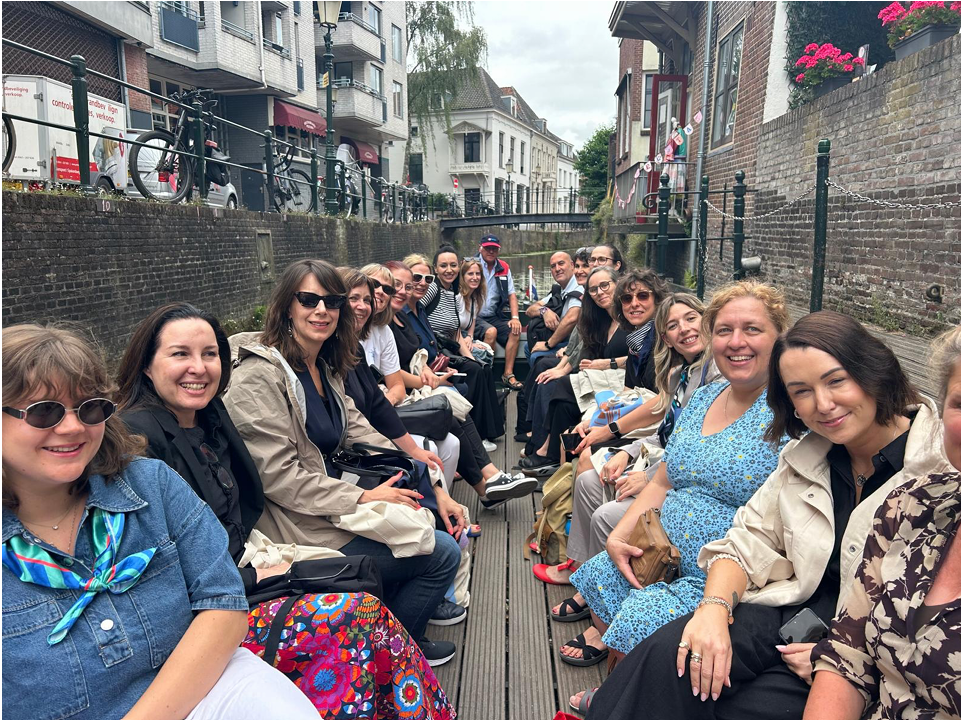
A group of city representatives from across Europe found themselves singing together in the middle of a street. No formal programme, just a spontaneous collective moment in a vibrant Dutch city.
Perhaps that scene captures better than any report what the URBACT Innovation Transfer Network REinventing Culture in Urban Places has been about over the last two years. Art, culture, creativity, and above all, creating the conditions for people to connect.
Starting from the experience of the UIA project CUP4Creativity, developed in Újbuda, Budapest's XI District, six European cities and urban organisations came together to explore a simple yet ambitious question:
Can culture help cities address loneliness, social fragmentation and the weakening of community ties?
Loneliness as an urban question
Over almost twenty-four months, partners from Újbuda, Amersfoort, Dubrovnik, Mancomunitat de l'Horta Nord, Bielsko-Biała and Sandyford Business District experimented, tested ideas and worked with local stakeholders to translate this question into concrete actions and future investments.
As often happens during a genuine learning journey, some of the most important answers were different from the ones we expected to find.
At the beginning of the network, loneliness was mostly understood as an individual condition. Something deeply personal and difficult for local governments to influence. This assumption is not wrong. After all, you can feel lonely in a crowded room, just as you can choose to spend time alone without feeling lonely at all.
Yet, throughout the URBACT ITN RECUP journey, our perspective became more nuanced.
We gradually realized that while loneliness is experienced individually, it is also influenced by the environments in which people live. Cities cannot have a direct impact on whether someone feels lonely, but they can shape the conditions that make connection easier or harder.
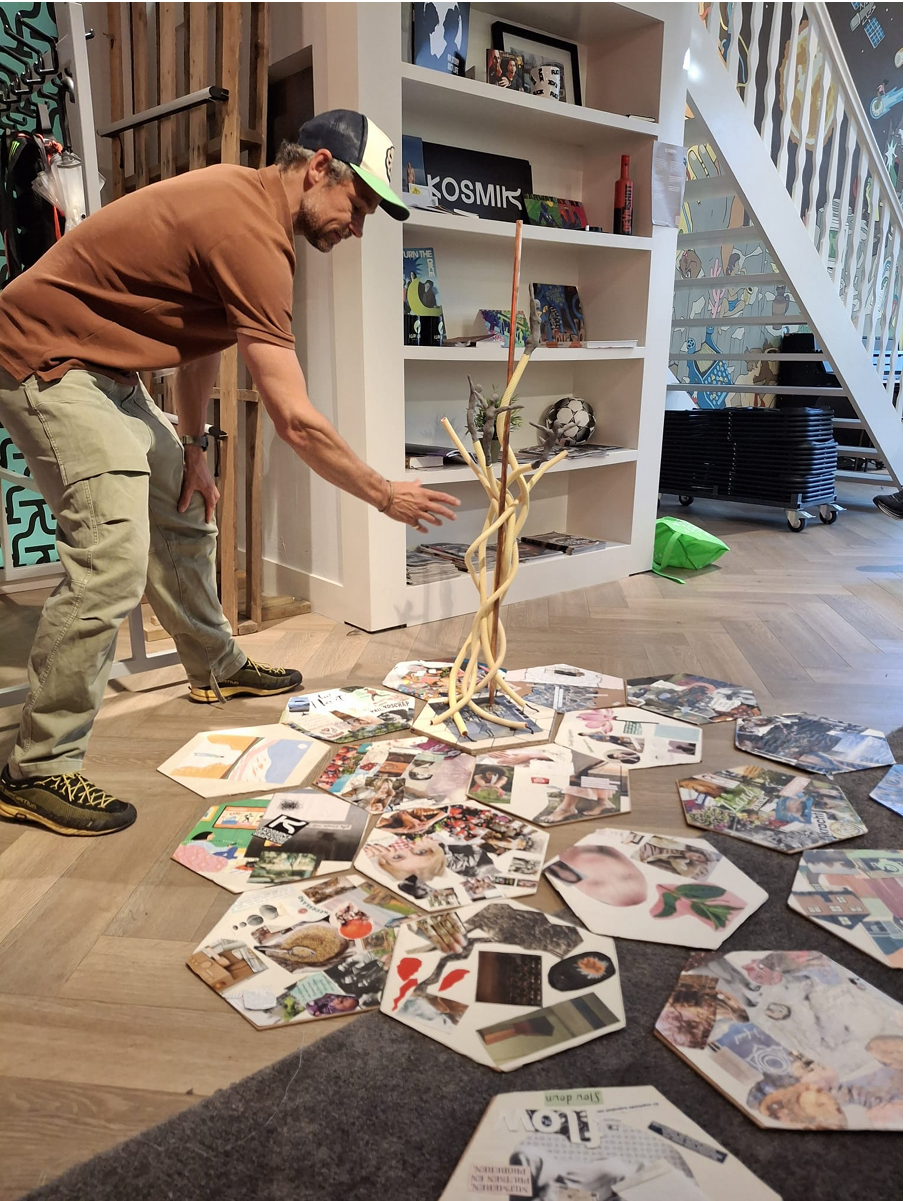
Public spaces, opportunities for participation and neighbourhood networks all contribute to the social fabric surrounding people's daily lives.
So, in this sense: yes, loneliness is also an urban question.
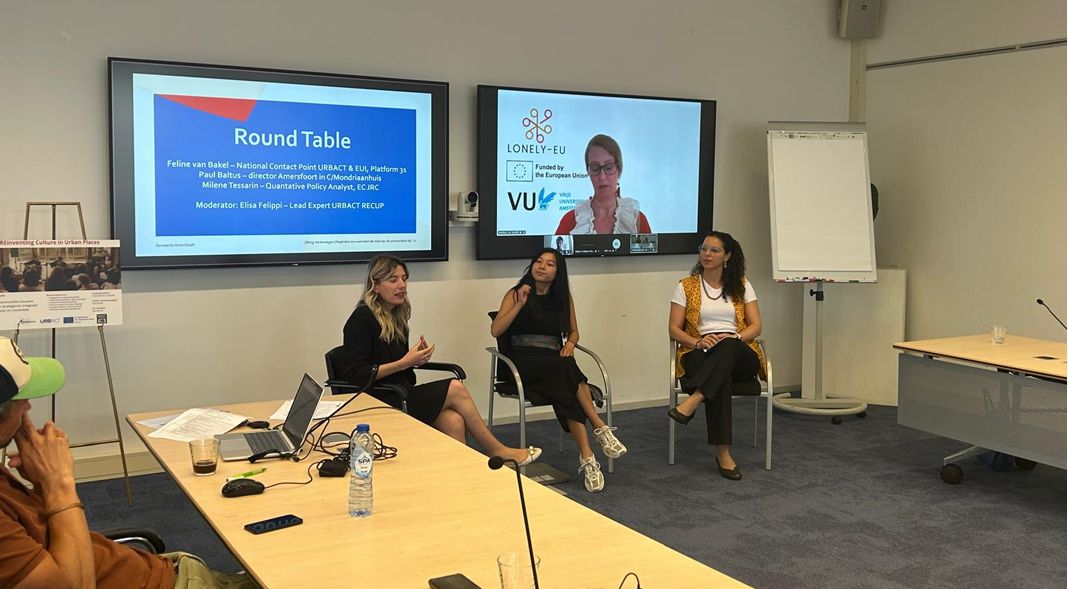
As Judith Merkies from the Lonely EU project reminded participants during the final conference, loneliness should not be seen only as an individual challenge, but also as a societal one.
Heritage comes alive when people activate it
The network also challenged another common assumption: that culture and heritage are primarily things to preserve, display and/or consume. Across RECUP, a different perspective emerged. Culture becomes transformative when people actively participate in it.
A compelling example was the experience of Dubrovnik. The regeneration of the former TUP Factory showed how industrial heritage can become a platform for creativity, participation and community life, but only when people begin to inhabit the space. The initiatives and behaviour of people define its sense and purpose.
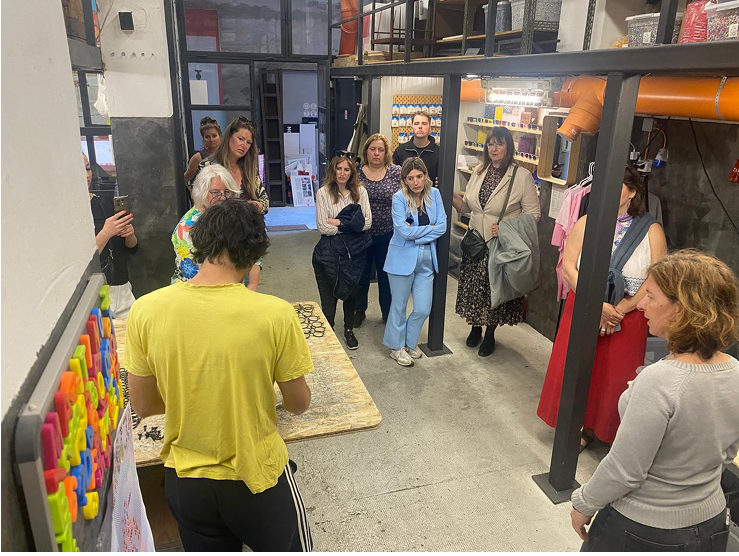
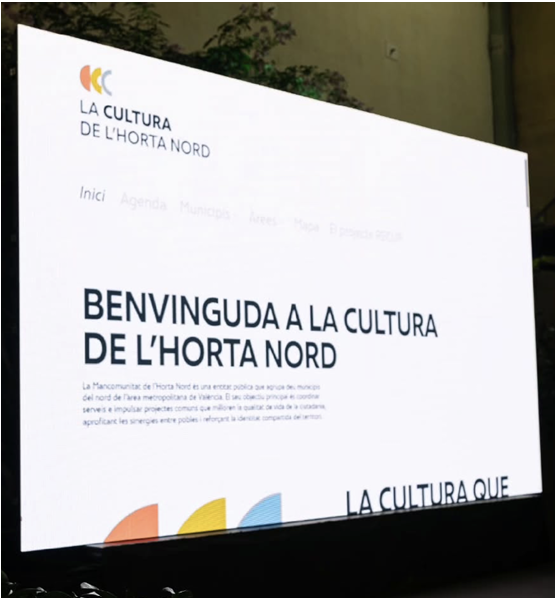
Looking at this from a more intangible perspective, a different example came from the Mancomunitat de l'Horta Nord, where individual cultural traditions across the ten municipalities became a tool for building a shared identity. In this sense, culture, as a tool of "governance", helped create a new common identity and sense of belonging.
From consumers to co-creators of culture
Throughout the network, this idea continued to evolve. Across the network, this evolution took shape differently in each context. From Sandyford Business District, where storytelling gave voice to a highly diverse population and helped people recognise their place in a shared community, to Amersfoort, where culture became a tool for care and loneliness prevention through informal, everyday encounters; from Bielsko-Biała, where memory and local identity drew younger generations closer to places and stories that might otherwise have felt distant, to Újbuda, where the legacy of CUP4Creativity — the project that started it all — kept turning residents and artists into active producers of cultural life rather than passive audiences.
All together partners repeatedly discovered that effective participation is mostly about lowering barriers and trying to reach people usually “unvisible” by creating welcoming environments.
Stories of change
It is not always easy for a European project to have a direct impact on people, beyond the policy dimension. However, this was the case with RECUP.
Indeed, URBACT ITN REinventing Culture in Urban Places was also a story of people.
Of Pataky in Újbuda, who reminded us that sometimes rebuilding a community starts by giving a street back to its residents. Of Gerard in Amersfoort, who used storytelling to break the taboo of loneliness and give visibility to experiences often kept hidden. Or of Petra in Dubrovnik, who showed that heritage becomes truly valuable when it helps people participate in shaping the future of their city rather than simply preserving its past.
It was also the story of Ksenija in Sandyford, reflecting on how diversity alone does not automatically create community, and of Agnieszka in Bielsko-Biała, demonstrating how even the simplest local spaces can help people move from isolation to participation. And it was the story of Alba Luz in Horta Nord, whose work across ten municipalities showed that a shared sense of belonging can emerge when cultural resources become visible, accessible and truly shared.
Different cities, different contexts and different challenges. Yet all these experiences pointed towards the same conclusion: culture-led urban development is about creating the conditions for people to meet, contribute and feel that they belong.
These stories represent perhaps one of the most valuable outcomes of RECUP. Their value does not lie in a specific project or investment, but in changing a way of thinking.
Looking beyond the network
As URBACT ITN RECUP approaches its formal conclusion, the story does not end. When partners were asked during the final stages of the project how confident they felt about implementing at least one of the actions included in their plans within the next year, the average answer was remarkable: 9.3 out of 10.
This confidence reflects a real sense of ownership: the plans belong to the cities and communities that created them. This is what makes them credible and, therefore, potentially fundable.
What URBACT ITN RECUP taught us about Europe
Looking back, RECUP was also a journey through Europe itself. The network revealed very different local realities united by common values. Freedom, inclusion, respect.
In a period characterised by polarisation and fragmentation, URBACT ITN RECUP cities demonstrated that these values are not abstract, but that they can be practised, strengthened and experienced locally everyday.
In this sense, the partner cities became ambassadors of Europe at its best.
And perhaps that spontaneous evening in Amersfoort offers the best image to remember.
Because in the end, RECUP was never really about culture alone. It was about creating opportunities for people to meet, participate, contribute and belong.
Sometimes that begins with a policy. Sometimes with a cultural project.
And sometimes, unexpectedly, with a group of cities singing together in the street.