Reflecting on the RECUP Journey
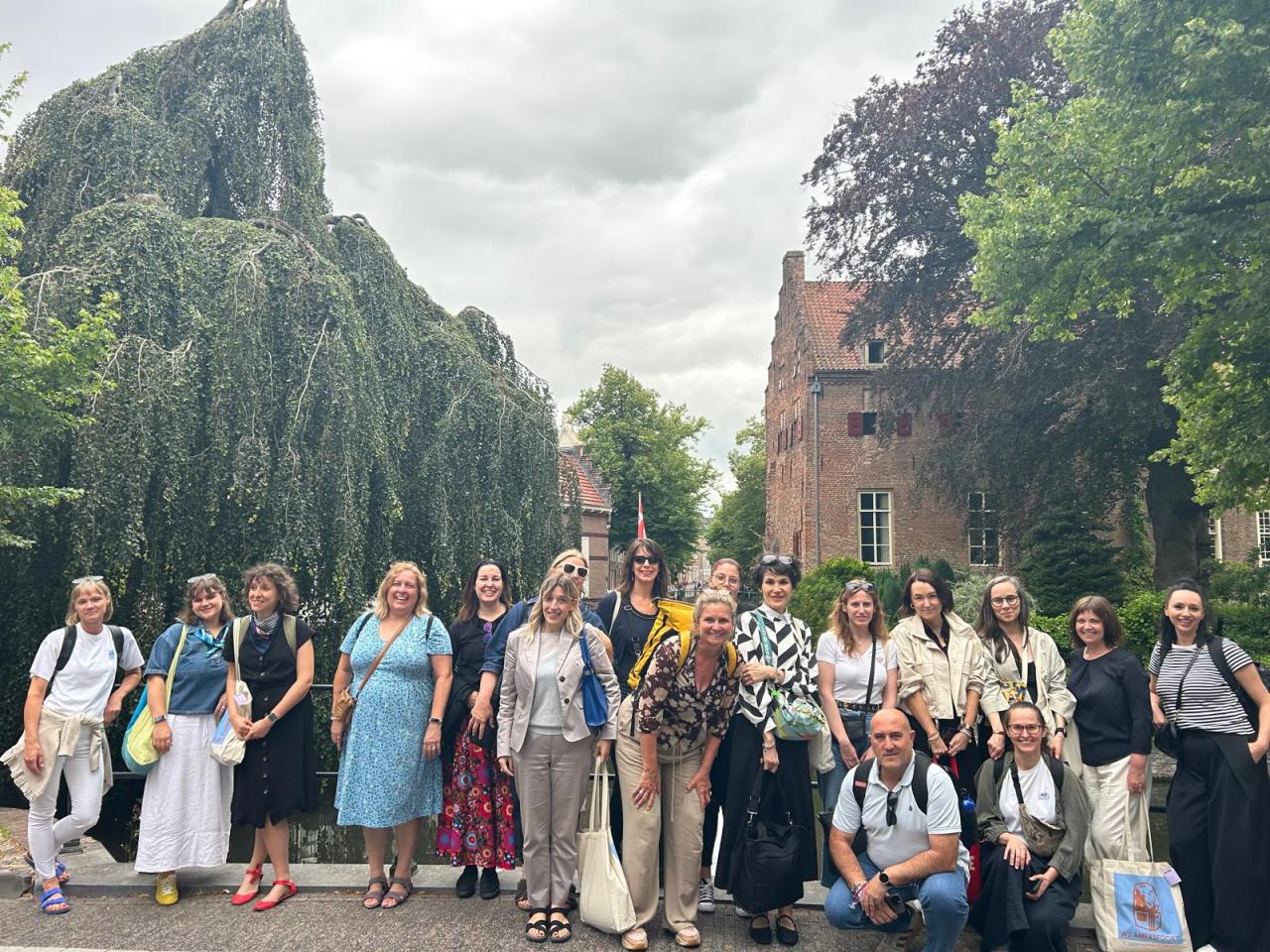
The first day focused on the sixth Core Network Meeting, where partners reviewed the final stages of their work and discussed the sustainability of their actions. Lead Expert Elisa Filippi reflected on the RECUP journey, highlighting how the network evolved from understanding and transferring a good practice to adapting and testing solutions in different local contexts. Throughout the project, partners participated in six Core Network Meetings, three thematic masterclasses and the co-creation of local Integrated Investment Plans (IIPs), which serve as key strategic outputs for the future.
During discussions led by URBACT Ad-Hoc Expert Sally Kneeshaw, partners reviewed their Integrated Investment Plans, identifying common strengths such as stronger community participation, enhanced dialogue between citizens and municipalities, improved cross-departmental cooperation and the activation of community spaces. At the same time, cities acknowledged challenges including long-term funding, political support and maintaining coordination once the project formally ends.
A second workshop explored the future of the URBACT Local Groups (ULGs) and the mechanisms needed to sustain local partnerships. Cities shared their plans to continue collaboration through cultural roundtables, advisory boards, forums and stakeholder networks, demonstrating the strong commitment of partners to carry RECUP’s work forward.
Experiencing Social Cohesion in Practice
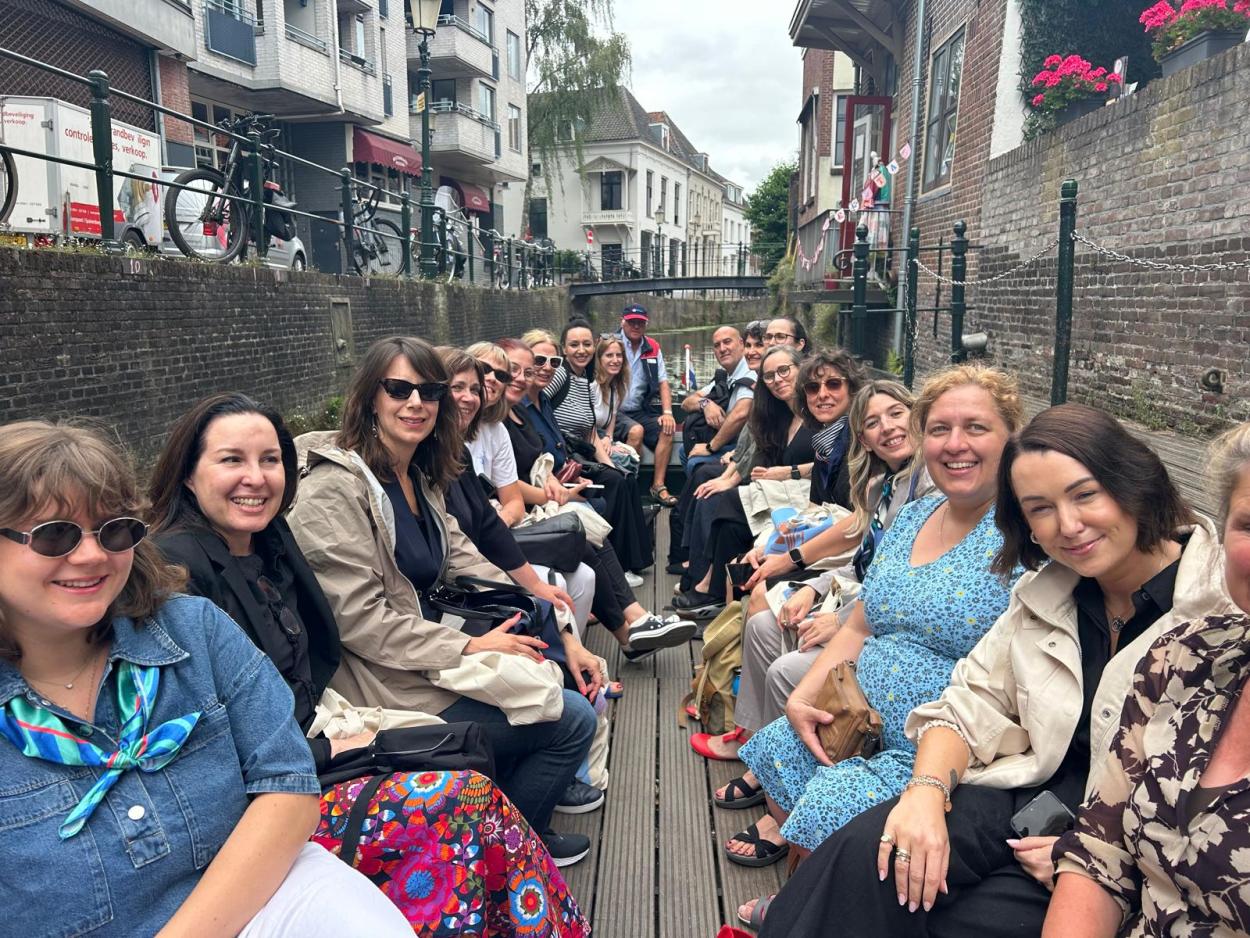
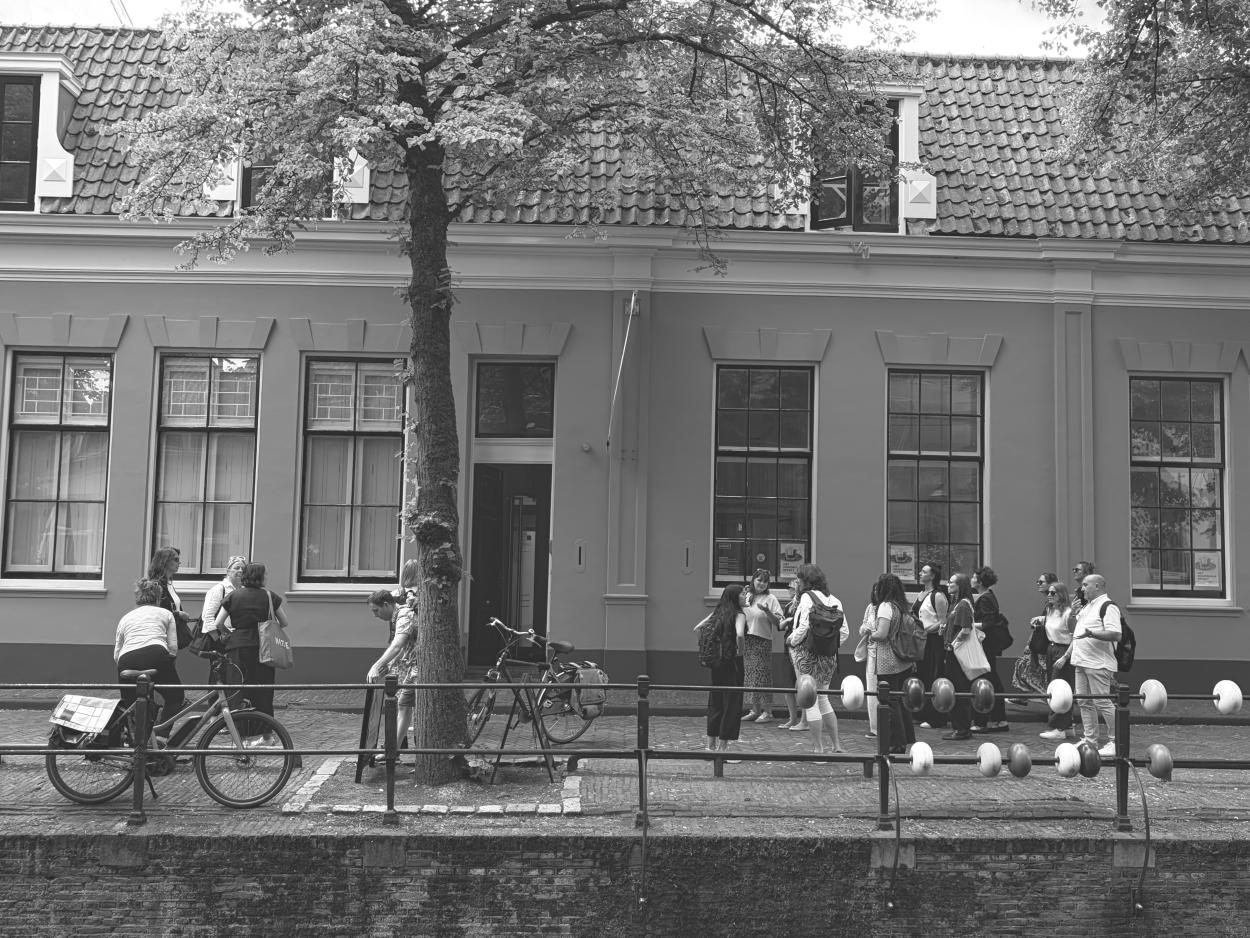
Beyond strategic discussions, the programme allowed participants to experience Amersfoort’s local initiatives first-hand. A boat tour through the city's waterways introduced its urban development story before participants visited Community Centre ’t Klokhuis, where local organisations demonstrated how accessible neighbourhood spaces can foster meaningful social interaction.
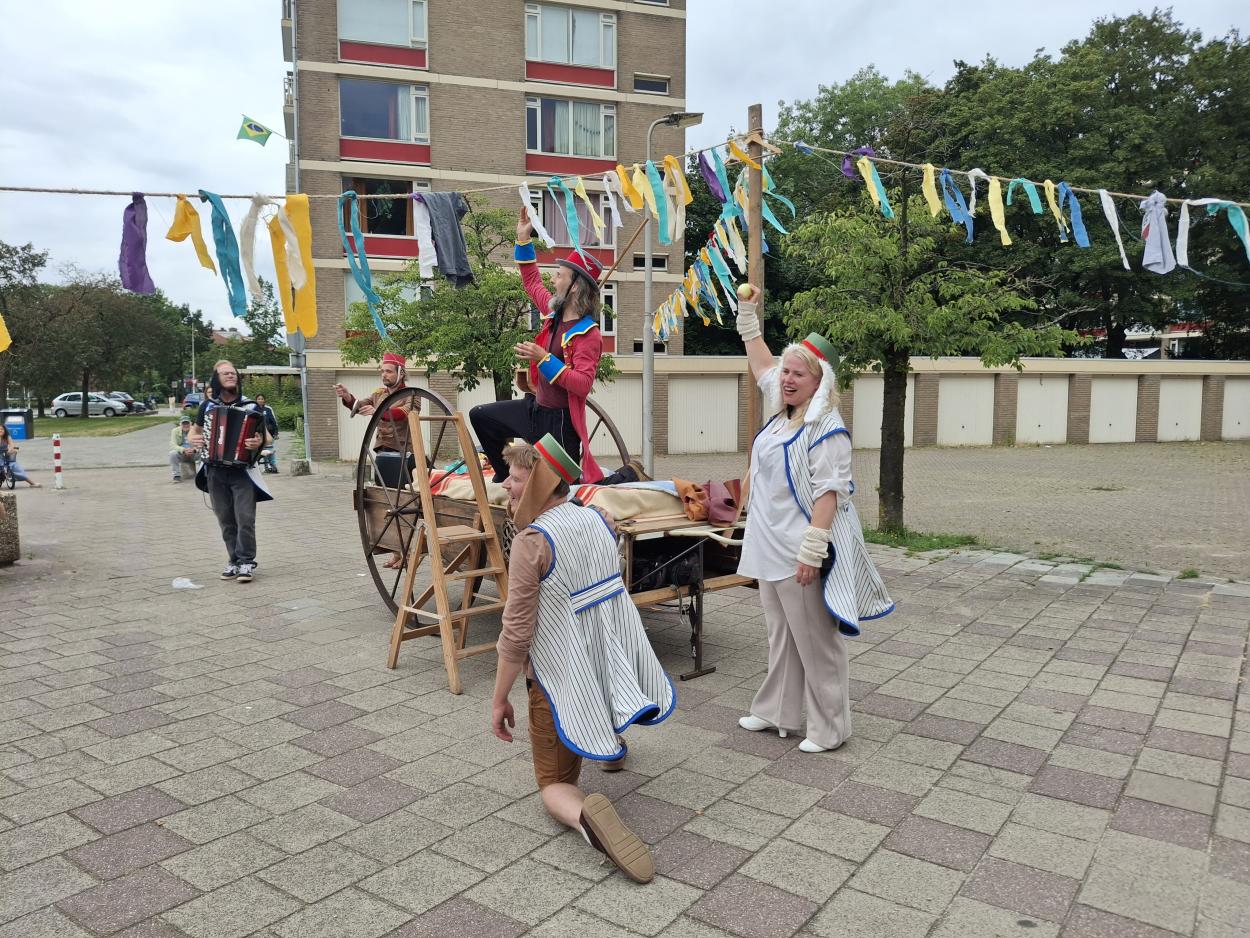
One of the highlights was the street theatre initiative led by Social Wolfpack/Rémi, showcasing how creative interventions in public spaces can encourage spontaneous participation and strengthen community relationships. The visit illustrated a core message of RECUP: cultural activities can serve as powerful tools for bringing people together and creating opportunities for connection.
Cities in (E)motions: Sharing Transformation Stories
The Final Conference opened on 9 July with welcoming remarks from Lucas Bolsius, Mayor of Amersfoort, and Zsuzsanna Borbíró, representing Lead Partner Újbuda. Both emphasised the importance of local adaptation, collaboration and learning from one another while addressing complex social challenges such as loneliness.
Under the theme“Cities in (e)motions”, RECUP partners presented stories of transformation from their cities. These presentations demonstrated how culture can help strengthen belonging, trust and social cohesion in diverse urban environments:
- Újbuda (Hungary) presented its evolving cultural roundtable, designed to sustain collaboration among local stakeholders.
- Dubrovnik (Croatia) shared how the TUP cultural hub supports local communities in a city heavily impacted by tourism
- Bielsko-Biała (Poland) highlighted initiatives aimed at strengthening public trust and civic participation.
- Sandyford Business District (Ireland) demonstrated its transformation “from concrete to community” through international and local engagement.
- Mancomunidad de l’Horta Nord (Spain) showcased how ten municipalities built a shared cultural identity through joint festivals and cooperation.
- Amersfoort (Netherlands) presented initiatives exploring how creative practice and neighbourhood networks can address loneliness and strengthen local connections.
Why Invest in Culture-Led Social Cohesion?
A key moment of the conference was the keynote speech by Judith Merkies, who placed RECUP’s achievements within the broader European policy context of loneliness and social inclusion. She stressed that while awareness and strategies exist, cities still need practical mechanisms that connect policy ambitions with people’s everyday lives. Projects such as RECUP help fill this gap by testing innovative approaches and building local partnerships.
The subsequent roundtable discussion, moderated by Elisa Filippi, brought together Judith Merkies, Feline van Bakel (National Contact Point for URBACT and EUI at Platform31) and Milene Tessarin (European Commission Joint Research Centre). Participants discussed how cities can better measure cultural and social impacts, emphasising that numbers alone cannot capture changes in trust, belonging and relationships. The panel highlighted the need for both quantitative data and qualitative evidence such as stories, interviews and community experiences.
Another central topic was legacy. Speakers agreed that the success of a project should not only be measured by activities delivered during the funding period, but also by what remains afterwards: networks, partnerships, knowledge, community spaces and strengthened relationships. RECUP has shown that culture-led initiatives can leave lasting impacts when embedded within broader local ecosystems.
A Strong Legacy for European Cities
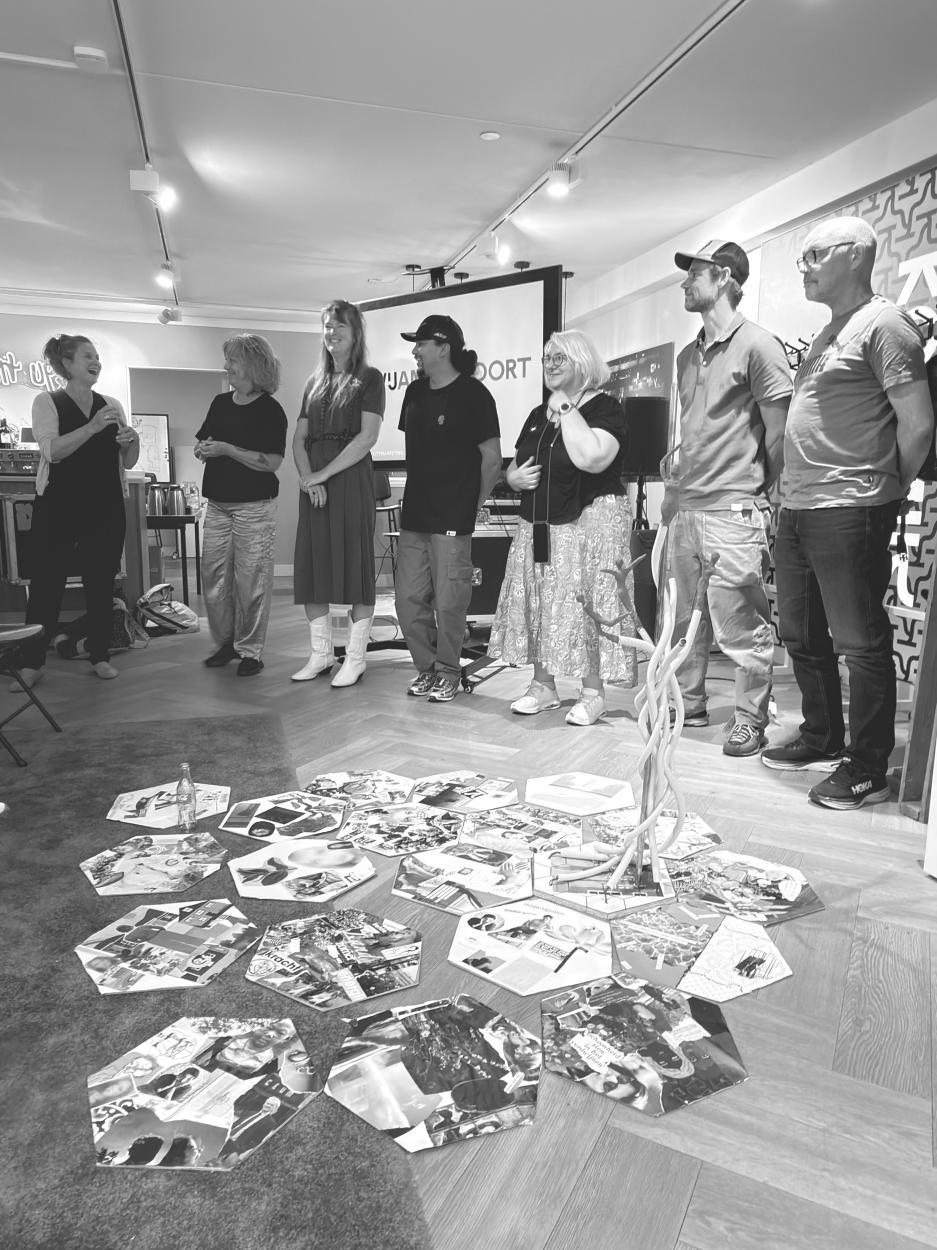
The conference concluded with study visits to Mondriaanhuis and KOSMIK, where participants explored how arts, heritage and creative engagement contribute to urban identity and social connection. Local initiatives presented Amersfoort’s“Reach Out and Make a Difference” approach, including buddy programmes, street theatre, visual storytelling and community-based activities addressing loneliness. A collective singing workshop provided a final illustration of how shared cultural experiences can build immediate and meaningful connections between people.
As RECUP comes to an end, its achievements extend far beyond the project’s formal timeline. The network has created new partnerships, strengthened local capacities and demonstrated that culture is not only a driver of urban development but also a powerful tool for building trust, belonging and social cohesion. The lessons learned across the partner cities will continue to inspire European municipalities seeking innovative ways to create more connected and resilient communities.