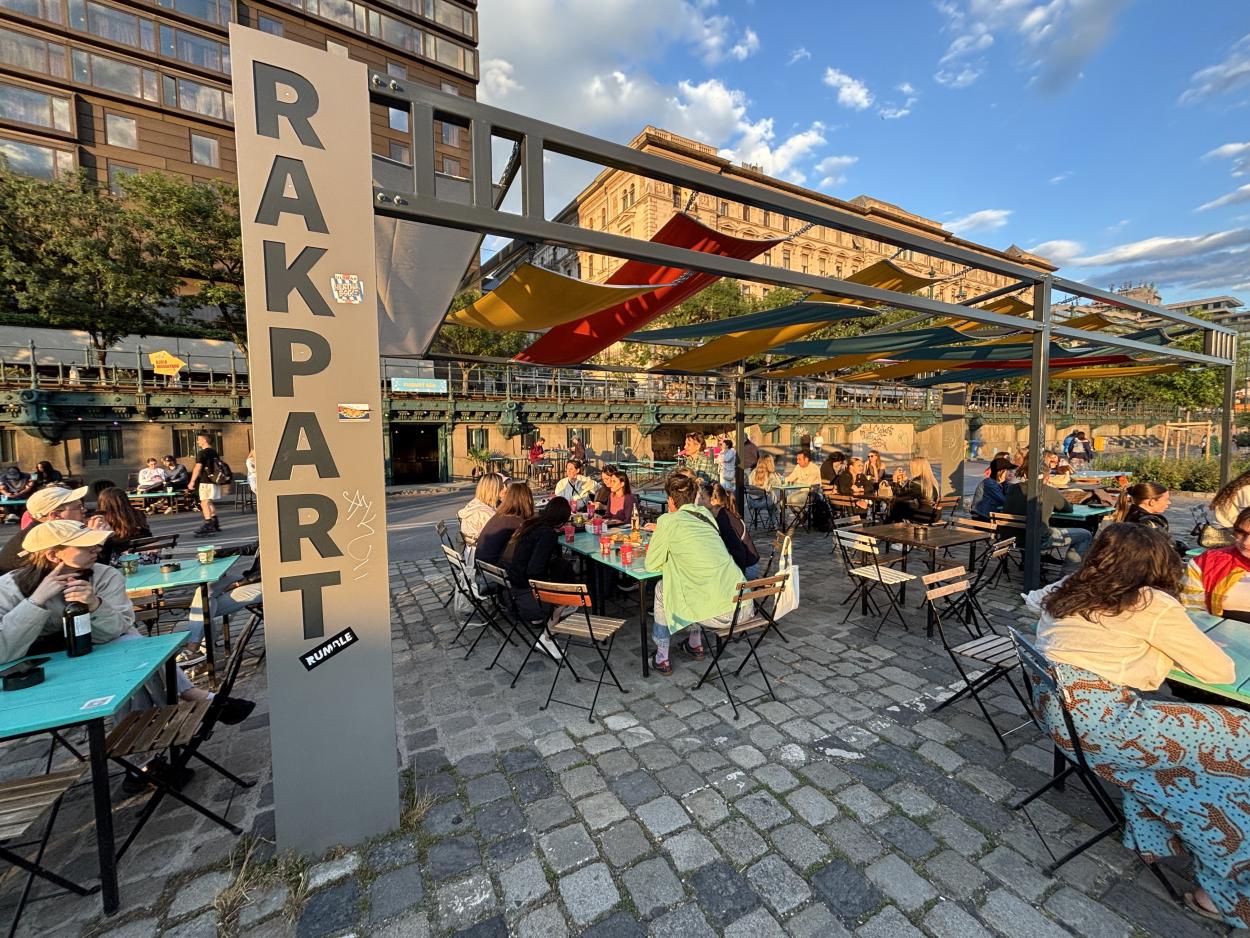
The meeting opened with a visit to the Danube riverfront, where partners discovered one of Budapest's most inspiring examples of temporary public space activation.
During the summer months, the riverside road is closed to traffic every evening and transformed into a vibrant public space where residents can walk, meet, relax, enjoy cultural events or simply spend time by the river.
Representatives of the local association Valyo shared the story behind this initiative and explained how, since 2010, they have been working to reconnect citizens with the Danube by promoting its social and cultural use.
The programme continued at the Culture Salon with two days of intensive learning activities.
Following the welcome address by the Mayor of the 12th District, partners took part in a series of workshops focused on strengthening the implementation of their local projects.
Through peer-to-peer exchanges, each city presented the progress of its pilot initiative, discussing challenges, opportunities and possible improvements with the support of the other partners.
The meeting also included working sessions dedicated to project management, internal coordination and upcoming milestones.
Learning from local experience remained at the heart of the meeting.
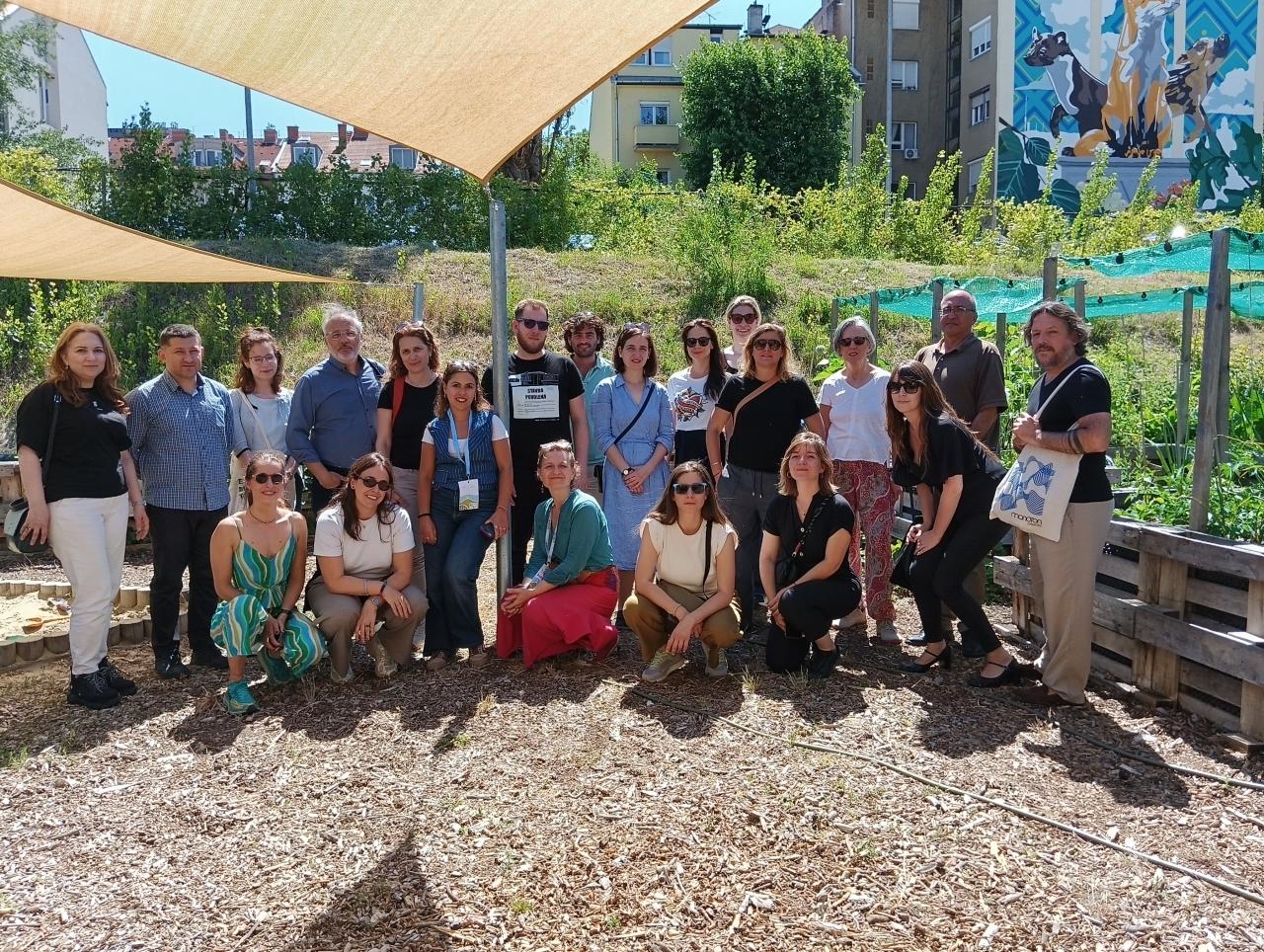
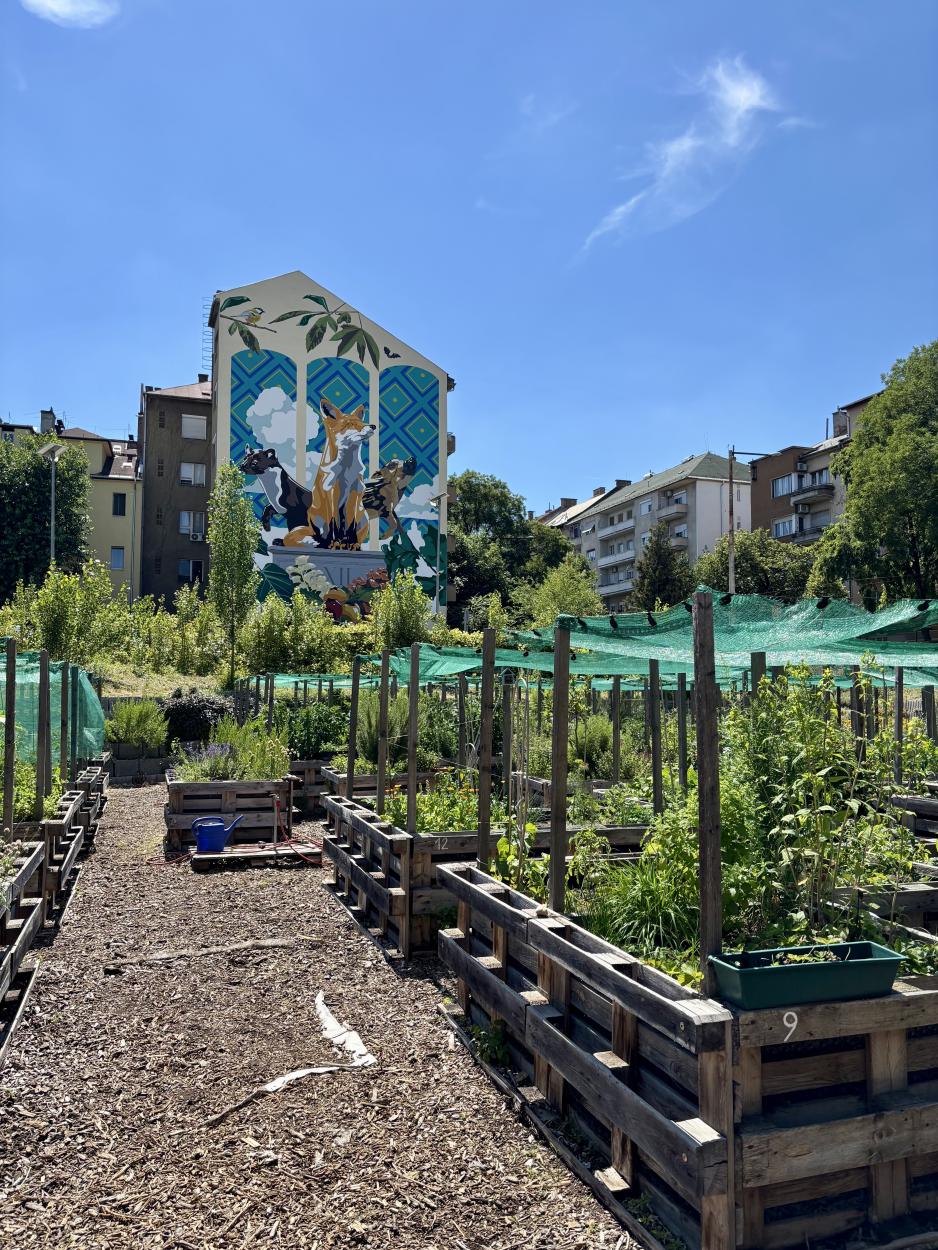
During a guided visit through the district, partners met volunteers managing a 1,500-square-metre community garden, where 34 families cultivate individual plots while contributing to a shared space that promotes social cohesion and environmental awareness.
The group also visited a public parklet located in front of the District's Participation Office, demonstrating how small-scale interventions can improve the quality and accessibility of public spaces.
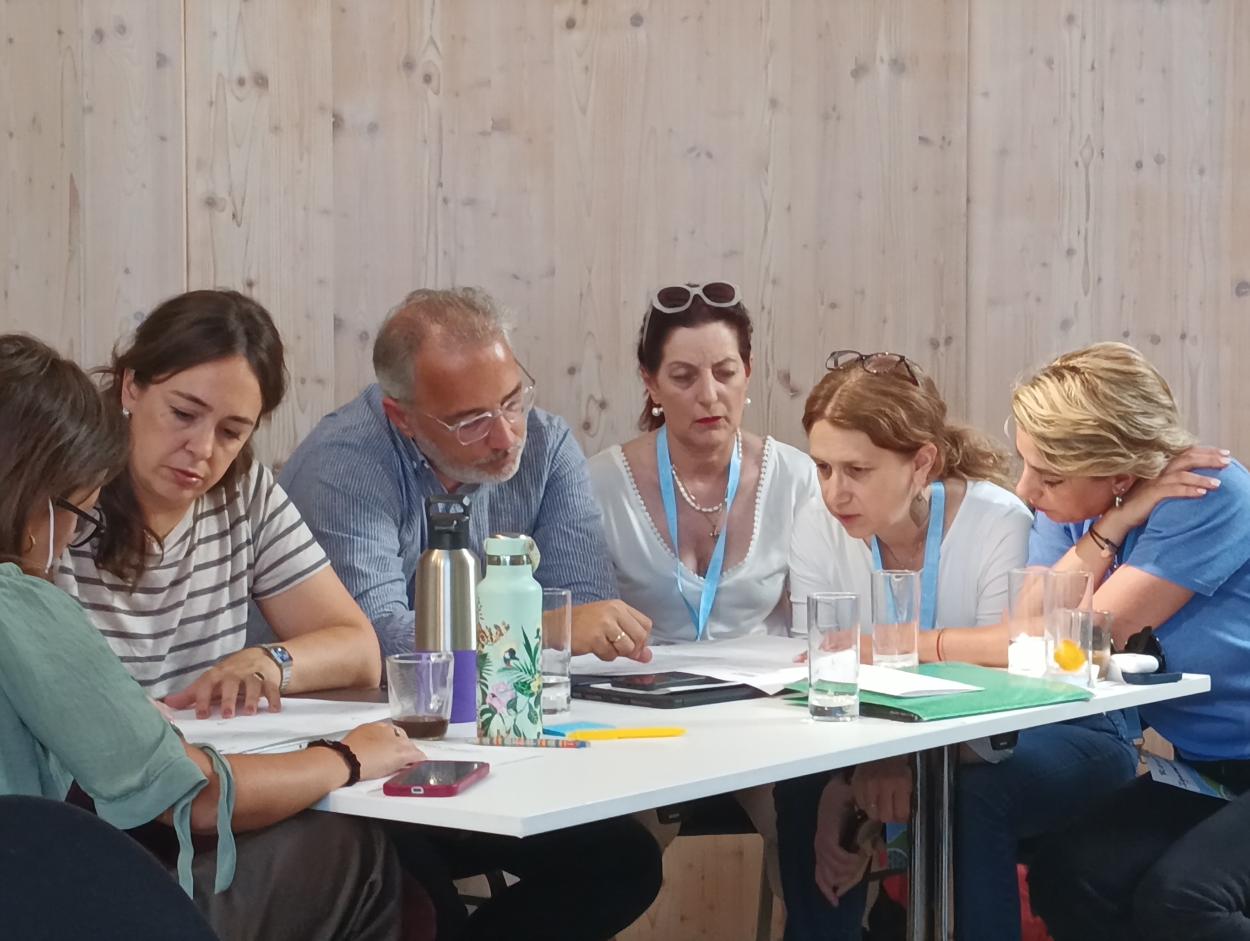
The programme continued with presentations of local projects developed by TactiCity partner cities, creating an opportunity to compare different approaches to reclaiming and activating public spaces across Europe.
A walk through the green hills of the district also offered participants a deeper understanding of the area's history and its commitment to preserving accessible green spaces for recreation, sport and community life.
The second day focused on one of the key elements of the URBACT methodology: the establishment and development of the URBACT Local Groups (ULGs).
Partners exchanged experiences and practical tools for identifying and engaging local stakeholders, discussing facilitation methods and sharing the first lessons emerging from their local processes.
The meeting ended with sessions dedicated to the project's roadmap, the preparation of the Transfer Plans and the application of the Theory of Change methodology, enabling each partner to further refine its local strategy.
Communication was also a central topic, with partners reviewing the progress made on the project's visual identity and dissemination activities while planning the next communication actions.
As the meeting came to an end, partners reflected on the achievements of the first months of cooperation and confirmed their shared commitment to supporting one another throughout the implementation phase.
The next Transnational Network Meeting will take place in October, where partners will assess progress, continue exchanging experiences and take the next steps towards creating more inclusive, vibrant and people-centred public spaces across the TactiCity network.