

On 13–14 April 2026, UNIDAS4EU partners visited Bétera, Spain, focusing on the municipality’s local system for the prevention of gender-based violence and the protection of victims. The visit explored how local authorities, law enforcement, and social support services work together to ensure prevention, early intervention, victim protection, and coordinated responses to situations of violence.
The programme provided an overview of the services, tools, and operational practices developed by the municipality, highlighting innovative approaches to victim safety, monitoring, and interinstitutional cooperation. Particular attention was given to the role of local police services, specialised victim support structures, and social services in delivering an integrated response to gender-based violence.
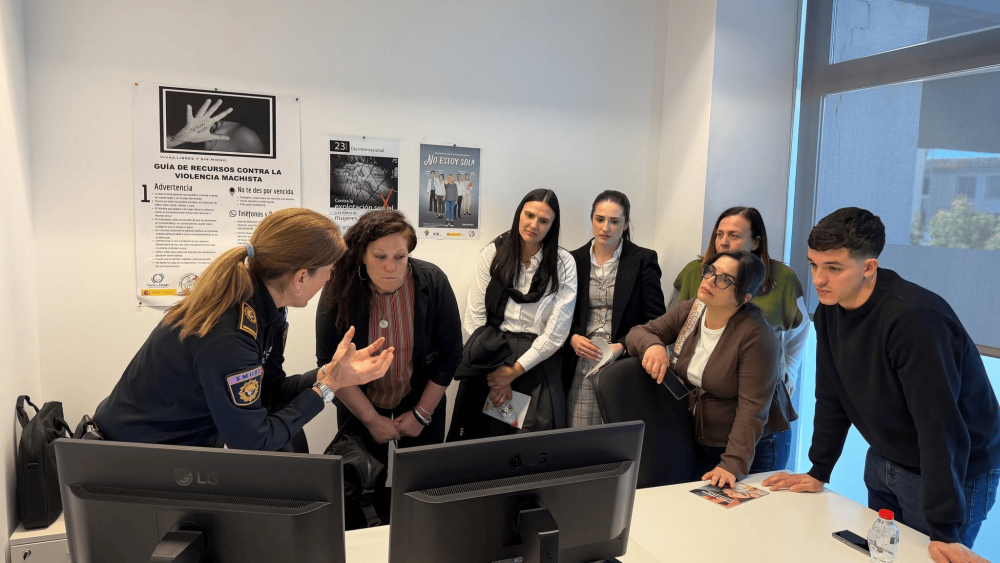
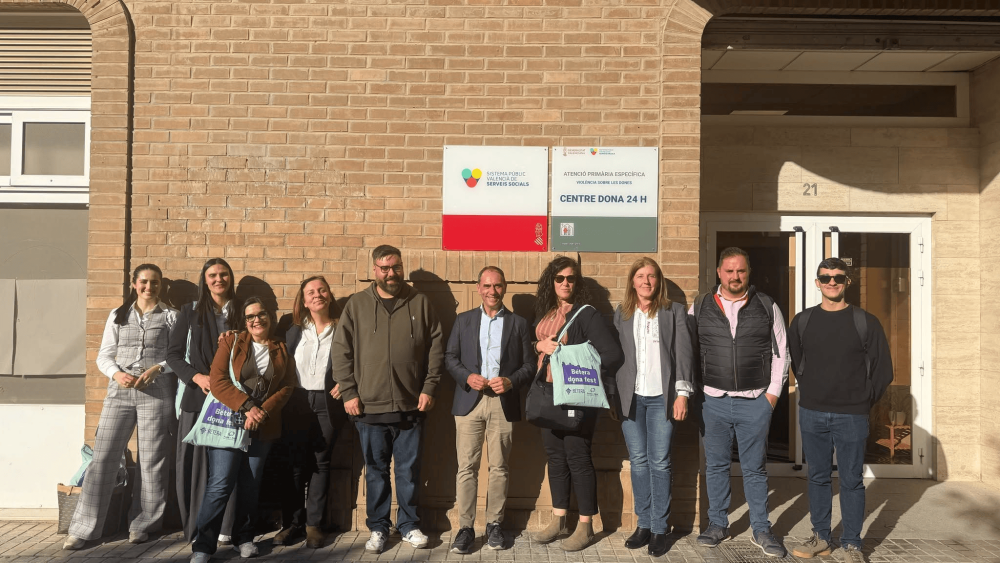
Key sites visited included the Bétera Local Police Station, the Women’s Support Centre (“Centre Dona 24h”), Bétera City Hall, and the Social Services Centre (“Espai d'Atenció de Serveis Socials”), where local stakeholders presented the municipality’s strategies, services, and coordination mechanisms.
Key Conclusions from the visit:
- Bétera has developed a comprehensive local framework combining prevention, victim protection, social support and law enforcement interventions.
- Strong cooperation exists between municipal services, specialised support structures and local police, ensuring a coordinated response to gender-based violence.
- The municipality uses innovative technological tools, including intelligent surveillance systems that support monitoring of high-risk situations and enhance victim protection.
- The IMUBE team, composed of specialised women officers within the Local Police, provides close and personalised support to victims throughout intervention processes.
- Social services and specialised victim support centres ensure a continuum of care, combining immediate assistance, psychosocial support and long-term follow-up.
Transferability Perspective:
Bétera offers valuable examples of how technological innovation, specialised policing, and integrated municipal services can be combined to strengthen local responses to gender-based violence. Its approach demonstrates the potential of coordinated multi-agency systems that bring together prevention, protection, monitoring, and victim support within a coherent local framework.
The discussions and field visits demonstrated the importance of combining human-centred support services with innovative protection mechanisms, reinforcing the role of local authorities in building safer and more responsive systems for victims of gender-based violence.