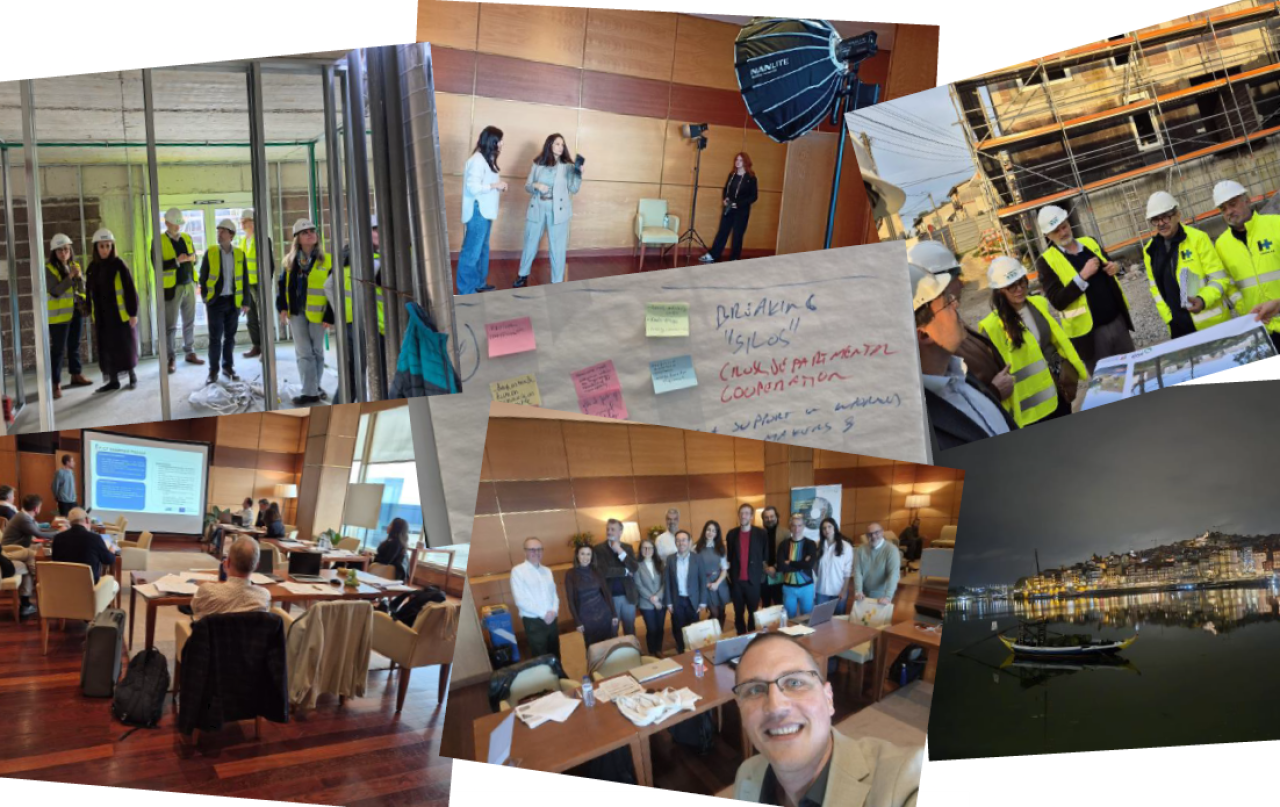
At the heart of the EmPowerIngUs project lies a simple yet powerful principle: a home is much more than a building. It includes the people who live in it, their well-being, and the wider neighbourhood environment. The EPIU model addresses energy poverty through an integrated approach that combines data analysis, tailored support services, and targeted interventions at household, building, and neighbourhood levels.
As the project moves to its completion the partner cities are percetioning their testing actions and local pilots:
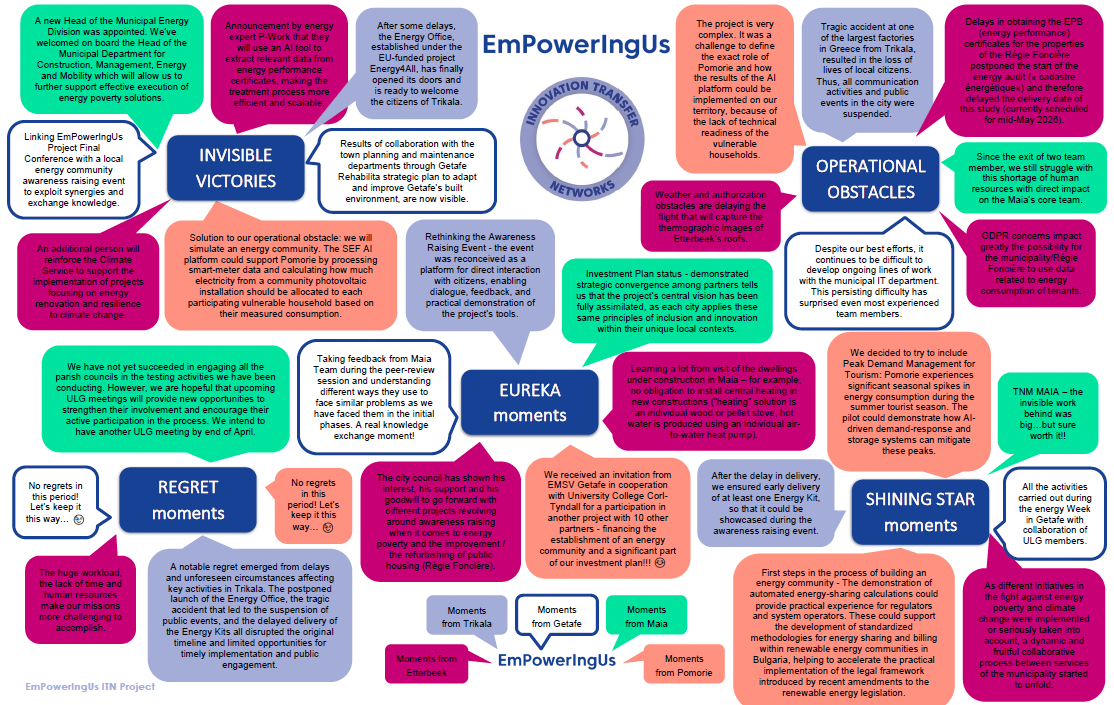
- As the lead partner, Getafe continues to demonstrate the impact of this approach. During the last quarter, the city engaged nearly 400 families through its Energy Poverty and Right to Energy Week, strengthened the local energy community “Getafe Potencia,” and advanced the development of a new building data visualisation platform designed to support more effective housing rehabilitation and energy-efficiency policies.
- In Belgium, Etterbeek has made significant progress through the development of an “energy cadastre” for its municipal housing stock. The initiative aims to identify priority areas for intervention while improving understanding of building performance. The city has also launched energy-awareness activities for tenants and is carrying out an aerial thermography campaign to detect heat losses in buildings. Particular attention is being paid to the growing challenge of summer overheating, increasingly recognised as a major climate adaptation issue.
- Maia, Portugal, has focused on building strong connections between municipal departments, universities, social housing providers, and local communities. Through a decentralised approach, meetings and activities are being organised directly within neighbourhoods, bringing energy services closer to citizens and strengthening local participation. The city has also reinforced its stakeholder ecosystem and expanded collaboration across key sectors such as energy, mobility, social development, and data management.
- In Pomorie, Bulgaria, efforts have concentrated on refining the city’s Investment Plan and expanding stakeholder engagement. New representatives from the construction sector and local development organisations have joined the local group, strengthening the city’s capacity to deliver future actions. Pomorie has also played an active role in promoting the project’s methodology, highlighting the importance of data analytics and artificial intelligence in identifying hidden forms of energy poverty that often remain invisible to traditional indicators.
- Trikala, Greece, has moved from planning to implementation. Key achievements include the launch of the city’s Energy Office, preparations for awareness-raising campaigns targeting vulnerable households, and the deployment of digital tools for monitoring energy and water consumption. The city is also developing practical support measures, including the distribution of energy-saving kits and personalised advice to residents.
The experience of EmPowerIngUs demonstrates the value of transnational cooperation in addressing one of Europe’s most pressing social and environmental challenges. By sharing knowledge, testing innovative solutions, and building strong local partnerships, the network is helping cities create more resilient, inclusive, and energy-efficient communities while accelerating a just energy transition across Europe.
Interested to learn more? Have a look at EmpowerIngUs 4th Quarterly Network journal by Klemen Strmšnik