
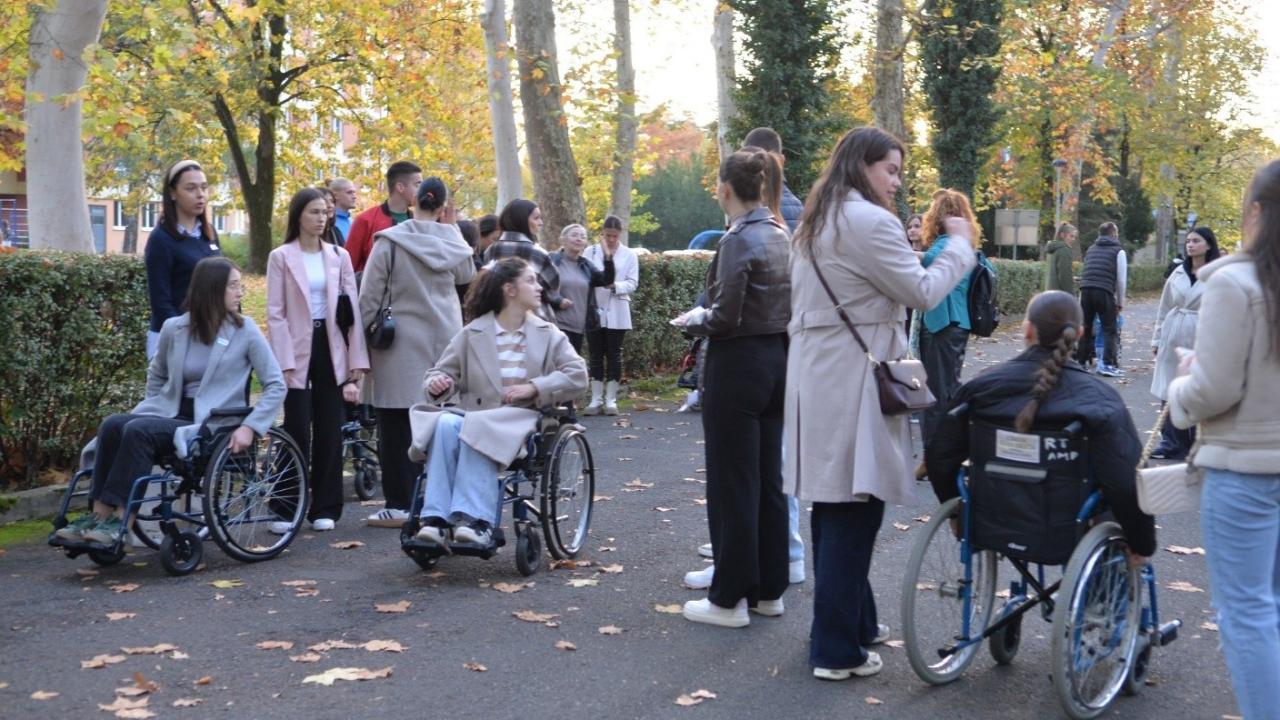
Nimble fingers start strumming the guitar and forming a recognizable tune: Happy Birthday to you. It is early afternoon. Outside a typical mid-May Parisian sky, inside, 27 cities from across the Western Balkans have gathered for the URBACT Pioneer Accelerator Camp and are singing to celebrate my birthday.
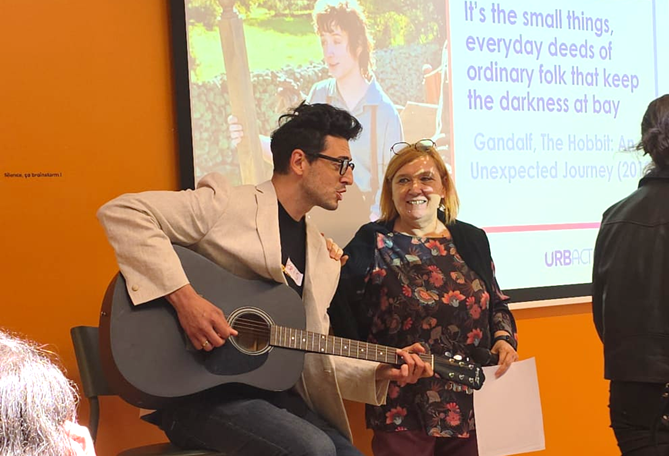
URBACT Masterclass on Storytelling in Paris (13 May 2026)
Needless to say, my birthday is not the reason they are here.
Urban planners deal with infrastructure, civil servants manage regulations and project managers deliver actions. Storytelling, in comparison, can sound soft, perhaps even frivolous.
"So, what's storytelling got to do with this?"
By this point, the cities’ pilots are underway across all four UPA thematic clusters: mobility, urban nature, sustainable tourism and waste management. Cycling schemes are being tested, parks are being renewed, composting initiatives and tourism projects are readied. The challenge at this point is a challenge familiar to anyone working in urban development: “How do you get people to care?”
Over the following weeks, through a series of storytelling clinics with cities and local mentors from Serbia, Montenegro, Bosnia and Herzegovina and North Macedonia, that question has started to get some tentative answers.
This is the story of what we learned along the way.
Stories are about people, not projects
Many bedtime stories contain “magical” objects that help the protagonist achieve something, a map, a secret key or a wand. These objects matter, sometimes enormously, but they are not remembered as the hero of the story. Urban projects are often presented the other way around. Cities tend to place the technology, infrastructure or solution at the centre of the narrative. Yet a bike-sharing scheme, a sensory garden or a digital tourism platform are closer to the magical object as they only become meaningful because they help someone change their situation.
In Banja Luka (BiH), conversations initially focused on the design of a sensory garden aimed at improving accessibility and inclusion. The story comes alive when participants started talking about children with autism and their families navigating public spaces. The garden was no longer the story and became the tool that enabled a more inclusive experience of the city.
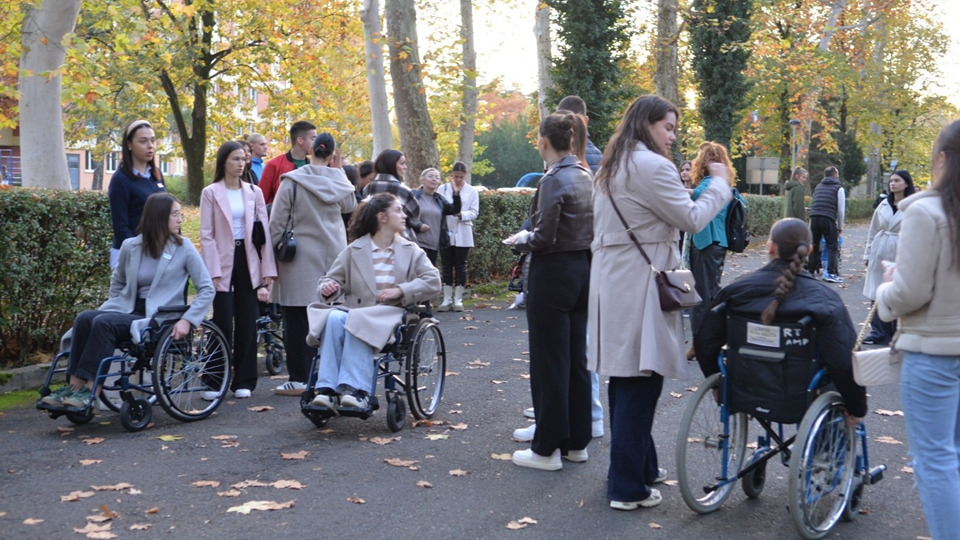
Figure 1: The city Safari in Banja Luka- Courtesy of City of Banja Luka
The same shift happened in Aranđelovac (Serbia), where the bike-sharing scheme became far more compelling when the discussion moved away from bicycles and docking stations towards the image of a child cycling independently and safely through the city.
In both cases, the intervention remained the same but what changed was the protagonist, the infrastructure became the enabler of the story rather than its central character.
People remember the moments of change
Most cities are very good at describing what they are doing, they can explain activities, timelines, indicators and pilot actions in great detail. What proves more difficult is describing what will actually be different as a result … and yet this is where stories live.
In Vinica (North Macedonia), they are working on the creation of an amphitheatre within a local park. The story became much stronger when we stopped talking about the structure itself and started imagining what it would enable, things like young people gathering, local performances taking place, families spending time together and a neglected space becoming a focal point of community life.
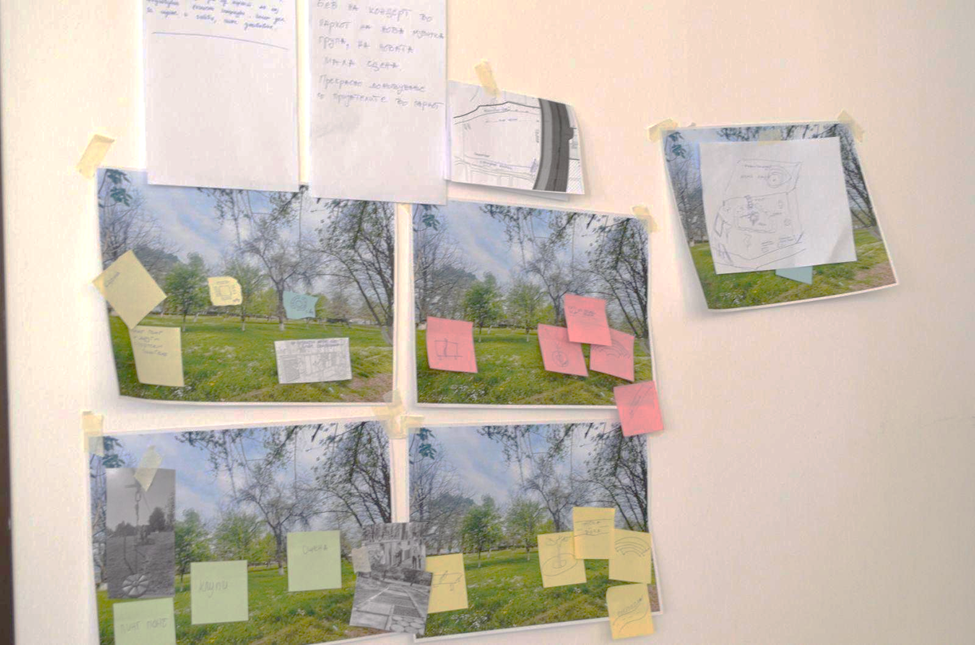
Figure 2: Building the amphitheatre in Vinica
The composting initiative in Bački Petrovac (Serbia) includes bins, collection systems and educational activities, all important elements of the project. Yet the most compelling narrative emerged when we started talking about children bringing new habits into their households, families seeing the organic fraction as a resource rather than a problem and schools becoming catalysts for behavioural change across the wider community.
Across all four clusters, the strongest stories helped people imagine a different future rather than understand a technical intervention.
Emotion is not the opposite of policy
One can argue that public policy is about changing people's lives, and people experience change emotionally before they experience it statistically. Public administrations are comfortable discussing plans, budgets and indicators, yet the strongest stories emerging from the clinics almost always contained a strong emotional entry point.
In Senta (Serbia), conversations around youth engagement quickly moved beyond activities and events towards questions of belonging, identity and aspiration. How do young people see their future in the city? Do they feel represented? Do they feel that their ideas matter?
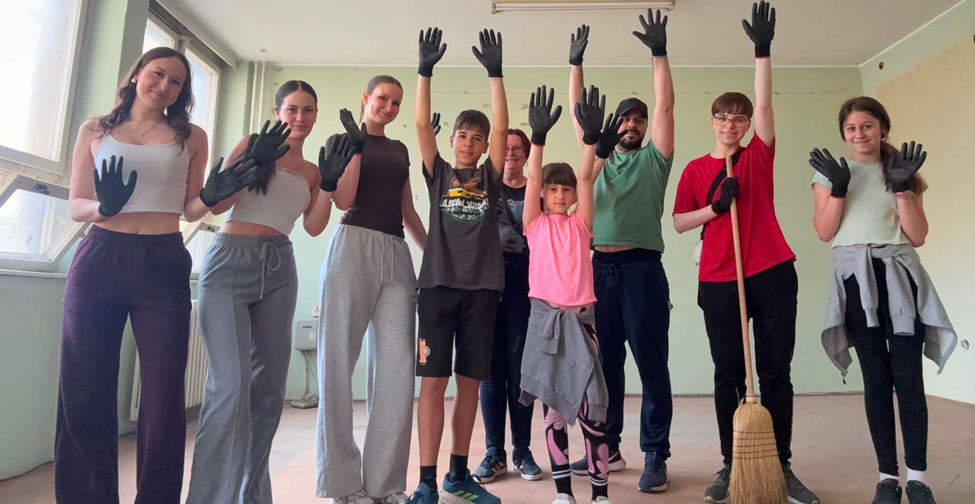
Figure 3: cleaning group action in Senta
A similar dynamic emerged in Sarajevo (BiH). Therapeutic gardens became far more meaningful when the narrative shifted to memories, wellbeing and the role public spaces can play in supporting mental health and community life.
Emotions do not replace evidence - this must be clear - but they can help people understand why evidence matters. Citizens are far more likely to engage with accessibility, cycling rates or green infrastructure when they can connect those outcomes to feelings they already understand such as safety, joy, pride or hope.
The best storytellers may not work in City Hall
One of the reactions during the training was that storytelling sounded suspiciously close to something designed for fiction rather than municipalities. For some participants, stories belong to the worlds of education, entertainment, culture or marketing, while public administrations dealt with more serious matters. For cities, this apparent weakness can quickly reveal itself as a strength.
Several cities discovered that some of the most powerful storytellers are often those experiencing change directly. Children, young people, teachers, advocates, community groups and residents frequently prove more effective at explaining a pilot's value than any official presentation because their stories feel authentic and relatable.
In Mostar (BiH), discussions around waste management highlighted the importance of finding messengers who could connect with different parts of the community. Following the fire that destroyed the city's waste facility, schools, youth groups and local organisations could emerge as potential storytellers capable of rebuilding engagement and explaining why change still matter.
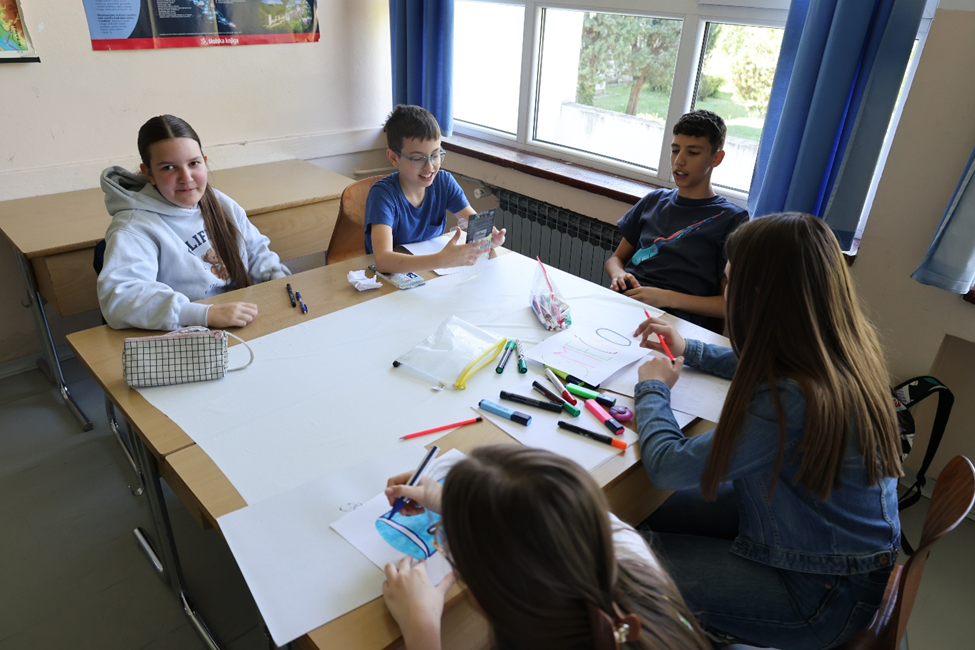
Figure 4: Action lab with schools in Mostar
One of the key messages emerging from the URBACT storytelling work is that storytelling is not a talent reserved for communication professionals. Cities can start with simple steps like using everyday language, collecting testimonies and beginning with the people involved rather than projects technicalities.
The most successful cities are those that manage to combine the creation of space for citizens to tell their own stories with gradually building their own confidence and capacity to communicate change in a more human way.
Storytelling starts with listening
Throughout the clinics one recurring concern that cities candidly shared was public trust.
Whether discussing mobility, tourism, waste management or urban greening, or even storytelling, the cities repeatedly referred to a challenge familiar to many local governments across the Western Balkans. In some places, low trust in public administrations stems from years of unfulfilled promises, limited opportunities for participation or broader perceptions of corruption and disengagement, even towards EU funded initiatives. Whatever the reason, even the most well-intentioned project – or story- can be met with scepticism.
When trust is fragile, better communication alone is rarely enough because, before people are willing to believe a story, they want to know what’s in it for them and need to feel that they are part of it. This is the essence of storymaking.
The tourism pilots in Bosnia and Herzegovina offered particularly interesting examples. In Kakanj, discussions quickly moved beyond routes and attractions towards local identity and the stories people could tell about their own place. Similarly, in Široki Brijeg, heritage should not simply be promoted through information panels or digital tools, the most meaningful narratives could emerge by involving residents, local organisations and visitors in interpreting and sharing what makes the place distinctive.
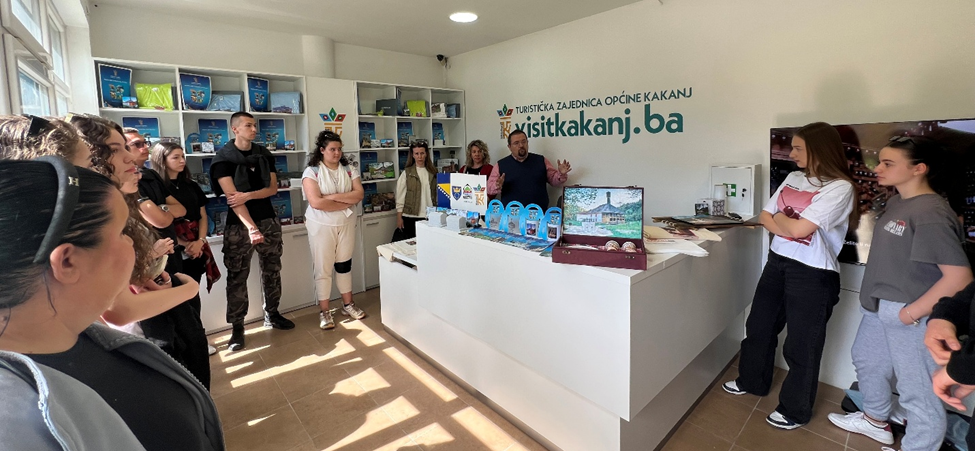
Figure 5: Action lab in Kakanj (BA)
The shift may seem subtle, but this early engagement changes the relationship between the city and its citizens. Listening, therefore, is not simply the first step of storytelling but oftentimes it is an key step towards legitimacy.
People believe stories they can experience
People trust what they can see, touch, use and experience for themselves, into what is often described as storydoing. While storytelling and storymaking helps people imagine change, storydoing allows them to experience it directly.
The concept of storydoing as a form of storytelling was not entirely new to the participating cities because, throughout the Pioneer Accelerator, they had already been experimenting with Action Labs—small-scale testing activities designed to engage stakeholders, gather feedback and refine pilot actions before full implementation. Therefore, consciously or not, many had already been practising storydoing, discovering that involving people in an experience often generated more understanding, ownership and enthusiasm than simply explaining an idea.
In Tivat (Montenegro), the pilot focuses on improving accessibility in public spaces through a series of practical interventions. The story there is not about ramps, design standards or infrastructure but whether people can move through the city more independently, comfortably and confidently through the experience of using the space itself.
The same logic applies across many of the mentioned UPA pilots. All these experiences create personal evidence, something communication alone rarely achieves.
In many ways, this “embodiment of the story” mirrors the broader journey of the Pioneer Accelerator itself, since the programme has encouraged cities not only to design solutions, but to test them, adapt them and build them together with local stakeholders. Storydoing simply gives a name to something many cities had already discovered through practice.
An epilogue?
Back in Paris, as the last notes of Happy Birthday faded and the workshop began, the question hanging in the room was still there: what has storytelling got to do with urban change?
Months later, after dozens of conversations, pilots and clinics, we have some initial answers. Before people support a project, they need to see themselves in its story. And before cities can tell that story, they need to create it together.
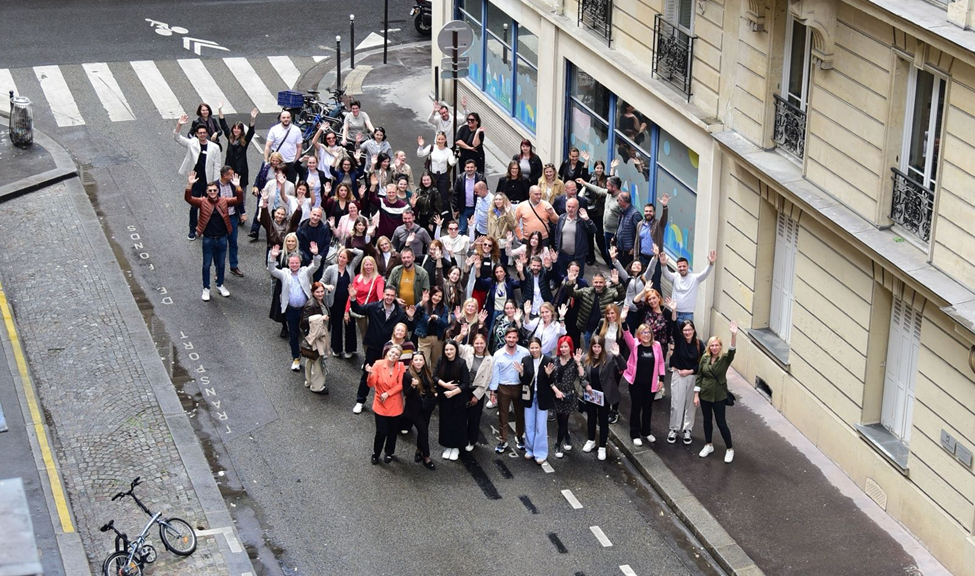
Figure 6: The URBACT Accelerator Pioneers - together - in Paris (13 May 2026)
By Sandra Rainero