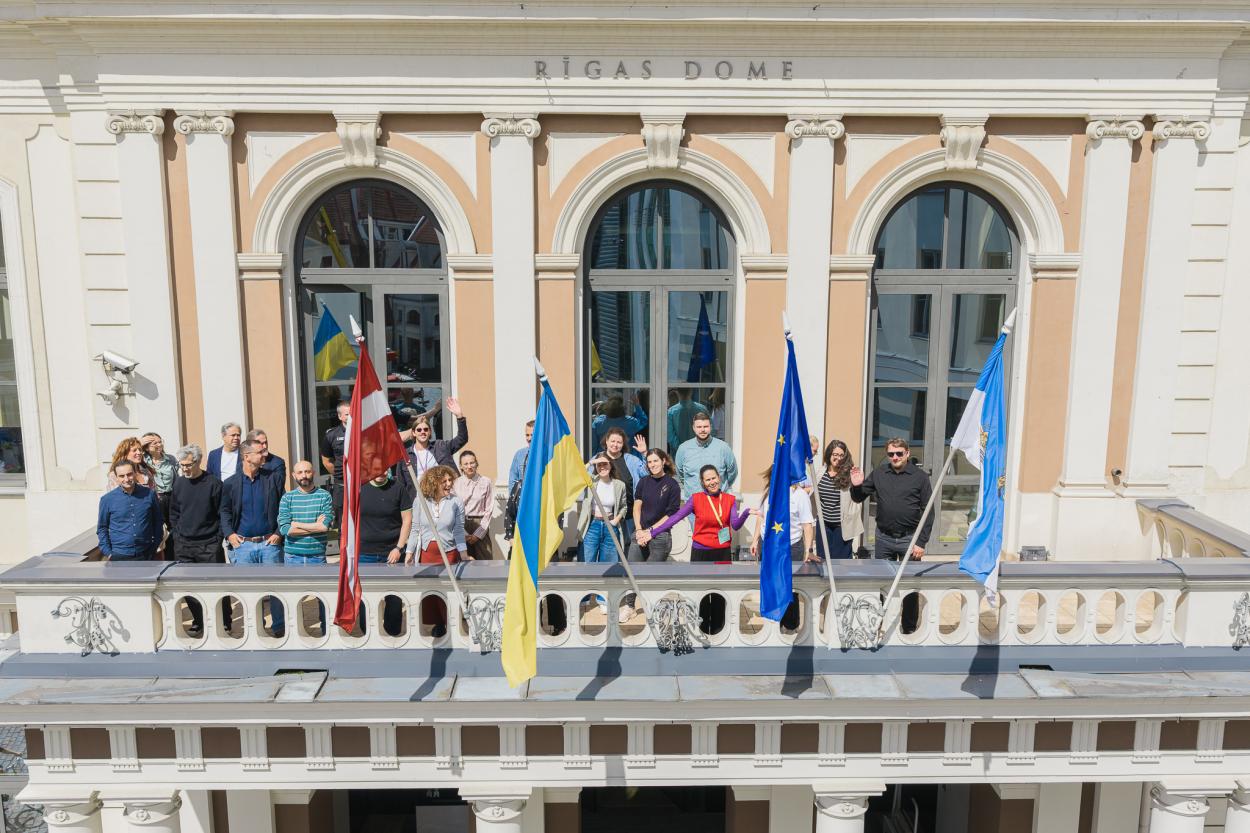
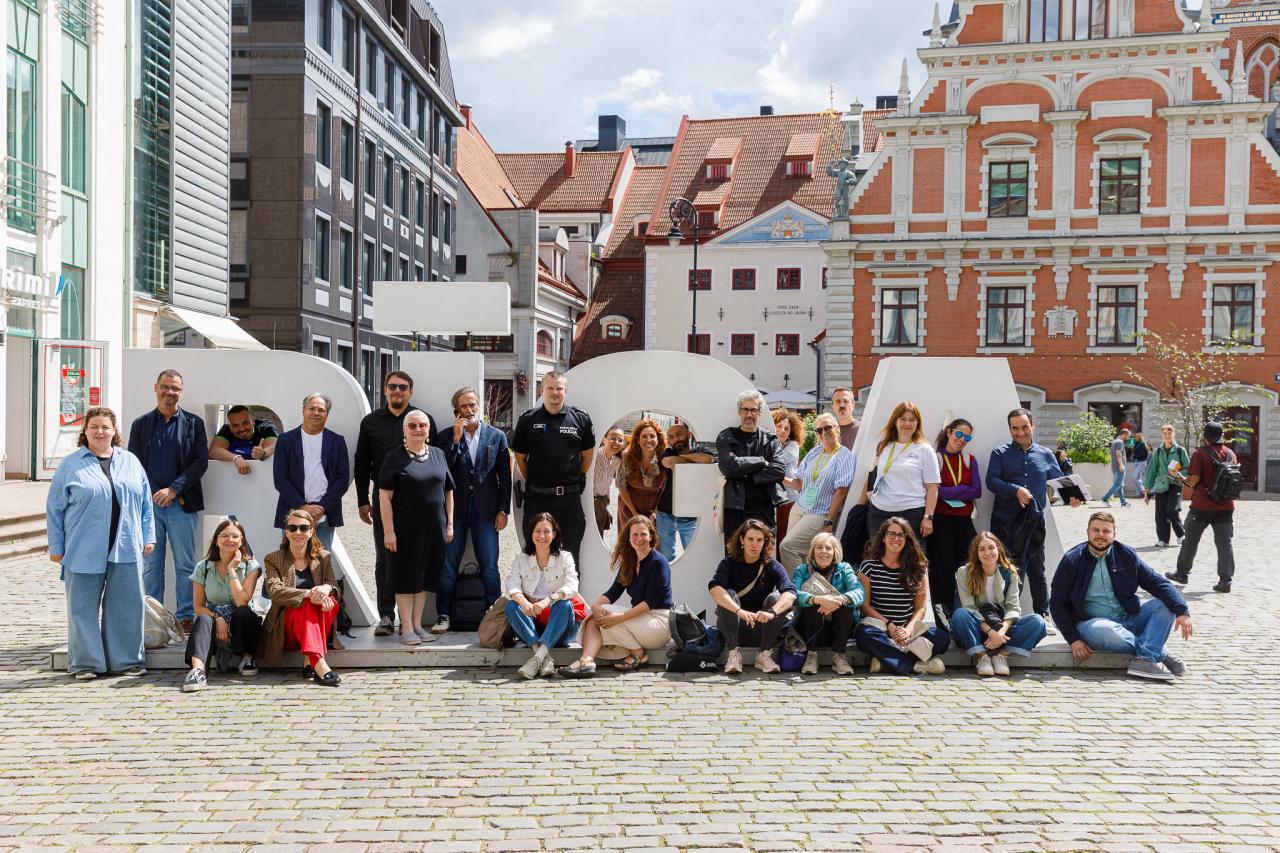
Day 1: Riga Evening and Nighttime Forum
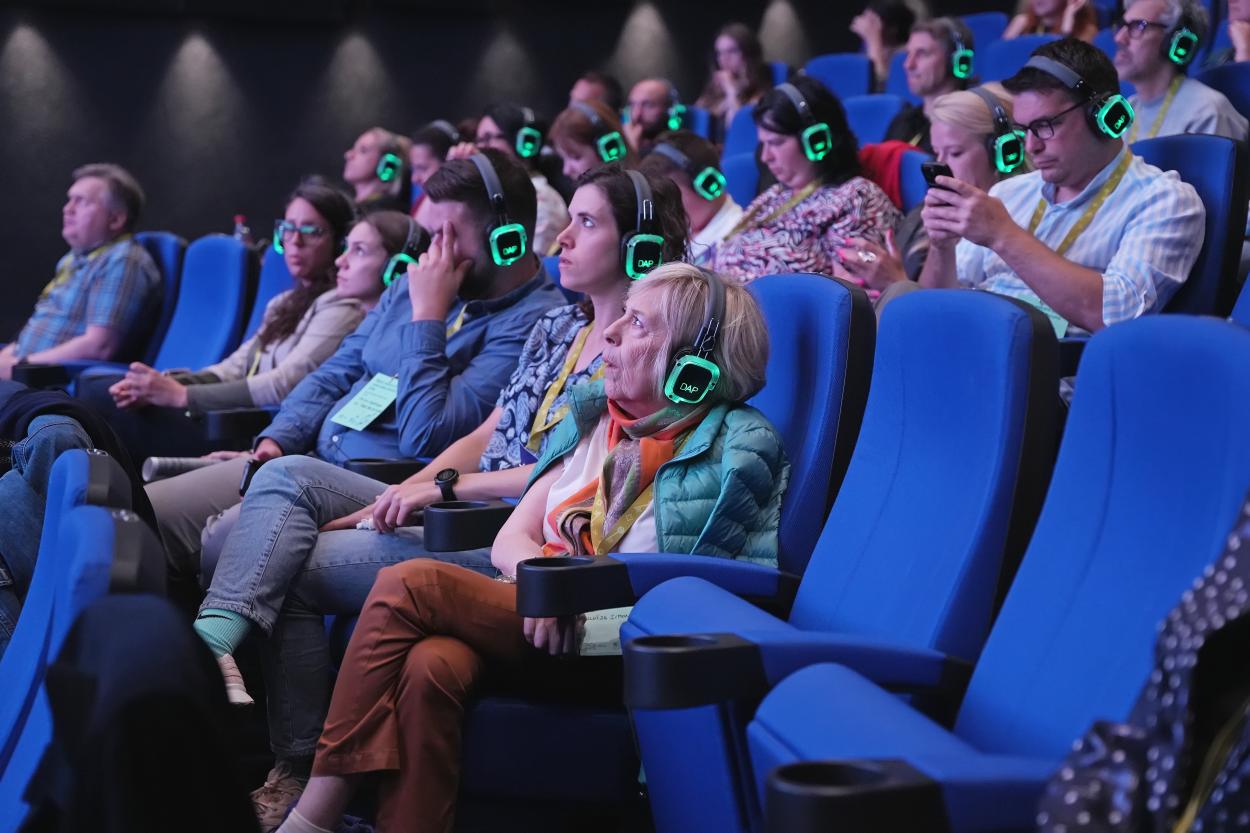
The first day, hosted at the Splendid Palace movie theatre, opened with a welcome from the Mayor of Riga, Viesturs Kleinbergs, and City Council Representative Mārtiņš Eņģelis. The opening remarks highlighted the unique nature of the Latvian night—which begins after 5:00 PM for half the year—and stressed the importance of finding a balance between vibrant city noise and the residents' right to silence. Following these initial reflections, the evening unfolded into a comprehensive and dynamic forum: participants explored global nighttime trends and urban resilience frameworks with international experts, reviewed collaborative progress across the 2Nite network, and listened to seven impactful experience reports from local civic, legal, and cultural actors. The program actively concluded out in the field with thematic explanatory walks, allowing attendees to experience Riga's nocturnal biodiversity and subcultural creativity hubs firsthand on the city streets.
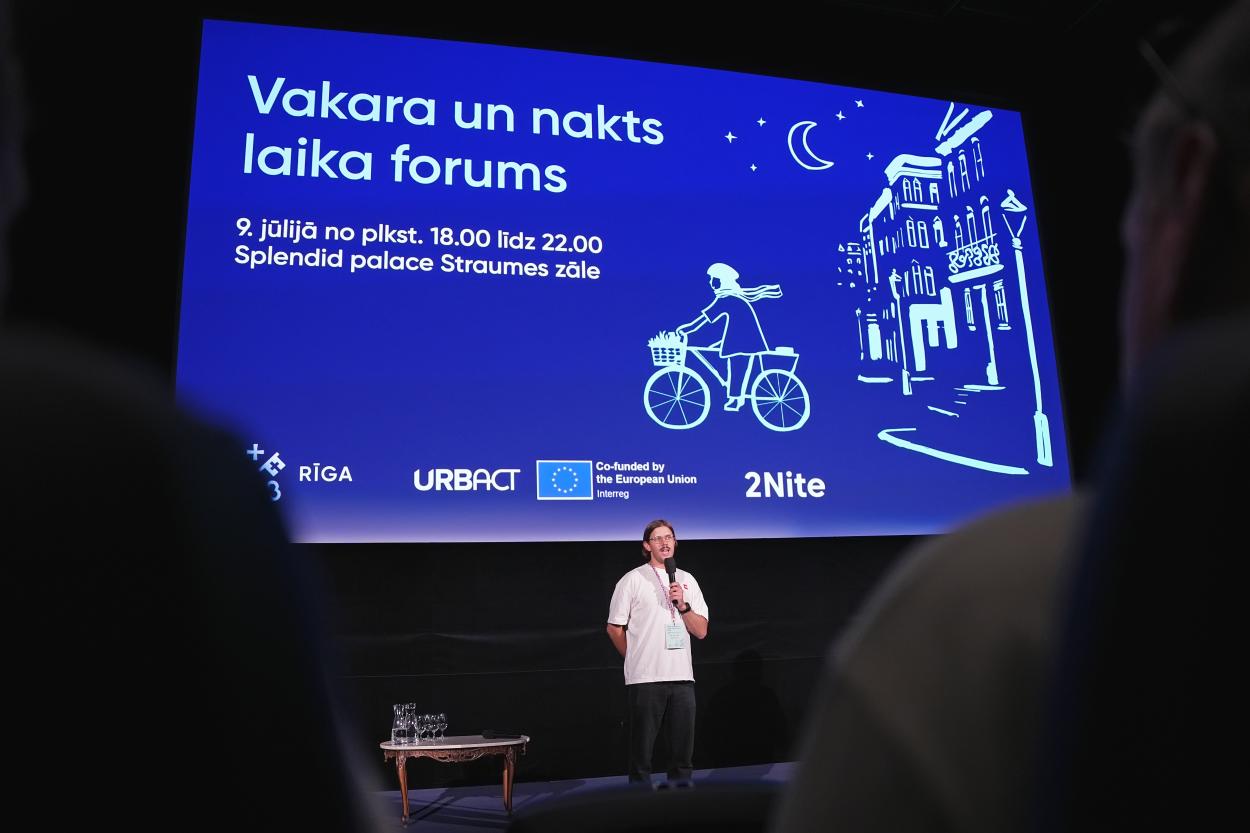
Global Trends and The World at Night
The first sessions provided a broad perspective on nighttime governance by welcoming international leaders to share data-driven methodologies and emerging urban frameworks:
VibeLab
A comprehensive analysis of the evening economy was presented by the co-founder of VibeLab and the non-profit Nighttime Foundation, a former executive board member of the Clubcommission Berlin, and a global expert who has worked in over 80 cities in partnership with organizations like UN-Habitat and the World Economic Forum. The presentation introduced the operational definition used in global studies, which defines nightlife as "the evening, night time and early morning spaces where people meet, ideas are exchanged, cultures are expressed, and creativity happens – primarily between 6pm–6am". This definition encompasses far more than traditional entertainment, covering clubs, restaurants, theatres, night markets, community halls, late-night buses, street food trucks, and illuminated parks that stay open after dark. Ultimately, it was emphasized that "the question is no longer whether cities should govern the night, but whether they can afford not to". Examples from Amsterdam, London, and Sydney demonstrated that good governance breaks down municipal silos.
Cities After Dark
This session presented the first European network dedicated to the governance of the night as an urban system. The project, once again, recognizes the period between 6:00 PM and 6:00 AM as a strategic dimension of public policy where culture, economy, public health, equality, mobility, public space, and collaborative governance intersect. The presentation explained how the network supports cities through diagnosis, testing, and institutionalization of policies, shifting from reactive conflict management to integrated nighttime governance. It highlighted how cultural activation, such as the Braga After Dark festival, can reduce conflict, promote safe and inclusive spaces beyond daytime boundaries, and position the night as a social, cultural, and economic urban asset.
Riga's Progress (420 Days Later)
The city presented its recent milestones, including the return and expansion of the night bus network, year-round terrace operations, new noise regulations, and bans on nighttime fireworks and bright billboards. To animate public spaces during the cold season, Riga introduced a new grant scheme for free public events organised by private entities between September and April (funding up to € 20,000 per project, covering 50% of indoor and 75% of outdoor costs). Looking ahead, Riga outlined its nighttime roadmap structured around five strategic pillars—Spatial Development & Planning, Macroeconomics, Nightlife, Tourism & Culture, Public Well-being, and Policy & Governance—supported by a horizontal municipal role acting as a contact point and bridge for continuous stakeholder coordination.
URBACT 2Nite Network & Civic Engagement
The following session outlined to the audience the overarching evolution and methodology of the 2Nite project, emphasizing how the European network collaborates to make evening and nighttime public spaces safer, livelier, and more inclusive through active community engagement and co-design. The partner cities shared practical, executive updates on the progress of their respective URBACT Local Groups (ULGs) and the participatory methodologies implemented across their territories:
- Torino (Italy): As lead partner, the city illustrated how the European network scaled up the participatory methodologies of its local ToNite safety project. Locally, Torino focused on shifting the municipal approach from top-down security interventions to active community empowerment, using ULG meetings to co-design civic proximity services that reclaim and animate public spaces after dark.
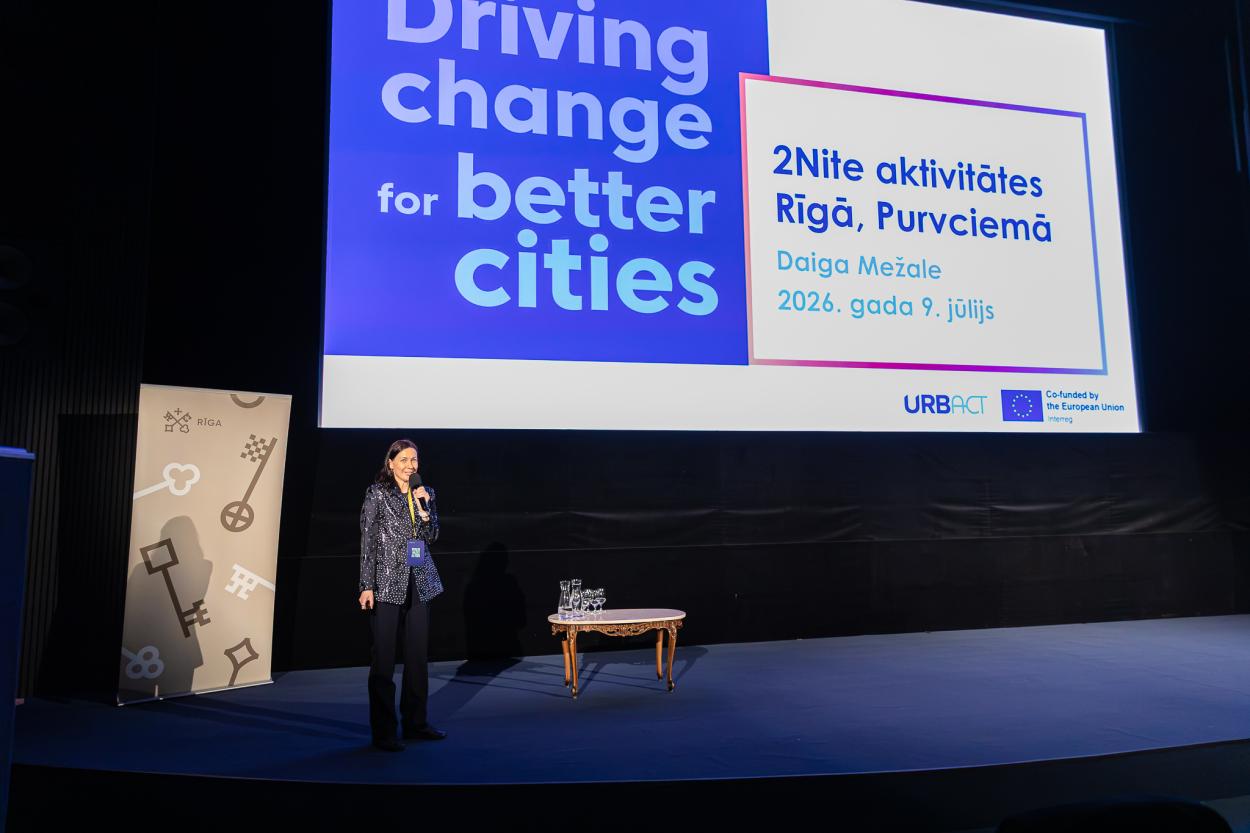
- Riga (Latvia): Addressing a profound lack of social trust in the Purvciems neighbourhood, the local team empowered residents through collaborative mapping, explanatory walks, street interviews, and courtyard gatherings (such as photo tour and recipe-sharing events). This grassroots engagement culminated in a neighborhood hackathon where residents co-designed several community initiatives, including an open-air cinema, marking a successful transition from passive observation to active community ownership.
- Sant Boi de Llobregat (Spain): To bridge the gap between actual crime rates and perceived insecurity, the city focused on youth leisure and nighttime rights. By uniting municipal departments, local associations, and academia at the same table, they fostered a cultural shift from merely "coexisting" to actively "living together," empowering youth through proximity dialogues and positive narrative reframing.
- Pentagono Urbano (Portugal): Drawing from Turin's governance models, the Portuguese intermunicipal network (Braga and Famalicão) experimented with participatory ULG calls and mentoring formats. Their participatory approach focused on engaging residents and local stakeholders in defining neighborhood needs, utilizing citizen-led ideation to re-imagine underused urban spaces.
- Cluj-Napoca (Romania): In the rapidly transforming Iris neighborhood, the project focused on bridging the silent divide between long-term residents and newcomers. Moving beyond initial safety surveys to address a deeper need for cohesion, the city used participatory workshops, storytelling exhibitions, and shared cultural activations like Cluj Days as strategic tools to build a unified neighborhood identity.
Reality in Riga – Experience Reports
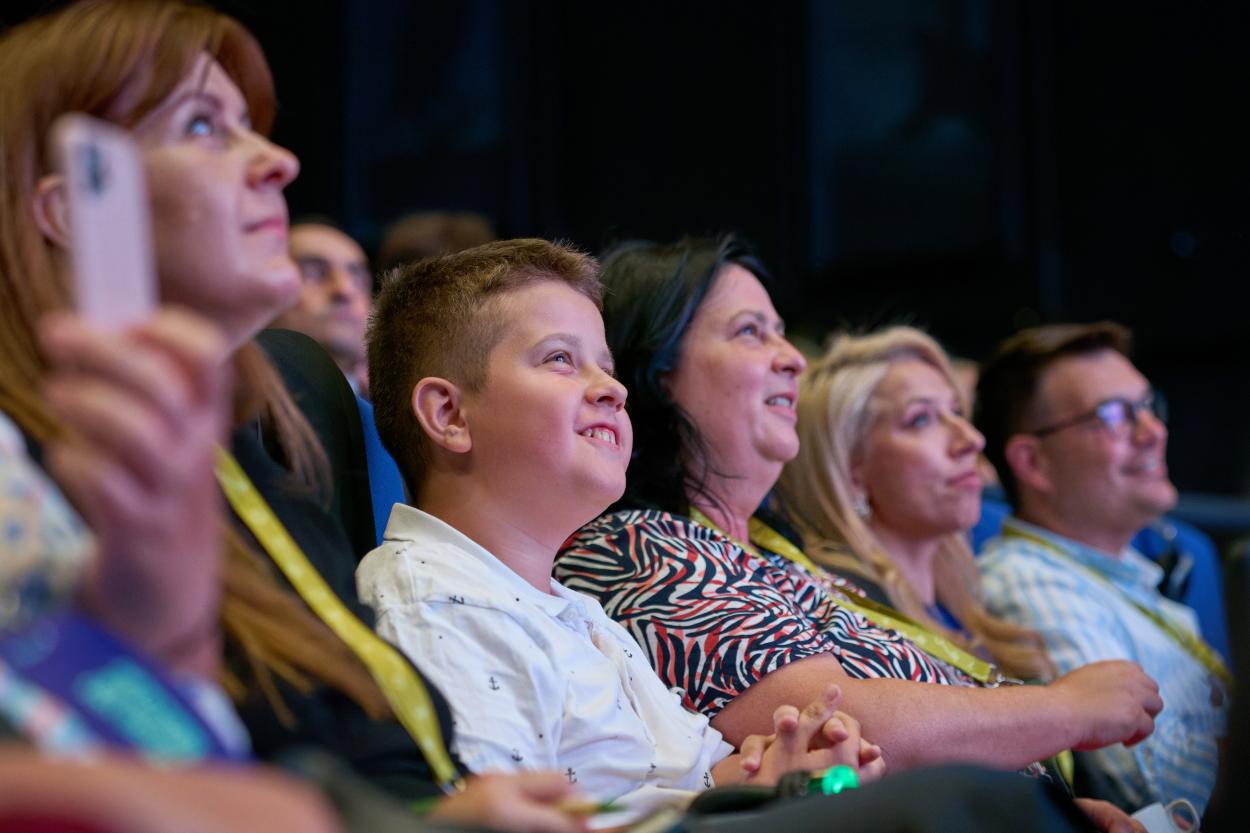
A series of short, impactful experience reports from local grassroots organizations, legal experts, and activists, illustrating the diverse realities and needs of the nighttime city was also part of the livability of the city of Riga at night, bringing different relevant aspects which need to be taken into account when working on public space:
Witness Responsibility in Reducing Violence Against Women (Centre MARTA): Focused on women's safety and the societal values and norms that dictate behavior in public and private spaces. The presentation addressed the critical question of what creates a true sense of belonging and safety, challenging the judgment often put in place and the fundamental role of Centre MARTA in offering women a safe opportunity and the institutional support needed to break the cycle of violence.
What is the City at Night for People with Disabilities? (Association of the Disabled and their Friends “Apeirons”): Highlighted the experience of the visually impaired and disabled after dark. The association explained how moving through the city becomes significantly more difficult without adequate lighting, noting that seemingly minor infrastructure elements—like uneven paving stones—can become major physical obstacles and hazards when visibility is reduced.
Bats and the Night (Ecosoul): Presented the ecological perspective of the nighttime city, focusing on the 16 species of bats present in Latvia. As mammal predators that consume agricultural pests, bats are vital indicators of ecosystem health. Urban light pollution severely disturbs their natural behavior; fearing airborne predators like birds, bats avoid illuminated areas, which prevents them from feeding.
Art Project “Cities by Night” by Valentina Medda – Spatial Boundaries of Security in Riga (Homo Novus): Presented the artistic exploration conducted through the International Festival of Contemporary Theatre Homo Novus. The project investigated the spatial and emotional boundaries of urban security across Riga, using performative art and women's nocturnal mapping to reveal how different bodies perceive safety, vulnerability, and territorial ownership in public spaces after dark.
The Daily Life of Cultural NGOs in the Evenings and Nights (Association of Non-governmental Organisations for Contemporary Culture): Representing a network of 43 member organizations, the presentation outlined the operational challenges of producing professional contemporary culture in Latvia. Cultural venues are crucial civic spaces where democracy, tolerance, and social cohesion are built. The association actively collaborates with municipal and state authorities—including the Ministry of Culture—advocating for policies that recognize cultural engagement as a primary driver of urban safety.
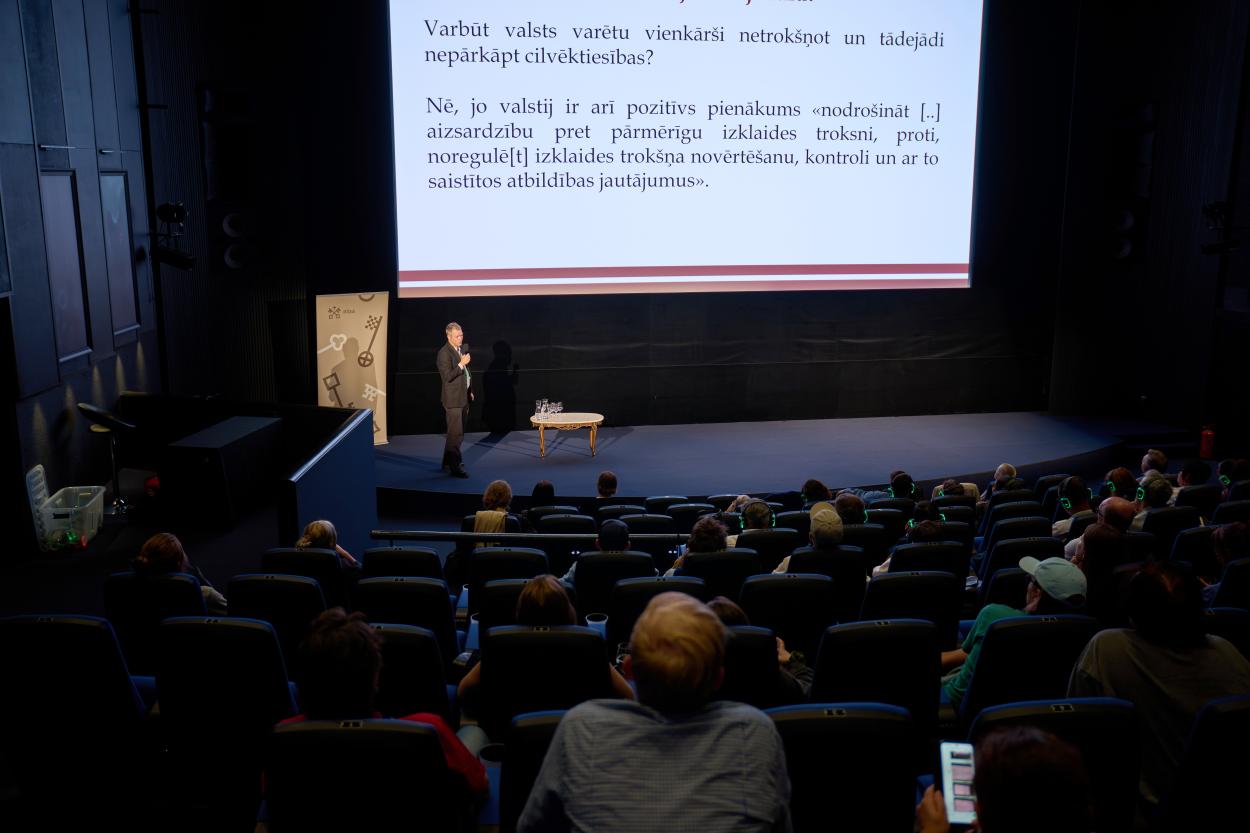
Entertainment Noise in Latvia and its Legal Aspects (Constitutional Court): Explored the complex juridical balance between the right to silence and a vibrant night time economy. It was noted that while citizens have a fundamental right to privacy and peace (often described gently as "not being tortured by noise"), businesses, cultural venues, and other citizens also hold legitimate rights to recreation, music, and social activity. The conclusion is that a perfect solution where everyone is entirely happy is impossible; effective municipal governance requires managing compromises where both parties share the burden of coexistence.
Youth for the Development of Neighbourhoods – What Do Young People Want to Improve in the Evenings and Nights? (Klubs “Māja”): Shared insights gathered from youth groups across the region, particularly highlighting the disparity in opportunities between city-center residents and those living in remote or peripheral neighborhoods. Young people expressed a strong desire for decentralized cultural activities that extend beyond the city center into their own micro districts. They also identified poor street lighting and fragmented communication as major safety and accessibility barriers, proposing the creation of a centralized digital platform to better connect youth with nighttime opportunities and public services.
Nighttime Explanatory Walks
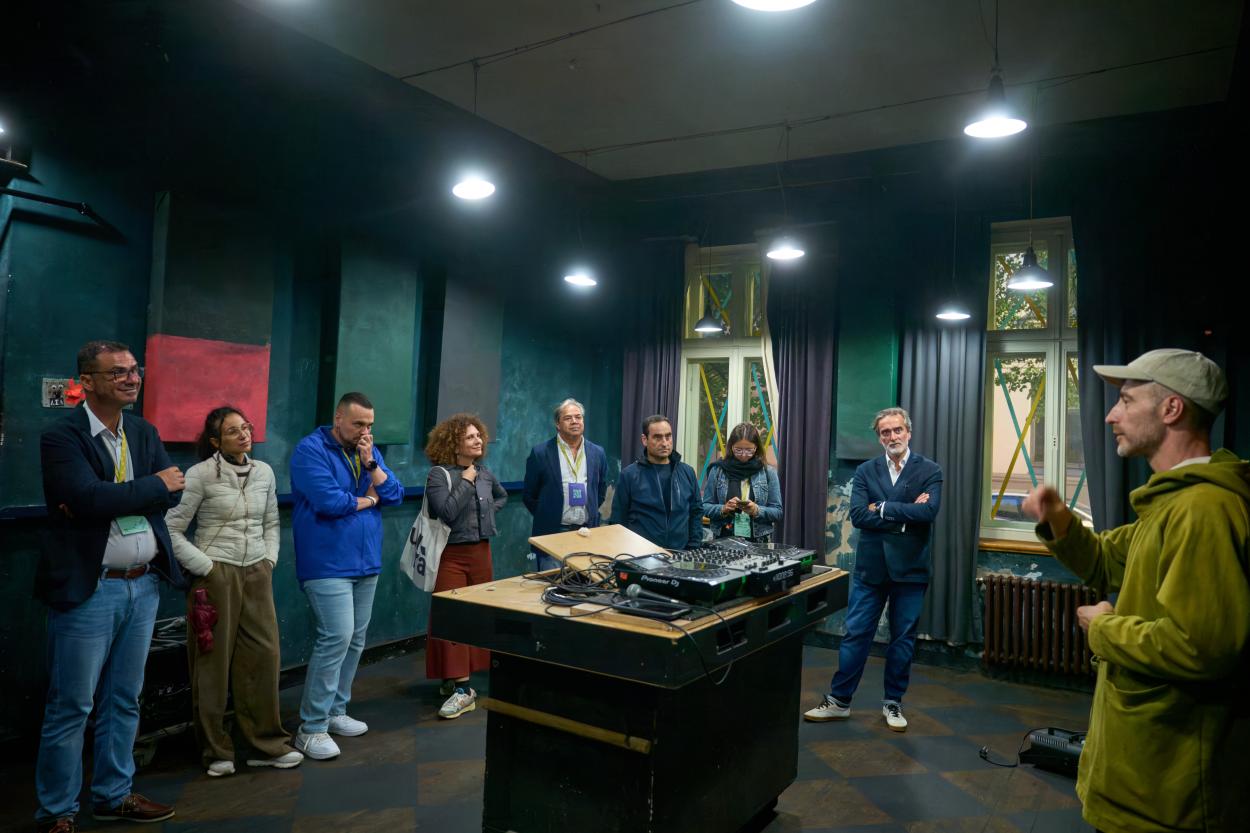
To conclude the first day, participants were offered the opportunity to experience Riga's nightlife firsthand through thematic explanatory walks. Attendees could choose between an ecological perspective with a "Bat Watching" tour to observe the city's nocturnal wildlife, or an urban exploration of several "creativity hubs" that currently animate Riga's evening and social life. The urban walk included visits to:
Digital Art House Originally a nightclub, this venue has evolved into a multimedia exhibition space. It now merges classic art with modern digital projections, providing a new cultural anchor for the evening economy.
Community Shared Spaces A versatile venue hosting cinema screenings, DJ events, and concerts. Shifting away from a purely commercial production model, it now shares its facilities—which include a bar, dancefloor, cinema room, and office spaces—directly with local communities and individuals looking for a place to create.
Kimmel Kvartāls A historic former beer brewery that was legally occupied by grassroots initiatives and is now undergoing a massive revitalization into a vibrant, open urban block.
MOKU & Lauvas Nams The walk showcased subcultural hotspots like MOKU, situated in a former longboard factory. It also highlighted the role of institutions like Lauvas Nams ("The Lion's House"), a legendary 24/7 establishment that serves as a constant, safe meeting point for the city's night owls.
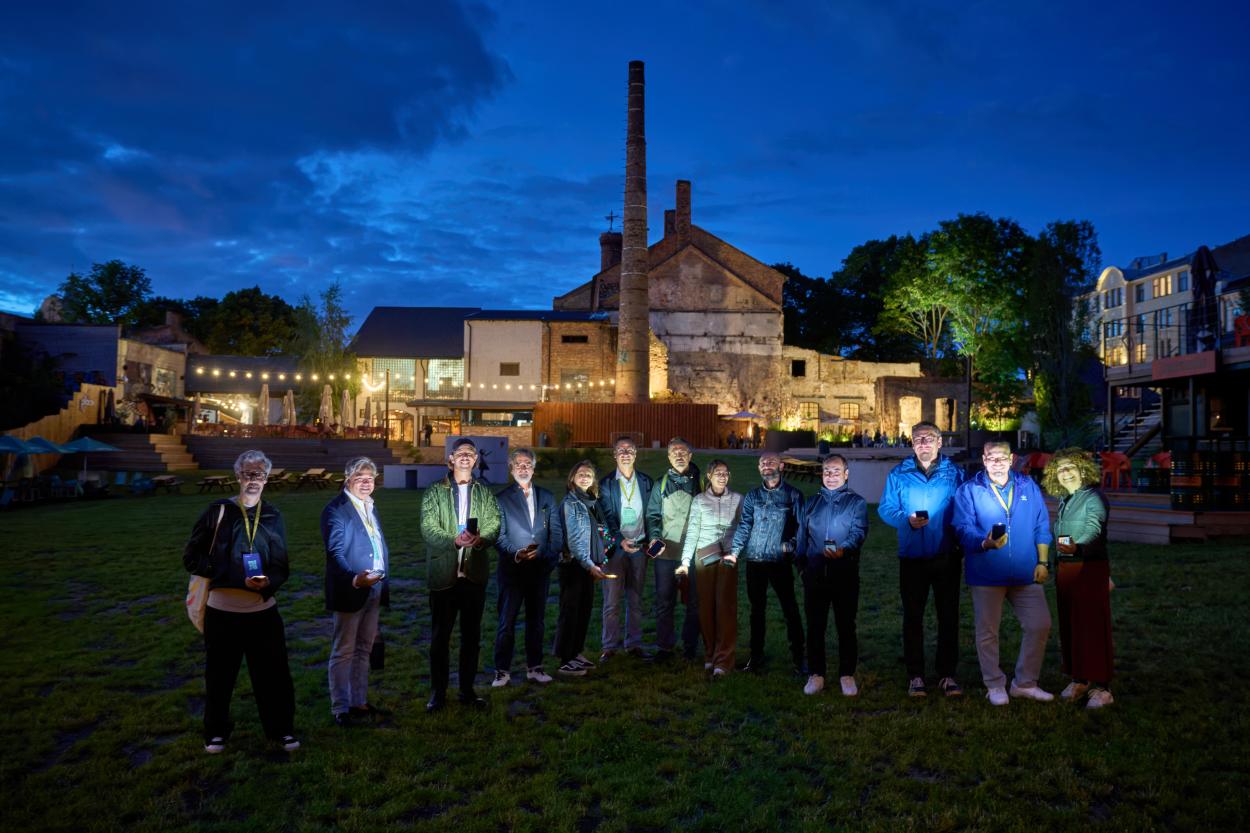
Participants explored several revitalized zones championed by Riga’s dynamic temporary usage movement, which serves as a vital bridge between urban abandonment and long-term regeneration. The visit highlighted how previously neglected industrial sites, vacant buildings, and underutilized lots are being tactically reclaimed through short- and medium-term activations. By significantly lowering financial and bureaucratic barriers for creative entrepreneurs, cultural NGOs, and grassroots initiatives, this bottom-up approach transforms urban blight into thriving cultural and social intersections. In this context, temporary urbanism not only injects immediate economic and after-dark vitality into transitional neighborhoods, but also acts as an experimental testing ground for community placemaking, fostering a strong sense of shared ownership that ultimately helps shape the permanent future of the city's public spaces.
Day 2: Co-creating a Safe Public Space and 2Nite Legacy
The second day shifted to the City Hall, focusing on the concrete institutional outcomes, policy frameworks, long-term legacy of the 2Nite project, and ended with a site visit in Riga’s public spaces involved in the project.
Presentation of City Investment Plans & Governance Models
Transitioning from grassroots experimentation to permanent municipal policy, partner cities presented their official Continuity and Investment Plans.
Torino presented its Continuity Plan through the municipal IMPATTO measure (funded by ESF - Operative National Programme), which secures ongoing funding by connecting civic proximity initiatives with climate action via the European Youth Climate Action Fund. Torino illustrated its Impact Assessment Framework—a 4-dimension model measuring Project Generativity, Space Animation, Participation, and Livability—and three funded projects:
- Qua.nte: Enhancing livability and proximity services in a physically fragmented council housing complex through cultural activities and participatory workshops.
- Ri-creiamo: Co-designing the regeneration of underused public gardens through intergenerational music, theater, and open-air cinema.
- Madama Chiosco: Transforming a neighborhood kiosk into an educational community hub offering language courses, job orientation, and after-school activities.
Riga is focusing on trust and community-building in Purvciems through a participatory approach, offering a mentoring program and creating safe places for residents to socialize. "Masters of Riga" project as a social innovation initiative designed to address social fragmentation in Riga's apartment buildings. The plan also includes the development of the Marsa Gatve Community Centre, improvements of the Andromeda courtyard and the Dreiliņkalns Park, and the Metrobus Line project.
Sant Boi de Llobregat, Translating the project's cultural reframing of the night into municipal policy, Sant Boi commits permanent budget to four proximity projects (three directly integrating intergenerational youth services). The city's roadmap embeds these initiatives across permanent municipal departments to ensure sustained cross-departmental coordination.
Cluj-Napoca’s goal is to convert temporary activations in the Iris neighborhood into permanent urban policies, as the City established a people-centric safety roadmap that moves beyond physical infrastructure and public lighting. The municipality committed to institutionalizing continuous stakeholder dialogue, storytelling exhibitions, and participatory neighborhood budgeting as permanent cohesion instruments.
Pentàgono Urbano with its intermunicipal network showcased how territorial collaboration has been institutionalized into permanent regeneration programs:
- Braga institutionalized a permanent civic ecosystem where citizens define local priorities and co-design solutions through direct public funding.
- Famalicão: Shifting from a surveillance-based security model to an integrated municipal inclusion strategy, the city redirects resources toward improving nighttime viability and safety perception.
Site visit
The conference concluded in the afternoon with an extensive field visit, focusing on civic infrastructure, historical urban transitions, and neighborhood-level transformations. Participants traveled to the Purvciems district to see firsthand the spaces where Riga's ULG has been testing community engagement strategies.
NGO House: Housed in a municipally owned former school building, this venue is dedicated entirely to civic engagement, hosting around 60 NGOs monthly for social integration, cultural activities, and summer programs for Latvian and Ukrainian children. Local associations can book rooms via an online system, utilize equipment for outdoor events, and receive capacity-building training in project and financial management charge free. The NGO House also offers a wide range of lectures, educational seminars, workshops, and training sessions on topics related to civic participation, organizational development, project management, communication, and other areas relevant to the non-governmental sector.
The Ex-Minsk Commercial Area and Nightclub Rigonda: This Soviet-era commercial center and its legendary nightclub, "Rigonda," serve as a historical case study illustrating how local retail spaces and nighttime economies have evolved over the decades to reflect changing community habits and leisure activities, while also demonstrating the safety and security challenges associated with busy commercial and nightlife areas.
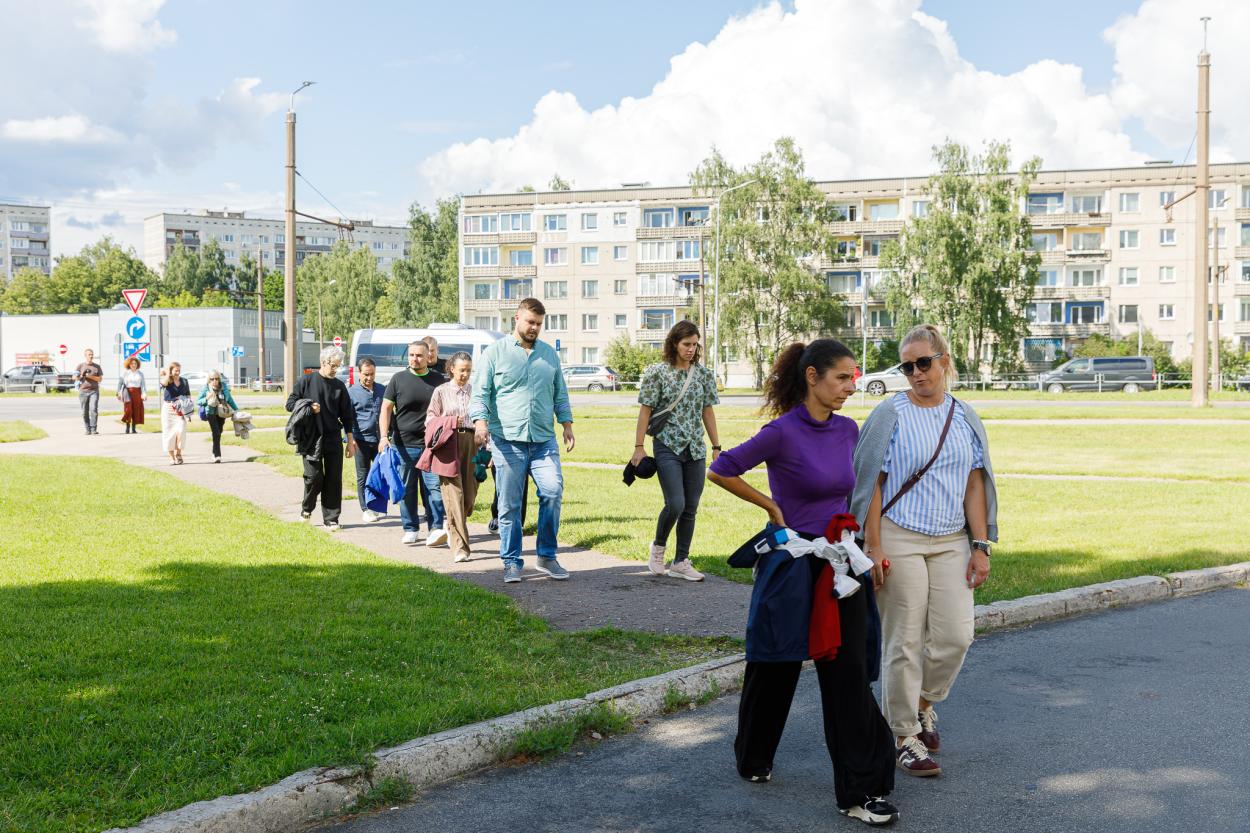
Purvciems Housing and Neighborhood Walkthrough: Exploring this neighbourhood of large-scale Soviet panel blocks highlighted the complex challenge of fragmented public space ownership. To overcome initial resident apathy, the Riga team is planning to deploy communication campaigns, capacity-building trainings, and community-building events through art and sports, empowering residents to build trust and make joint decisions about their surrounding territories.
Marsa Gatve Community Center:Located at Marsa gatve 8, the former kindergarten is planned to be redeveloped into a community center that may include a library, community rooms, a community garden, and spaces for activities for youth, seniors, and young families. The initiative aims to create an accessible place where residents can meet, collaborate, and develop community-led initiatives. It is expected to strengthen local trust and social cohesion, while coordination among multiple stakeholders will be an important factor in its implementation.
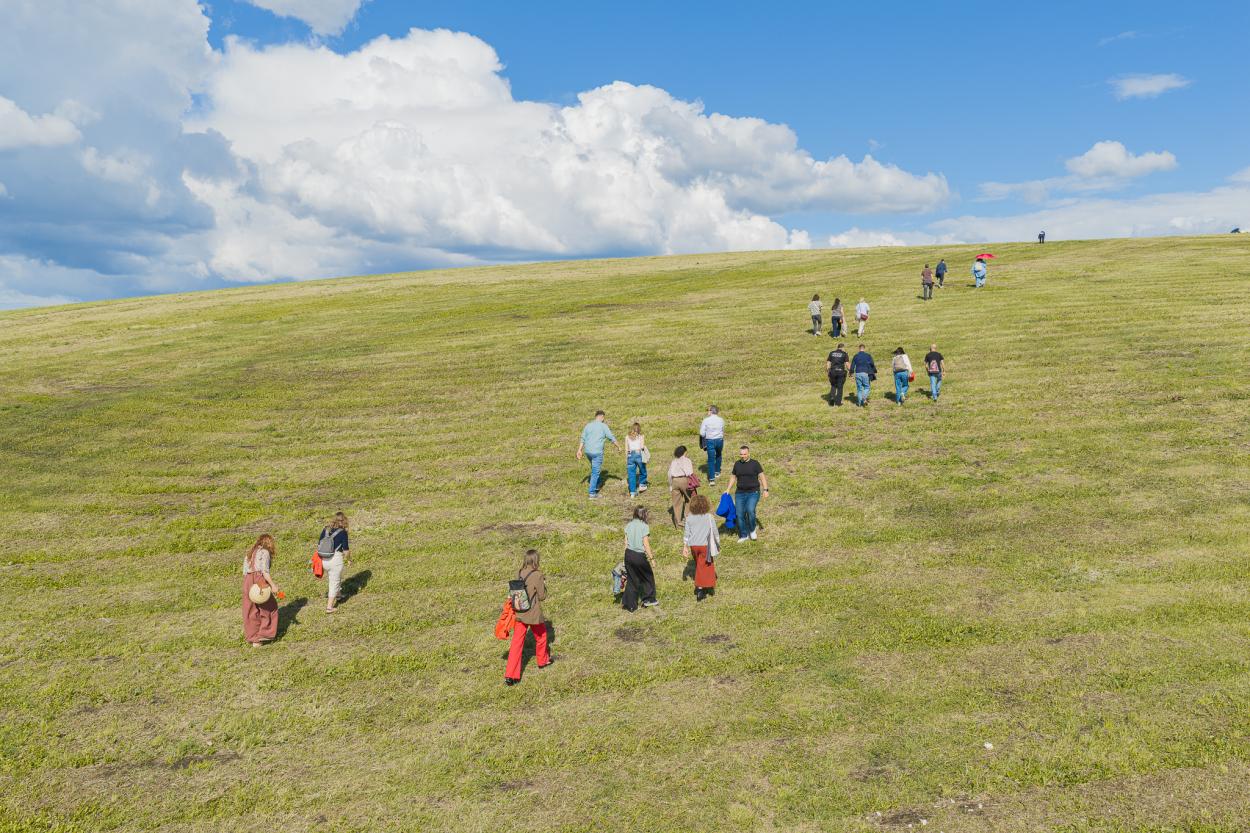
The Artificial Hill of Riga (Dreiliņkalns): Created from a remediated 35-meter urban landfill, Dreiliņkalns and the adjacent green territory is currently undergoing a participatory functional study to become a safe outdoor space for various social groups to spend their leisure time and socialize. While the project aims to foster community belonging and reduce vandalism, balancing diverse public interests and preventing damage to installed infrastructure remain key challenges.
What we learned
Throughout the final conference, several core themes emerged as the definitive legacy of the network's two-year journey, echoing the shared lessons identified across European partner cities and signaling a profound paradigm shift in urban governance.
A central takeaway is that nighttime challenges can no longer be reduced to simple nightlife management. Isolated regulation is rapidly giving way to integrated, collaborative governance, evolving the fundamental question for municipalities from how to simply control the night to how the evening hours can actively contribute to broader urban resilience. To answer this, European cities are increasingly adopting systems-based governance frameworks that redefine the night as a strategic dimension of sustainable urban development. By weaving together placemaking, community participation, public health, climate adaptation, sustainable mobility, cultural activation, and inclusive space management, these holistic models strengthen urban resilience through the dynamic relationships between people, places, and institutions. Rather than treating the hours after dark as a problem requiring strict control, this approach recognizes them as a vital asset to enhance collective wellbeing, social cohesion, environmental sustainability, and democratic participation.
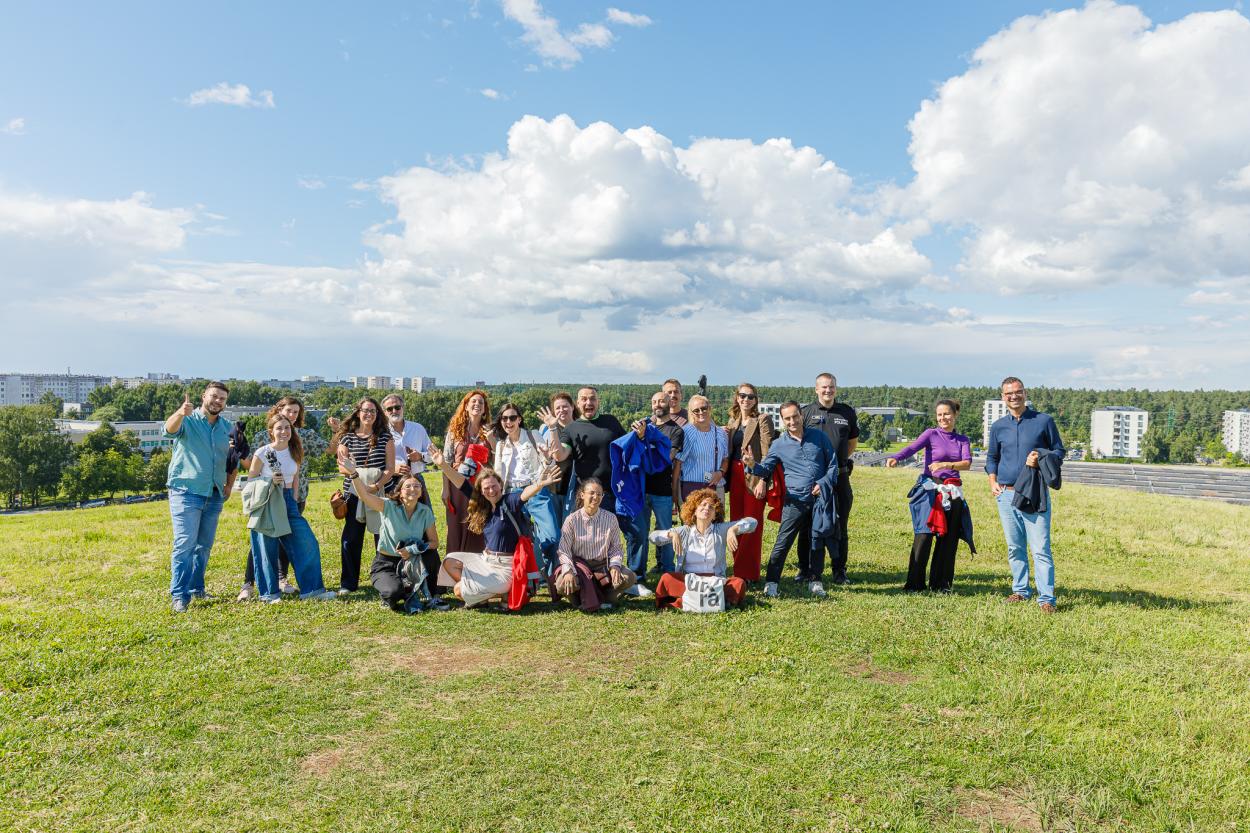
However, realizing this ambitious vision relies heavily on the strength of human networks. A recurring lesson across all partner territories is that sustainable urban regeneration is fundamentally built on trust—both between citizens and public authorities, and among the residents themselves. As public spaces are increasingly designed around people rather than mere infrastructure, active community participation remains the indispensable cornerstone for long-term success. Furthermore, a mature nighttime strategy acknowledges that perfect, frictionless solutions are rare. Managing public space inevitably involves balancing competing rights, requiring constant dialogue, empathy, and compromise between those seeking entertainment and cultural expression, and those who require silence, privacy, and rest.
Finally, to ensure that these collaborative efforts endure over time, cities must bridge the gap between temporary experimentation and permanent policy. Implementing solid, data-supported decision-making models is essential. By systematically measuring territorial generativity, civic participation, and livability through structured impact assessment frameworks, municipalities can provide clear, empirical proof of the value of community-led safety initiatives, thereby securing the necessary political commitment and financial continuity from future policymakers.