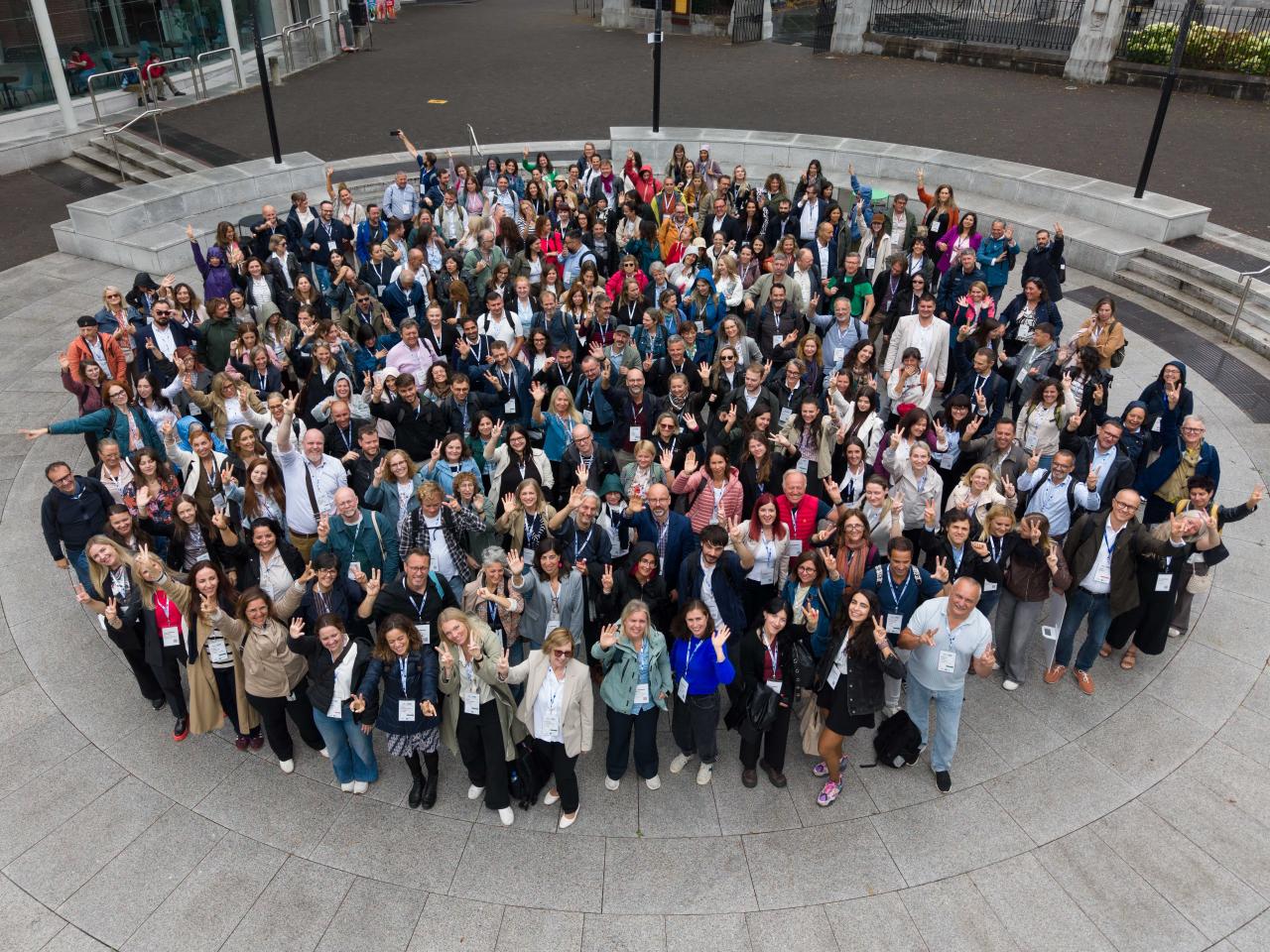
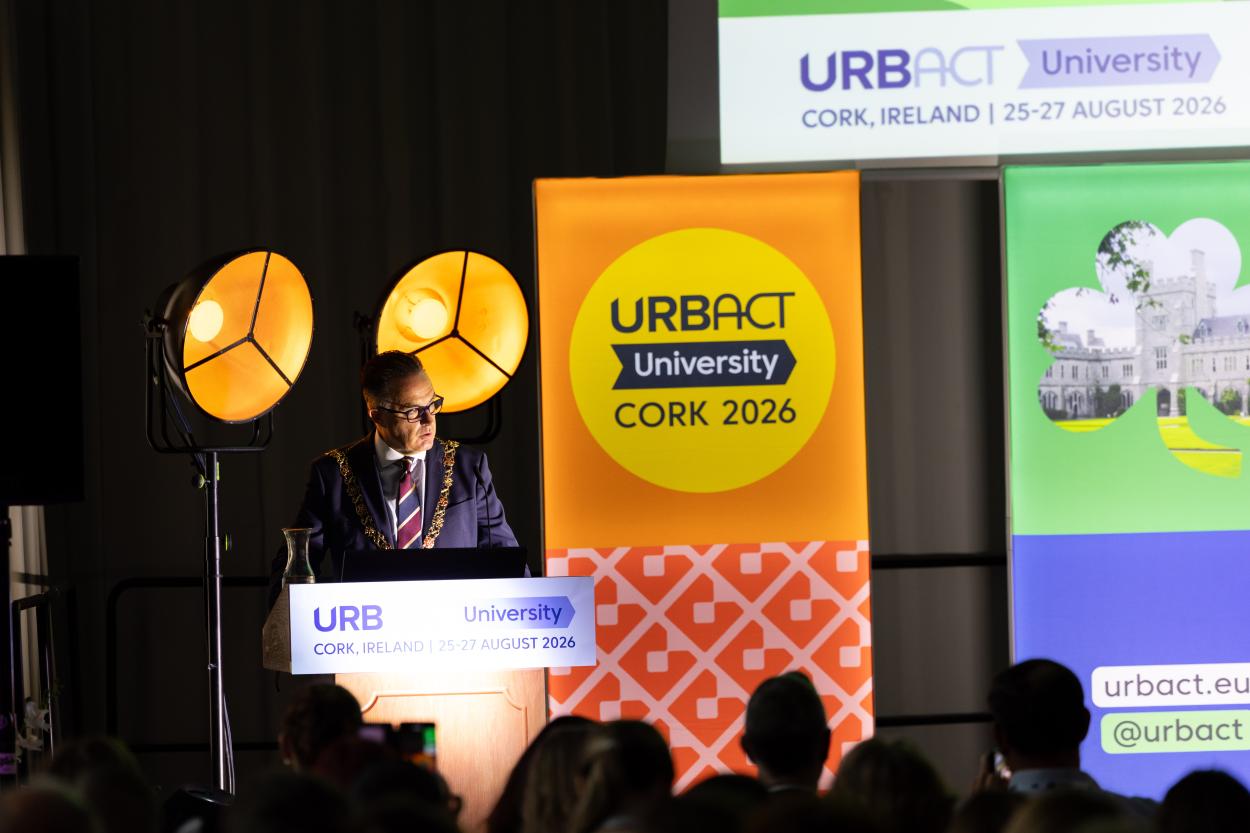
Participants primarily consisted of network partners from the 25 Transfer Networks who began their URBACT journey in November 2025, as well as National URBACT Points, URBACT experts and staff from across the URBACT Secretariat.
URBACT University events, just like its past editions in Malmo (2023), Rotterdam (2016), Dublin (2013) and Krakow (2011) provide city and town practitioners from all around Europe with a safe space for experimentation, exchange and learning. A space which welcomes the sharing of varying levels of knowledge and skills. This provides optimal conditions for exploring practical tools, to learn by doing, to exchange ideas with peers, and importantly, to enjoy the experience and have fun as part of the process!
The curriculum was designed with the new URBACT Transfer Network cities in mind, seeking to train them in the tools and methods required to deliver participatory, integrated and collaborative actions and outcomes in their localities. The event’s curriculum was delivered across plenary, hub and network specific segments throughout the three days. This saw movement between a more general learning experience (plenary), thematic focus (hub) and project partner specific work (network specific) blocks. Storytelling was a key tool used across each of the three days.
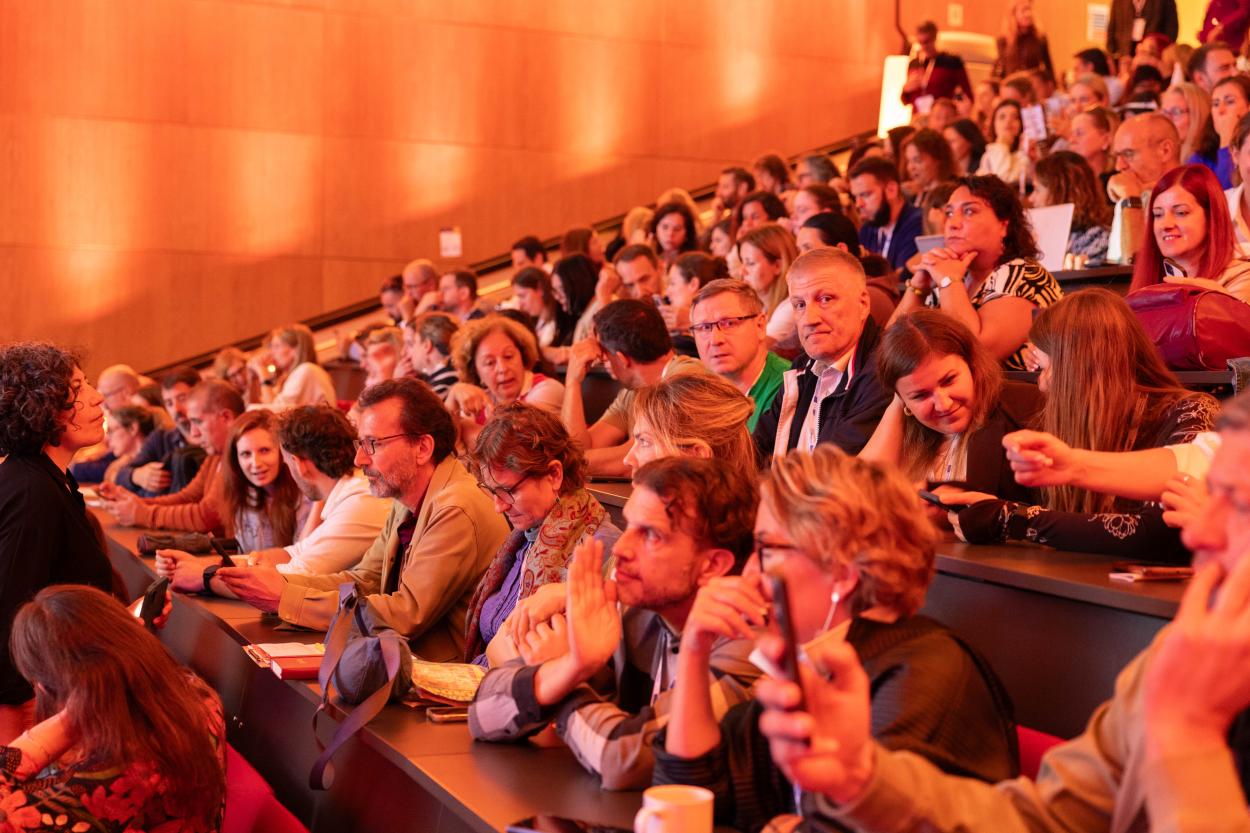
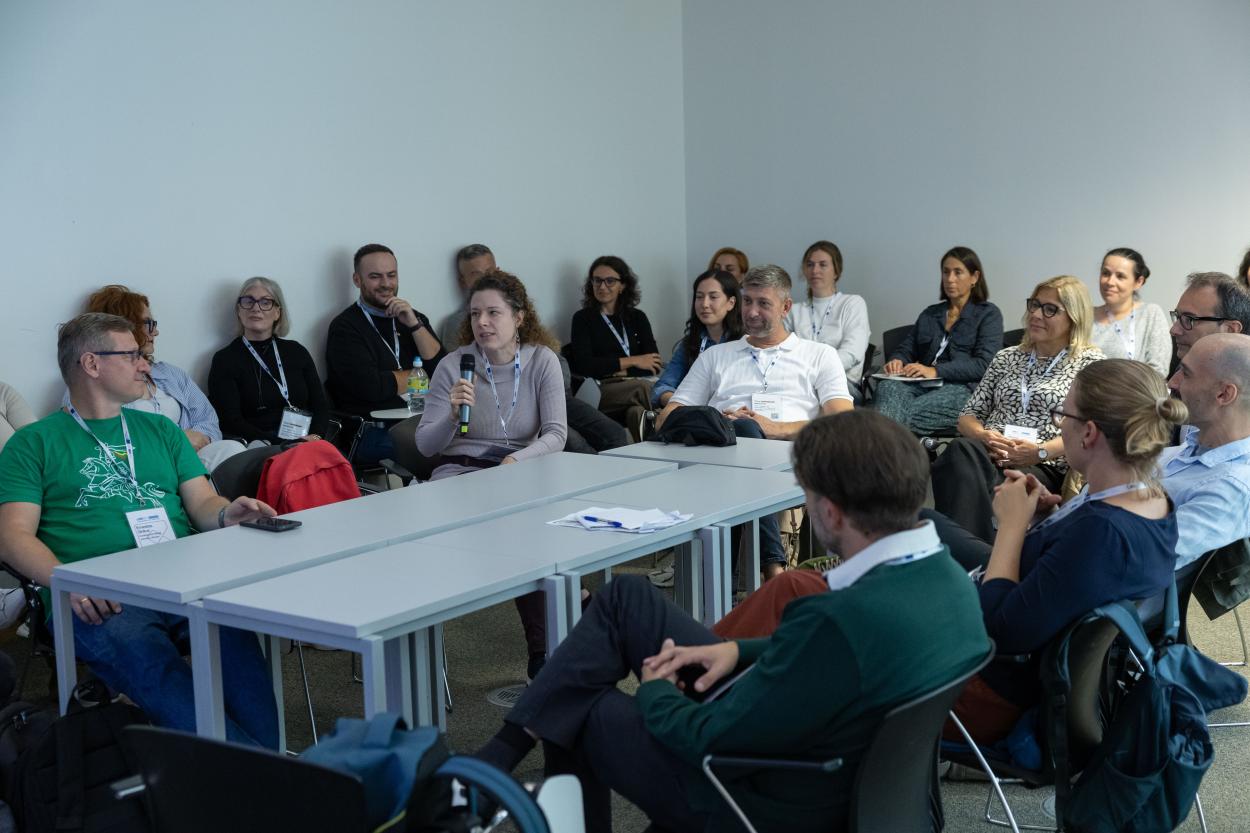
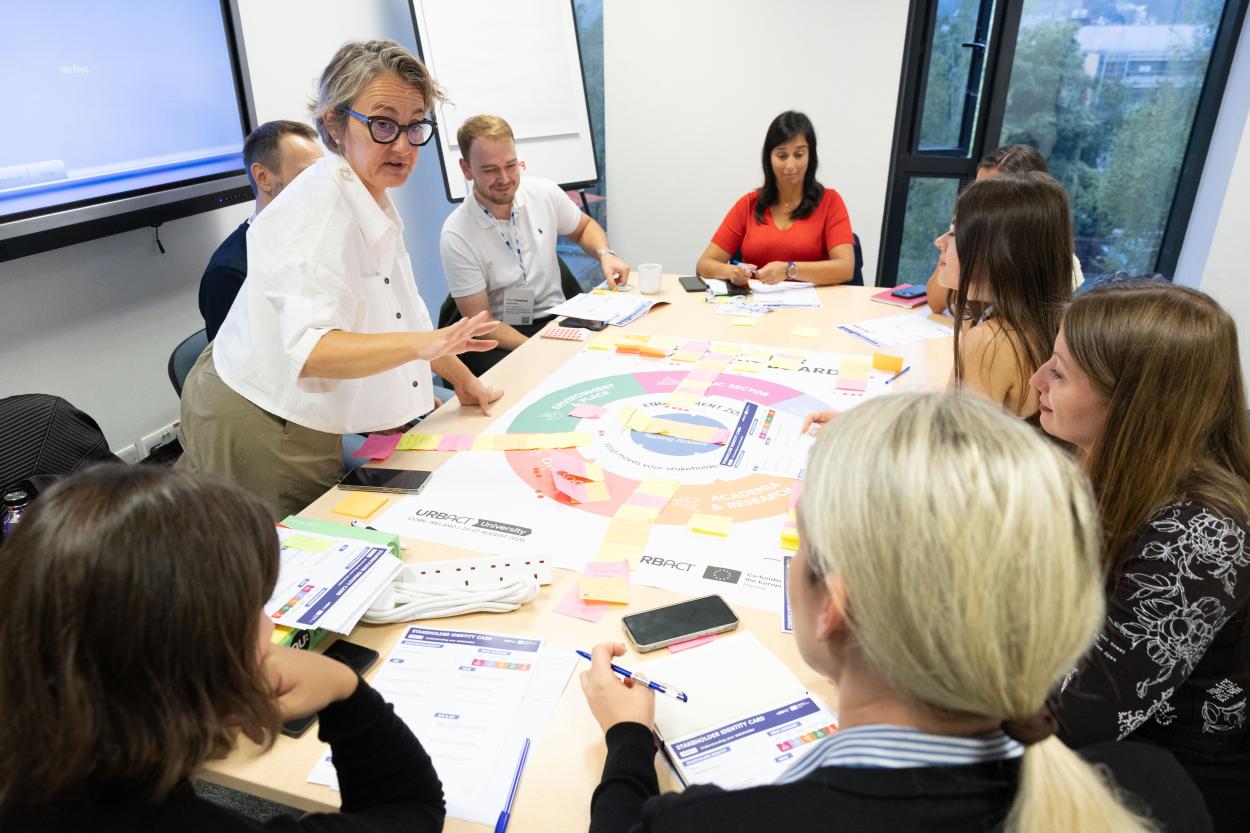
The objectives of the event were more specifically to develop a deep understanding of stakeholder identification and engagement, to strengthen stakeholder ownership and buy in, to use storytelling techniques to engage and motivate stakeholders, and to structure and operationalise stakeholder engagement strategies and actions.
More specifically
- Day 1: Stakeholder Identification, blind spots and who’s missing?
- Day 2: Understanding the role of stakeholders in the transfer process, building buy-in
- Day 3: Maintaining stakeholder engagement- testing actions and designing opportunities for stakeholders.
Across the event, several new tools (soon available in the URBACT toolbox!) were applied across the blocks, including the Stakeholder Engagement Board, the Stakeholder Identity Card, the Testing Action Canvas, the Power of Story, and a Treasure Map.
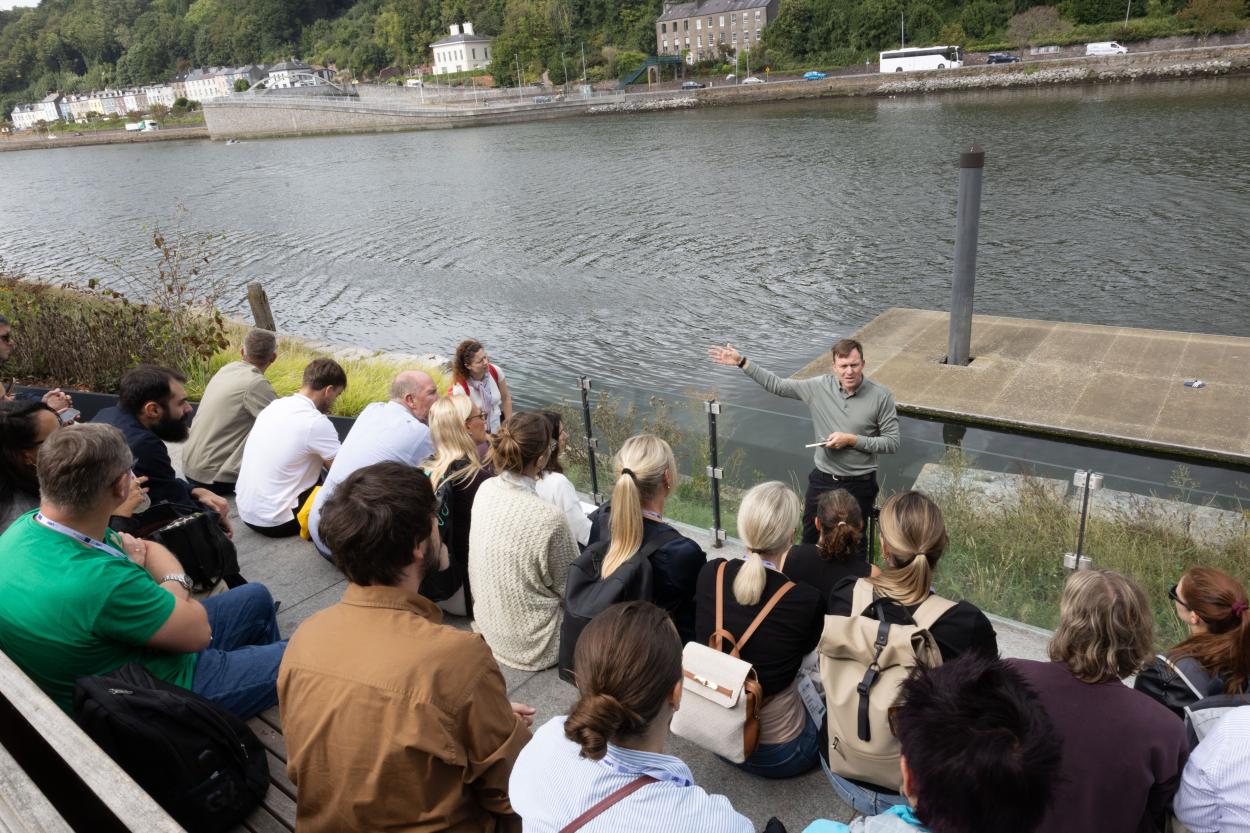
On day two, the event also saw participants engage in one of the ten available study visits on offer in Cork City. Among these were a visit to Tramore Valley Park, an overview of Shandon’s historic and community-led heritage urban regeneration, a visit to Cork’s Biodiversity Hub, a showcase of the Marina Regeneration (photo below), and a demonstration of Cork City’s Digital Twin.
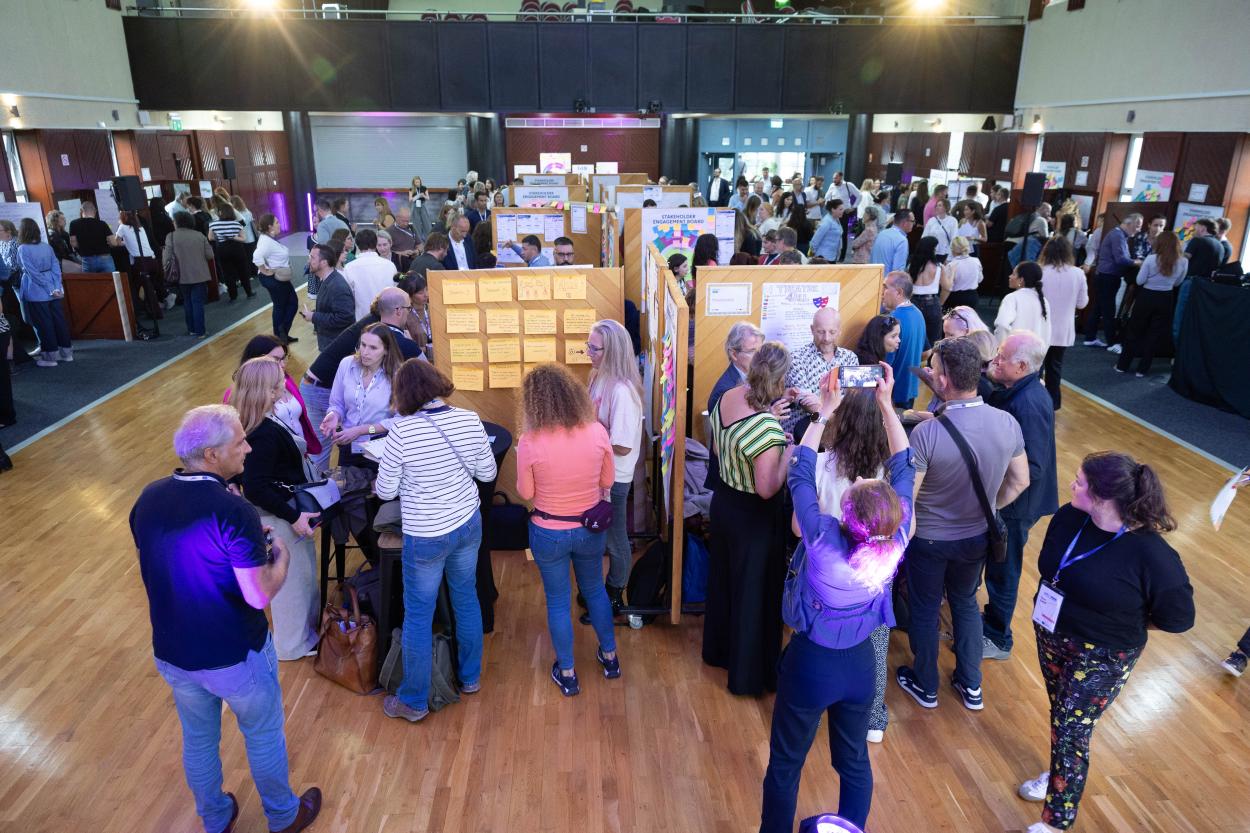
The event officially closed with a ‘treasure hunting’ segment in plenary whereby network teams shared their stakeholder stories in exhibition style, while other cities in their networks took turns to go visit other stands.
Day three closed with a round of Irish dancing (or at least practice!!) before the evening celebrations saw participants “graduate” after a busy and fulfilling event.
URBACT Ireland was delighted to see its current four Transfer Network Partners involved in the University:
The CITI4UD network involving Dublin City Council seeks to promote collective decision-making with residents when it comes to developing their locality.
The ReDAN network involving Limerick City and County Council has set out to transform degraded areas into biodiversity zones, nature conservation and nature-based tourism.
The CALL network involving Galway City Council seeks to address how cities can co-design and implement policies that eliminate physical, social and digital barriers, especially for persons with a disability.
The P.A.R.K.S network involving Monaghan County Council has set out to enhance ecosystem resilience, climate adaptation and biodiversity through a comprehensive management of green urban assets.
URBACT Ireland was especially pleased to see Cork City’s URBACT legacy celebrated and applied across the three days. Cork City was an impressive URBACT partner in both the previous Transfer Network Playful Paradigm, as well as being the Lead Partner in the National Practice Transfer Initiative, Playful Towns.
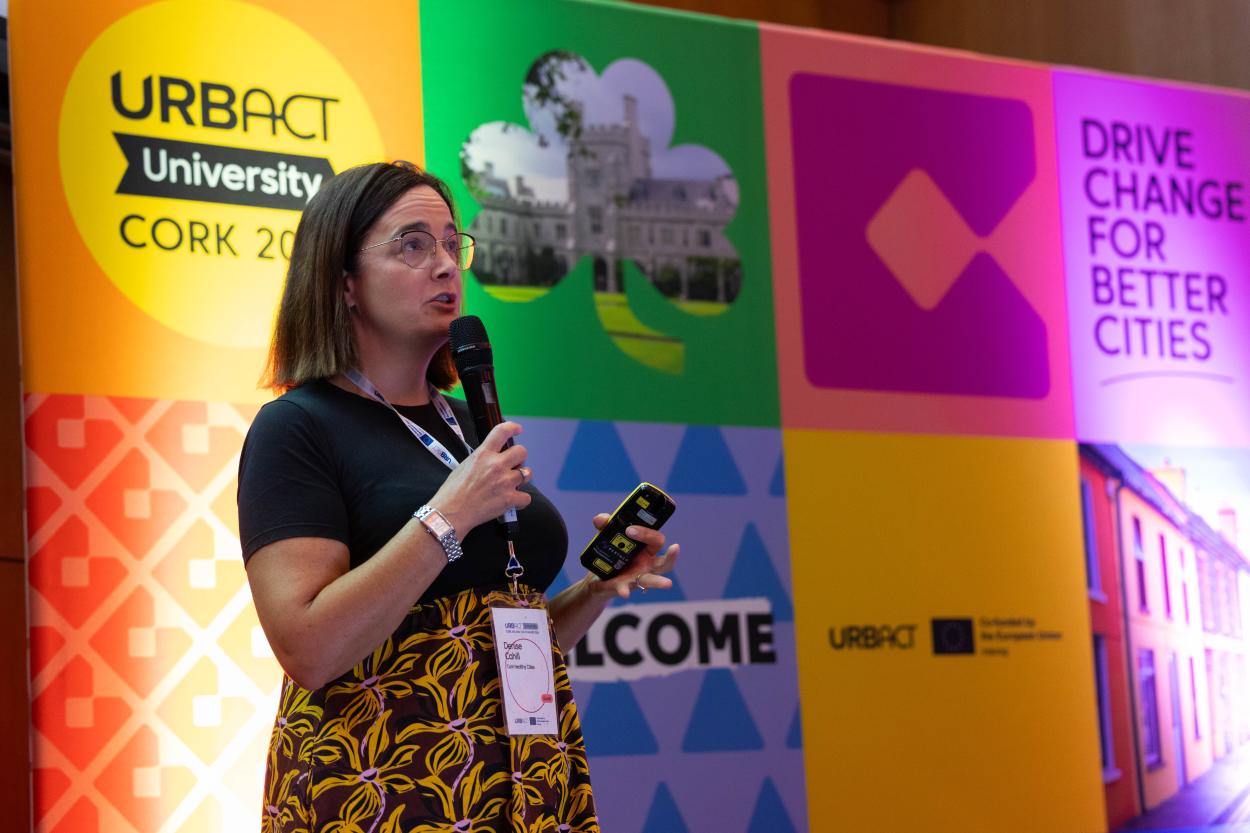
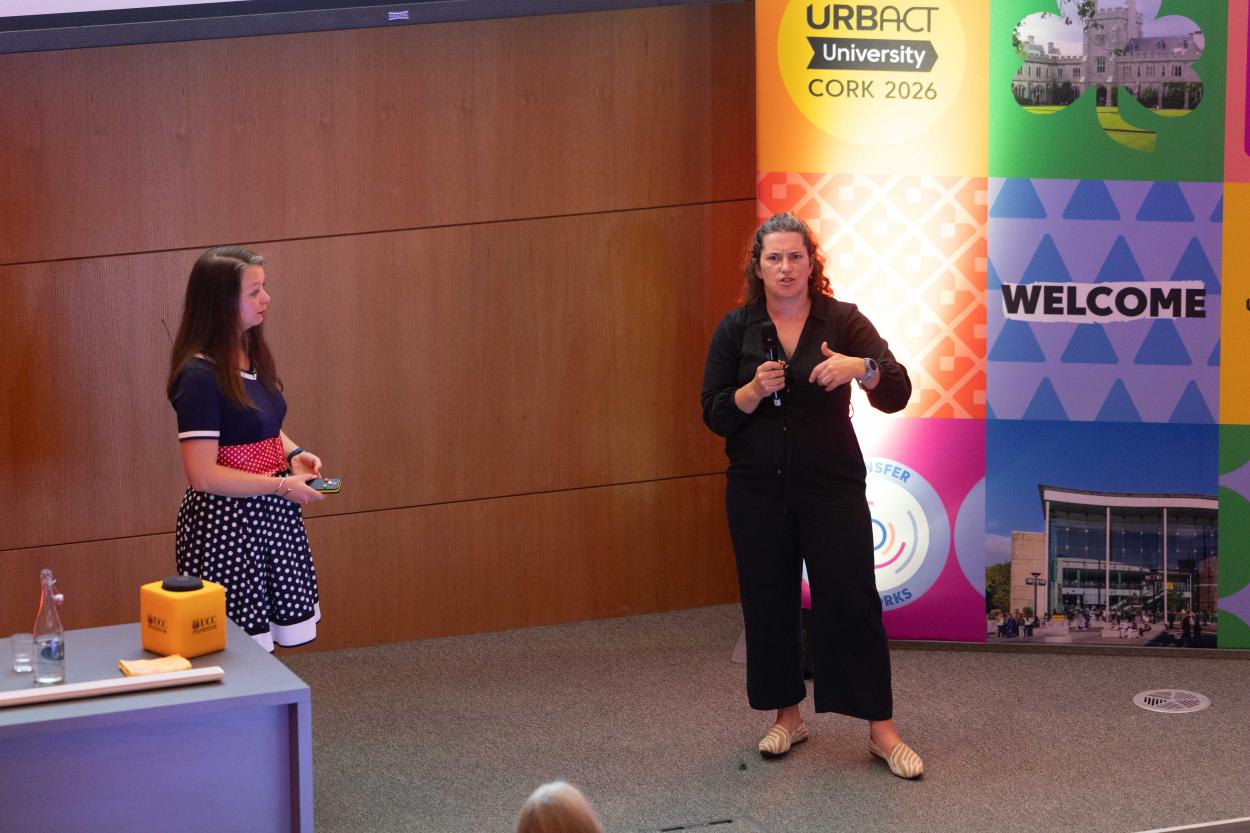
Martha Halbert and Denise Cahill impressed attendees with brilliant insights into their URBACT work and its application in Cork, including how they engaged stakeholders across time and used a testing action to build collaboration around a vision!