When Transfer Becomes Translation

Edited on 19/06/2026

How EmPowerIngUs proves that transferring a good practice is about interpretation, experimentation, and local choice — not replication.


When cities decide to transfer a good practice, the expectation is often simple: find what works elsewhere and replicate it. Yet anyone involved in urban policy knows that this rarely happens in a straightforward way. What looks like a clear model on paper quickly meets local realities shaped by institutions, data availability, professional cultures, political priorities, and – most importantly – people. Or, as I like to say from personal experience: “Life happens!” 


From transfer to translation: the EmPowerIngUs perspective


At the heart of the EmPowerIngUs network lies the Energy Poverty Intelligence Unit (EPIU) good practice developed in Getafe: an integrated approach combining data, advisory services, institutional coordination and citizen engagement to better identify and address energy poverty. In its original context, EPIU proved that acting on energy poverty requires more than isolated, reactive measures – it demands a systemic and proactive response.
 

However, as four transfer cities began working with this model, a key tension emerged. While EPIU offered a strong reference point, it could not simply be copied. Each city faced different urgencies, capacities and constraints – forcing them to make choices, test assumptions and adapt elements of the model to their own context.


This article explores how, through experimentation and learning, transfer within the EmPowerIngUs network gradually became translation – and what other cities can learn from this process, including insights that travel well beyond this network.
 

One model, many readings: how transfer cities understood EPIU
 

At the start of the EmPowerIngUs journey, all partner cities worked from a shared reference point. The Transferability Study and the Deep Dive city visit to Getafe provided a common understanding of the Energy Poverty Intelligence Unit (EPIU) as an integrated model, built around the combination of data, advisory services, concrete interventions, institutional coordination and citizen engagement. 
Fernando González Ferreira, one of key developers of the EPIU and EmPowerIngUs Project Manager explains: “Rather than presenting EPIU as a fixed solution to be replicated, we deliberately framed it as ‘a menu’ of interconnected solutions, whose components could be explored, tested and adapted in different local contexts.”

fernando


From my perspective as Lead Expert, this shared starting point proved essential. It ensured that all cities were ‘reading from the same menu’ when it came to the core logic of EPIU, even if they anticipated different priorities and challenges. In practice, however, it quickly became clear that cities were not engaging with the model in the same way. Local needs, existing capacities, available resources, political agendas and institutional realities all shaped how EPIU was interpreted by each transfer city and where attention was directed. Some cities were drawn primarily to the data dimension, others to advisory services or community engagement, while for some the institutional set-up itself became the main focus of experimentation. 

Importantly, this was never understood as a sign of fragmentation, but rather as a strategic choice. A key lesson emerging at this stage was that not everything can – or should – be transferred at once. What followed were four distinct readings of the same model: four interpretations, and ultimately four legitimate paths of translation.


Etterbeek (BE): starting from buildings and internal capacity

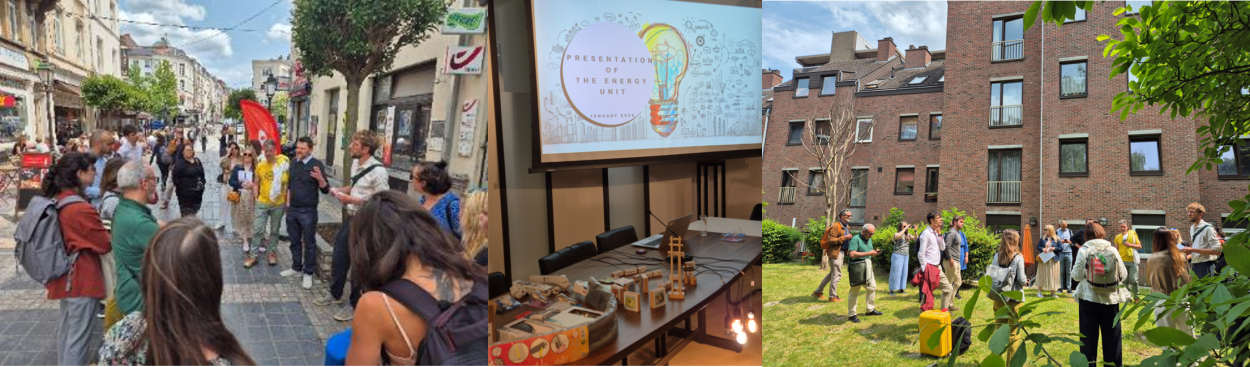
Among the transfer cities, Etterbeek entered the EmPowerIngUs process from a particularly advantageous starting point, combining its responsibilities as a municipal housing manager with pre-existing energy poverty support services and early awareness of upcoming energy efficiency requirements. This position streamlined its transfer process and helped focus attention on the most urgent challenges: an ageing municipal housing stock and the need to respond strategically to increasing regulatory and performance expectations.
Rather than starting with upgrades to big data or AI modelling, or with new citizen-facing services, Etterbeek recognised that without solid technical and organisational foundations, any broader intervention would remain fragile. Testing activities therefore focused first on the building stock itself. Energy audits were carried out to better understand performance gaps, alongside awareness-raising activities targeting tenants. In parallel, the city used the testing phase to examine internal workflows, particularly how data, maintenance routines and decision-making processes interacted in practice.

As Fernando reflects: “From the start, we expected Etterbeek to be interested in the big data and AI modelling components of EPIU. This experience really showed us how important local context is – and how unpredictable transfer processes can be.” Testing actions quickly revealed the limits of relying solely on internal expertise. While Etterbeek had strong operational knowledge of its housing stock and existing support services, addressing energy poverty in a more structured and forward-looking way required external partners with specialised technical skills. Just as importantly, testing confirmed that technical measures could not stand alone: tenant engagement was necessary, but needed to be carefully sequenced.
As a result, Etterbeek’s transfer path took shape around a clear priority: strengthening technical and organisational capacity first – through data, audits and renovation planning – while progressively integrating social and advisory components on this solid foundation.
 

etterbeek

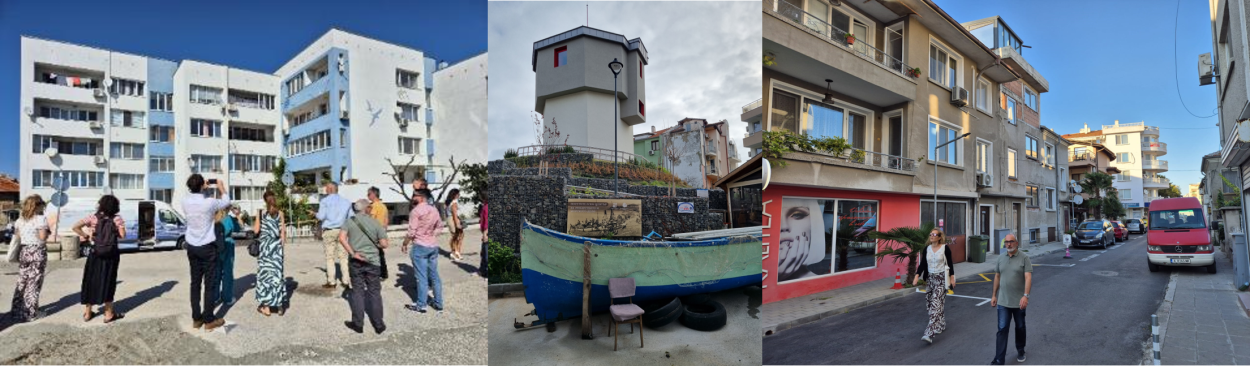
Pomorie (BG): building trust before building systems

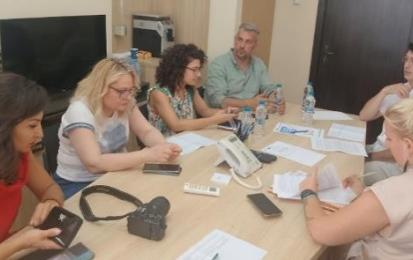
Pomorie entered the transfer process from a very different starting point. There was no existing energy poverty advisory structure, limited local data, and little prior experience with one-stop-shop models. Energy poverty itself was a relatively new policy topic, making trust and understanding key challenges from the outset. Rather than attempting to design a full system on paper, Pomorie chose to test the basics first. Role-play exercises were used to simulate an energy poverty one-stop shop, while small-scale data collection was carried out in cooperation with social services. These modest tests were deliberately low-tech and low-cost, allowing the team to focus on interactions with citizens rather than tools or infrastructure.

The main lesson was clear: trust is a prerequisite. Vulnerable citizens often arrived with expectations of immediate financial support, not advisory services, and social workers played a crucial role as intermediaries. Without their involvement, engagement would have been extremely limited.
As Fernando points out: “Pomorie’s starting point raised questions at the beginning – but their dedication and willingness to tackle a new challenge surprised us all. Today, I see Pomorie as a strong example of how smaller cities can benefit from transfer processes and should not be overlooked.”    
 

Based on these insights, Pomorie’s transfer path began to take shape as a gradual, people-centred process. The priority is now on building credibility, strengthening cooperation with social services, proving the concept through targeted interventions – before institutionalising advisory functions step by step and moving towards more formalised structures.
 

pomorie

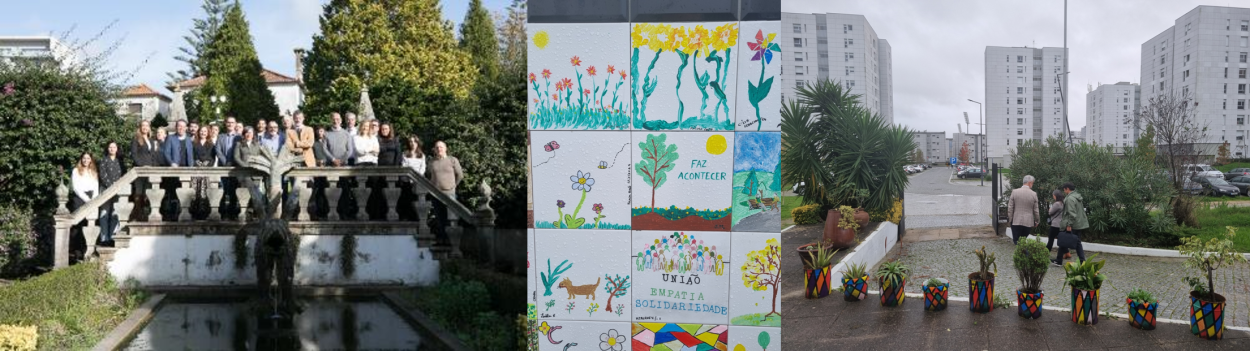
Maia (PT): using energy communities as a catalyst

In Maia, the transfer process was shaped by a particularly strong capacity to engage local communities, supported by a well-developed local ecosystem around renewable energy communities. The City of Maia benefited from already established cooperation between municipal departments, the municipal housing company, energy agencies and energy providers, as well as from experience in working directly with residents in neighbourhoods such as Sobreiro. This positioned Maia well to address energy poverty through collective and community-based approaches.
Testing activities therefore focused primarily on community engagement. Public information sessions were organised around inclusive renewable energy communities, both in disadvantaged neighbourhoods – most notably in Sobreiro – and in the wider community. These sessions aimed to raise awareness, build trust and explore citizens’ willingness to participate collectively in local energy initiatives. 


As Fernando points out: “To our delight, Maia mobilized internal data experts and uniquely explored the potential of big data and AI-supported analysis – testing how consolidated municipal databases and advanced analytics could help identify patterns of energy vulnerability and support more targeted, evidence-based interventions.” Testing quickly challenged several assumptions. Despite strong institutional capacity and hands-on experience in community outreach, engagement did not happen automatically. Participation levels were lower than expected, and recurring questions around transparency, governance and concrete benefits confirmed that communication and trust-building matter as much as technical solutions. At the same time, testing of big data and AI-supported analysis showed that while advanced analytics can significantly improve the identification and spatial understanding of energy vulnerability, their real value depends on data quality, institutional cooperation and the ability to translate technical insights into actionable policy decisions.


These lessons helped clarify Maia’s transfer focus. Rather than treating renewable energy communities as a standalone solution, they are now seen as a catalyst: an entry point to engage citizens, address energy poverty and progressively build more comprehensive, inclusive and data-informed support mechanisms.
 

maia

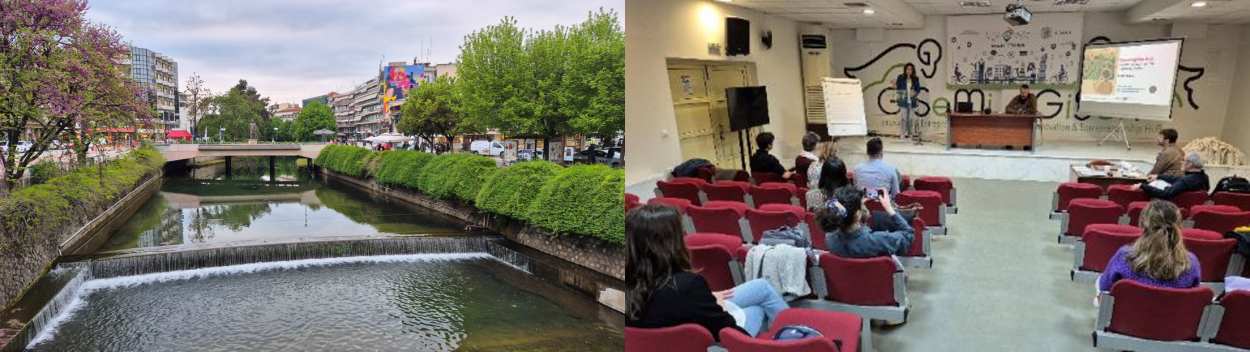
Trikala: changing the narrative before changing the system

Trikala entered the EmPowerIngUs transfer process from a starting position shaped by its long-term Trikala 2030 strategic framework. While energy-related initiatives already existed, energy poverty itself – and the social stigma surrounding it – remained largely invisible as a policy issue, limiting both political attention and citizen engagement. Raising awareness and gathering knowledge and solutions therefore became strategic priorities from the outset.


Rather than rushing into isolated testing actions, Trikala chose to focus on sequencing and coherence. Initial efforts concentrated on a city-wide energy poverty awareness-raising campaign, implemented through public events, presentations and interactive activities. These actions were designed to make the issue visible, accessible and relevant, without directly targeting or labelling vulnerable groups, while reinforcing synergies across municipal departments and ongoing projects.


In practice, Trikala’s transfer journey progressed more slowly than initially planned. Testing actions had to be carefully aligned with the establishment of new local structures – most notably the Energy Office – and with a wider portfolio of EU-funded projects running in parallel. Delays in these related initiatives inevitably affected the timing of EmPowerIngUs testing actions as well. As Fernando reflects: “Trikala was the only transfer city to explicitly link EmPowerIngUs with other ongoing European initiatives, using this alignment to prepare realistic funding pathways for the future implementation of its Investment Plan. It meant playing a smart, but tricky, long-term game within our quite short project timeframe.”


Although testing actions were delayed, the lessons emerging from Trikala’s case are highly relevant. They demonstrate that in some contexts, the most important outcome of transfer is not immediate implementation, but increased visibility and legitimacy, as well as clarity on sequencing, readiness and long-term alignment among local institutions and partners. As a result, Trikala’s emerging transfer direction is clear: by embedding EmPowerIngUs within the Trikala 2030 framework and a broader ecosystem of EU-funded initiatives, the city is laying the groundwork for a coherent, fundable and sustainable implementation phase.
 

trikala

What cities learned by testing — across very different paths


Testing actions proved to be far more than small-scale pilots. They became a critical learning tool that helped cities clarify priorities, challenge assumptions and avoid premature commitments. While each transfer city followed a different path, testing revealed the following set of shared insights:
 

  • Sequencing matters: not all elements of a good practice can – or should – be transferred at once. Testing helped cities identify what needed to come first, from technical foundations to awareness and trust-building.
  • Data is essential, but not self-sufficient: whether basic or AI-supported, data only creates value when embedded in clear workflows, institutional coordination and decision-making processes.
  • Trust and communication are structural components: engagement with citizens and intermediaries showed that managing expectations and addressing stigma are central to effective action.
  • Constraints are valuable learning opportunities: delays, limited capacity and unexpected outcomes helped cities avoid costly missteps and define more realistic, fundable transfer paths. Taken together, these lessons show that testing does not accelerate implementation by moving faster, but by helping cities move smarter – towards solutions that genuinely fit their local reality.


A quick look back at Getafe: from innovation to transfer to permanence
 

The transfer process also prompted a moment of reflection in Getafe itself. EPIU, originally developed as an innovative local response, did not remain static. finalInstead, by engaging with partner cities and observing how the model was translated elsewhere, the transfer process helped Getafe reassess its own assumptions and evolve the good practice to a new level. 
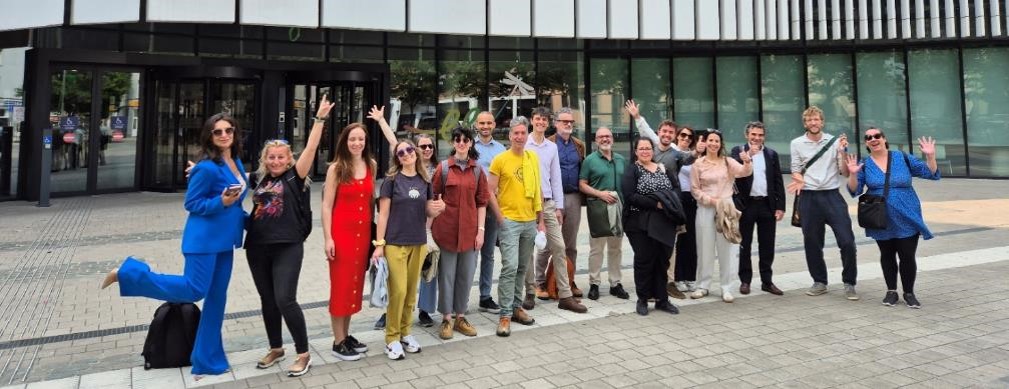
Through the preparation of its Continuity Plan, Getafe shifted its focus from innovation to permanence. Key efforts concentrated on strengthening institutional embedding, improving data governance, and consolidating coordination across municipal departments and partner organisations. Rather than expanding the model further, the priority became ensuring its long-term stability, usability and political ownership.
For transfer cities, Getafe’s experience offers an important reminder: successful transfer is not only about adapting a good practice, but also about sustaining it. Permanence requires time, institutional commitment and continuous adjustment – long after the initial innovation phase has passed.
 

Why this could only happen in a network
 

What ultimately made above-described lessons learned possible was not a single tool or methodology, but the fact that cities worked together as part of a structured URBACT network. The network created a safe space for cities to explore uncertainty, test ideas at their own pace and learn openly from both progress and constraints – without the pressure to deliver ready-made solutions.

Peer exchange played a critical role. Cities did not simply learn from Getafe, but also from one another’s questions, hesitations and adaptations. Seeing different paths unfold in parallel helped partners legitimise their own choices and better understand that transfer is not about speed or replication, but about fit. Equally important was the structured support provided through shared tools, reflection moments and expert guidance. This combination allowed testing to inform strategy, rather than the other way around. EmPowerIngUs shows that when transfer becomes translation, networks are not an add-on – they are the condition that makes meaningful, sustainable learning possible.


Submitted by on 19/06/2026
author image

Klemen Strmsnik

See all articles