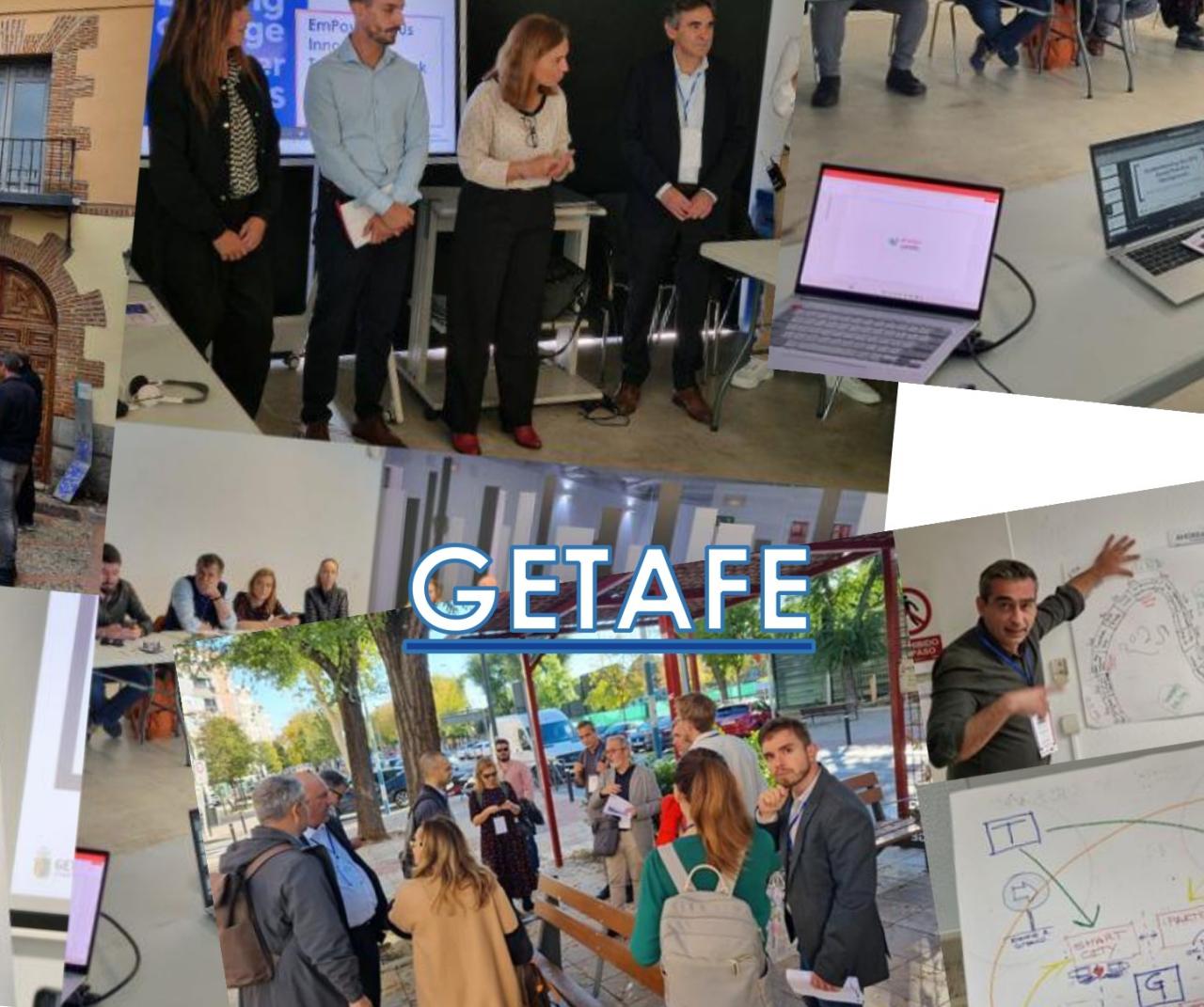
Building on the success of the Energy Poverty Intelligence Unit (EPIU) developed in Getafe, Spain, the project brings together five cities—Getafe, Etterbeek (Belgium), Maia (Portugal), Pomorie (Bulgaria), and Trikala (Greece)—to transfer and adapt innovative approaches to identifying and combating energy poverty.
At the heart of the initiative lies a simple but powerful idea: energy poverty is not only a housing issue. It is a social, economic and environmental challenge that affects people, buildings and entire neighbourhoods. The EPIU model combines data analysis, citizen support services and tailored interventions to better understand local needs and deliver targeted solutions.
During its first months of implementation, EmPowerIngUs has made significant progress. All partner cities have established their URBACT Local Groups, bringing together municipalities, social services, universities, energy experts, NGOs, housing agencies and community organisations. These multi-stakeholder groups are becoming key platforms for collaboration, knowledge sharing and local innovation.
One of the project's major achievements so far has been strengthening local capacities for data collection and analysis. Understanding who is affected by energy poverty—and why—is essential for designing effective interventions. Several partner cities have already begun improving access to data and exploring new methods to identify vulnerable households.
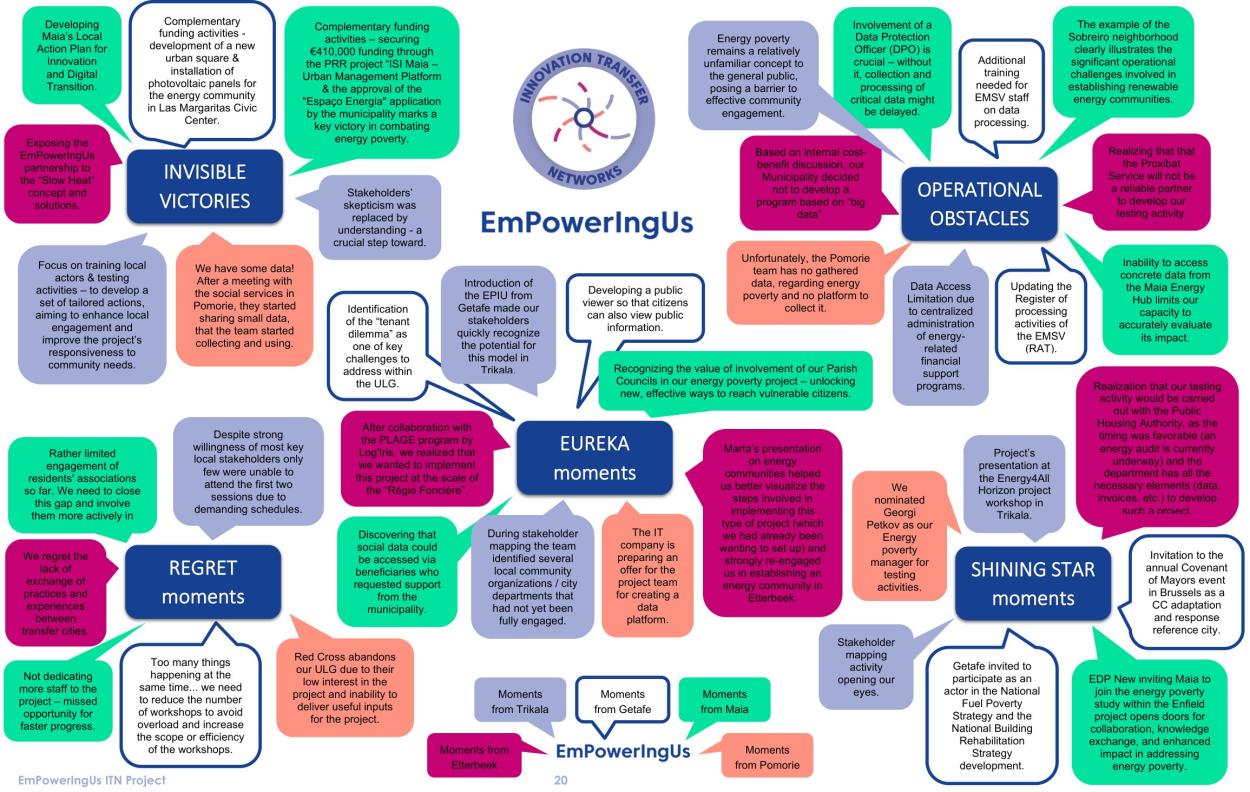
The project has also generated tangible local momentum.
- In Maia, new funding opportunities have been secured to support energy-related initiatives and digital innovation.
- In Trikala, stakeholders quickly recognised the potential of the Getafe model and have begun exploring how it can be adapted to local realities.
- Etterbeek is testing approaches within its public housing stock, while Pomorie has started collecting its first structured data on energy poverty, laying the foundation for future action.
- In Pomorie progress has been particularly significant in the field of data collection, while for the first time, local stakeholders are assembling structured information on vulnerable households.
- Meanwhile, Getafe continues to refine its pioneering approach. The city is developing new digital tools to make information more accessible to citizens and has gained national recognition through its contribution to Spain's fuel poverty and building renovation strategies.
Challenges remain, including data accessibility, citizen engagement and the complexity of establishing energy communities. Yet the first results show that cities can make faster progress when they learn from one another. By combining technical innovation, social inclusion and strong local partnerships, EmPowerIngUs is helping build a more resilient and equitable energy transition across Europe.
Interested to learn more? Have a look at EmpowerIngUs 1st Quarterly Network journal by Klemen Strmšnik