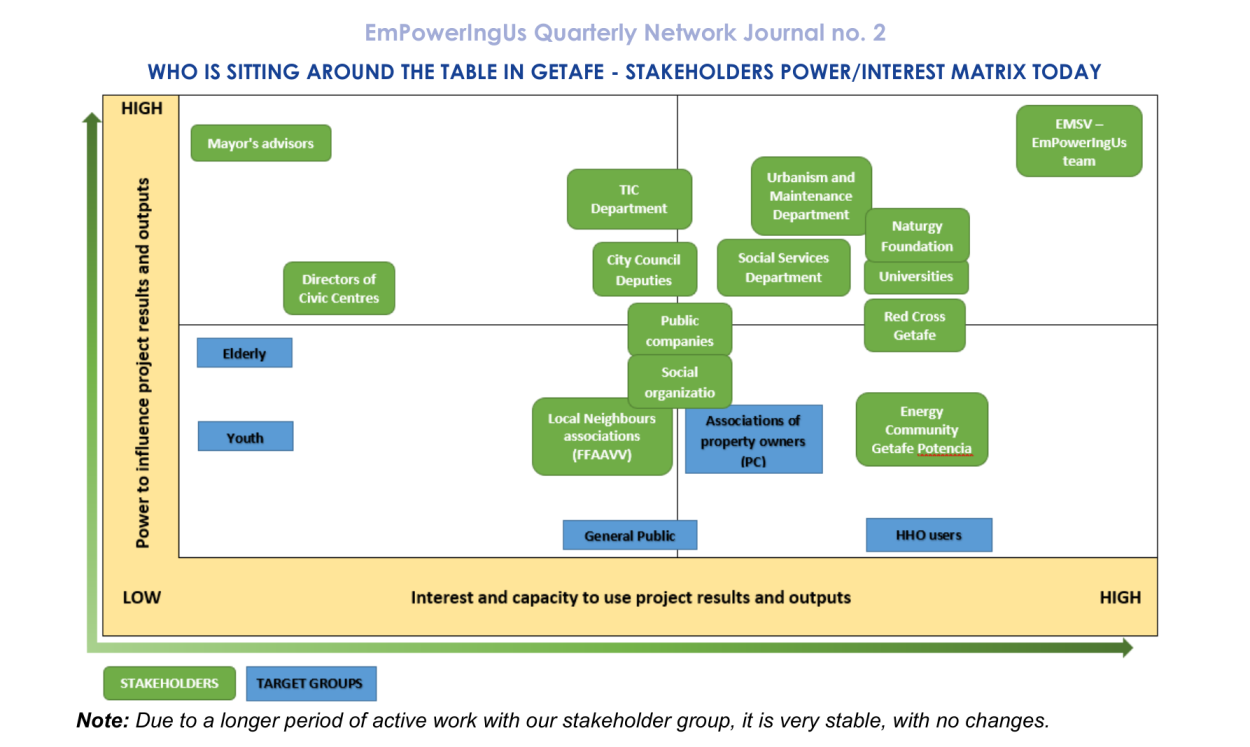
In Getafe, the Lead Partner city, the ULG is organized around three thematic clusters: social, urban and technological. The social cluster works closely with the Spanish Red Cross and local associations, focusing on participation, inclusion and the distribution of seasonal energy-efficiency kits. The urban cluster involves municipal departments responsible for planning and maintenance, which are integrating EPIU methodologies into the Getafe Rehabilita Strategy and other public projects. The technological cluster includes the municipal IT department, Astibot and Carlos III University, working on data management systems, GIS tools and digital visualization platforms. The stakeholder network also includes actors such as the Getafe Potencia Energy Community, reinforcing the link between social action and energy transition.
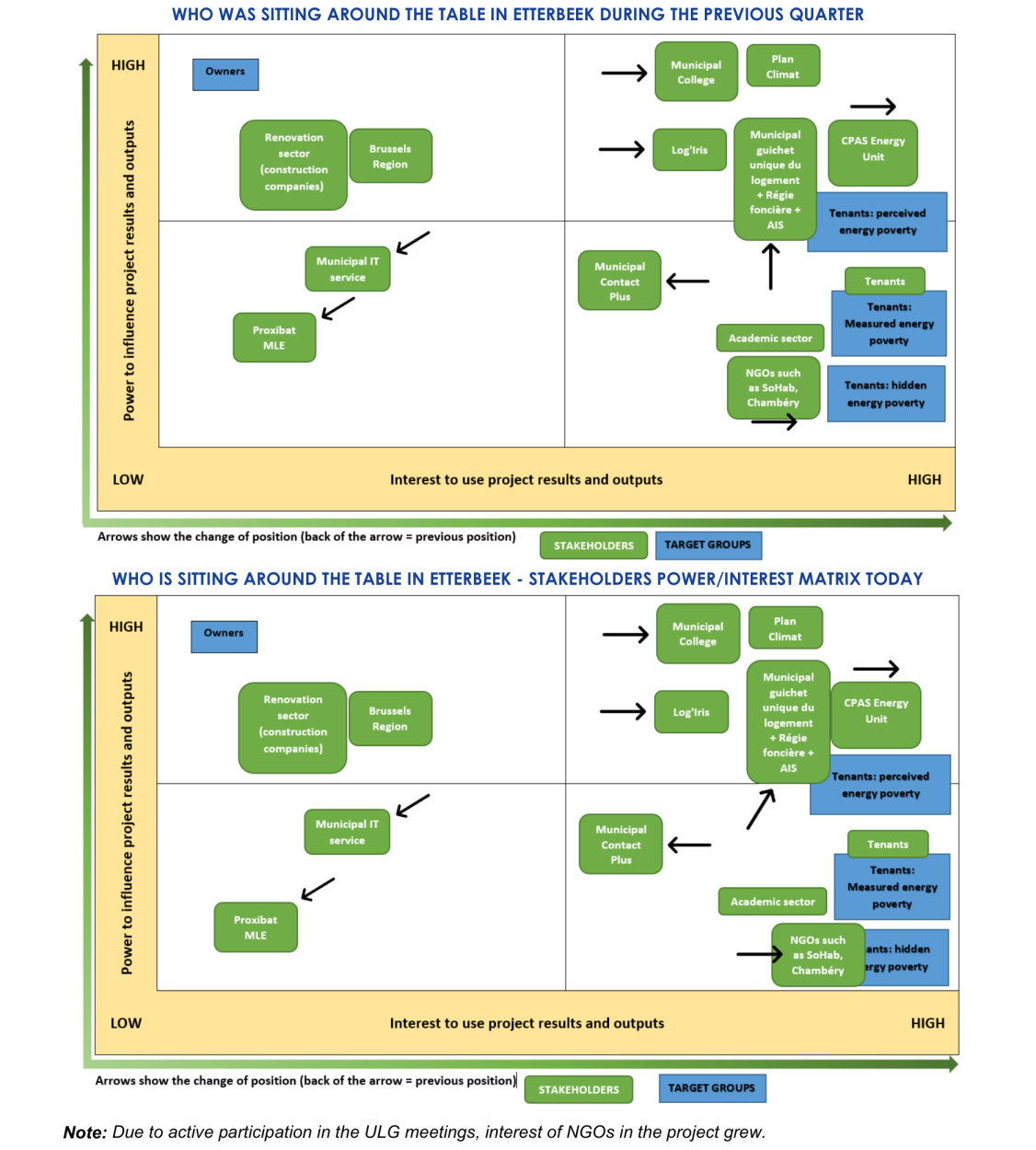
Etterbeek, Belgium, has adopted a two-level structure consisting of a stable core group and a broader, more flexible network. During the reporting period, the ULG strengthened collaboration with non-municipal actors including the social housing company Log’Iris, academic experts involved in the Slow Heat project and representatives of civil society. The group has been particularly active in preparing testing activities related to housing renovation strategies and awareness-raising actions for tenants, while also experimenting with citizen outreach initiatives on water and energy-related issues.
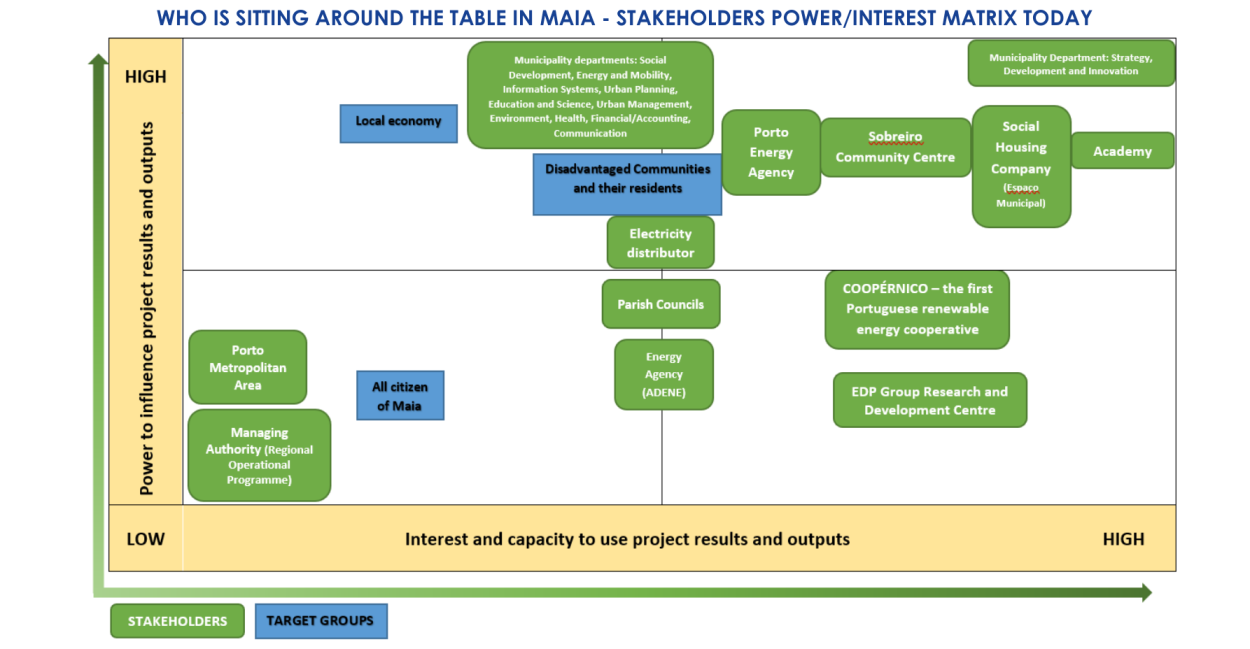
In Maia, Portugal, the ULG alternates between internal coordination meetings and decentralized sessions held across different parishes. Municipal divisions responsible for energy, social development, innovation and information systems work alongside the municipal housing company Espaço Municipal and Maia University. The stakeholder network has gradually expanded to include parish councils, residents, neighbourhood associations and national organizations such as ADENE, Portugal’s National Energy Agency, and Coopérnico, a renewable energy cooperative. A recent ULG meeting focused specifically on Renewable Energy Communities, bringing together institutional actors and local residents.
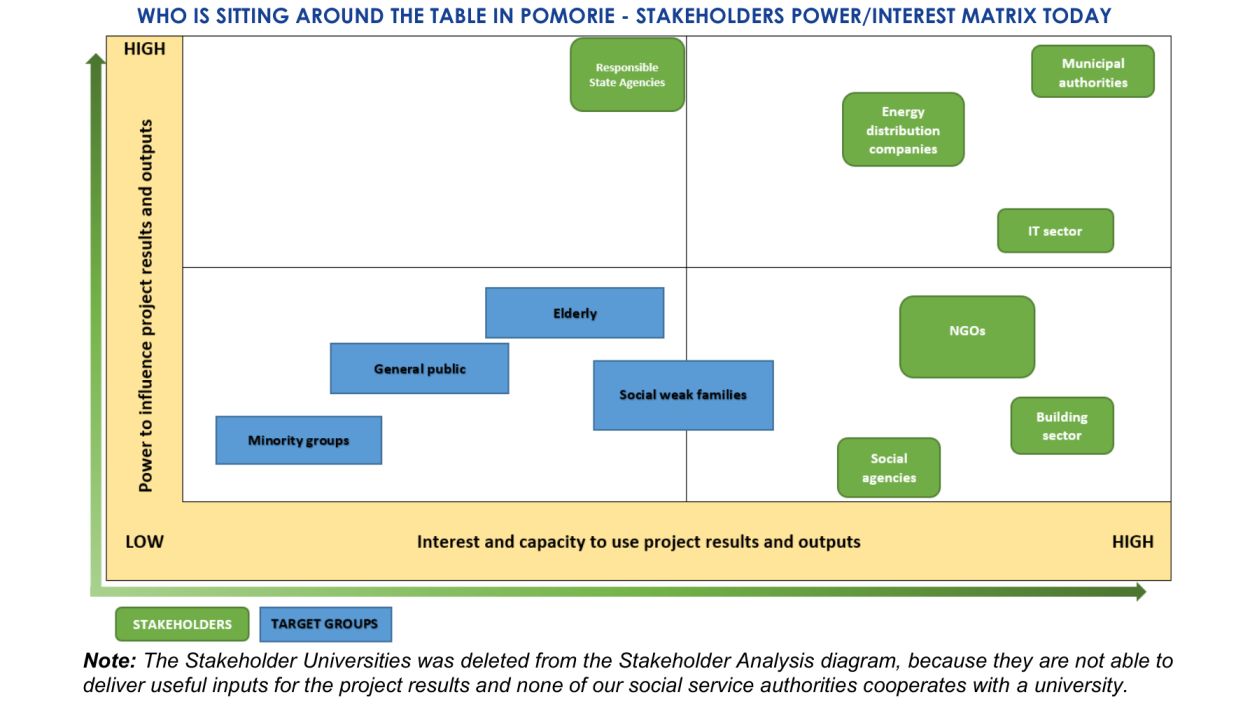
Pomorie, Bulgaria, has concentrated its efforts on building a stakeholder network capable of supporting data collection and analysis related to energy poverty. The ULG includes municipal departments, social services, representatives of vulnerable communities, an IT company and the regional energy supplier EVN. Collaboration with the Centre for Social Support and the Directorate of Social Services has helped the municipality better understand the needs and characteristics of vulnerable households. Discussions have also focused on data availability, household energy consumption and GDPR compliance, highlighting the importance of cooperation between social and technical stakeholders.
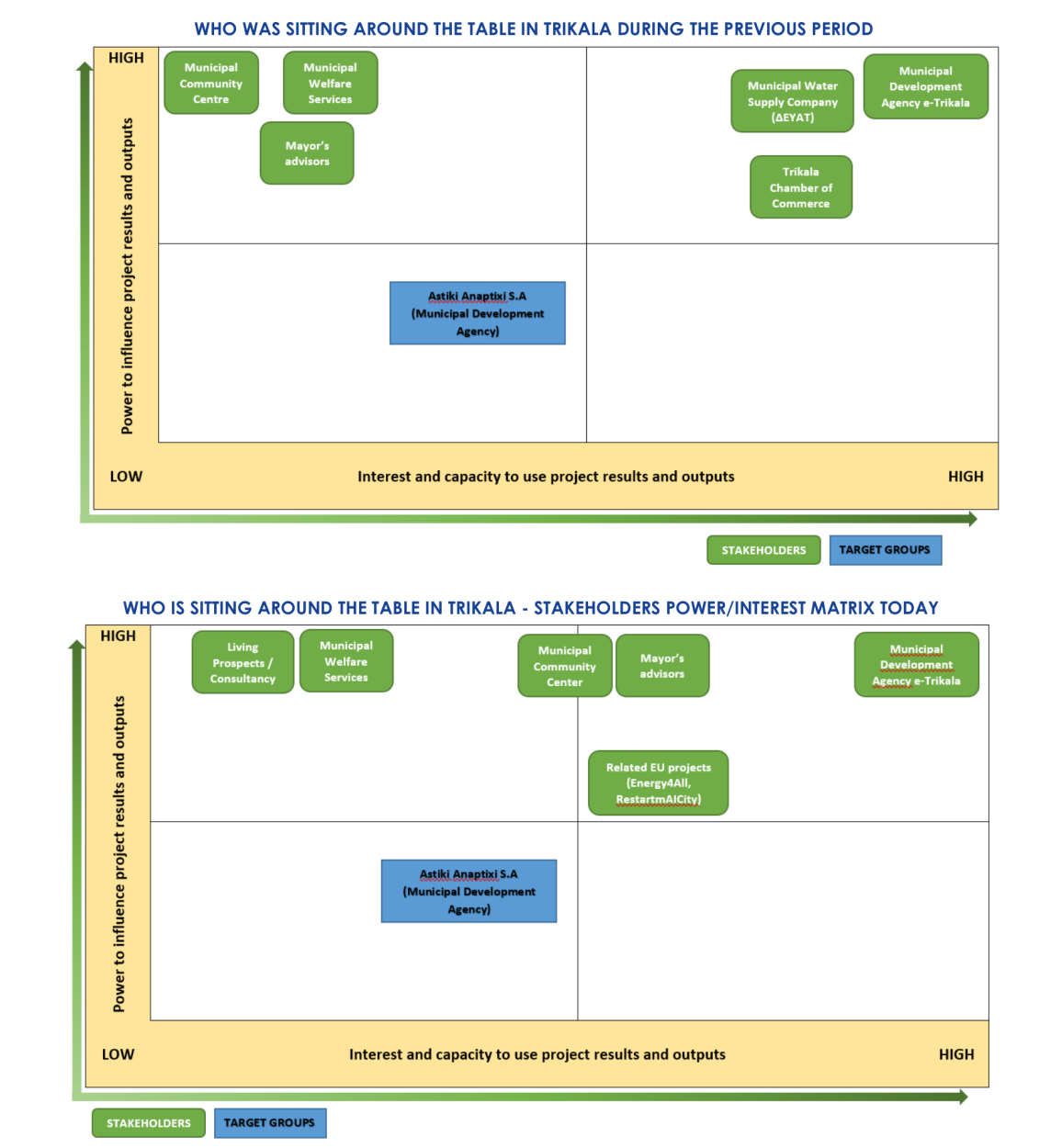
In Trikala, Greece, the ULG is structured around a core group composed of representatives from the Municipality, the Municipal Development Agency e-Trikala, urban development services, social services and the Municipal Community Centre. A wider network of public companies, utilities and interested individuals contributes expertise on specific issues. The group has worked on topics such as data collection, GDPR compliance, the establishment of the Municipality’s Energy Office and awareness-raising activities. Recent developments include the involvement of Living Prospects and stronger engagement from municipal advisors and community services.
The experiences documented across the EmPowerIngUs partnership demonstrate that stakeholder engagement is not a peripheral activity but a core component of the transfer process. While the composition of the ULGs differs from city to city, each local group provides a structured space where institutions, experts and communities can work together to adapt solutions, test new approaches and strengthen local responses to energy poverty.
Interested to learn more? Have a look at EmpowerIngUs 2nd Quarterly Network journal by Klemen Strmšnik