In her 2026 World Water Day statement, EU Commissioner for Environment, Water Resilience and a Competitive Circular Economy Jessika Roswall championed water resilience. ‘Inclusive decision-making, collaboration and multilateral action are the keys to an effective response’, she emphasised.
Cities across the EU are experiencing increasingly irregular rainfall, as rising weather extremes mean heavier rain, but also more intense dry periods, depleting water supplies. This poses urgent challenges to local authorities in planning and safeguarding residents’ wellbeing.
The following cities are using nature-based water solutions to boost urban resilience. All five are among 116 URBACT Good Practices selected in 2024 for their participatory and integrated approaches, positive local impacts, and transferability to other EU cities.
Let’s dive in!
#1 – Kiel Region (DE)
Set on the Baltic coast, with densely populated urban and rural areas, two fjords and one of the world’s busiest shipping canals, the Kiel Region is particularly vulnerable to climate irregularities, from rapid coastal flooding to fluctuating groundwater levels.
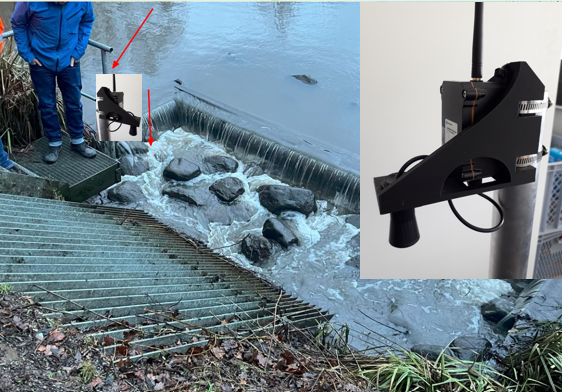
In response, Kiel’s Smart Water Measurement project uses sensor technology to monitor water levels and forecast extreme weather events. Over two years, supported by the national ‘Smart Cities made in Germany’ initiative, the project gathered more than 2 000 suggestions from citizens, administration officials, politicians and regional stakeholders. There were also stakeholder workshops and an interdisciplinary expert forum. This enabled the creation of a regional data infrastructure, involving local civil engineering offices, sewerage companies and the water authority.
During tests at two pilot sites, fire ponds and a rainwater retention basin were equipped with sensors and a dashboard. Threshold values were defined so that when water levels are exceeded, the responsible authority receives an automatic alert. Linking weather models with sensor measurements helps authorities better anticipate heavy rainfall, reduces the need for manual checks of drainage and retention infrastructure, and supports planning approaches such as the sponge city model.
Key takeaways for your city
Kiel’s project is already being prepared for expansion to additional sites and local authorities across the territory. Featuring pilot projects and open-source guidelines, this scalable, transferable model can help local governments, urban planners and decision-makers in any city to use data-driven water management in improving climate adaptation to build more resilient communities.
Furthermore, Kiel’s experience suggests three practical lessons for other cities: (1) combine real-time water monitoring with clear alert thresholds for authorities; (2) build the system with infrastructure actors such as water authorities and sewerage companies from the start; (3) and embed the work within a broader smart city strategy to ensure citizen and stakeholder involvement.
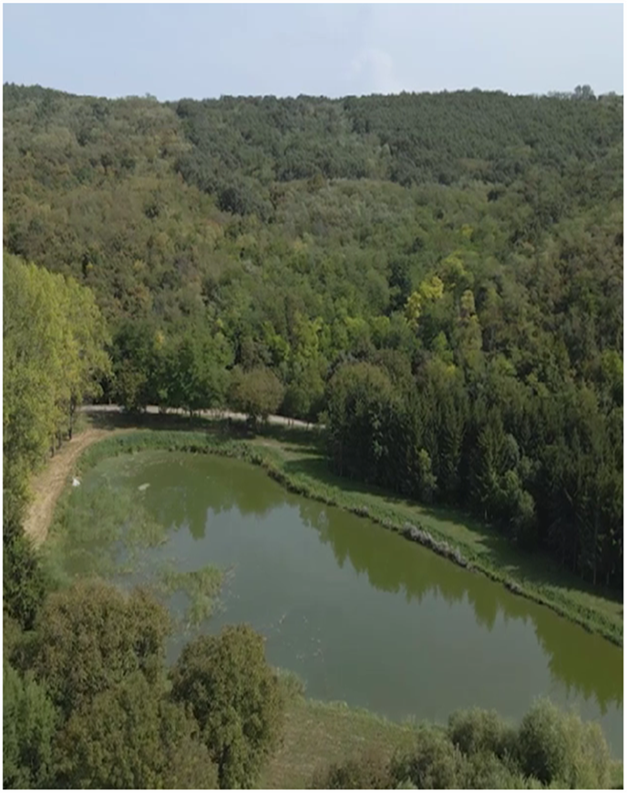
A rural community came together to transform their floodplain into a wetland using a system of small-scale Natural Water Retention Measures (NWRMs). This stabilised groundwater levels, mitigated water shortage risks, increased biodiversity, attracted tourists and halted costly and damaging flash floods in the village and surrounding farms.
How was this achieved in an area with steep hills and with the backing of multiple landowners and administrations? To begin, experts explained water runoff models and NWRM options to stakeholders. Then, experts, residents, farmers and other groups helped decide which solutions to install via a Water Catchment Area Stakeholder Platform, which now coordinates interventions across nine authorities, covering 210 km². Seven log dams were also built and three small-stone dams renovated. In 2019, a water retention pond was built to regulate groundwater and micro-climate, creating a recreational area and habitat for protected species – increasing biodiversity by 25%. Other NWRMs include a ground dam, swales and hedgerows.
Since 2017, these small-scale measures have completely eliminated flash-flood damage that had previously caused around EUR 250 000 in infrastructure losses and EUR 100 000 in agricultural losses. Monitoring also showed that groundwater levels became far more stable, fluctuating by only 15 cm rather than the previous 3-4 m, which helped reduce water shortage risks during hot and dry periods. As a testament to these measures, the Szilágyi creek was the only one in the region that did not dry out during the historic 2022 drought.
All this was achieved with local support from farmers with spades and school classes regularly checking their ‘adopted’ NWRMs. The municipality is continuing efforts across the catchment area, using a Stakeholder Platform to balance the interests of foresters, farmers, communities, nature protection groups with environmental, economic and social needs.
Key takeaways for your city
For Püspökszilágy, there are three top takeaways: (1) even small interventions, like log dams and hedgerows, are effective; (2) catchment-based planning can help to identify intervention points and reduce downstream flooding; and (3) coordination between local authorities and stakeholders is vital.
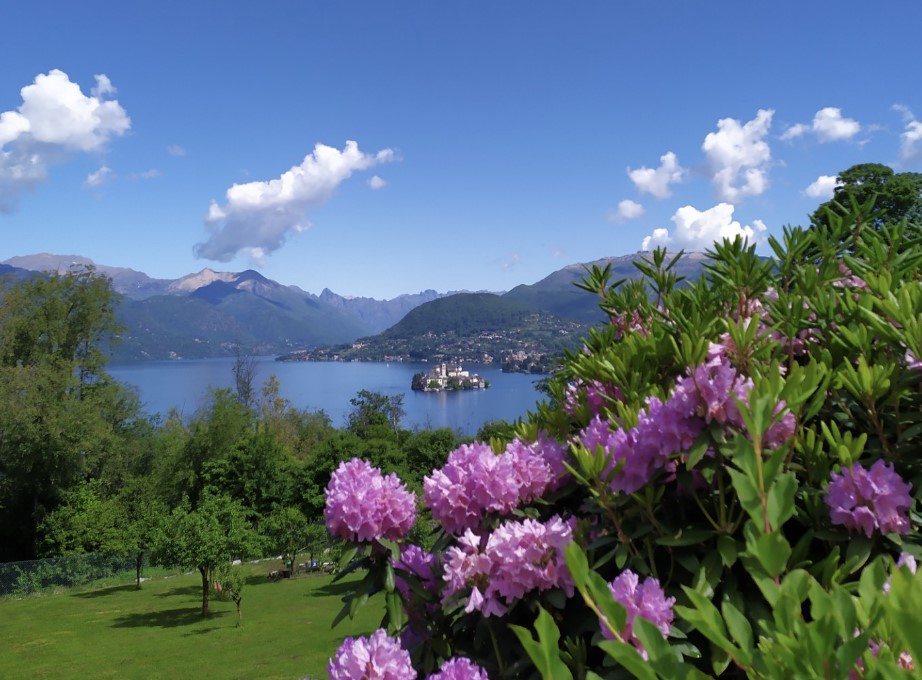
After decades of industrial pollution, a major clean-up of Lake Orta in 1987 involved a water treatment process to neutralise the water. Today, this liming intervention remains a global scientific case study for lake restoration. Subsequent actions included reintroducing fish species, protecting reed beds and monitoring environmental conditions, plants and microplastics levels.
Once the lake clean-up was complete, a new alliance to preserve the ecosystem was set up; by 2021, Borgomanero had created the voluntary Cusio Lake contract, signed by 133 local actors. Coordinated by the local Ecomuseum, the contract proposes collective and individual actions in pollution reduction, lake ecosystem, redevelopment and environmental sustainability education.
An outstanding feature of this contract relates to how it was created. Informed by technical territorial evaluations, the co-drafting process was highly participative. Discussions across multiple municipalities co-evaluated needs and expectations of the public administrations, businesses and local associations involved, defining shared solutions to protect the water basin’s natural resources and sustainable socio-economic development.
Key takeaways for your city
Borgomanero’s experience shows the power of a participatory approach to managing water resources. Clearly, it is important to build a broad local alliance early: one of the first achievements was getting all lake municipalities, alongside major industries and associations, to work together under a shared framework coordinated by a trusted local institution.
Other municipalities can use this tool to co-define their own sustainable lake management framework. Key steps include:
Define river basin boundaries and characteristics
Analyse pollution sources, legal frameworks, development plans, and previous or ongoing projects
Identify historical and cultural values and community needs; engage local actors and key players
Involve technical and scientific support; and identify funding sources
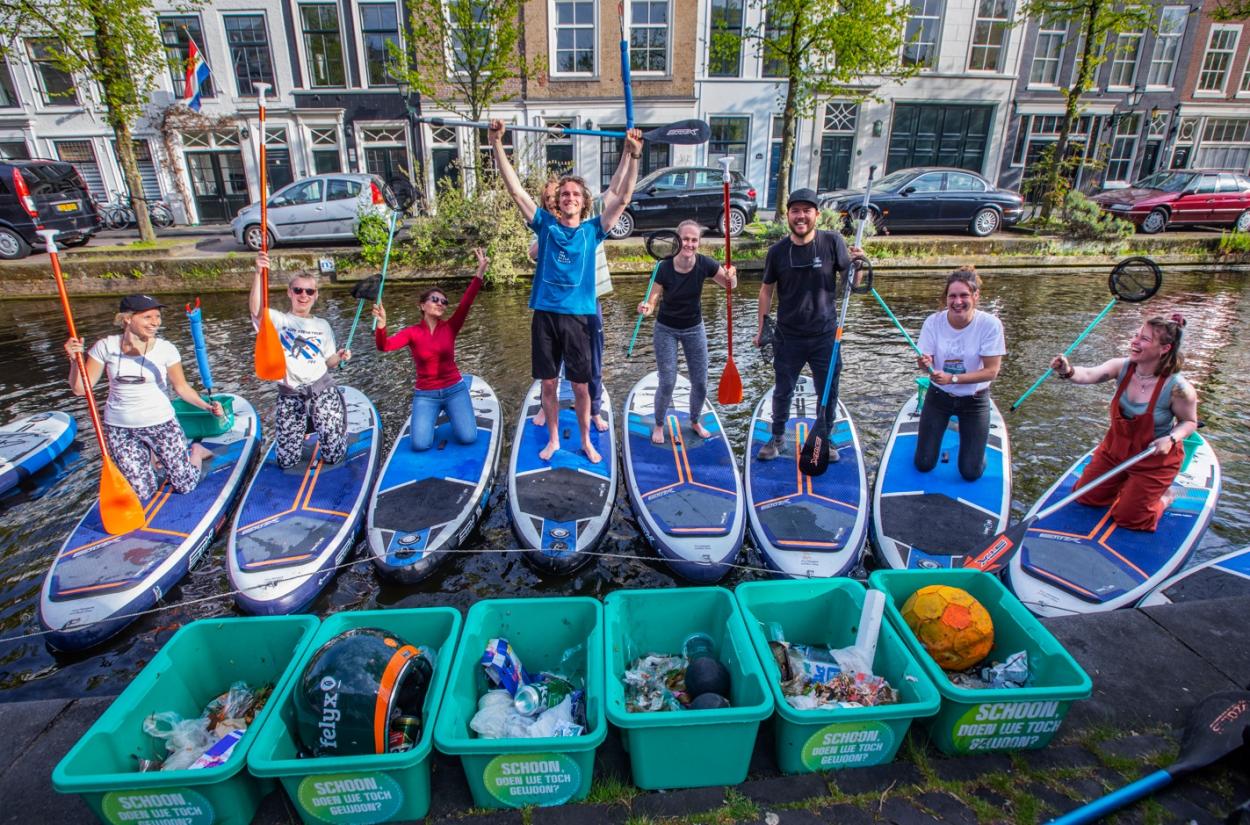
Litter in waterways and beaches is a persistent challenge to keeping local waters clean. The Hague found a participatory approach to overcome this challenge. Keeping local waters clean works with multiple partners, residents, schools and visitors in a model that has developed progressively over time.
In response to the masses of litter carried to sea via The Hague’s many canals, several projects were proposed by social entrepreneurs, and developed with city financing. In 2016, for one of these projects, the city teamed up with TrashUre Hunt for a summer challenge to collect beach litter in exchange for a token that could be redeemed for different creative workshops. Participation grew from 600 people in 2016 to 2 678 in 2023, when participants collected around 3 000 kg of trash and 100 000 cigarette filters. Also in 2023, in a similar scheme, around 1 500 participants exchanged bags of litter for free coffee at around 25 beach bars.
The city later added canal projects, with 1 300 people paddle boarding for free in 2023 in exchange for collecting litter along the way, and canal boat tours for 12-18-year-olds to ‘fish for plastic’ as part of the school curriculum. Across these activities, around 5 800 people participated actively in 2023.
The city aims to help these initiatives become self-sustaining, so its resources can be used to support new initiatives.
Key takeaways for your city
The Hague’s experience shows that simple, low-barrier activities can attract large numbers of participants when they are built with local partners and backed by strong communication. However, it does require: a dedicated policy officer or project manager to motivate stakeholders to start or expand projects; a communication officer to increase participation; and local political backing.
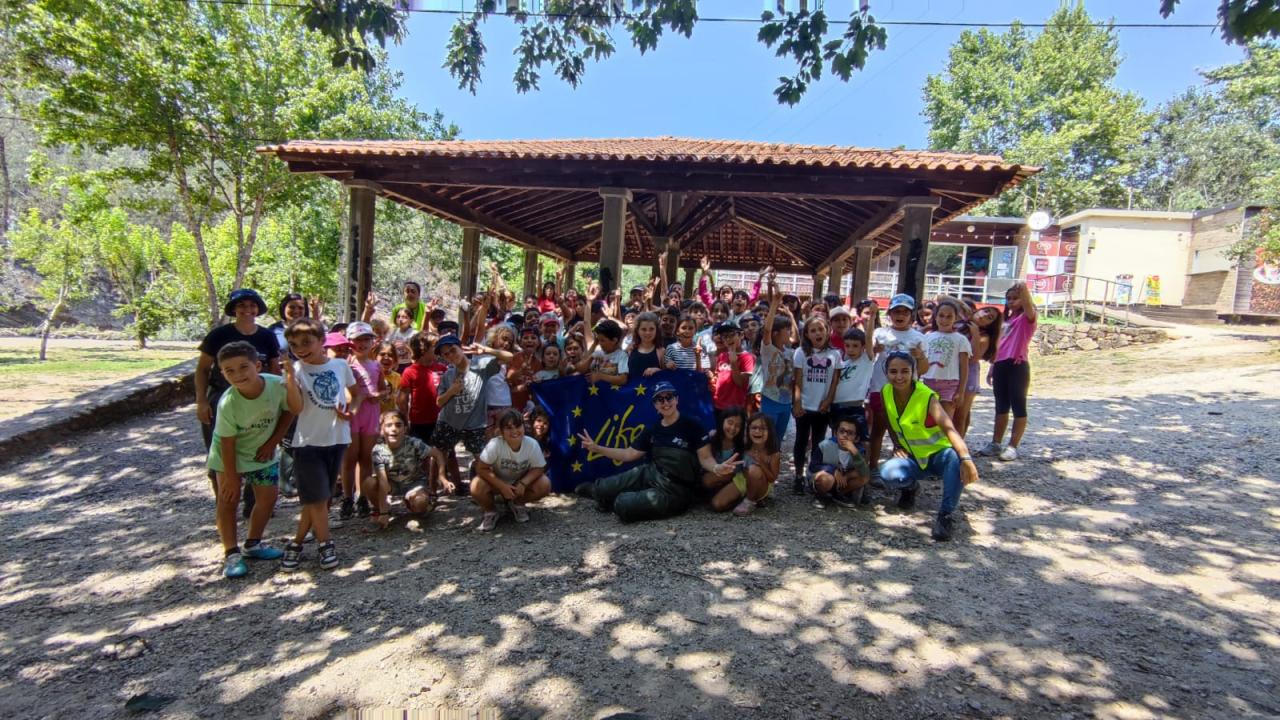
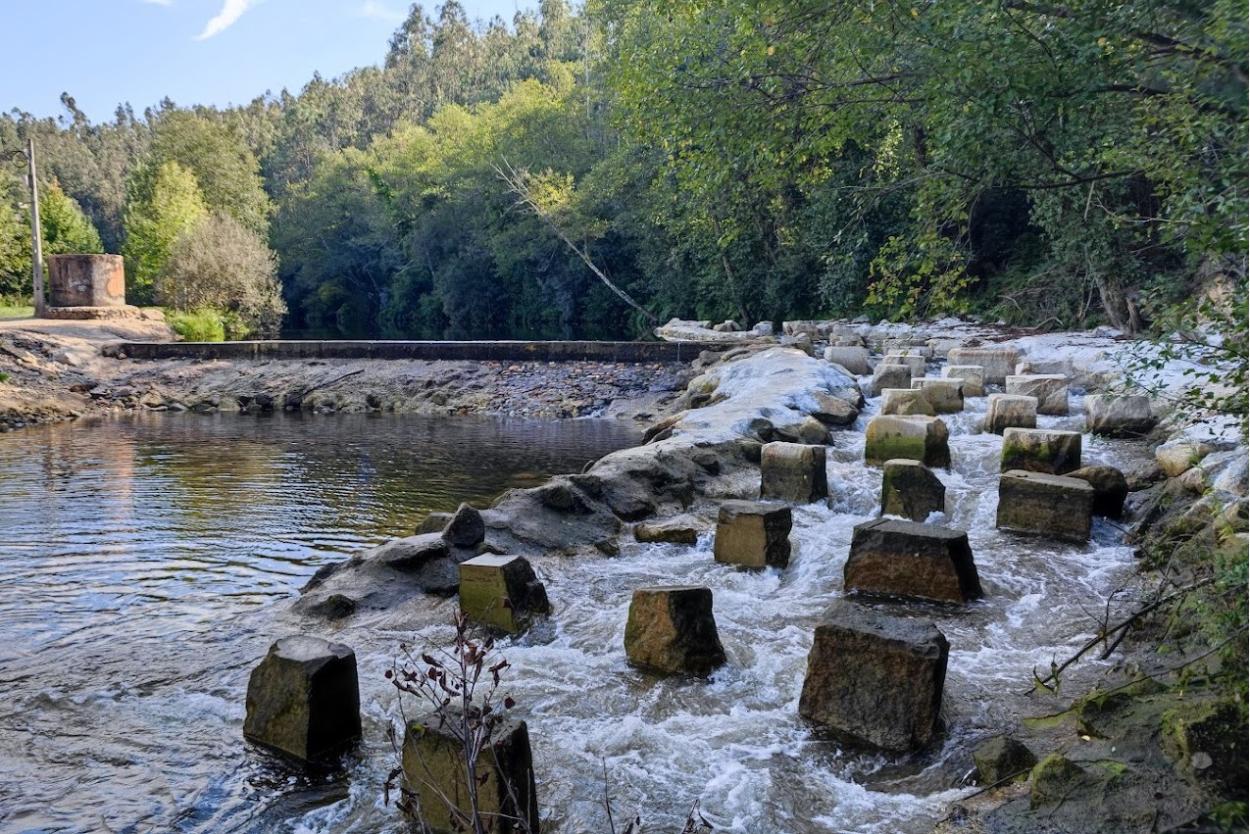
This river restoration project tackles the interconnected environmental, economic and social challenges of re-naturalising rivers and their banks. The LIFE Águeda ecological restoration project connects people with rivers, restoring the ecological status of over 50 km of aquatic and riverside habitats in Portugal’s Vouga River Basin, aligning with various EU directives, particularly on water, birds and habitats. Overall, the project increased flooding resilience on 35 ha of river plains.
The multi-disciplinary approach includes Monitoring Committee meetings or Public Sessions with parish councils, fishing representatives, water management bodies, associations and residents to discuss work in progress and next steps.
Key physical interventions include:
removing weirs that act as barriers to migratory fish species, with eight obstacles removed to improve river continuity;
constructing multiple fish passes, including 3 permanent naturalised fish passages and 2 temporary ones;
removing invasive species;
reforesting with thousands of native tree and shrub species; and
translocating endangered species, such as juvenile European eels, while improving habitat for at least 4 other protected species.
As for environmental awareness raising, actions in schools and the community reached over 7 600 people. Riverside accessibility is a focus, with improved walking routes, an e-CaR electric wheelchair, interpretive panels and a River Knowledge Centre. Águeda also set out to increase the commercial value of native fish by at least 25% with a new seal of origin as well as a mobile registration station and Fishing in Portugal app to support sustainable fisheries management.
Key takeaways for your city
This practice is useful for any community wanting to restore water ecosystems, enhance biodiversity, engage communities, and increase the commercial value of native fish. Various cities and organisations have already visited Águeda’s fish passages and nature-based solutions to inspire improvements in their own territories.
Keeping water soures refreshed and restored
These five urban water management practices show how towns and cities can find solutions, even opportunities, by working with nature. From small-scale local actions to broad, coordinated strategies, they highlight practical ways to build resilience, protect ecosystems and involve communities.
More specifically,
For any municipality facing increasing droughts, flooding and heatwaves – small-scale Natural Water Retention Measures offer a proven, adaptable way to strengthen local climate resilience while aligning with EU policy requirements.
Effective water monitoring and management needs to be part of a broader smart city strategy and robust infrastructure.
Co-creation and participation enable these practices to flourish, boosting civic participation with interactive, public activities but also attracting local stakeholders into longer-term partnerships.
Water restoration and biodiversity can go hand in hand with efforts to boost the local economy.
Looking for more inspiration to connect your city with nature, boosting resilience and local participation? Visit URBACT’s Nature-based Solutions Knowledge Hub and the latest batch of URBACT Good Practices in the database.