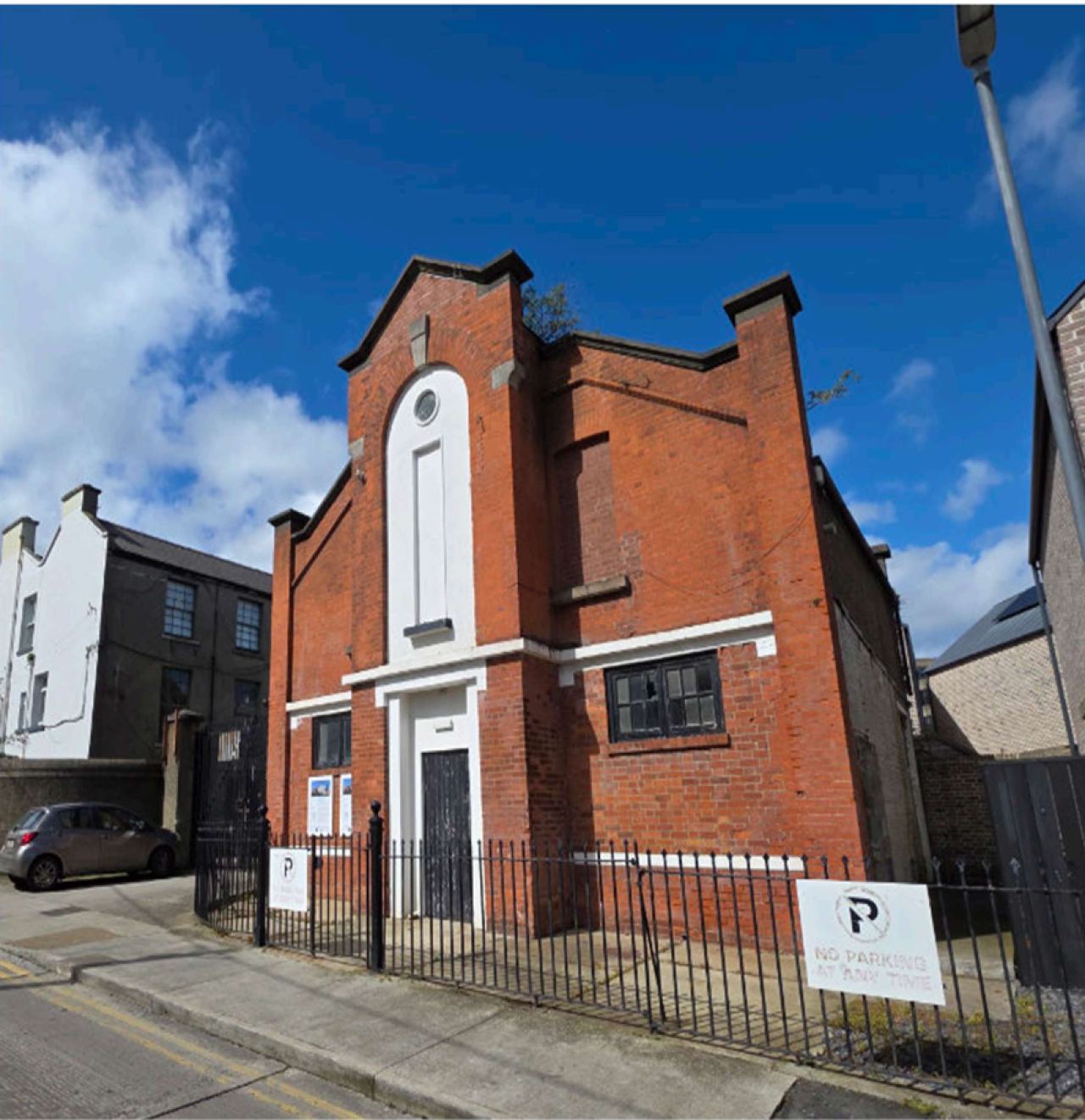
A vacant building can sit in the middle of a town for years. Everyone knows it could become something. A community space. A place to work. A cultural venue. A reason to spend time in the town centre again.
Plans are drawn up. Consultations happen. But nothing changes. Why? Because turning an ambitious idea into a deliverable urban project is difficult. Older buildings come with technical risks and high costs. Local authorities may lack the time or specialist expertise needed to prepare them. Funding programmes do not always fit together. And in many cases, the private market will not step in because the financial return is simply not there.
So, what does it actually take to unlock these places? URBACT’s new Unlocking Compact Cities study explores that question through Ireland’s Town Centre First Heritage Revival Scheme (better known as THRIVE). Discover the study.
Sustainable urban planning in a compact format
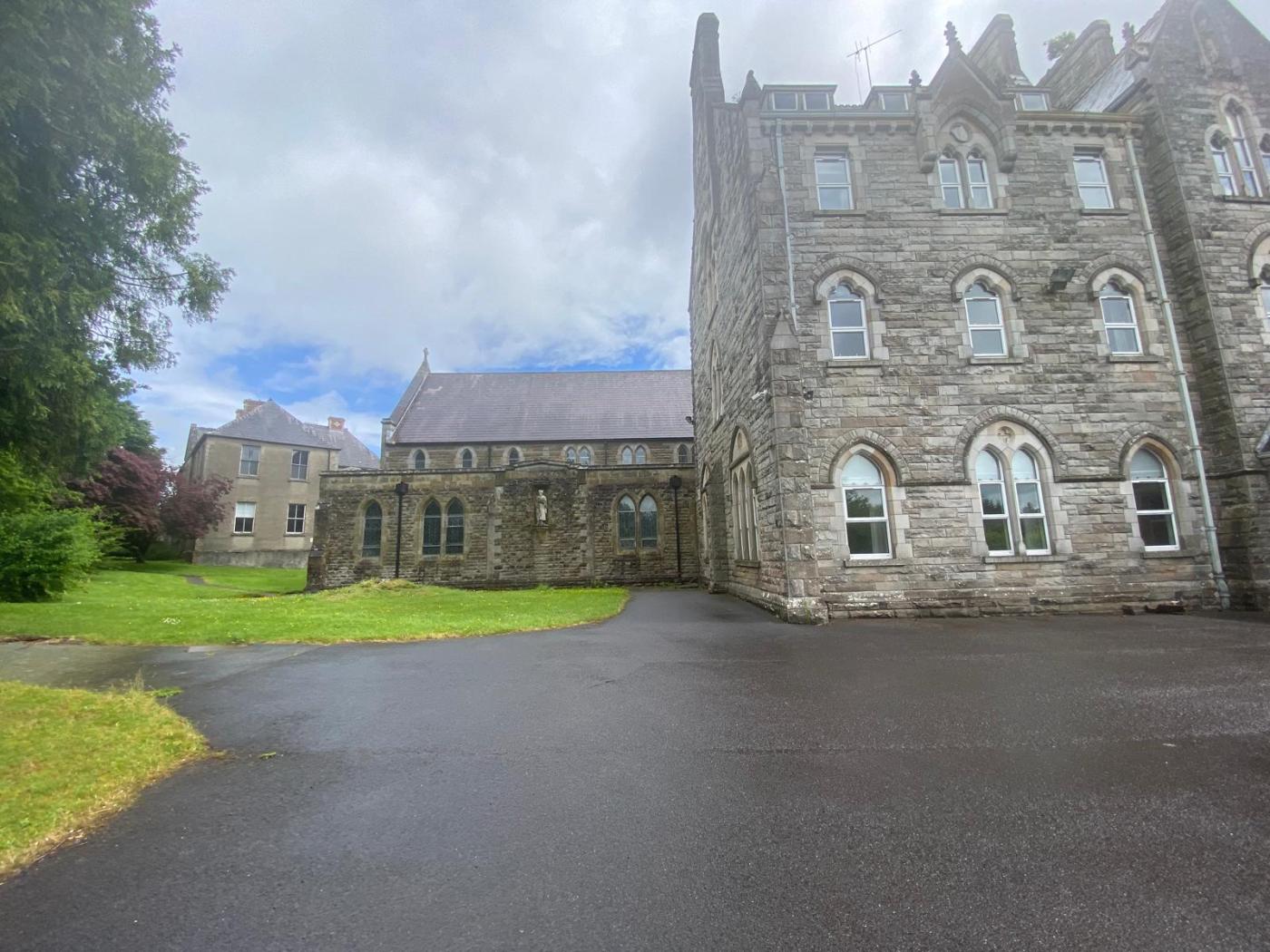
The study was commissioned by the URBACT IV Managing Authority in cooperation with Ireland’s Department of Housing, Local Government and Heritage. It explores six THRIVE-funded projects in Ireland. URBACT experts collected information from Cork, Limerick, Dún Laoghaire, Sligo, Longford and Monaghan; one feeling running through many of them was hope.
The findings will continue to inform discussions during the Irish Presidency of the Council of the European Union (running until end of 2026).
Unpacking the study
In several of the neighbourhoods and town centres examined, there had already been discussions about the possible redevelopment of important vacant heritage buildings for years. Residents had seen plans come and go; they had taken part in consultations without always seeing visible results.
THRIVE changed the conversation because it connected planning with a real route towards investment. Thrive strand 1 supports integrated strategies and the detailed work needed to prepare projects. Strand 2 provides 100% capital funding for selected heritage-led regeneration projects.
For local communities, the difference was not only that funding had finally been committed. It was that they were being asked what these buildings should become from the outset and could see a realistic prospect of something happening.
In Cork, the Let’s Talk Shandon process helped shape plans for the Butter Exchange as a civic, community and enterprise space.
In Limerick, people said they wanted a more welcoming everyday place on Nicholas Street. Their feedback influenced the inclusion of a café within the Forge Design Factory proposal.
In Sligo, years of community involvement helped expand the ambition for the former Gaol (prison). What began largely as a heritage-conservation project developed into a wider vision for community, cultural and educational use. Participation has greatest impact when people can see a connection between what they say and what is eventually delivered.
From principles to action
The study also suggests that the New European Bauhaus initiative can move from a good idea to a practical way of working. THRIVE requires local authorities to demonstrate how New European Bauhaus values, such as sustainability, inclusion, participation, design quality, are built into their strategies and projects. This gives local teams both an incentive and a framework for putting those values into practice.
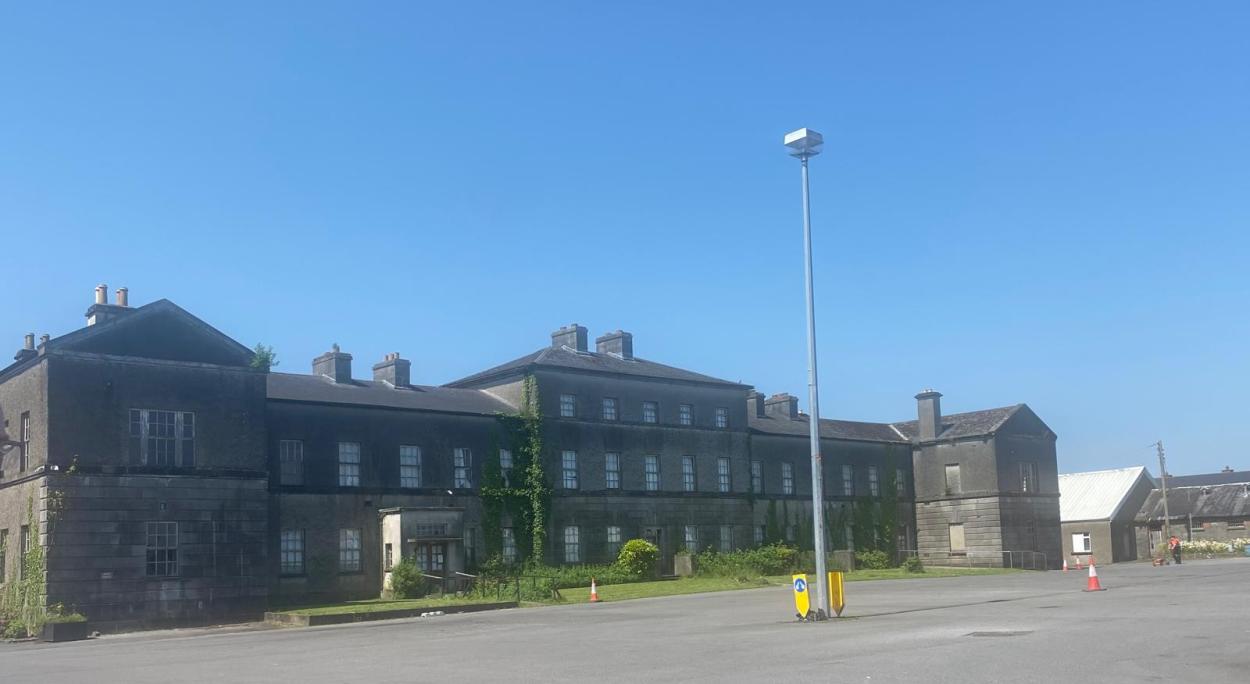
Across the six cases, this can be seen in better-quality design, inclusive engagement, accessibility, adaptive reuse, material reuse, biodiversity and environmental measures. Going one step further, Longford translated New European Bauhaus values into procurement criteria and measurable indicators for the Connolly Barracks project. Sustainability, inclusion and design quality will, therefore, remain visible as the project moves from strategy towards construction.
Furthermore, these cases show that New European Bauhaus does not have to remain a theoretical European concept. With the right programme requirements, resources and local capacity, it can influence how projects are selected, designed, procured and delivered. The challenge is turning those aspirations into practical details that shape real projects.
Lessons from the Irish experience: four things cities need
Four practical lessons emerge from the Irish projects:
Start with the place, not the building. A vacant heritage building can be a catalyst, but it needs to be connected to a wider strategy for the street, neighbourhood or town centre.
Treat preparation as real investment. Surveys, feasibility work, engagement, design, approvals and operational planning reduce risk and make capital investment more likely to succeed.
Bring people in before decisions are fixed. Across the cases, engagement changed proposed uses, design priorities and how projects connected with their surrounding areas.
Invest in people as well as buildings. Cities need staff time, technical expertise and continuity from planning through to delivery. Peer learning can help, but it cannot replace delivery capacity.
While the examples are specific to the aforementioned Irish cities, the study examines approaches in Germany, Poland and the Netherlands. From this broader vantage point, there is no one-size-fits-all answer for European cities in need of a clear strategy, well-prepared projects, access to expertise and funding that responds to local realities.
The next step is to connect that learning more clearly with project preparation and investment so good ideas do not remain on paper, difficult buildings do not remain vacant and communities have a reason to believe that change is really coming. This is where URBACT comes in. Its networks help cities test ideas, build integrated plans and learn from peers across Europe.
Read the Unlocking Compact Cities study
Want to explore the wider European policy conversation? Discover the Urban Agenda for the EU Compact Cities Partnership.
How do cities and urban policy fit in the Irish Presidency of the Council of the EU? Read the full article.