15/09/2015 03/05/2018
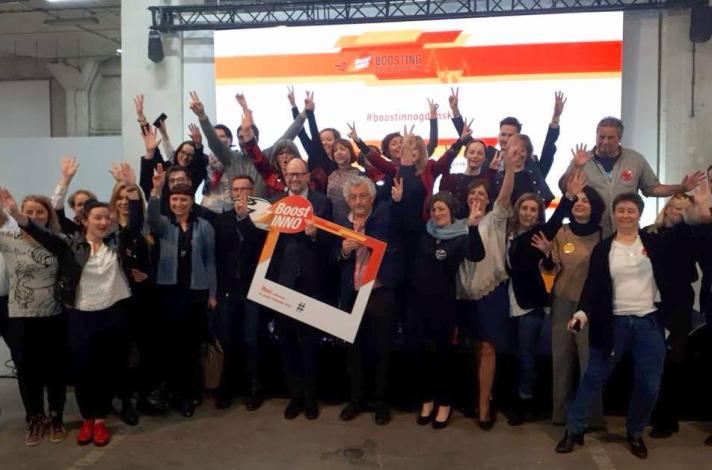
The work developed by the cities of this Action Planning network has proven that social innovation is not just a trend, but it could also be qualified as a fundamental change in the management of cities, in the management of impact and in the relations cities uphold and develop with their inhabitants. Some would describe this change as an equivalent of the industrial or the IT revolution: up until now, one of the basic assumptions of urban policy was that citizens were to accept what is decided, planned and built. Recent years have shown that it is often the citizens who make the city, in a collaborative perspective.
Summary
Partners
Lead Partner : Gdańsk - Poland- Wroclaw - Poland
- Baia Mare - Romania
- Milan - Italy
- Turin - Italy
- Barcelona - Spain
- Braga - Portugal
- Paris - France
- Strasbourg - France
- Länsstyrelsen Skane - Sweden
Timeline
Kick-off meeting in July (Wroclaw). Transnational meeting in November (Barcelona).
Transnational meetings in March (Baia Mare) and November (Paris).
Transnational meeting in January (Milan). Final event in April (Gdansk).
Stories
-
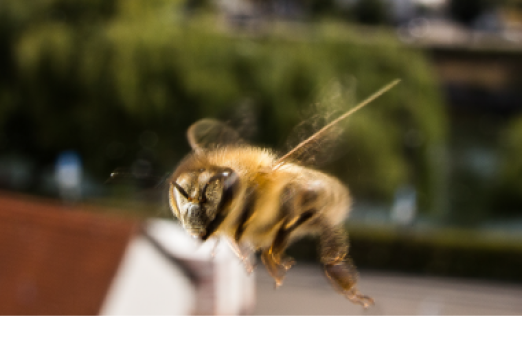
The Bee-friendly city movement is about spreading knowledge on urban beekeeping
BeePathNet Reloaded is about spreading knowledge on urban beekeeping to additional four EU cities that have proven its environmentally friendly
-
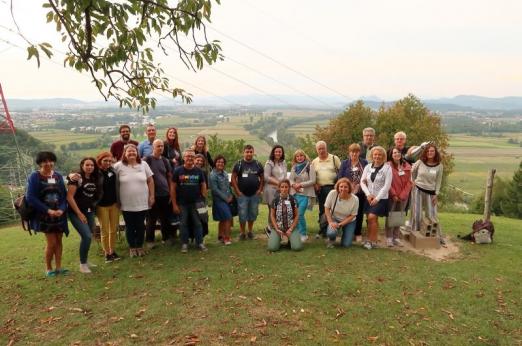
BeePathNet Reloaded Boot Camp
The BeePathNet Reloaded Boot Camp was a five-day intensive training opportunity. The BeePathNet Reloaded partners Ljubljana (lead partner), Bansko
-
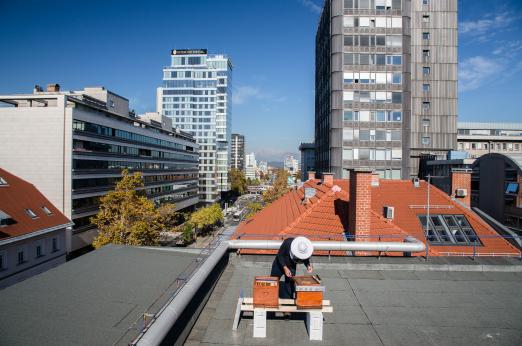
Upgrading environmentally friendly orientation of four EU cities with urban beekeeping principles
BeePathNet Reloaded is about spreading knowledge on urban beekeeping to additional four EU cities that have proven its environmentally friendly
Network Outputs
-
boostinno_final_report.pdf(PDF, 1Mo)
Integrated Action Plans
-
iap_gdansk_boostinno_final_en.pdf(PDF, 2Mo)
-
iap_wroclaw_final_en.pdf(PDF, 8Mo)
-
iap_baia_mare_boostinno_en.pdf(PDF, 2Mo)
-
iap_milan_2018_-_en.pdf(PDF, 3Mo)
-
iap_torino_-_25_maggio_2018_-_en.pdf(PDF, 2Mo)
-
iap_barcelona_resum_executiu_en.pdf(PDF, 588Ko)
-
iap_braga_boostinno_jan_2018_en.pdf(PDF, 4Mo)
-
iap_paris_jan_2018.pdf(PDF, 833Ko)
-
iap_strasbourg_summary_fr_en.pdf(PDF, 516Ko)
-
iap_skane_final_version_en.pdf(PDF, 373Ko)