In Sligo (IE), events in a renewed central square are drawing people back into the town centre. In rural Catalonia, night-shift workers have started sharing rides to work instead of driving alone. In a small Bulgarian town, students have turned a school storeroom into a virtual reality lab. At first sight, these stories have little in common. Look closer, and they reveal how urban planning is changing.
Cities now face the digital, green and social transitions at the same time, often with the same teams and the same budgets. Addressing them together requires a new urban planning playbook. Between 2023 and 2025, three URBACT Action Planning Networks set out to build one, each from a different angle. Cities@Heart brought urban areas together to revive their city centres. Beyond the Urban connected cities, counties and regions to improve mobility between towns and their rural surroundings. METACITY gave small and medium-sized cities and knowledge partners the chance to test how immersive technologies can improve services and planning.
Thirty partners, 30 Integrated Action Plans, dozens of tested ideas and new tools that bring the URBACT Method to life.
Why urban planning needs new tools
In city centres, e-commerce has emptied high streets, tourism has pushed residents out of some historic cores, and heatwaves make squares unbearable in summer. Cities@Heart brought together urban areas of very different scales: a metropolis of around 7 million people spread over 130 municipalities in Greater Paris (FR), metropolitan and intermunicipal associations around Kraków (PL), medium-sized cities and small towns. Despite these differences, all of them found they were facing the same pressures on commerce, housing, mobility, public space and identity.
Cities@Heart included the partners of Métropole du Grand Paris (FR) (lead partner), Kraków Metropolis Association (PL) (lead partner), Granada (ES), Osijek (HR), Associação de Municípios de Fins Específicos Quadrilátero Urbano (PT), JZ Socio Celje (SI), Sligo (IE), Cesena (IT), Fleurus (BE), and Lamia (EL).
Beyond the Urban included the partners of Creacció Agència d'Emprenedoria of Vic (ES) (lead partner), Santa Maria da Feira (PT), Hradec Králové (CZ), Machico (PT), Szabolcs 05 Regional Development Association of Municipalities (HU), Tartu (EE), Bram (FR), Bucharest-Ilfov Intercommunity Development Association for Public Transport (RO), Treviso (IT), and Kočani (MK).
In the digital sphere, the gap is one of scale. Large cities can often invest in dedicated innovation teams and pilot projects, whereas smaller cities and villages must achieve the same goals with fewer resources. METACITY started from the opposite question: how can small and medium-sized cities, such as Fundão (PT), Písek (CZ) or Härnösand (SE), use immersive technologies to improve education, tourism, public services and participation, and level the playing field with bigger cities?
METACITY included the partners Fundão (PT) (lead partner), Campobasso (IT), Industrial Systems Institute, Athena Research Center (EL), Písek (CZ), Nevers (FR), Razlog (BG), Åbo Akademi University (FI), Újbuda (HU), Härnösand (SE), and Mostar (BA).
Yet the three networks share something important. Each of them pushes urban planning beyond its traditional field of action, into local economies, social life, mobility and digital services. An empty high street is an economic, social and environmental issue. A poorly connected village is a climate issue and an inclusion issue. A new digital service only matters if people can and want to use it. In all three cases, planning has to become integrated.
The journey in action
Along the way, partners in the three networks came to share a number of working principles. Here are some of them in action.
Data that informs decisions
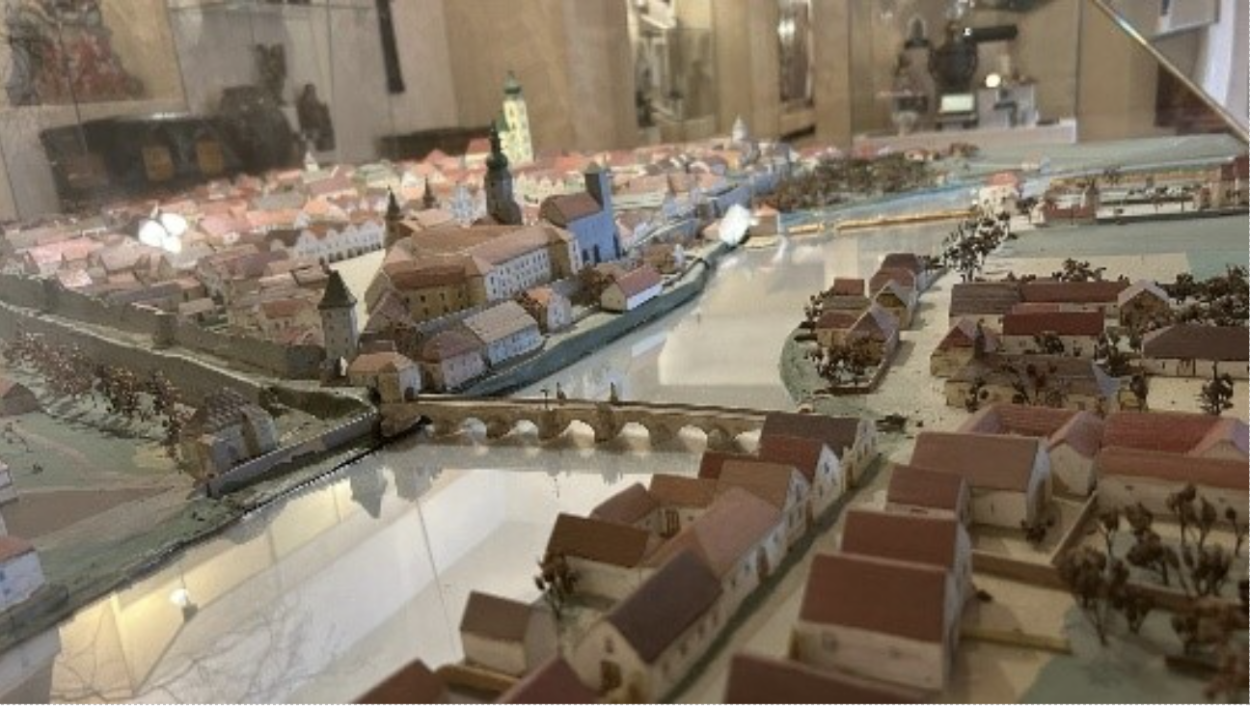
Good plans start with a clear picture of what is happening. Cities@Heart’s 10 partner cities agreed on a shared set of city centre indicators. In Sligo (IE), surveys of visitors and businesses after each event produced, for the first time, local data on footfall, time spent in the centre and spending. These figures now help the council and the local Business Improvement District make the case for investing in the town's main square. In Tartu (EE), mobility surveys and diagnostics developed through Beyond the Urban have helped the city understand how people actually move between villages and towns while Santa Maria da Feira (PT) gathered walking, cycling and public transport information in Mob.Feira, a single digital platform designed to make local services easier to find and to trust. Fundão (PT) built a low-cost digital twin as part of METACITY. This virtual model of the city has allowed city officials and urban planners to explore population density, energy use and walking access to public transport in a single view. Developed in a year, it is now being integrated into municipal workflows, and has also revealed the technical limits to solve before scaling up.
Participation that shapes plans
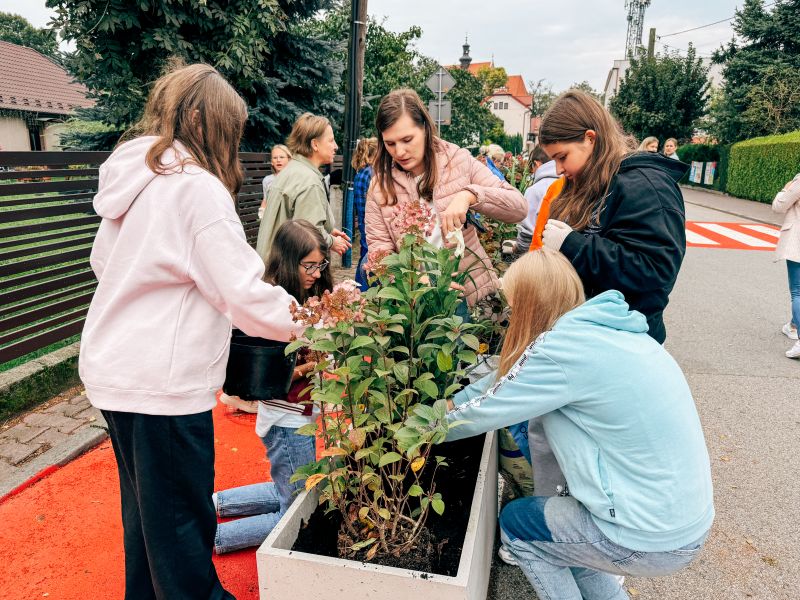
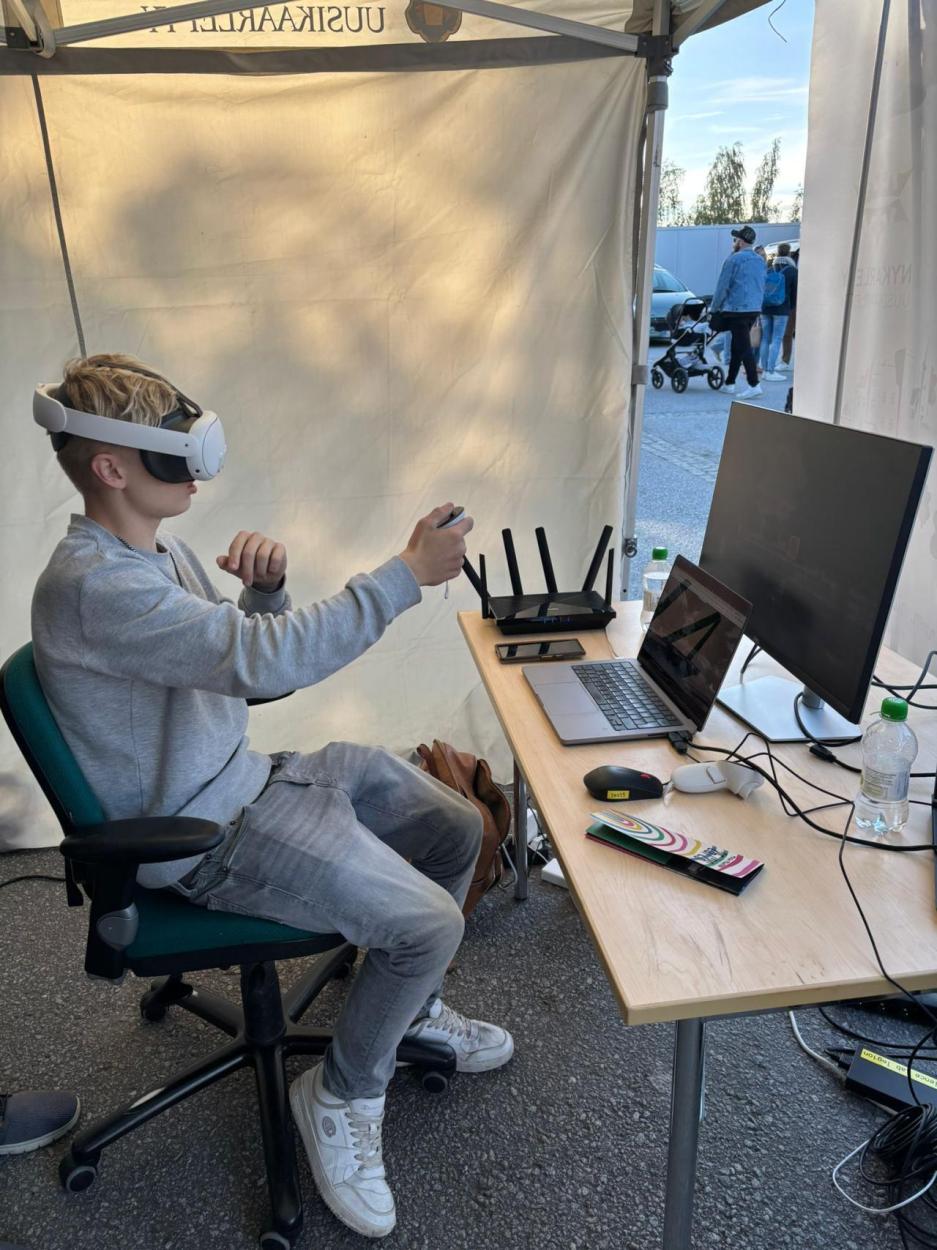
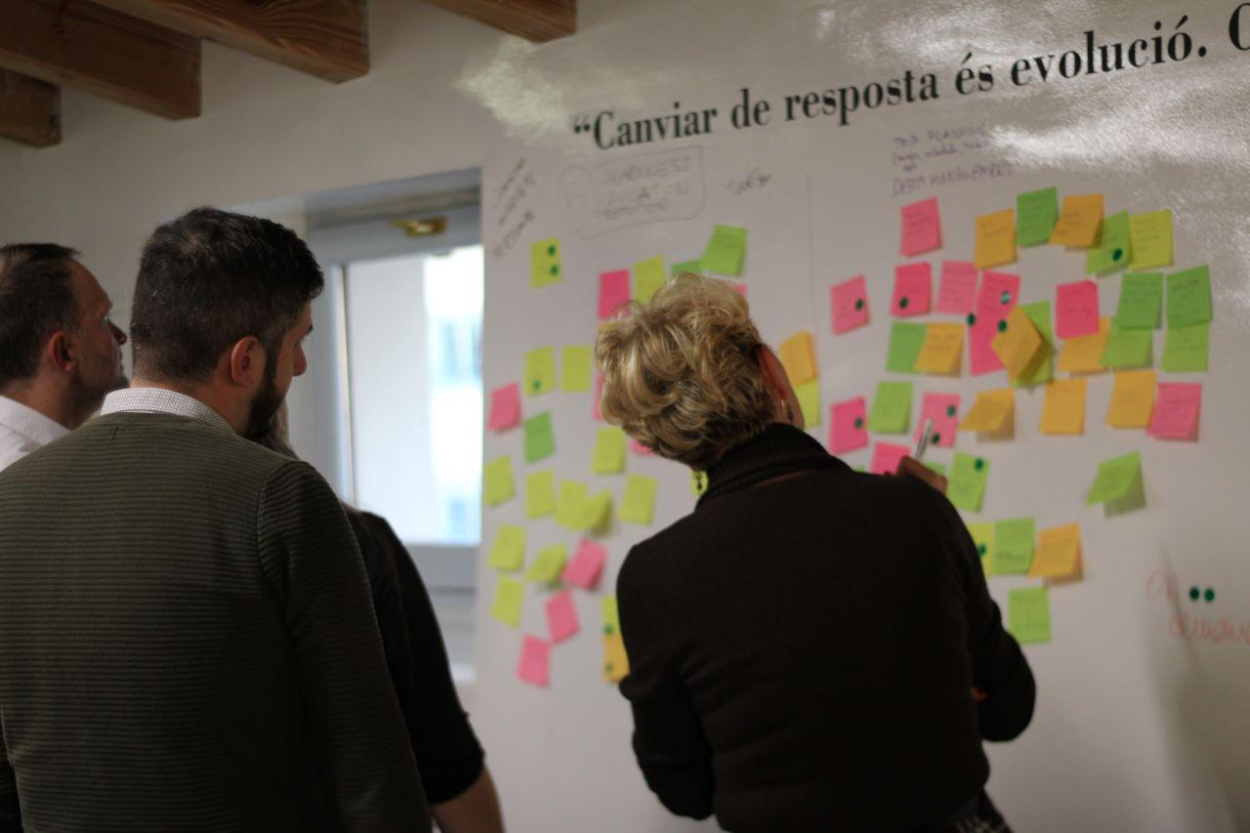
In all three networks, residents were not only consulted; they helped the design process. In Cesena (IT), staff and residents walked the streets together to map accessibility problems, then built prototypes of street furniture. In Szabolcs 05 (HU), young people co-created mobility pilots in their schools and towns. In Nykarleby (FI), residents put on virtual reality headsets to redesign their own town square, finding it far easier to understand than a plan on paper. The town gained new ideas for the square and for using digital tools in future planning, while some visitors' difficulties with the controls gave useful feedback for the next version.
Testing before investing
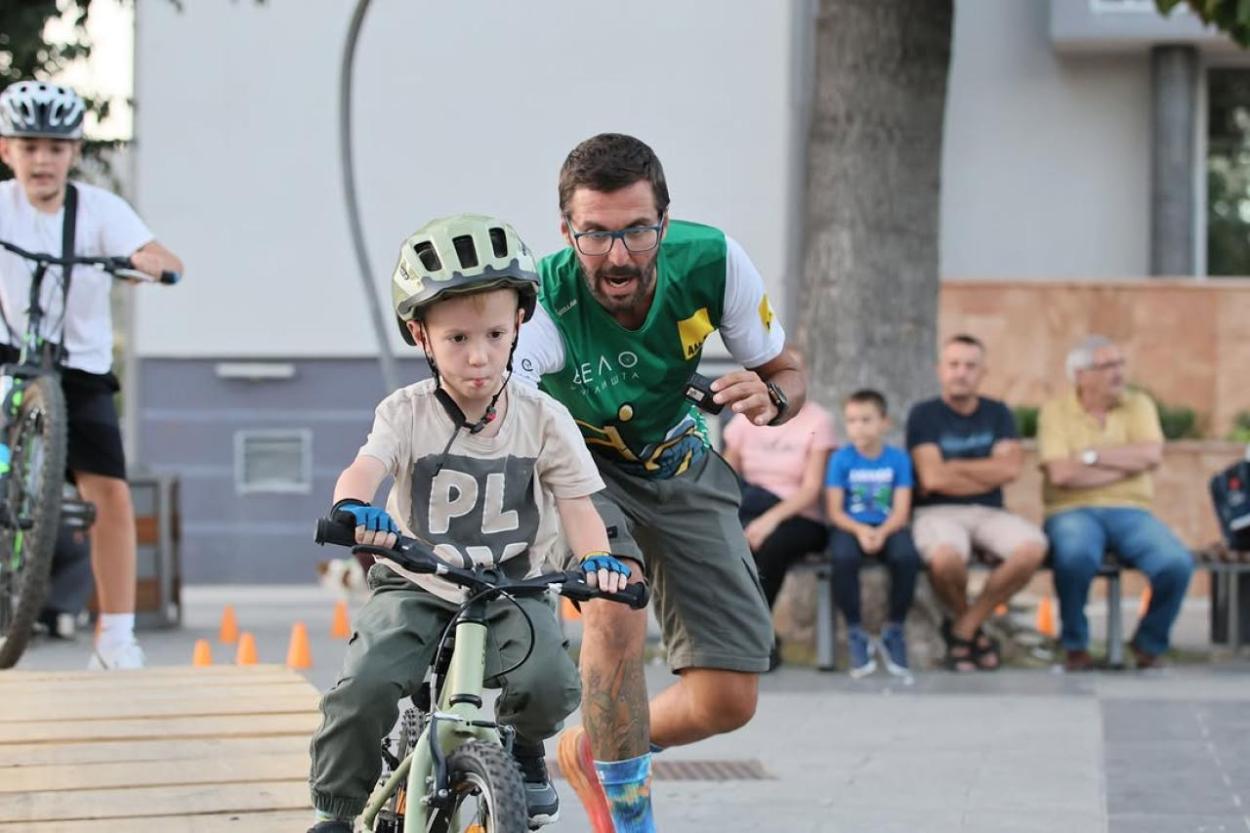
Each network used small-scale actions to try ideas before committing large budgets. In Niepołomice, in the Kraków Metropolis (PL), a traffic reorganisation around a primary school became the proof of concept for a much larger mobility project: a pedestrian and cycle footbridge linking the town centre with the Niepołomice Meadows, planned for 2025-2029 as a model for other towns in the metropolitan area. In Osona (ES), a one-month carpooling pilot with local employers got around twenty workers sharing their daily commute, with very high satisfaction. Most participants were women, many working night shifts, which revealed safety as a key and often overlooked reason to share a ride. In Bram (FR), volunteer-led bike convoys to school showed families that cycling was a real option, and the town now plans to build school mobility into its local plans. Treviso (IT) tested one-day car-free squares, gathering evidence for a permanent redesign of its historic centre. In Razlog (BG), a small virtual reality lab in a school produced the first virtual reality re-enactment of the town's Starchevata festival, with more than 80 performers in traditional costumes filmed and edited by the students. It worked so well that the town museum adopted the idea and the municipality has set aside budget to extend it to other schools.
Where integrated planning still struggles
Three lessons stand out from the three networks:
Combining resources makes the difference. Data without participation can miss what residents need; participation without data can miss the bigger picture. The cities that progressed most combined several of these elements.
Data only helps if it leads to decisions. Several partners found that collecting data was easier than turning it into a clear diagnosis. New digital tools also add little until they connect with the systems cities already use.
Building structures that last. Many actions still depend on securing funding and keeping local groups active. Partners that turned their URBACT Local Groups into permanent forums, or found new ways to keep cooperating, are best placed to deliver.
Learning from each other
Each network has also packed its experience into tools that any city can use:
The Cities@Heart City Centre Playbook and a Toolkit offer tested tools for reviving downtowns.
Beyond the Urban developed a Rural-urban connections toolkit and a network video on planning mobility between towns and countryside.
Make the most of the resources already at your disposal
Reviving centres, connecting territories and building digital futures may look like three separate agendas. Thanks. to the URBACT Action Planning journey, these 30 network partners have a shared playbook: good data, real participation, testing before investing and governance that brings people together. None of them would have travelled so far alone: URBACT gave them peers facing the same questions, experts to structure the process and a method to turn exchange into action. Which of these tools does your city already use, and which one is missing?
What can other cities use already? Visit the Cities@Heart, Beyond the Urban and METACITY network pages to discover their Integrated Action Plans and local actions.
Get inspired by more thematic articles from the 30 URBACT Action Planning Networks (2023-2025).