
Digitalisation continues to change many aspects of our lives. Technology advancements give us new possibilities whilst simplifying how we live and work. But these changes also bring new exclusion, especially for those who can’t keep up with the pace of digital change. How can cities in Europe make their local digital transition work for all citizens and help everyone benefit?
The digital-real world contrast is outdated in contemporary societies, as the digital world has simply become a different and complementary part of our realities. Both can be ‘real’ in their own way, and it’s important to acknowledge that these two ‘realities’ do not exist in isolation.
Keeping digital transition activities and solutions connected to people and communities is, therefore, a key angle for urban digital transitions. How they approach this – and what they focus on – varies greatly from place to place. We saw this in action in the different URBACT Action Planning Networks, which ended in December 2025. This article looks at four networks in particular: Digi-inclusion, METACITY, TechDiversity and NextGen YouthWork.
Find out how the partner cities looked at the intersection of digital transition and inclusion, addressing emerging challenges and proposing new ways of approaching the digital ecosystem to ensure everyone can benefit.
A digital social problem
The Digi-inclusion network focused on the challenge of digital exclusion as a whole at local level, treating it specifically as a form of social exclusion – a challenge which cuts across disciplines, and should not be just an issue about technology and access. The available data indicates that 40% of EU citizens still lack basic digital skills, and that even more are ‘digitally vulnerable’ – at risk of being left behind by the pace of change and becoming digitally excluded in the coming years.
A key theme across the nine partner cities was that isolated interventions have a limited ability to tackle the root causes of digital exclusion. A core learning was about how to first understand the landscape properly, then develop the whole support ecosystem to create holistic, integrated, cross-sector approaches at city level.
Gdańsk (PL), for example, took a brand-new approach to this, first uncovering and then uniting their stakeholder ecosystem to take a holistic approach to digital inclusion, connecting them with citizens to take a participatory design approach. This included helping seniors and other communities at risk of digital exclusion. Whilst in Bologna (IT) Lepida scpa, the regional public digital agency, built on their existing connections to create a ‘local manifesto’ that secured meaningful and long-term commitment from partners around a shared vision and purpose.
The Digi-inclusion network partners also jointly signed a political declaration on tackling digital inclusion. This created a shared sense of purpose across the network, and provided individual partners with a springboard to kick-off new local action on digital inclusion.
One of the core outputs to support other cities is the ‘Digi-inclusion Playbook’ – a unique resource for cities across Europe and beyond, covering how to identify and tackle digital exclusion at local level.

Digi-inclusion included the partners of Mollet del Vallès (ES) (lead partner), Jelgava Local Municipality (LV), City of Alexandroupolis (EL), Municipality of Torres Vedras (PT), Gdańsk Entrepreneurship Foundation (PL), City of Iași (RO), Boulogne-sur-mer Développement Côte d’Opale (FR), Lepida ScpA, Bologna (IT), and Zenica-Doboj Canton (BiH).
Virtually real
Whilst Digi-inclusion was looking at helping those left behind by digitalisation, METACITY considered how cities can harness the latest technologies including AI, Virtual and Augmented Reality (VR and AR), and how these can combine in the ‘Metaverse’ more generally. The 10 partner cities looked at ways in which this more emergent and immersive tech could benefit citizens and cities, including using it to create new ways to make local governance more accessible.
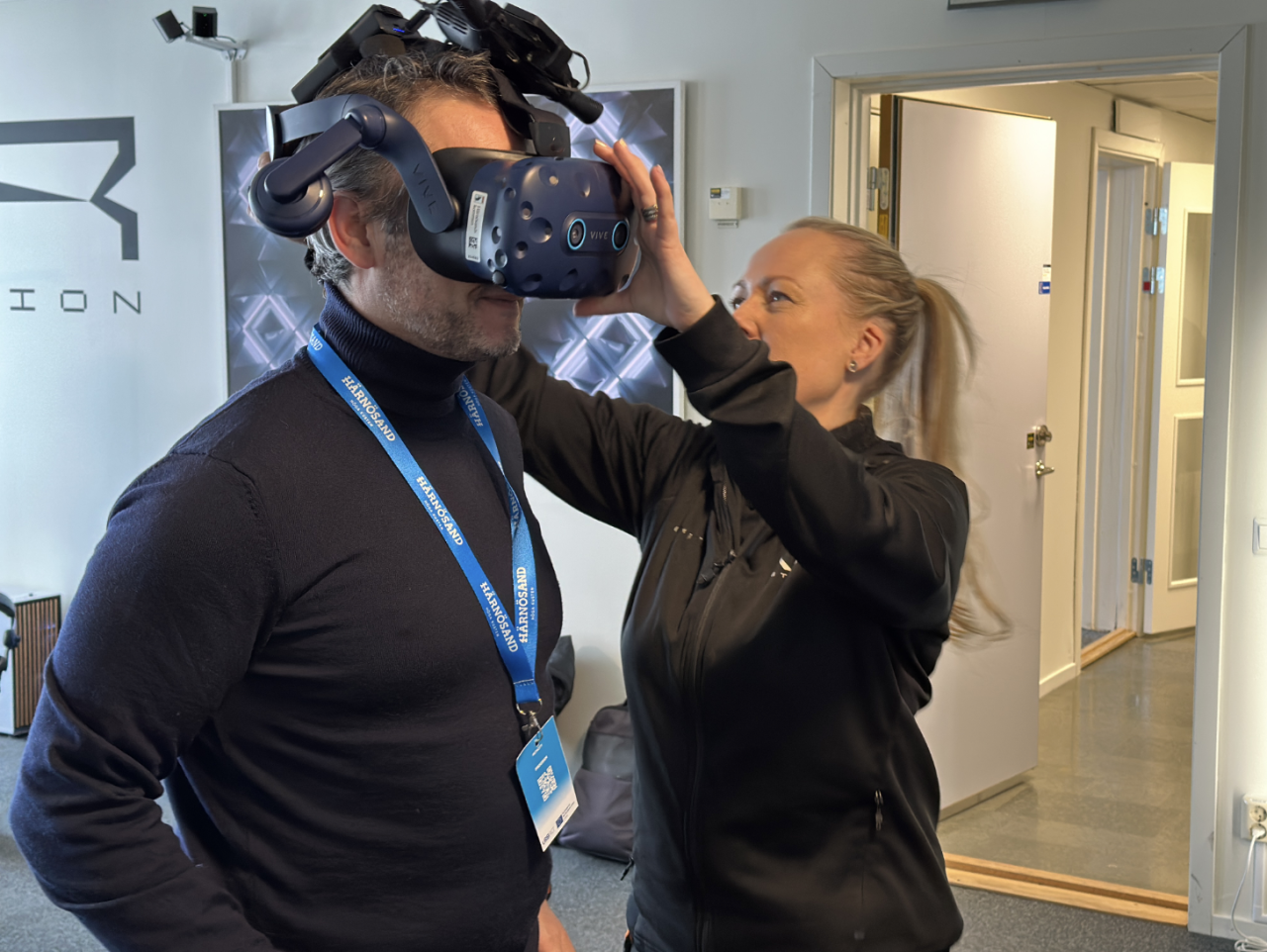
Some of the network activities involved using tech to bring residents more into the governance process. In the case of Härnösand (SE), the city used AI and VR to create different ways for citizens to interact with local governance processes through Härnösand Grows, a physical place where residents can take part in ongoing and future urban development using VR.
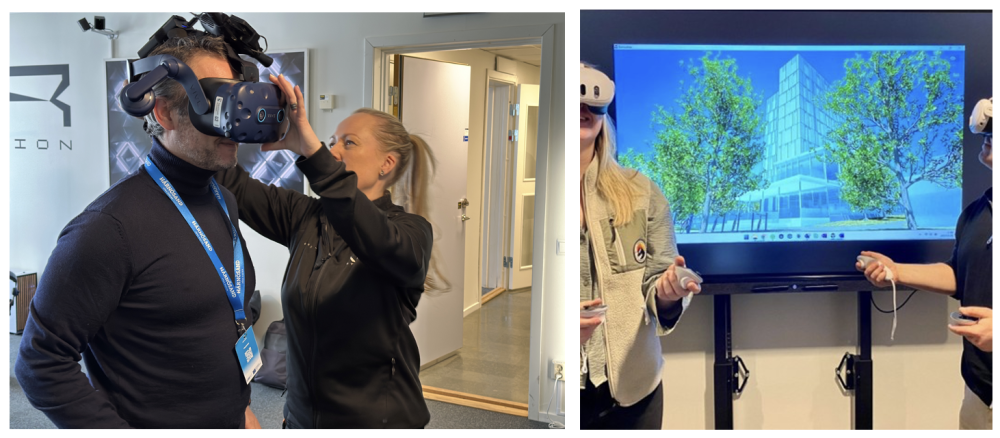
METACITY included the partners Fundão (PT) (lead partner), Campobasso (IT), Industrial Systems Institute, Athena Research Center (EL), Písek (CZ), Nevers (FR), Razlog (BG), Åbo Akademi University (FI), Újbuda (HU), Härnösand (SE), and Mostar (BiH).
A sector of two (unequal) halves…
As well as harnessing technology directly for local benefit, cities also have a role to play in enabling and supporting the local tech sector and the wider digital ecosystem. In this vein, TechDiversity worked to address the vast inequalities that still exist with the digital technology sector. This includes severe gender inequalities across the sector, with women in only 19.5% of ICT roles across the EU in 2025. This is a stark inequality to address, in a sector which is radically shaping our collective futures.
The network’s nine partner cities concentrated on these challenges, including Arezzo (IT), who established matchmaking events for NEETs (Not in Education, Employment, or Training) and other groups. This matchmaking involved company presentations, speed-networking sessions and social moments to further develop connections. Through their ‘Go Tech Scholarships & Diversity Framework’, Amarante (PT) offered a package that combines scholarships for women and under-represented groups entering tech training, with a Diversity & Inclusion (D&I) toolkit and a voluntary local D&I seal for employers.
At the end of the network, the partners compiled findings and lessons learnt in the 'TechDiversity Playbook' on tackling inequalities and promoting diversity in the tech sector.
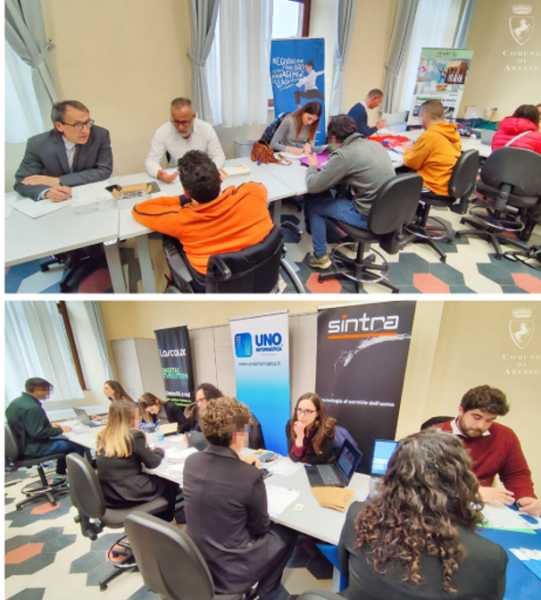
TechDiversity included the partners Trikala (EL) (lead partner), Amarante, Municipality, (PT), Commune di Arezzo (IT), Bielsko-Biała Regional Development Agency (PL), Bucharest District 6, Sector 6 Municipality (RO), Idrija (SL), Larnaka (CY), National and Kapodistrian University of Athens (EL).
A young challenge
Amongst all these cross-cutting aspects of digital, there are of course specific impacts on different fields of work. Focussed on the impact of technology on the way young people now live and how they are supported, the 10 partner cities in NextGenYouthWork looked at how this macro-shift in the digital world has been driving a structural change in youth work, adapting to the fact that young people spend a high proportion of time in the digital world, so traditional in person youth work on its own is no longer sufficient.
In a post-COVID-19 pandemic world, with increasing reliance on social media and digital apps for social interaction and communication, there was also a clear emphasis on the need to create different ‘hybrid’ spaces for young people, including ‘one-stop shop’ models that seamlessly integrate physical youth centres with digital environments. This was paired with ‘digitally savvy’ approaches for youth work professionals, to address the digital skills gap among youth workers, moving them from reactive to proactive digital outreach.
Digital addiction was another key concept explored by cities in this network, which Aarhus (DK) piloted ‘digital detox zones’ for young people to help reduce stress from screen time, as well as actively engaging people via the digital world as a way to connect them to the physical communities. The latter was the case in Veszprém (HU), which developed its ‘ForYou Youth Centre’ to enable a gateway to offline services via safe digital channels.
The network released a collection of lessons learnt to help other cities engage young people in the digital transition.
NextGen YouthWork included the partners Aarhus (DK) (lead partner), Cartagena (ES), Eindhoven (NL), Iași (RO), Klaipeda (LT), Oulu (FI), Perugia (IT), Tetovo (MKD), Veszprém (HU), Viladecans (ES).
Lessons for other cities
Across the four city networks, some cross-cutting themes and lessons emerged:
1. Training is an important, but not the only, solution to digital exclusion. Developing digital skills and capacity can support people and organisations in different ways: whether for citizens to be able to understand and use the digital world to gain value; or for employees, such as municipal staff delivering services in new ways, youth workers adapting to more digital ways of working, or local businesses keeping up with digital processes and using digital tools in their day-to-day activities.
2. The digital and physical world do not exist in isolation. Cities need to think about budgets and infrastructure that connect physical and digital spaces: e.g., in the case of youth work, accessible youth centres acting as one-stop shops and equally coherent digital environments offering services regardless of location; or in the case of city planning, virtual spaces to help people create better physical public spaces.
3. The digital landscape is also constantly changing. Digital development doesn’t stand still and keeping up with the pace of digital change can be a challenge. Tackling this requires deliberate focus from all departments and services. Digital transition is not an issue for the ICT department alone – it’s a public service and citizen engagement issue. ICT has a role to play, but discussion in the networks and partner cities highlighted that inclusive digital transition is a cross-cutting issue, and that all aspects of city government need to engage in it and play a role.
Surfing the wave of digitalisation
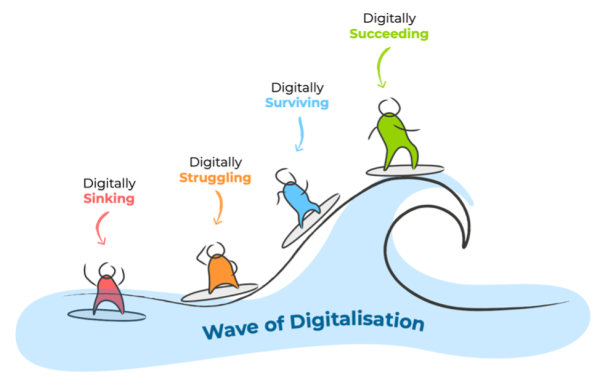
Whether avoiding people being left behind, or harnessing the latest tech, we see from these four URBACT networks that cities and citizens alike are already trying to make the best of the digital world and learn to surf the wave of digitalisation that we see sweeping through our lives.
Whilst this is not always simple, we see valuable learning and insights available from these URBACT cities, who are proving that it can be done. We need to remain focussed, as the pace of technological change does not seem to be slowing down. The next ‘wave’ is already on the horizon. Is your city ready to surf it?
What can other cities do to get ready for the next wave?
• Check out Digi-inclusion’s digital exclusion playbook
• Explore the TechDiversity Playbook on promoting diversity and inclusion in the tech sector.
• Read a collection of lessons learnt and city spotlights from NextGen YouthWork
For more network resources, visit the Digi-inclusion, TechDiversity, NextGen YouthWork and METACITY pages to discover their Integrated Action Plans and local actions.
Get inspired by more thematic articles from the 30 URBACT Action Planning Networks (2023-2025).