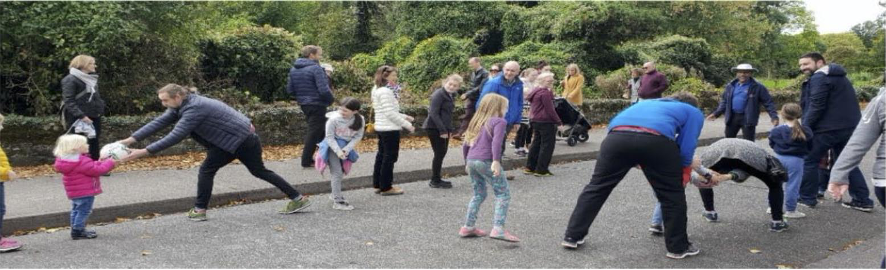
For Cork (IE), car-free Sundays started as an URBACT Testing Action, a small-scale experiment used to explore an idea before committing to a permanent solution. Opening the city´s Marina for play allowed residents, community groups and city officials to experience a familiar riverside road differently. The confidence and shared evidence built through the experiment helped pave the way for its permanent pedestrianisation.
This is exactly the kind of journey that will be unpacked at the 2026 URBACT University. From 25 to 27 August, hundreds of city practitioners and local stakeholders from the 25 URBACT Transfer Networks, currently running until 2028, will gather in Cork to work on one of the hardest parts of urban change: meaningful local engagement.
Let’s look back at Cork’s URBACT transfer story, then forward to study visits and other highlights on the 2026 URBACT University agenda.
The URBACT University puts transfer into practice
Since its first edition in 2011, the URBACT University has become the programme’s flagship capacity-building event, bringing partners from different networks of European cities together to learn by doing. The 2026 edition arrives at a decisive point for the current Transfer Networks. Their city partners have completed the first stage of the transfer journey. As cities move towards local adaptation of the transferred practices, they need to understand to involve in the process, and how to build strong relationships and shared ownership that make transfer possible. At the University, peer exchange, storytelling exercises, practical mapping tools and work on Testing Actions will help participants identify overlooked voices, build local commitment and develop engagement strategies suited to their own cities.
How an Italian idea became Cork's own
What makes Cork such a fitting host of the URBACT University? The city already travelled the full URBACT route from adapting and transferring an URBACT Good Practice, and then on to sharing its own version of the practice with other European cities. When Cork joined the Playful Paradigm Transfer Network in 2018, the city learned from Udine (IT), whose use of play to support inclusion, participation and placemaking had received the URBACT Good Practice label in 2017. Cork then had to work out how the practice could function within its own institutions, budgets and public spaces. City services, libraries, community organisations and residents shaped the experiment together, giving the transferred practice a local adaptation and a distinctly Cork identity.
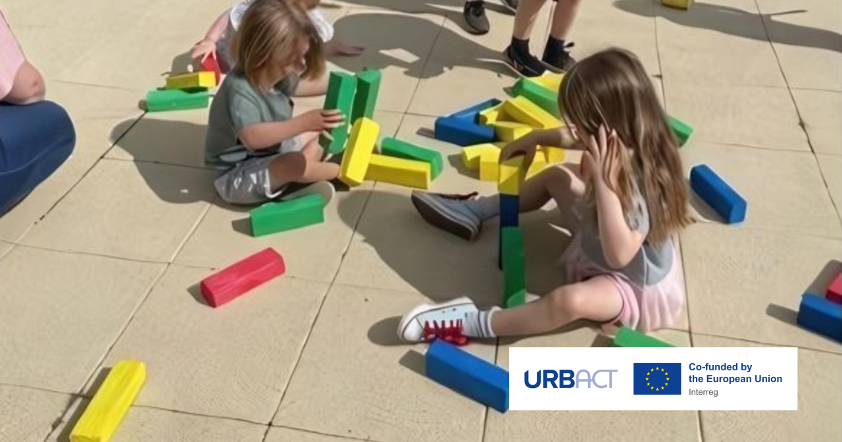
Cork’s Playful Paradigm legacy spans public space and everyday community life. The Marina experiment formed part of a wider Play Streets approach, temporarily closing roads to traffic so residents of all ages could use them for play and community life. Community Play Bags also made outdoor, cooperative play equipment available through Cork’s ten city libraries. Community groups also needed public liability insurance to use the bags at events. Cork Sports Partnership therefore trained and certified Play Leaders, volunteers equipped to organise and lead community activities. Once trained, Play Leaders could coordinate activities using the bags through Cork Sports Partnership’s existing volunteer programme and insurance cover. The URBACT Local Group later evolved into Let's Play Cork, play entered the Cork City Development Plan, and Cork helped five Irish towns adapt the approach through the URBACT National Practice Transfer Initiative.
That experience also fed back into Cork's work, which continued to develop as PlaysMaking and received the URBACT Good Practice label in 2024. In this way, Cork moved from learning from Udine to helping other places adapt an approach that now carried a distinctly Cork identity.
Cork through the URBACT University study visits
At the 2026 URBACT University, the streets of Cork will become part of the learning process for other URBACT cities. The following study visits are just a few of the activities that will bring different aspects of local engagement into focus.
The City of Play route follows libraries and play streets that helped turn the Playful Paradigm into everyday local practice. It shows how trusted local institutions can bring a transferred practice into everyday life, while practical support gives communities the confidence to carry it forward.
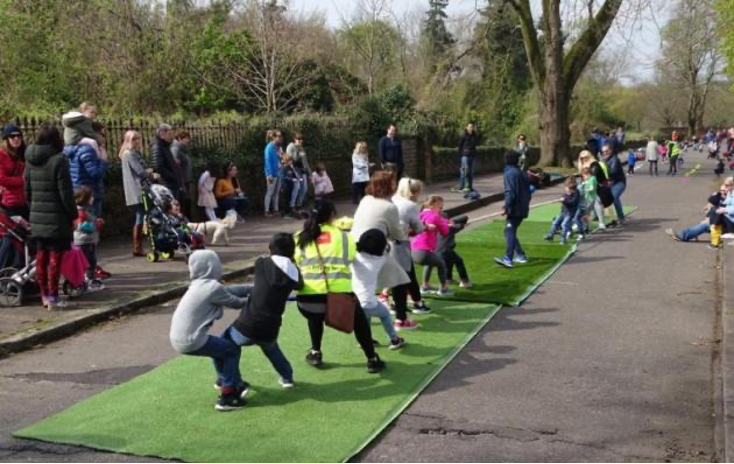
Along the Marina, participants will see the outcome of an URBACT Testing Action that opened a traffic-dominated riverside road for play on four Sundays. Residents, community groups and officials could experience an accessible, pedestrian and nature-focused alternative before it became permanent, showing how temporary use can build shared evidence and confidence for a lasting decision.
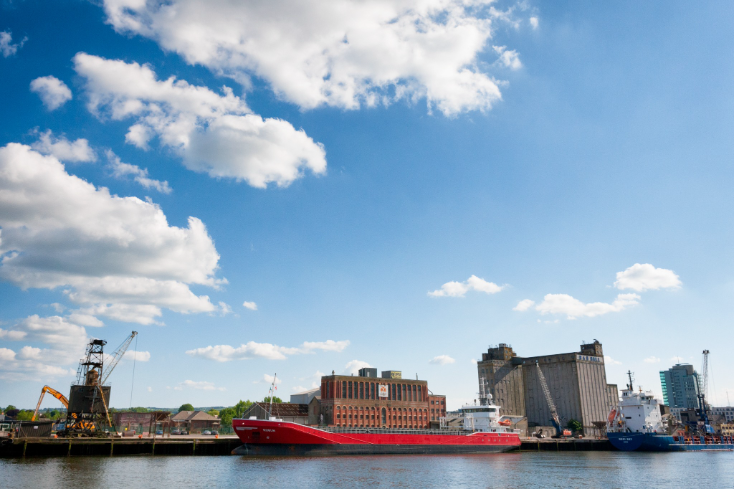
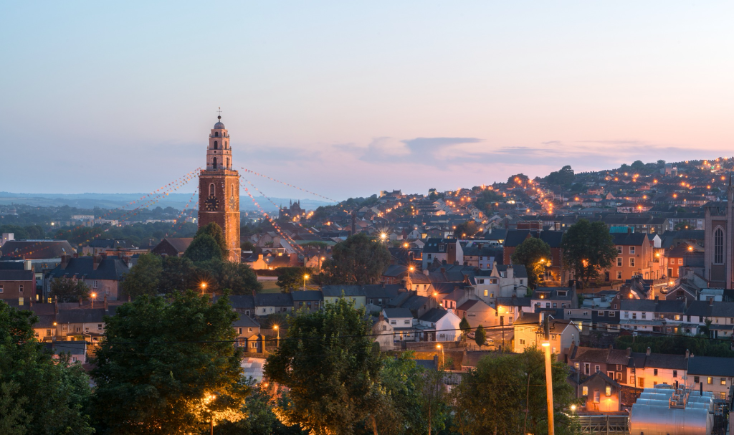
In Shandon, the participatory process behind an integrated urban strategy connects heritage and culture with residents' needs, local economic life and climate resilience, demonstrating how participation gives the people affected by competing priorities a role in deciding how these are balanced.
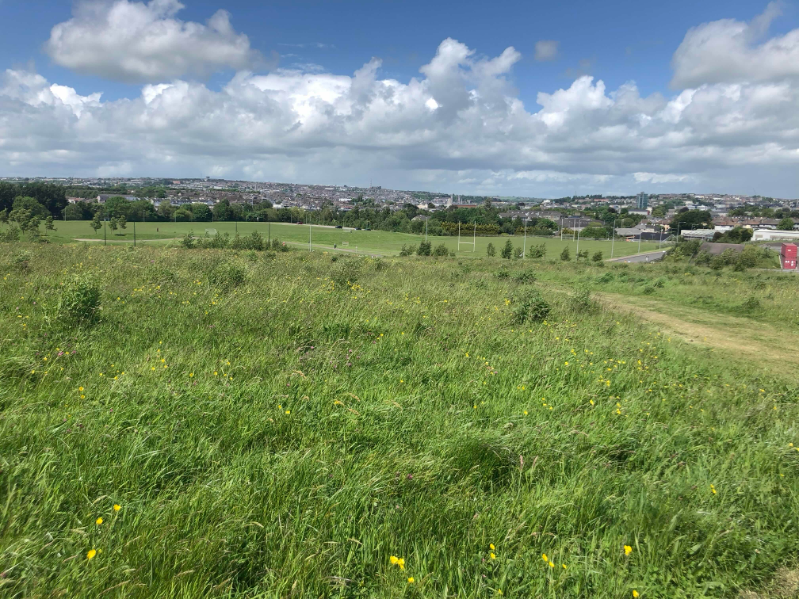
In Tramore Valley Park, a former landfill has become a place for recreation, habitat creation, circular energy and research on microplastics. Bringing several environmental challenges together in one public landscape can give actors who normally approach waste, biodiversity, energy and public space separately a shared place to work.
In the University's hubs and Network@Work sessions, each Transfer Network will connect these observations to its own live challenge. Using the Testing Action Canvas and other tools developed for the URBACT University, participants will consider several stakeholder perspectives, identify who may still be missing, and examine the motivations and barriers that could shape joint action. The aim is for each network to leave Cork with methods and greater capacity to reflect on engagement and design a context-appropriate Testing Action with their local stakeholders, using Cork as inspiration rather than as a template.
The learning will spread beyond Cork
Class is almost in session, stay tuned for updates. While participation is reserved for URBACT partners, updates and resources from the 2026 URBACT University will be made available on the URBACT Toolbox, along with the event webpage and URBACT social media channels. The tools and materials used in Cork will give other city practitioners practical ways to work on stakeholder engagement, testing and transfer.
What else does Ireland have in store for urban sustainable policy change? Read up on what Ireland's Presidency of the Council of the EU could mean for cities.