Networks and cities' news

Catch up on the latest updates from cities working together in URBACT Networks. The articles and news that are showcased below are published directly by URBACT’s beneficiaries and do not necessarily reflect the programme’s position.

Want to learn more about the projects that are featured here? Discover the URBACT Networks.


  • From a comprehensive blue and green infrastructure strategy to action plans supporting urban biodiversity specifically

    BiodiverCity case study inspired by Limerick (Ireland)

    Limerick, the Green Leaf City 

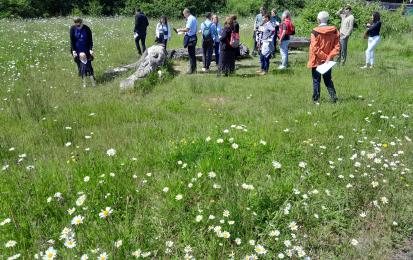
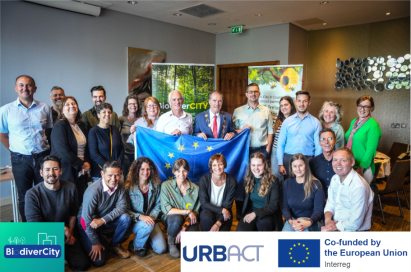
    Preparing for the 2020 Green Leaf Award (the city’s commitment to better environmental outcomes was awarded by the competition aimed at cities and towns across Europe, with populations between 20,000 and 100,000 inhabitants) inspired Limerick City and County Council (LCCC) to make a Green and Blue Infrastructure Strategy (GBI, 2023). It includes a range of actions to work with communities to contribute towards opportunities to conserve and enhance biodiversity and inform policy. This comprehensive GBI strategy was analysed in detail by the BiodiverCity partnership in June 2024, and they have found that a comprehensive strategy on green and blue infrastructure is key, simply because it sets the scene for several new policies targeting green infrastructure (e.g. on trees) and biodiversity. Let’s see how Limerick works in this field!  


      Photo by Ferenc Szigeti


    Ferenc Szigeti-Böröcz

    See more
  • First intergenerational BiodiverCity festival

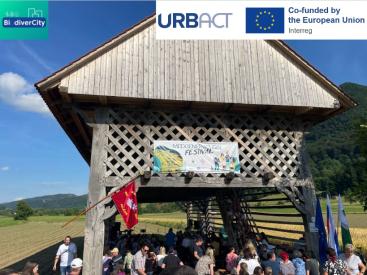
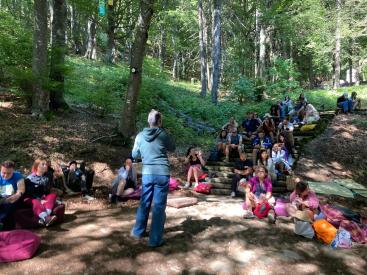
    The first intergenerational BiodiverCity festival in Poljcane was organised on 6 th June 2024 together with the local elderly association, kindergarten and primary school. The location of the festival was carefully selected; thus, it was carried out under the hayrack near the Dravinja River.

    András Merza

    See more
  • Mapping mobility: GIS for designing smarter mobility plans

    Katalin Bunyevácz

    See more
  • The vision of the city of Kuopio – to become a capital of good life where one health approach is adapted in all policies and among all citizens

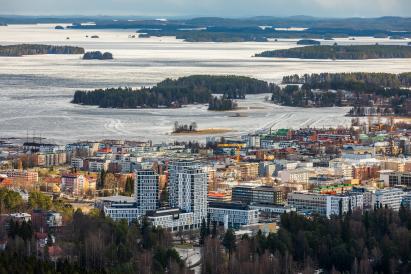
    Kuopio is the 8th largest city in Finland, and in Eastern Finland, it is a central city with the population of 124 000. According to the international survey, Finland has been rated as the happiest country of the world. According to the national Finnish survey, the citizens of Kuopio rate themselves as happy more often than in other cities. More needs to be explored for the determinants of happiness in Kuopio, but there is no doubt the closeness of nature - lakes, forests and parks - and an easy access to nature is one of the answers to our happiness rates, as several surveys have indicated.  Of Kuopio’s area (4 326 km2) half is covered by forest and one forth consists of lakes. The Puijo forest, a large Natura 2000 protected recreational area is located right next to the city centre and the city is surrounded by the lake Kallavesi. It is no wonder several nature based wellbeing promotion services has been developed and implemented in Kuopio with good results. Kuopio is proud to be a forerunner in implementing nature-based solutions. Nevertheless, there is more to be done to enhance human, nature and animal health in Kuopio.  

    David Huberdeau

    See more
  • ARCHETHICS_OPEN BUZLUDZJA Festival

    ARCHETHICS at Buzludzha Festival 2024: memories of the future in the heart of Bulgaria mountains

    SOFIA BURIOLI

    See more
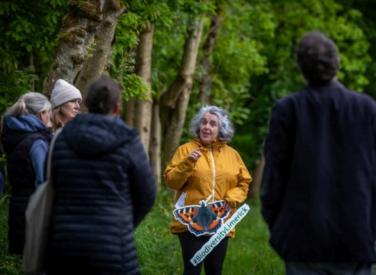
  • Meet Sinead Mc Donnell, one of Ireland's Local Authority Biodiversity Officers!

    Urban biodiversity as a category refers to the variety of living organisms as well as the multiplicity of habitats in and around dense human settlements. The conservation work to mitigate biodiversity loss is more or less the same in the city and outside of urban areas, however, some sub-themes such as awareness-raising, mitigating the heat-island effects and other urban disaster risks, green infrastructure and the fight against invasive species make the urban aspects important within biodiversity conservation. The most important thing is that cities offer unique opportunities for learning and education about a resilient and sustainable future and have a large potential to boost innovations and governance tools.


    Ferenc Szigeti-Böröcz

    See more