Networks and cities' news

Catch up on the latest updates from cities working together in URBACT Networks. The articles and news that are showcased below are published directly by URBACT’s beneficiaries and do not necessarily reflect the programme’s position.

Want to learn more about the projects that are featured here? Discover the URBACT Networks.


  • Planting a network: PARKS takes root across Europe

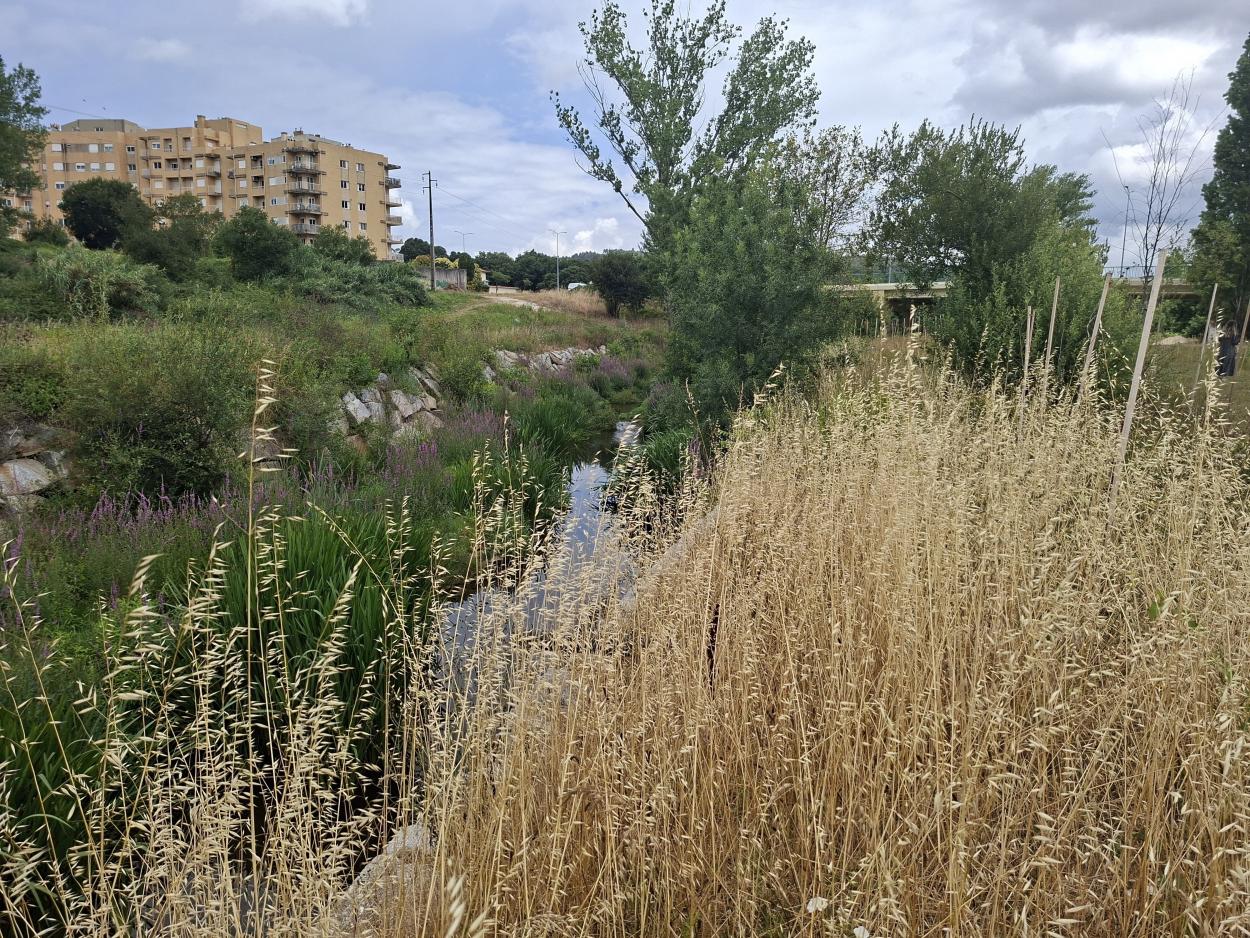
    Take a look outside your window. What do you see – the urban landscape, a green space with people chatting on a bench? How about the street – a dull asphalt desert or one shaded by lush plane trees? What’s your favourite park nearby – the green square around the corner or the park down by the river?

    A model for the quality of urban green is the 3+30+300 principle. It is used to measure visual access to greenery (3 mature trees from every home, school or workplace), the availability of urban trees (30 % tree cover in the neighbourhood) and physical access to green space (within 300 m). Are you lucky to live in such an environment? 

    Cities around Europe struggle to come close to these numbers and to counter the adverse effects of a heating climate and extreme weather events. Urban trees, parks and other green infrastructure can help to mitigate the heat waves like the ones under which Europe ached in summer 2026, and they also bring ecological, social and aesthetic value to cities.

    Marco Buemi

    See more
  • Perugia sets an example in green space management: delegations from six European countries


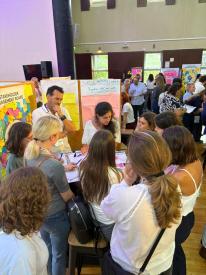
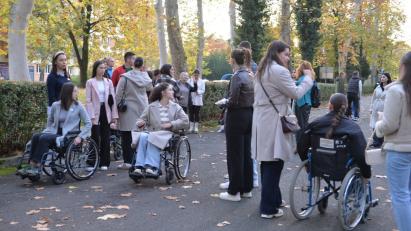
    On 10 February 2026, Perugia shared its experience in participatory green-space management with partners from across Europe as part of the URBACT PARKS (Participatory Actions for Resilient and Knowledgeable Stewardship) project.

    The PARKS network brings together cities from the network to exchange knowledge and transfer successful approaches to the management of urban green spaces. During the visit, European partners explored two examples of Perugia’s participatory approach: Chico Mendes Park, where the Natura Urbana association manages the Ecomodule and organises activities for citizens, and the San Matteo degli Armeni complex, home to an urban garden managed by the Vivi il borgo citizens’ association for more than ten years.


    Marco Buemi

    See more
  • TactiCity in Cork: 3 Days at the URBACT University

    EUAffairsOffice

    See more
  • CivicHeritage Implementation Pathways

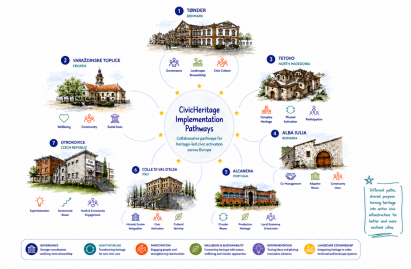
    How eight European cities are bringing heritage back into civic life: The CivicHeritage Journey

    The first months of the URBACT CivicHeritage Network have unfolded through city visits, local encounters and countless kilometres across Europe. From Romania to North Macedonia, from the Czech Republic to Portugal, the network has already become much more than a transfer process. It has become a shared European journey exploring how heritage can reconnect cities, communities and civic life.

    Led by Onda (ES), the URBACT CivicHeritage Network brings together Alba Iulia (RO), Alcanena (PT), Colle di Val d’Elsa (IT), Otrokovice (CZ), Tønder (DK), Tetovo (MK) and Varaždinske Toplice (HR) around one central challenge: how can underused heritage become active civic infrastructure once again?

    Travelling between partner cities meant discovering not only buildings and governance models, but also the people, hospitality and stories behind them. Every city offered a different view of how heritage can shape everyday life and local identity.

    As someone born in the Balkans, professionally shaped in Central Europe and now based in Western Europe, these visits felt deeply personal. They revealed how connected European urban realities are despite their different histories and political contexts.

    At the centre of the network stands La Campaneta in Onda, the CivicHeritage Good Practice that inspired the transfer journey. Once an abandoned ceramic factory, it gradually evolved into a shared space for participation, learning, culture and community encounters. Rather than treating heritage only as something to preserve, Onda demonstrates how it can become an active civic resource shaped by communities themselves.

    Yet, CivicHeritage was never intended as a model to simply replicate. The CivicHeritage Transferability Study combines seven pre-visit SWOT analyses with city visits, site observations, stakeholder dialogue and URBACT Local Group discussions. It examines not only the buildings, but also governance readiness, local partnerships, ownership, institutional coordination and the capacity to test new uses. Its central lesson is that transfer depends on local adaptation rather than direct copying.
     

    Claudia Muzzati

    See more
  • Adapting, Listening and Moving Forward Together: SPARK’s 3rd ULG Meeting in Kavala

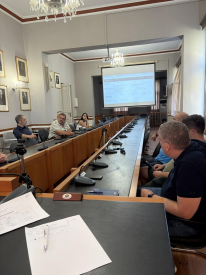
    The third meeting of the SPARK Local Group in Kavala highlighted the importance of flexible stakeholder engagement, collaborative learning and adapting project activities to local needs.


    Chrysoula Papadopoulou

    See more
  • Banja Luka City safari

    Before the pilot comes the story

    What the URBACT Pioneer Accelerator Cities of the Western Balkans taught us about storytelling.

    URBACT

    See more