Gender equality has been the law in Europe for more than 25 years, with the EU formally committing to gender mainstreaming in all its activities since the 1999 Treaty of Amsterdam. Yet, translating these commitments into everyday planning, service delivery, or public spending remains a persistent challenge.
Between 2023 and 2025, the URBACT Action Planning Networks FEMACT-Cities and GenProcure worked together to develop Integrated Action Plans for gender-equal cities. These plans provide approaches and guidance for embedding gender equality into governance structures, decision-making processes, and the allocation of public resources.
What can we learn from these two URBACT networks? Read on to explore different approaches, results, and lessons for cities striving to make gender equality more than just a principle, but a plan of action.
Bridging the gap between policy and practice
When it comes to gender equality, many European cities already have established strategies, action plans, and dedicated personnel. Yet, from the start, partners in both FEMACT-Cities and GenProcure noted that translating these commitments into consistent, everyday practice is particularly challenging. In many administrations, responsibilities for gender equality remain fragmented across departments or rely on the motivation of committed individuals, leading to systems that lack resilience and making coordinated action difficult. At the same time, limited availability of gender-disaggregated data (data which is differentiated by sex) can obscure inequalities, while a lack of practical tools and internal capacity often prevents staff from integrating gender perspectives into their daily work. As a result, gender equality is still frequently treated as a separate policy area, rather than a cross-cutting principle.
More importantly, many cities – and the services and systems that help them run – have not been designed with gender equality in mind. According to an OECD report on gender and travel behaviour, seemingly neutral transport policies can still disadvantage women, whose daily travel often involves stops outside the standard work commute (e.g. school drop-offs, shopping or care responsibilities). Addressing inequality effectively, therefore, requires more than targeted projects or standalone measures. A systemic approach to gender-inclusive mobility is required to integrate gender perspectives into the everyday workings of local government.
Changing how cities work: the FEMACT-Cities approach
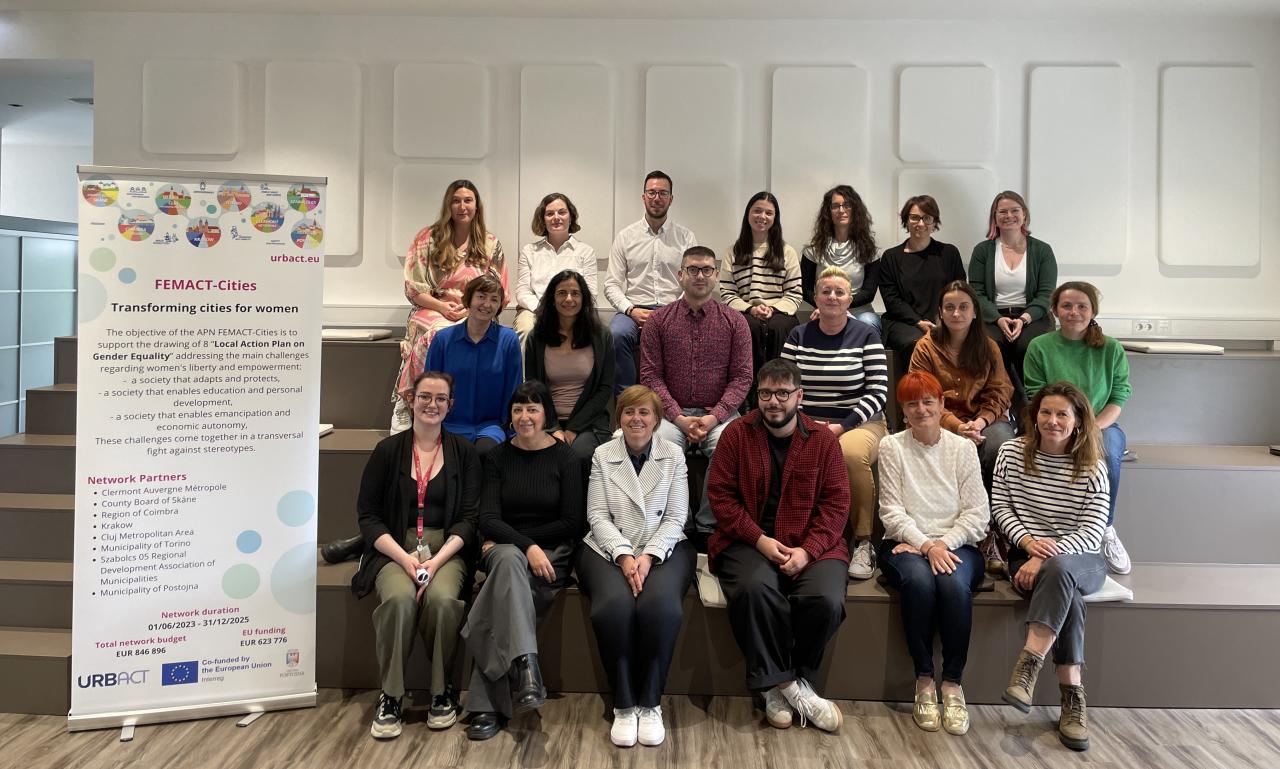
FEMACT-Cities focused on closing implementation gaps in gender equality across a range of thematic areas, from urban planning to local governance. Led by Clermont Auvergne (FR), the network included partners from Szabolcs (HU), Postojna (SI), Coimbra Region (PT), Torino (IT), Länsstyrelsen Skane (SE), Krakow (PL), and Cluj (RO).
Rather than treating it as a standalone policy area, the eight partner cities worked to integrate gender perspectives across a diverse range of sectors including mobility, public space, education, and participation. A central element of this approach involved using data and storytelling to make inequalities visible and tangible, thus shifting the narrative. Several cities used participatory methods and qualitative research to better understand how different groups experience the city.
In Kraków (PL), for example, research on the gendered use of urban space provided an evidence base for developing practical guidelines for municipal departments. Feminist night walks helped planners and decision-makers gain concrete insights into how safety, accessibility and visibility are experienced differently. The resulting report translated these insights into actionable directions for urban policy, structured around four key themes: the experience of the city at night, girls’ needs in and around school environments, the everyday realities of mothers with disabilities, and the impact of care work on how public space is used. Across these areas, the findings revealed how women often navigate the city through constant adaptation—adjusting routes, routines, and behaviour in response to safety concerns, infrastructure gaps and competing care responsibilities. By grounding policy development in lived experience, Kraków was able to move from abstract commitments to targeted measures that address how inequalities are produced in everyday urban systems.
In Turin (IT), the co-creation and adoption of a Gender Equality Plan (GEP) helped to bridge the gap between long-standing political commitment and everyday administrative practice. Building on decades of fragmented initiatives, the city brought together around 50 staff members from across departments in a structured Urban Local Group to jointly define priorities, actions, and responsibilities. This participatory process focused on four key areas—work-life balance, career progression, leadership, and gender-based violence—ensuring that the plan addressed both organisational structures and workplace culture. Turin complemented its technical work with an innovative communication approach: the GEP was translated into a short mystery novel, framing institutional change as a collective investigation into the ‘missing link’ in gender equality. By turning complex administrative processes into an accessible narrative, the city was able to engage a wider range of staff and make systemic challenges—such as fragmented responsibilities or hidden inequalities—more visible and relatable.
Another local action that emerged through the network was a research report on integrating gender perspectives into urban policies. This report was prepared by Krakow (PL), drawing on FEMACT-Cities’ work.
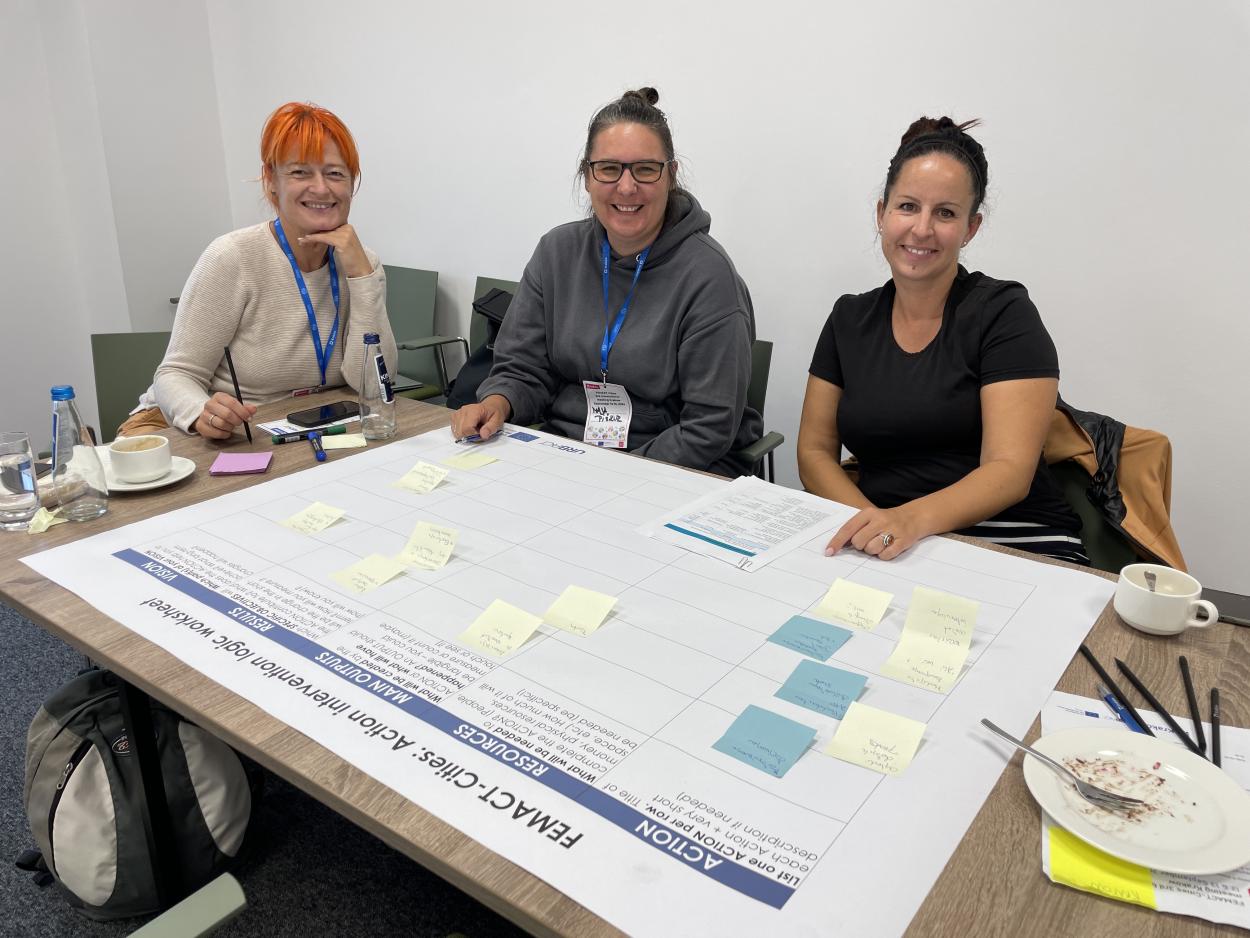
As a result of two years of collaboration, the final output of the network was a collection of recipes for success in gender equality implementation.
Changing how cities spend: the GenProcure approach
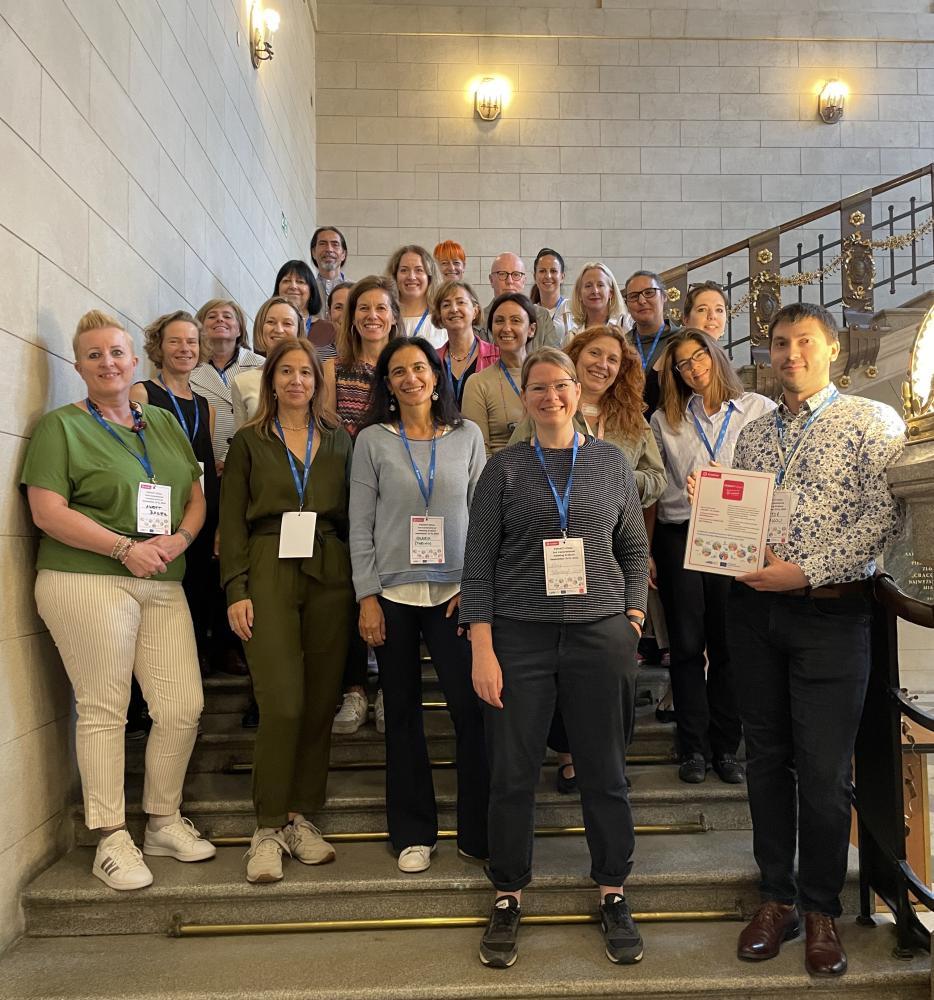
Vila Nova de Famalicão (PT), Lead Partner, teamed up with Zagreb (HR), Koszalin (PL), Messina (IT), Satu Mare (RO), Umeå (SE), Újfehértó (HU), Zenica-Doboj Canton (BiH), and Alcoi (ES) as part of the GenProcure Action Planning Network.
The nine partner cities worked to integrate gender considerations throughout the entire procurement cycle. A central element of this approach was analysing the cycle of procurement (from initial strategy to monitoring results) and exploring where gender and social inclusion can be inserted into the process. Through tools such as gender-disaggregated spend analysis, cities began to better understand where money flows and which groups are excluded. This evidence then informed the development of procurement strategies, the inclusion of gender criteria in tender documents, and new approaches to monitoring social outcomes.
Several cities have already begun to apply this approach in practice. In Satu Mare (RO), for example, a detailed spend analysis revealed that while the county spent EUR 37.5 million on public procurement in 2024, only 11% of this expenditure reached women-owned businesses. This finding provided a clear entry point for action. In response, the city is developing strategies to improve participation and introduce gender considerations into procurement procedures.
In Alcoi (ES), the focus has been on embedding gender equality into everyday administrative practice. The city is developing guidelines and manuals, introducing mandatory training for staff and systematically integrating gender equality clauses in tender documents. These measures aim to ensure that gender considerations are not applied on an ad hoc basis, but become a standard part of procurement procedures across all departments. Meanwhile, Umeå (SE), building on its long-standing experience in gender equality, is working to strengthen the link between public authorities and the market. Through dialogue with women’s networks and small and medium-sized enterprises, the city is identifying barriers to participation and exploring how procurement processes can be designed more inclusively. This includes developing practical tools and templates that support procurement officers in applying gender criteria consistently in their daily work.
Zagreb (HR) was able to add gender clauses to the procurement process for designing and landscaping a local park. This meant that gender was taken into consideration when selecting potential suppliers and, furthermore, gender outcomes were monitored once the landscaping work began.
The partner cities concluded their work through the network with a catalogue of gender considerations and clauses in procurement.
Four lessons
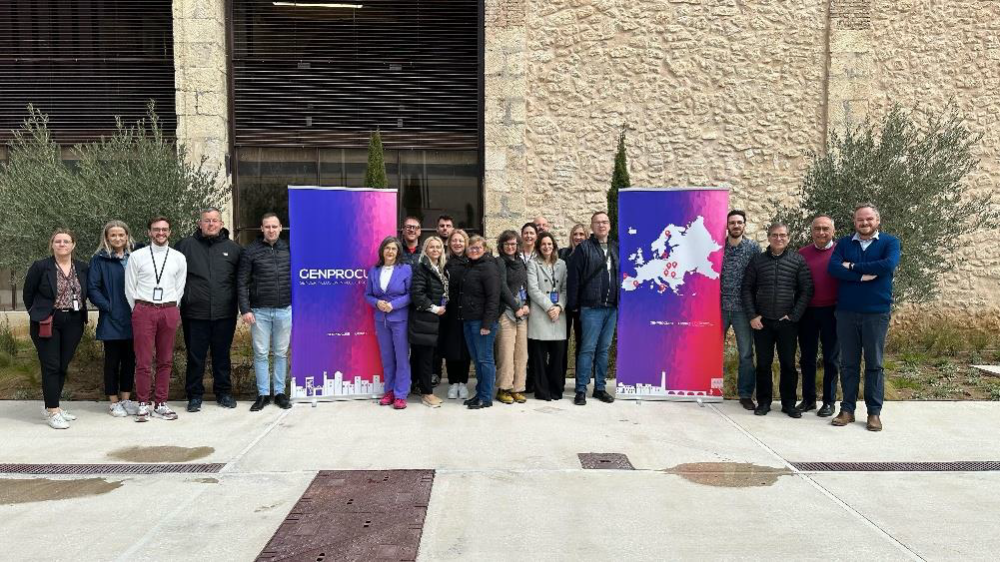
While each city worked within its own local context, a key strength of both networks was the opportunity for transnational learning. Through peer exchanges, meetings, and local testing, partners shared experiences, adapted approaches, and built on each other’s work. Beyond technical learning, partners consistently highlighted the importance of peer support. Being part of a European network created a sense of legitimacy, motivation, and shared purpose, helping cities to sustain momentum and advance their work locally.
Taken from both networks, the following lessons underline that advancing gender equality is not a one-off intervention, but a long-term process of institutional transformation:
1) Institutional change: Embedding gender equality into everyday systems requires sustained effort over time. Many cities found that progress depends not only on formal strategies, but on building internal capacity, maintaining political support and ensuring that responsibility does not rest with a small number of committed individuals. Without this, initiatives risk remaining fragile or difficult to scale.
2) Data and evidence: Although many partners made progress in developing qualitative insights and new forms of monitoring, the lack of consistent gender-disaggregated data continues to limit the ability of cities to identify inequalities and measure impact. Strengthening data systems remains a key area for further work.
3) Stakeholder engagement: Engaging stakeholders across sectors proved both essential and complex. While cooperation with civil society, businesses, and other institutions can significantly strengthen outcomes, it requires time, resources, and clear structures. Several cities noted difficulties in maintaining consistent engagement beyond initial project phases.
4) Integrated planning: The integration of gender equality into established systems such as procurement or urban planning is often constrained by existing legal, administrative, or cultural frameworks. This means that change is typically incremental, requiring adaptation to local contexts and continuous learning.
More results from URBACT cities
As European cities continue to face complex social, economic, and environmental challenges, integrating gender equality into mainstream policy and practice is not only a matter of fairness, but also of effectiveness. The approaches developed through URBACT provide a strong foundation for this work and offer valuable insights for other cities seeking to build more inclusive and resilient urban futures. At the same time, the lessons from both networks make clear that this is a long-term process, requiring sustained effort, collaboration, and adaptation to local contexts.
What can other cities use already? Visit the FEMACT-Cities and GenProcure Network pages for practical guidance, tools and inspiration for cities looking to embed gender equality into their own policies and practices.
Get inspired by more local actions from URBACT cities! Stay tuned for more thematic articles from the 30 URBACT Action Planning Networks (2023-2025) for climate action, youth, health and well-being, and much more.
Cities interested in taking this work further can now join the next generation of URBACT networks! The new Call for Action Networks is open until 17 June 2026.