Through consultations, participation hubs, or stakeholder meetings, decision-makers and city practitioners are calling for community perspectives, expertise, and innovation to help shape their cities. Nevertheless, generating integrated, collaborative solutions is not always straightforward.
This article recognises seven cities taking steps to move from siloed planning to more joined-up, inclusive approaches for tackling urban challenges. These cities represent seven of the 116 URBACT Good Practices awarded in 2024. Their achievements and results align with the URBACT Method, which is founded on integration, participation, and active learning.
Find out how these cities are reimagining collaborative local action through strategic multi-level governance and dynamic co-creation.
Shared vision: engaging multiple stakeholders in strategic planning
Strategic sustainable development planning can involve many hurdles, from blurred priorities and fragmented administrations to mistrusting residents. How can local governance be reimagined to promote multi-sector, multi-level collaboration?
#1 – Tallinn (EE)
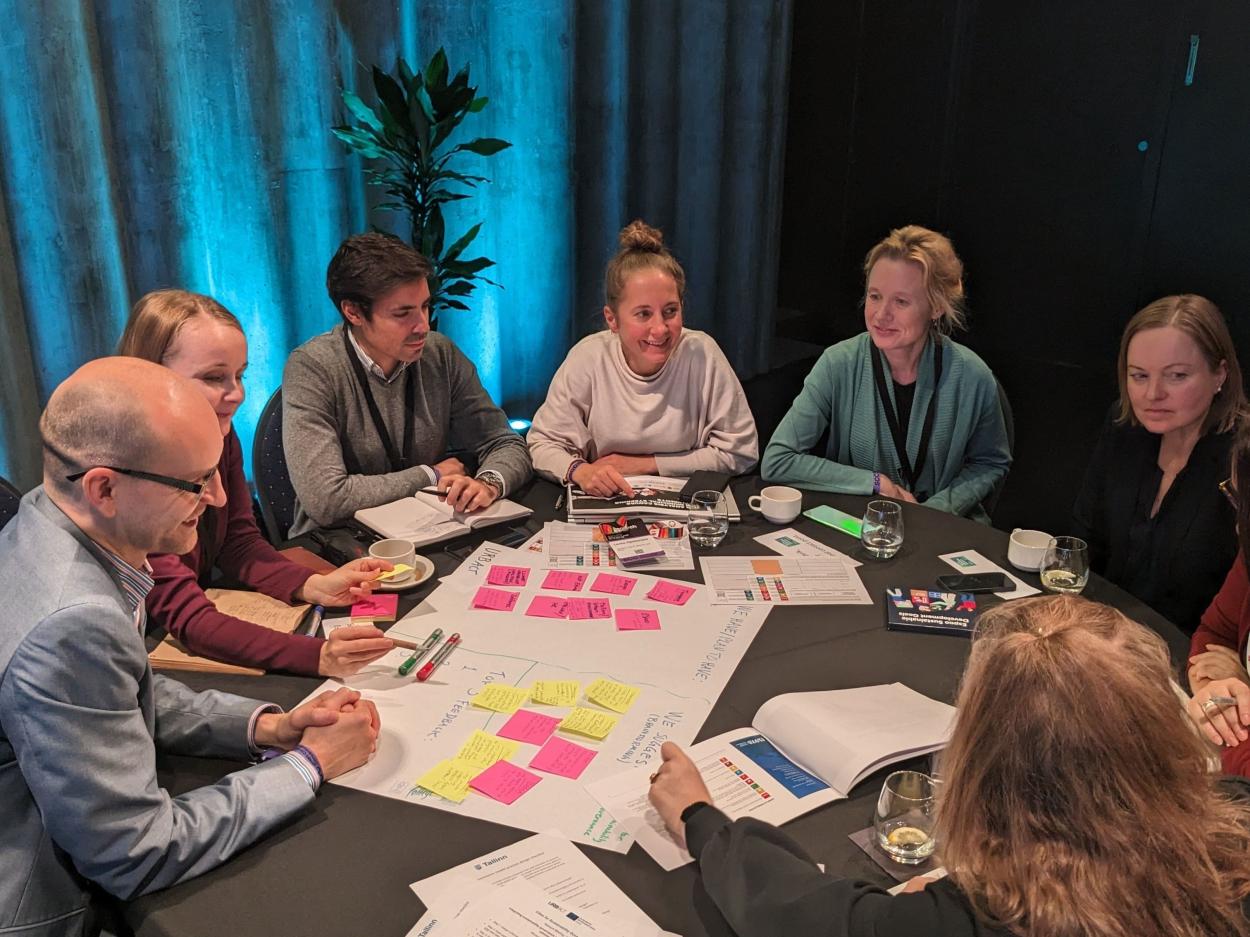
The Sustainability Governance Model aims to improve the delivery of sustainable urban development, building consensus and developing policies, partnerships, skills, and values. The model aligns with the Tallinn 2035 Strategy and aims to localise UN Sustainable Development Goals.
Tallinn’s sustainable governance model relies on three pillars: strategic planning; organisational development; and multi-level governance. Each of these pillars involves stakeholders across government, organisations, businesses, civil society, and residents.
Tallinn has worked with all municipal departments, including human resources and communication, to strengthen the model since its adoption, continuing to improve sustainability governance. Actions have included testing and implementing citizen engagement such as a participatory budget with EUR 1 million per round for resident-driven projects, a 60-strong Citizens Assembly, and a physical participation hub.
#2 – Leskovac (RS)
Leskovac adopted a multi-sector approach to build the city’s first Sustainable Urban Development strategy in 2022-2023.
The strategy was developed with technical support from an EU-funded local development programme, with the objective of boosting innovation, transparency, and public trust. Key steps include:
- developing a Strategy Council, Working Group, and Project Coordination Unit;
- holding a public forum and thematic roundtables with stakeholders;
- defining priority intervention areas, from smart specialisation zones and urban renewal to green infrastructure and urban mobility;
- setting a monitoring and evaluation framework.
From the start, citizens and diverse stakeholders from the private sector and academia were actively engaged in public discussions around urban challenges and potential solutions. This cross-sectoral approach has helped to break the traditional sector/department-based way of working.
The new collaborative approach is bringing visible transformations – from clearly linking planning with finance and implementation, to changing perceptions of multi-level, multi-sector participation in local governance.
|  |
#3 – Rimini (IT)
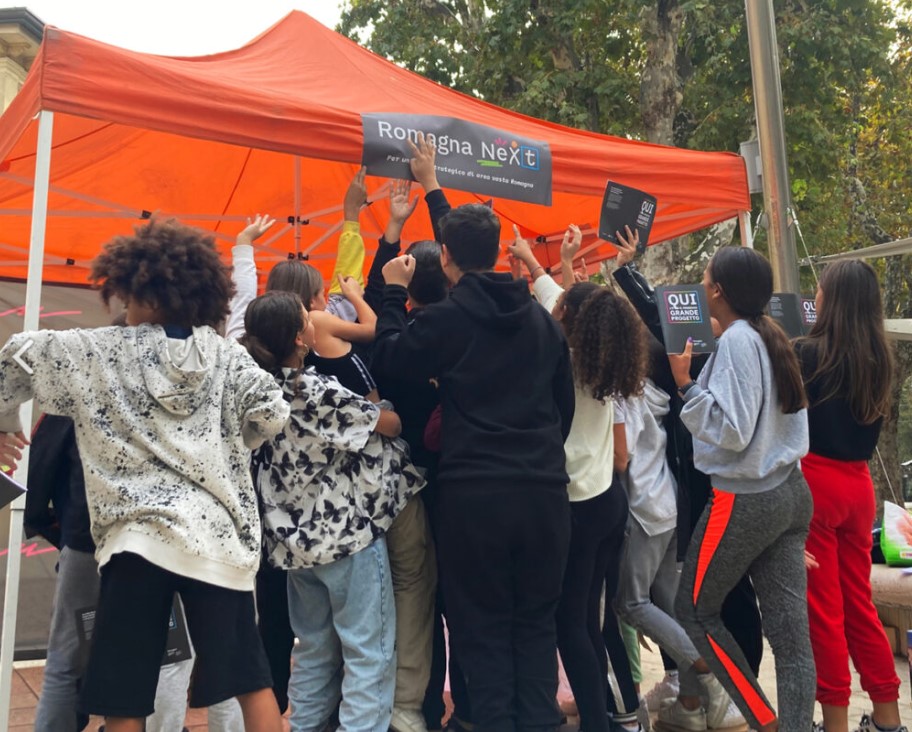
The Romagna Next: Strategic Plan for the Romagna vast area is Italy’s first national pilot of inter-provincial strategic planning. The plan puts forth flexible governance structures, which can facilitate a greater dialogue among local authorities tackling complex environmental, social, and economic challenges. This so-called ‘soft governance model’ has engaged public and private operators, small- and medium-sized local authorities, citizens and students, across a territory of over 5 000 km2 and more than a million residents. Romagna Next has brought transformative impact from the start, tackling complex environmental, social and economic challenges through diverse collaboration. A mix of diagnosis, visioning, co-design, communication, and citizen participation helped form a Romagna Community of Practice.
The co-design process engaged over 300 participants, involving local government technicians and other stakeholders in working groups on tourism, environment, energy, health, social inclusion, mobility, water, digitalisation, security, agribusiness, and training and employment. Among a variety of participatory activities, a mobile ‘Romagna Next in Tour’ visited 18 municipalities to get aspirations from over 1 400 residents on their medium-to-long-term priorities for the area.
While led by Rimini, this practice involves the collaboration of three other cities across Romagna.
#4 – Lublin (PL)
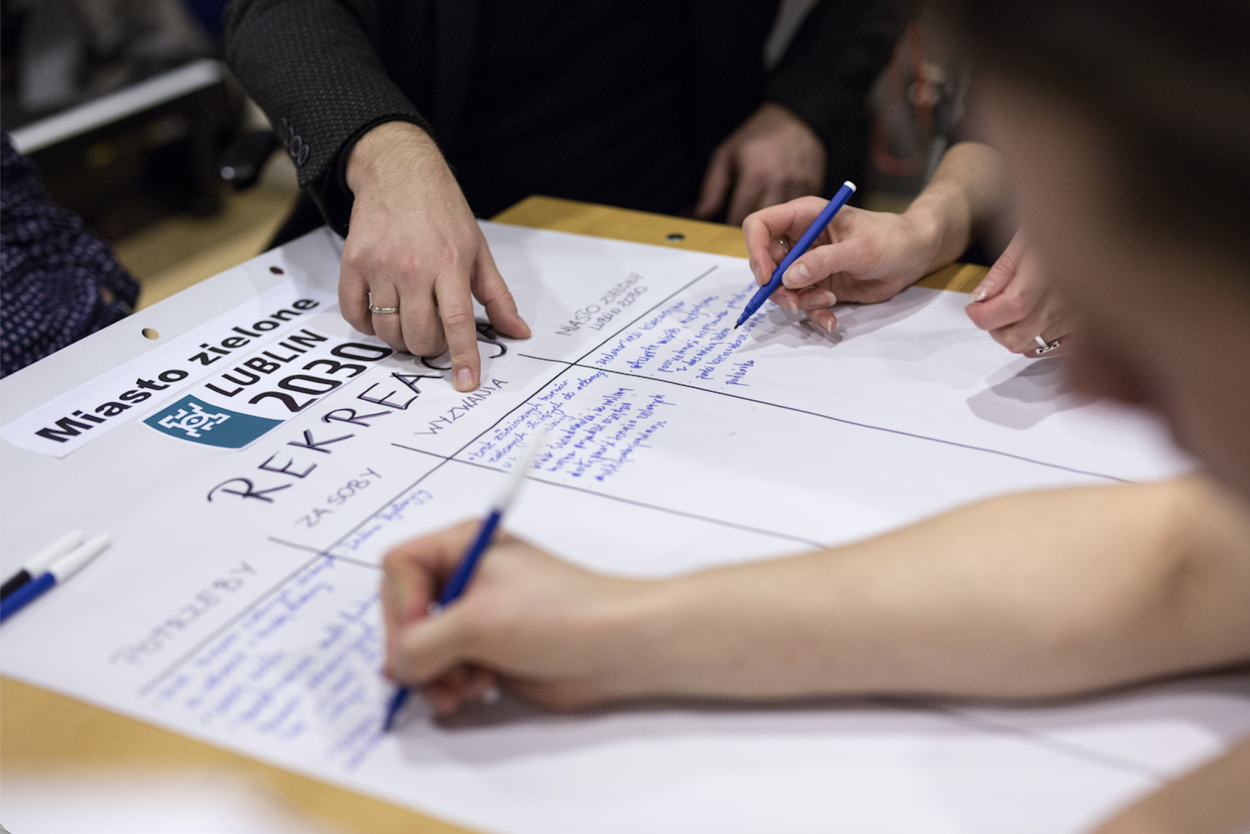
Lublin’s groundbreaking approach used multiple participatory techniques to involve the city’s community in defining the Lublin 2030 Strategy. Citizens, NGOs, entrepreneurs, and academics helped build this widely supported vision for the city’s future. (In fact, these residents were eventually acknowledged as co-authors of the strategy.)
How did this approach play out? Starting in 2018, the city launched a month-long consultation, involving nearly 100 experts and thousands of residents and city users. Over 12 000 people participated in 77 meetings, discussions, games, and workshops, feeding into a catalogue of opinions and perceptions. These were further analysed by 120 residents and professional representatives, selected in an open call, providing the basis for the Lublin 2030 Strategy.
A Strategic Management Academy was also created to share participatory management experience with other local authorities – promoting inclusive, transparent, and resilient urban planning.
| 
|
Key takeaways for your city
A key lesson for policymakers and urban planners is that effective, sustainable urban strategies rely on strong collaboration between municipal departments, neighbouring authorities, stakeholders, and residents. This collaboration can be strengthened by making governance a dedicated strategic priority.
Dynamic co-creation: participatory planning for urban transformation
Even for cities with a well-defined strategic vision for the future, when it comes to planning developments to improve land-use and everyday life in urban neighbourhoods, co-creation is key. In the following cities, local stakeholders and residents work together to test, shape, and deliver improved housing, social support, and land management solutions.
#5 – Barcelona (ES)
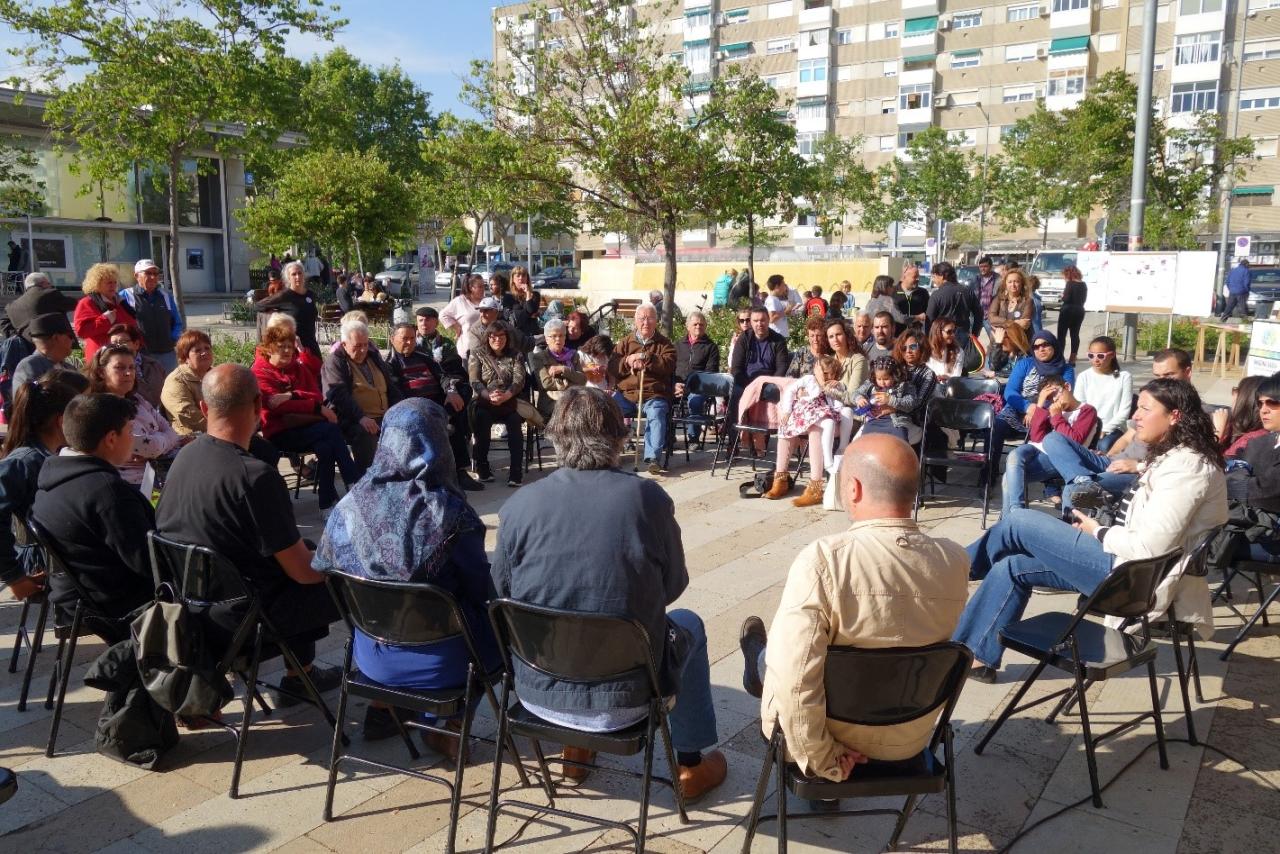
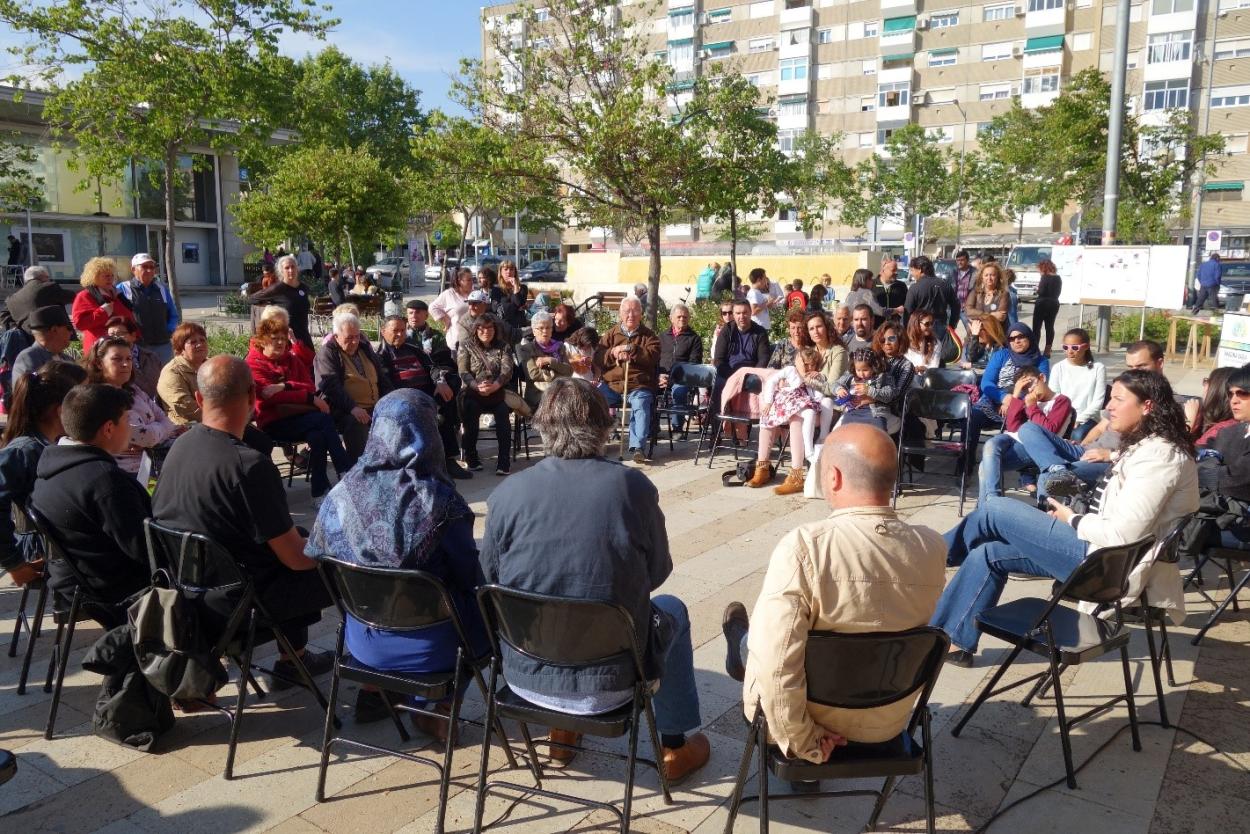
Residents, together with municipal and metropolitan representatives, assessed the Badia del Vallès mass housing estate, and co-created an Integrated Action Plan. The process was supported by the sub>urban URBACT Action Planning Network (2015-2018).
After identifying demographic and infrastructural challenges – from spatial isolation to monofunctional buildings – the local group set strategic objectives for a more connected, healthy and inclusive city.
Based on this scoping exercise, the city created a catalogue of adaptable actions, including:
- improving public transport, accessibility and supra-municipal connectivity;
- a road hierarchy to improve navigation and reduce private car use of public space;
linking built and empty space, creating adaptable public areas; - showcasing cultural and natural heritage and social assets;
- diversifying and intensifying building use and density, breaking up façades and improving safety.
The participatory process has fed into to Barcelona’s new Metropolitan Urban Master Plan as well as inspiring urban regeneration plans at universities (e.g. Barcelona Tech University UPC, University of Illinois Urbana-Champaign).
#6 – Lyon (FR)
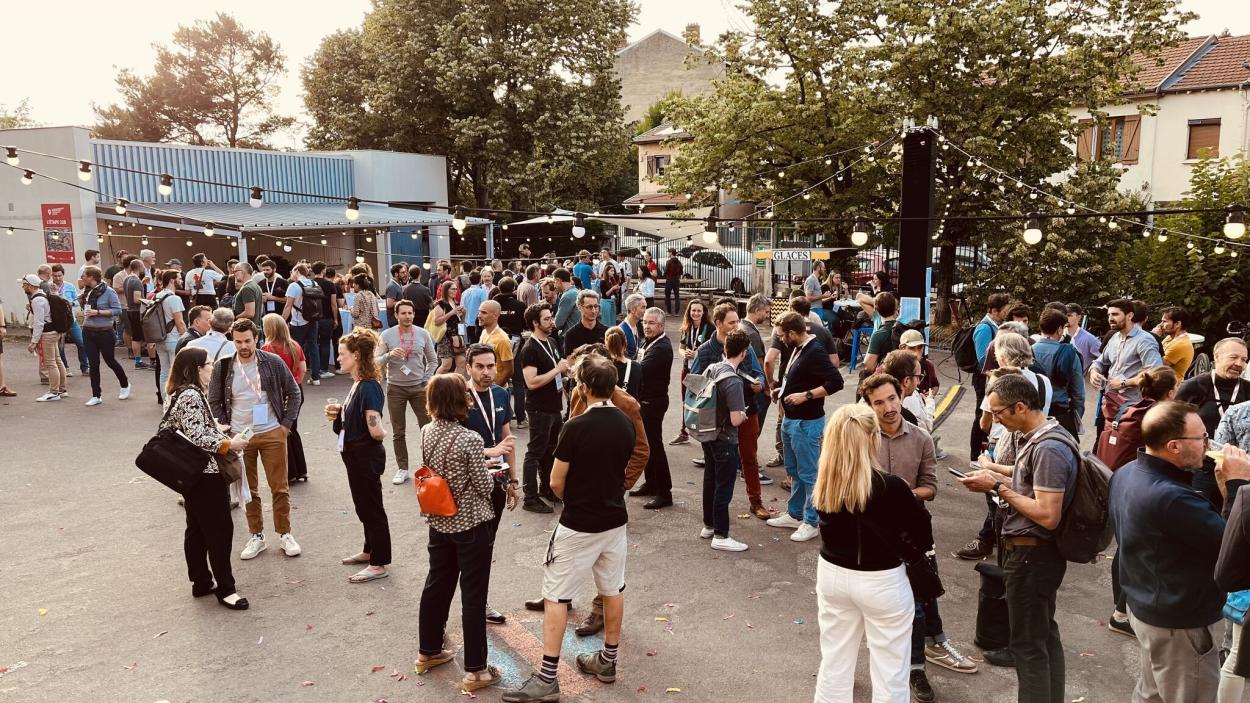
Lyon’s commitment to cross-sector governance led to Etape 22D, a testing ground for transitional urban planning, collaboration, and social innovation. This practice has unfolded on 5 hectares of unused urban wasteland, which were quickly activated for temporary public use. This was possible thanks to cooperation among stakeholders from business, emergency housing, social support, education, and the local authority (City of Villeurbanne).
Early results include the creation of essential services: emergency housing units have helped 80 residents (prominently young adults leaving the child welfare system and single mothers). Furthermore, affordable workshops, offices, and storage space have encouraged resource and skills sharing among approximately 90 companies. Neighbourhood residents also welcomed new open spaces, previously vacant areas where they can organise community events.
These transitional activities aim to inspire long-term urban renewal.
#7 – Villach (AT)
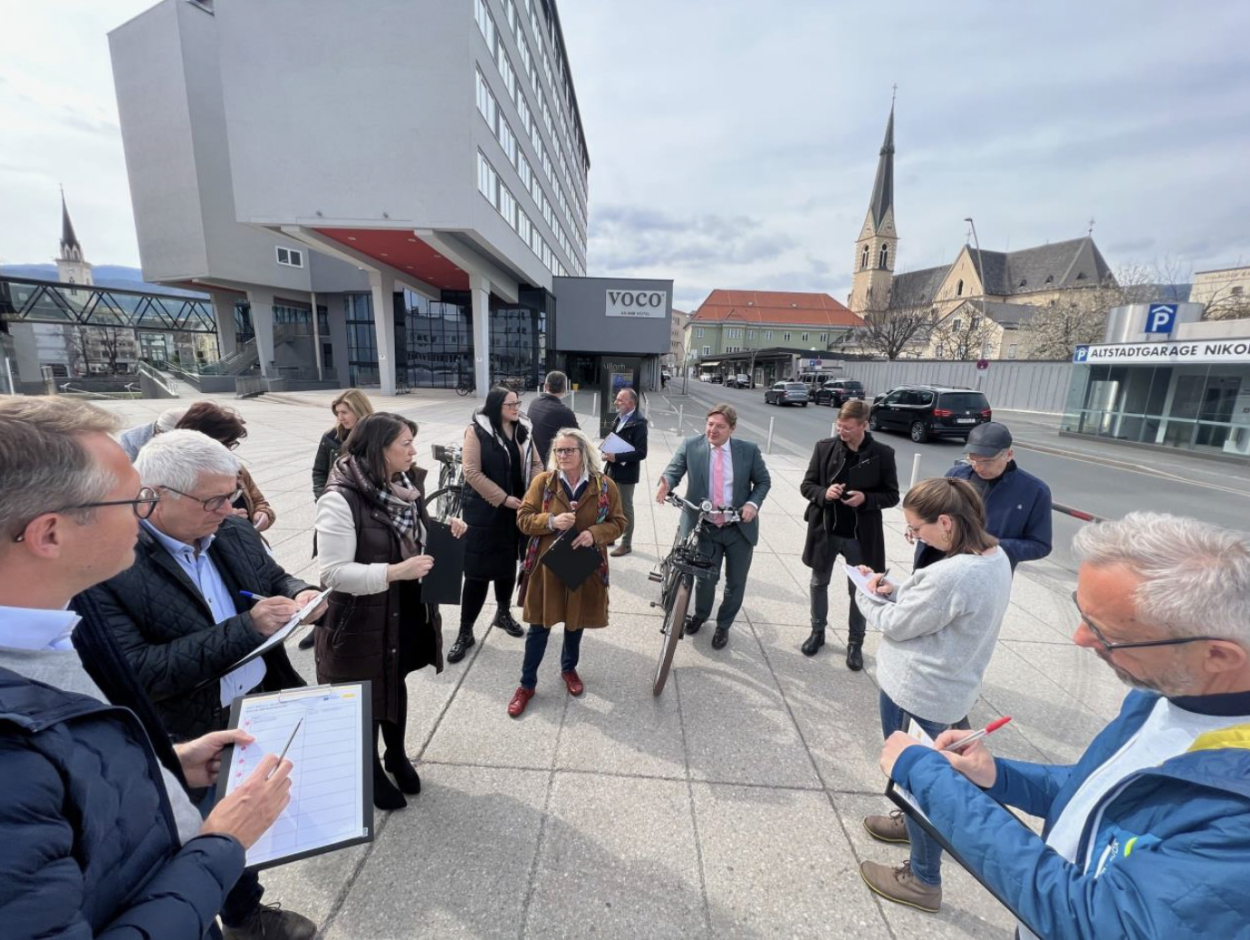
ISEK (Integrated Urban Development Concepts) is a model for participatory urban development, involving citizens, institutions, city departments, property owners, neighbours, employees, and experts. ISEK’s approach set out to make the Nikolai Quartier, a vibrant neighbourhood in the city centre, a health and education hub for designing community-led urban development processes.
In consultation with over 700 participants, this initiative set goals, fields of action, and projects for future urban development. These plans and actions focused on inner-city densification and minimising land-use. It integrated sociological, technical and planning expertise with the knowledge and needs of stakeholder and residents.
This process features three key steps: (1) assessing the area, and setting objectives; (2) creating a development framework plan based on participatory feedback and quality standards; and (3) appointing a multidisciplinary steering group and including citizens via surveys and workshops.
This multi-perspective approach has improved local understanding and encouraged support for future implementation.
| 
| 
|
Key takeaways for your city
These participatory planning solutions offer lessons for European cities of all sizes. First, make sure to use flexible approaches combining short- and long-term solutions. Second, provide affordable workspaces to create jobs and reuse empty buildings or underused spaces. Third, be transparent about multi-level regulations and funding. Last but not least, as Barcelona has done, share knowledge.
Collaboration: the secret to successful, sustainable cities
These seven practices show collaborative planning in many forms, from multi-level governance and cross-sector partnerships to participatory co-design and community-led activities. All provide inspiration for European cities to promote resilience, innovation, social inclusion, and sustainability.
Looking for more urban solutions? Browse the ever-growing URBACT Good Practices database of tried and tested solutions for sustainable urban development.
Want to know more about URBACT’s approach to developing Integrated Action Plans for local urban solutions? Read this article for lessons from the last round of URBACT Action Planning Networks (2023-2025).