Beyond Physical Accessibility: Lived Experience and Inclusive Urban Governance
Can a city be physically accessible without being genuinely inclusive?
This question challenges approaches to urban accessibility centred primarily on infrastructure provision and technical compliance. Although removing physical barriers is essential, it does not necessarily ensure independent movement, equal participation or a meaningful experience of urban life. This article argues that inclusive urban mobility also depends on how cities incorporate lived experience, organise participation and translate accessibility knowledge into municipal decisions.
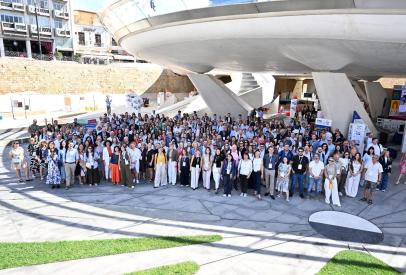
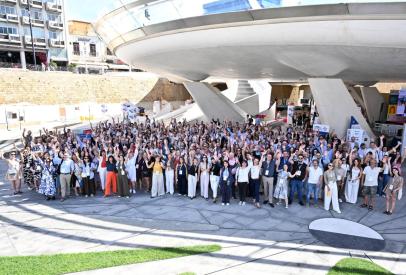
Drawing on the third Transnational Network Meeting of the URBACT TN C.ALL – Accessible Cities for All Transfer Network, held in Bratislava on 6–7 October 2026, the article examines the Learning Lab as an exploratory qualitative case study. Its methodological sequence: Learn, Experience, Harvest, Co-design and Commit, connected urban observation, stakeholder dialogue, collaborative interpretation and preliminary proposals for local testing.
The analysis develops five interconnected dimensions of inclusive mobility governance: whole-journey accessibility assessment, participatory knowledge production, institutional coordination, context-sensitive experimentation and continuous evaluation. Examples from Komotini and participating European partners illustrate how these dimensions may inform the adaptation of accessibility practices to different local circumstances. These examples represent emerging approaches rather than completed interventions with demonstrated outcomes.
The article concludes that moving from accessible infrastructure towards inclusive urban environments requires changes not only in urban design, but also in how planning knowledge is produced and acted upon. Transnational learning can support this transition by connecting technical expertise with lived experience. Its lasting contribution, however, depends on whether learning influences institutional responsibilities, investment priorities and everyday urban experiences.
Keywords: urban accessibility, inclusive urban mobility, lived experience, participatory governance, accessibility assessment, policy transfer, urban experimentation, URBACT TN C.ALL.