
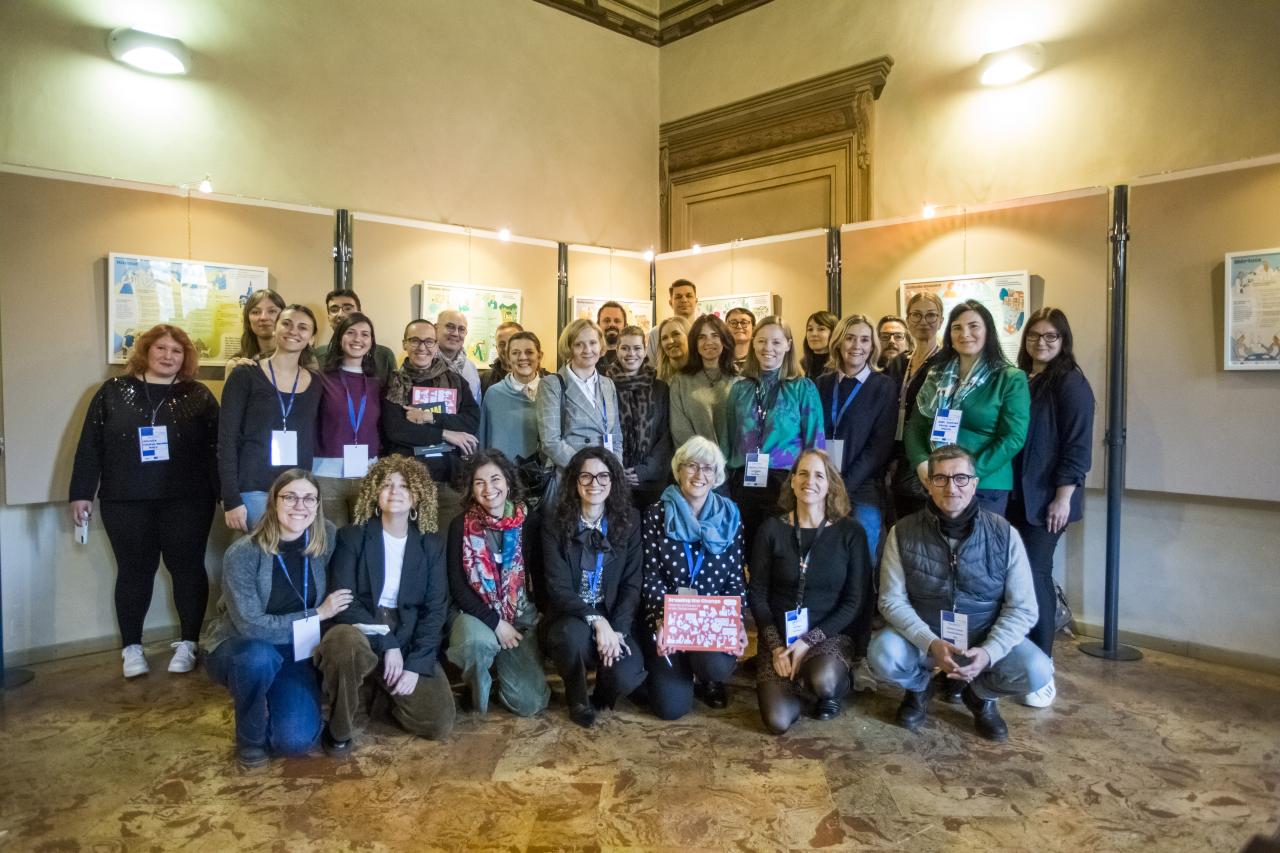
When we launched the U.R. Impact network two and a half years ago, we set ourselves an ambitious task: to put social impact at the centre of urban regeneration. Nine cities: Cinisello Balsamo, Bielsko-Biała, Bovec, Broumov, Hannut, Kamza, Longford, Mértola, and Murcia joined forces to redefine what regeneration means when people’s well-being, inclusion, and participation become the primary goals.
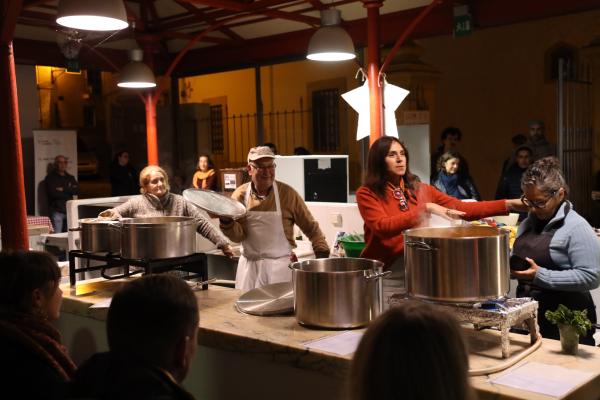
In Mértola, we found ourselves singing along with locals at the night market. In Bovec, the local bar became a karaoke space full of laughter and connection after long days of discussions. And in Broumov, we ended up dancing in the town square with a local band with locals and visitors. These moments were not part of the official agenda, yet they embodied what social impact feels like: being part of something that moves, that changes, and that we witness together.
That same sense of movement has been at the heart of the U.R. Impact network from the beginning. Over two and a half years, nine European cities have worked together to understand how to design regeneration processes that put people’s well-being and collective purpose at the centre.
Already at our very first transnational meeting in Cinisello Balsamo, we began by doing something unusual: we drafted a Theory of Change - starting from the end. Together, we asked: what kind of impact do we want to see in people’s lives? and what would need to happen for that change to occur? That single exercise (that evolved all along the out path) shifted the mindset of the network. It moved impact away from a bureaucratic reporting task toward a real intention that would shape strategies, priorities, and actions for the following years.
What we learned from this journey can be distilled into five key insights - lessons not only for our cities but for anyone interested in planning for social impact rather than simply measuring it after the fact.
1. Plan for Impact — from the Beginning
The U.R. Impact cities showed that impact cannot be added or evaluated later; it has to be built in from the start. Defining the desired impact early creates a shared direction and opens up a structured pathway to achieve it.
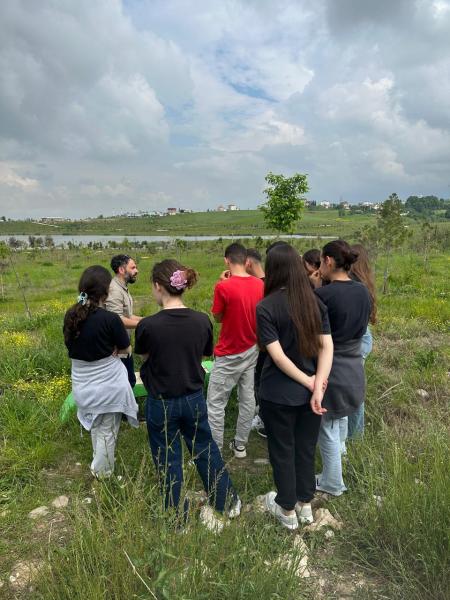
In Bielsko-Biała, the revitalisation of the old city centre began by identifying the social outcomes residents wanted; local pride, community connection, and better opportunities. The municipality then worked backwards to define how regeneration activities could contribute to those outcomes and how to measure them. Kamza did something similar when it linked its riverside park development to clear social goals like inclusion, new businesses, and youth participation, transforming a spatial project into a social one.
In Mértola, defining impact meant balancing heritage preservation with social and ecological resilience: the city created measurable indicators that connected cultural revitalisation with community well-being and climate adaptation.
When does social impact become intentional? When cities design for it, not just report on it - planning itself becomes a transformative process.
2. Testing, Evaluating, and Adapting — an Agile Mindset
Traditional urban planning follows a linear logic: design, implement, evaluate. The U.R. Impact cities demonstrated a different rhythm, one of testing, evaluating, and adapting as you go.
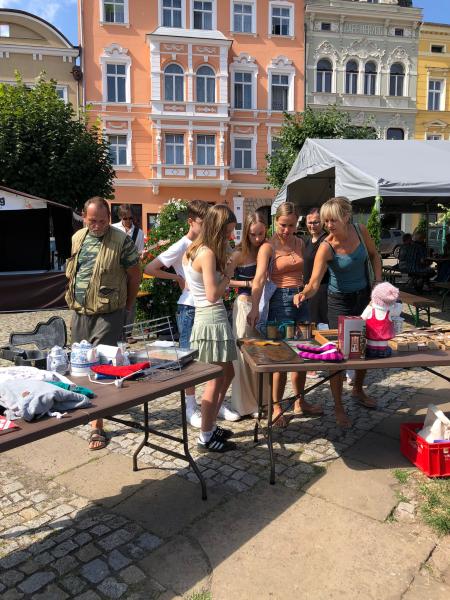
Broumov discovered that quick, low-cost pilots — like adding tables, a coffee stand, or new parking rules — could immediately change how people used and perceived the city centre. These actions built trust and proved that visible, tangible steps matter more than lengthy documents.
In Murcia, the South Connection project used a traveling exhibition and agora labs to continuously test and collect feedback on the future of over 200,000 square meters of freed-up land. In Bovec, the municipality prototyped its coworking and youth spaces before committing major resources, using surveys and temporary setups to evaluate real needs.
Across the network, testing wasn’t just a method; it was a mindset. Being agile meant accepting that urban change is iterative. Cities learned that evaluation is not a final audit, but a way to stay accountable to learning.
3. Participation as Infrastructure for Impact
Participation in U.R. Impact was not symbolic, it was structural. Cities learned that to generate real social impact, they must define desired outcomes together with citizens and stakeholders, and agree on how impact will be measured.
In Kamza, residents and youth co-designed the future management plan for the new multifunctional park. Longford worked with community organisations to co-create the governance model for its new social facilities, ensuring that users will later co-manage them. Bovec institutionalised its Urban Local Group as a permanent platform for citizen dialogue, extending beyond the project’s lifespan.
Murcia’s extensive citizen consultation process, both online and in-person, set new standards for participatory planning, with clear targets for how many citizen proposals should be collected and implemented.
By integrating participation into planning and measurement, these cities turned impact into a shared contract between institutions and communities. Participation became the real infrastructure on which regeneration stands.
4. Building Capacity — Together
None of this would have been possible without capacity building. For many municipalities, planning for impact required new skills, tools, and governance structures. URBACT’s transnational framework — with its mix of peer learning, expert input, and on-the-ground testing — became a powerful enabler of change.
In Hannut, the 15-minute city vision served to align elected officials, merchants, and technical departments under a shared purpose. Bielsko-Biała learned how to work across administrative silos linking spatial, economic, and social planning. In Cinisello Balsamo, municipal staff were trained to use social impact assessment tools and to integrate impact thinking into procurement.
Smaller cities like Broumov and Bovec strengthened their local networks, bringing NGOs, schools, and local entrepreneurs into governance processes to overcome limited municipal capacity.
This collective learning, supported by URBACT experts and peer exchanges, represents one of the greatest values of the network. It showed that impact isn’t achieved by better metrics alone, but by building human and institutional capacity to think systemically.
5. From Planning to Practice — Embedding Impact Thinking
The final step is to move from planning for impact to governing through impact. Cities are now beginning to translate their learning into daily practice.
Mértola connected its impact strategy to concrete funding and monitoring systems, ensuring that investments are tied to social and environmental indicators. Longford’s community governance model ensures that the newly refurbished facilities will be managed by local actors who also monitor their social value. Broumov and Hannut are turning cultural events, local businesses, and tourism activities into ongoing opportunities to assess community engagement and resilience.
In Murcia, impact metrics have been formally integrated into the city’s mobility and public space plans. And Cinisello Balsamo, now developing a city-wide Social Impact Assessment model, is exploring how every department can incorporate impact criteria in its decision-making.
The transition from planning to practice is where the legacy of U.R. Impact will be tested. If cities continue to apply this mindset in procurement, investment, and evaluation, impact thinking will cease to be a deliverable project and become a culture of governance.
A Shared Journey Toward Intentional Impact
Across nine diverse contexts, a common message emerges: social impact begins with intentionality, thrives on participation, and endures through capacity.
The U.R. Impact network didn’t just produce nine Integrated Action Plans. It produced a new way of working, one that is deliberate, learning-oriented, and deeply human. By starting from the desired impact, testing and evaluating as they go, and embedding capacity within institutions, these cities have demonstrated that urban regeneration can be both strategic and adaptive.
Their experience reminds us that the real impact of urban policy is not the number of buildings renovated or square metres redeveloped, but the confidence, agency, and trust built along the way.
That is the essence of planning for impact and it is what will carry these cities, and others inspired by them, into the next generation of sustainable urban regeneration.