
A water museum in a historic building
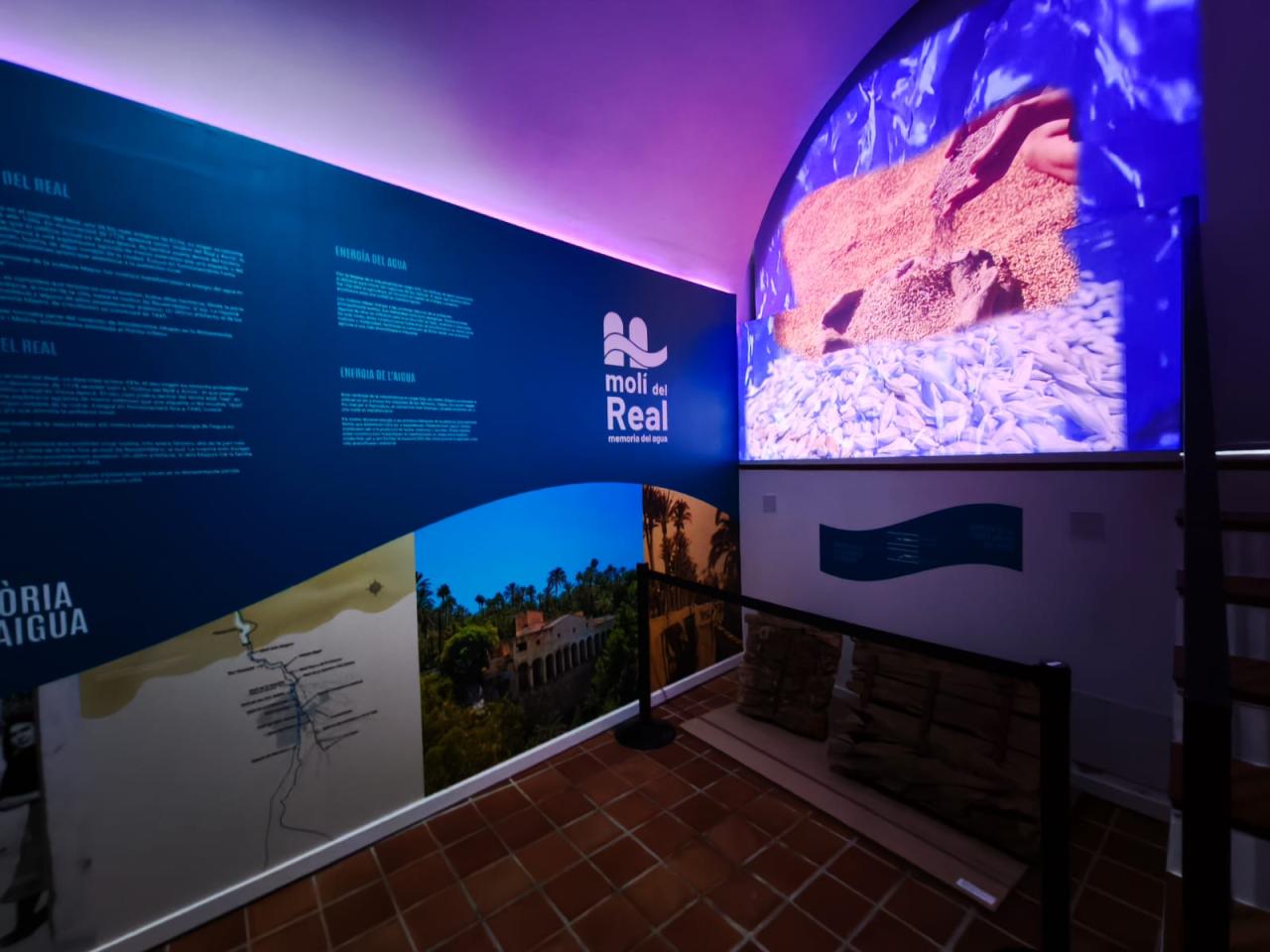
The Molí del Real, a declared Site of Cultural Interest (BIC), is one of the oldest flour mills in the Valencian Community, with documented records dating back to the 14th century. This mill, one of 15 that the municipality once had, harnessed the power of water from the Acequia Mayor del Pantano to grind wheat. Now, rehabilitated as an exhibition space, it becomes the perfect setting to tell the story of water in Elche. Through the permanent exhibition "Memoria del Aqua” (Memory of Water) it highlights Elche's historical relationship with this vital resource and the city's ability to turn scarcity into opportunity.
A journey through the history of water
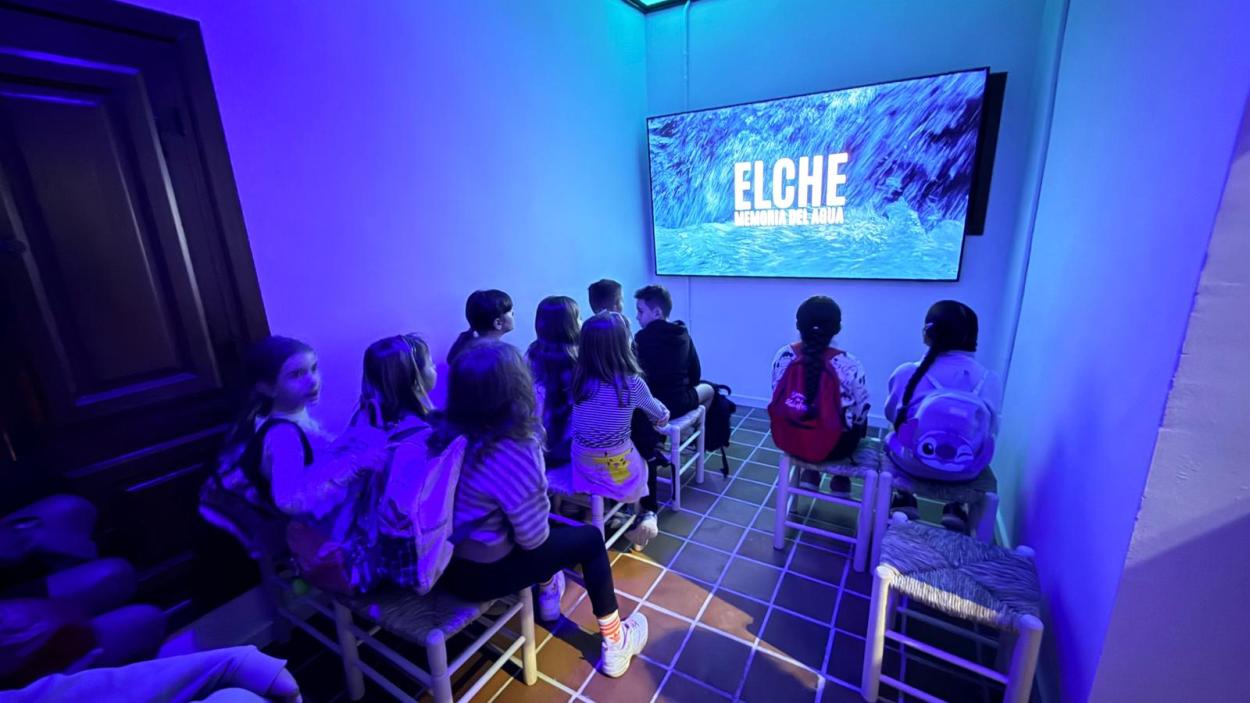
The exhibition is structured around several sections that invite visitors to discover how Elche has shaped its landscape, economy and identity around water:
- The Agora: Overlooking the Vinalopó River, it presents a timeline with the historical milestones of Elche and water, from the Neolithic to the 21st century.
- The mill in operation: Panels and projections recreate the mill's functioning and explain the link with the irrigation canal network.
- Water and society: Addresses the historical problem of drinking and irrigation water supply, since the Vinalopó has never been suitable for human consumption due to its meager flow and high salinity.
- The thirsty land: Explains how Elche, located in one of the driest areas of the peninsula, has overcome its water deficit thanks to surplus water from the Segura River, the Tajo-Segura transfer and, currently, reclaimed water.
- The flowing water: Shows the various uses of water throughout history: flour and paper mills, electricity generation after the Industrial Revolution, and social uses in baths, laundries and fountains.
World Heritage Site
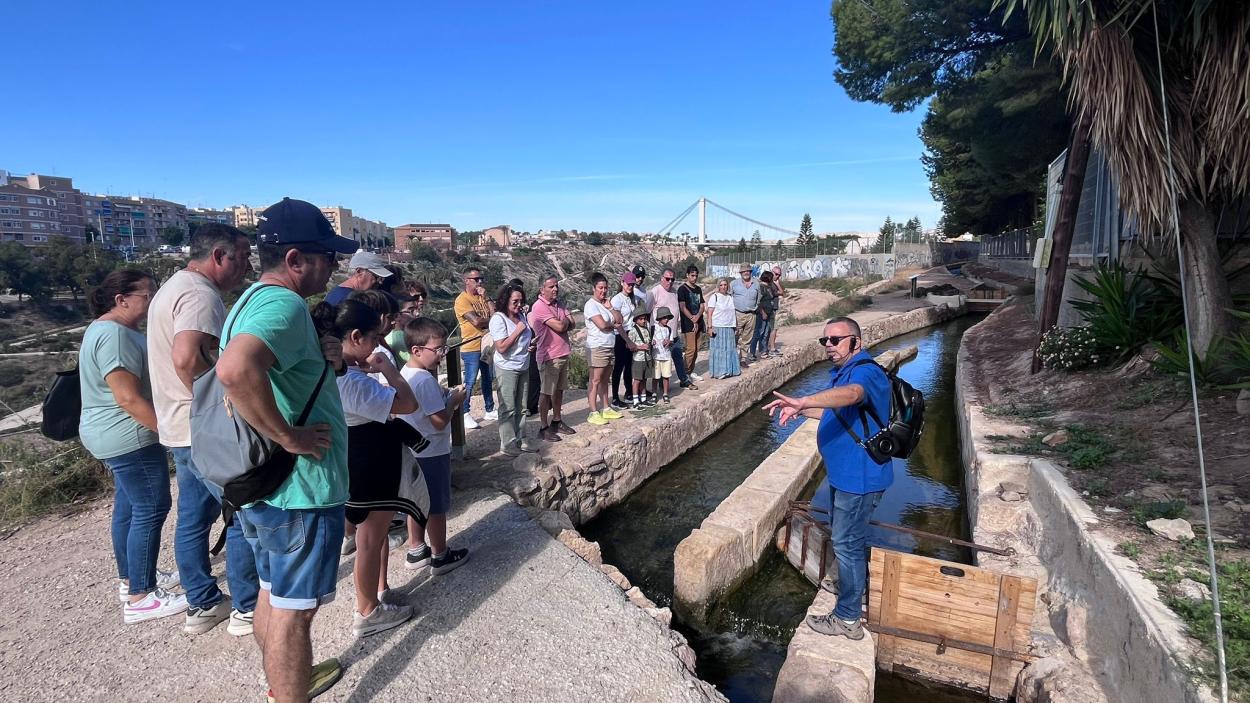
The history of Elche demonstrates how necessity became virtue. UNESCO recognized the Palmeral of Elche, Europe's largest Palm Grove, as a World Heritage Site in 2000 for being an exceptional cultural landscape; a unique example of the transfer of a North African landscape to Europe during Islamic rule, and for its traditional irrigation system through canals (the acequias) that has allowed its survival to this day.
A European project for the future
"Memoria del Aqua”, a project subsidized by the Ministry of Social Rights and the 2030 Agenda combines with the European program URBACT Hydro Heritage Cities, promoted by the EU to encourage knowledge exchange between cities on the valorization of hydraulic heritage and sustainable water use. On the ground, the project’s aim is to organize cultural, educational and awareness-raising activities.
In this context the Molí del Real becomes a starting point for other water routes throughout the city: the network of irrigation canals, fountains and the Palmeral irrigation system. An invitation to discover how Elche has written its history with water, turning scarcity into identity and heritage.
Citizen participation
Moreover, the project is complemented by school visits, guided tours and contests that seek citizen participation to promote Elche's hydraulic heritage. As its promoters point out, "we want the hydraulic history of our city to be lived, felt, understood and cared for by future generations."
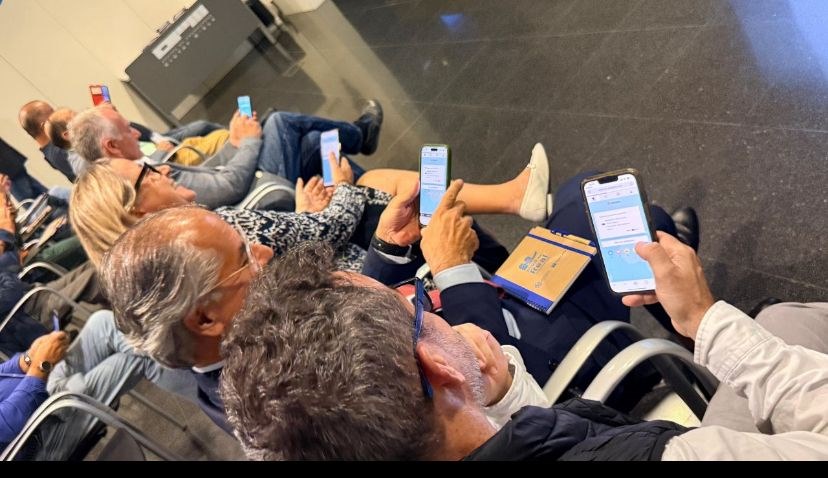
Thus, on 30 October the city of Elche organized the “Jornada del Agua”, a day dedicated to Water reaching out to a diverse audience and reinforcing citizen engagement. During this public event Elche’s URBACT Local Group (ULG) held its first testing action by collecting citizens and stakeholders views on the city’s traditional hydraulic systems and their links to the Palmeral. Forty participants, including irrigation communities, cultural organisations, local experts and inhabitants joined an interactive session using AhaSlides. Results showed overwhelming concern for the future of this green and blue heritage: a 9.4/10 perceived importance score and 96% agreement that the system is at risk without action.
The participants contributed also practical ideas for environmental education, landscape restoration and participatory water management. These insights will inform Elche's ULG work and its Investment Plan, aiming to align local governance with community expectations and reaffirming water heritage as strategic pillar of Elche's sustainable development.