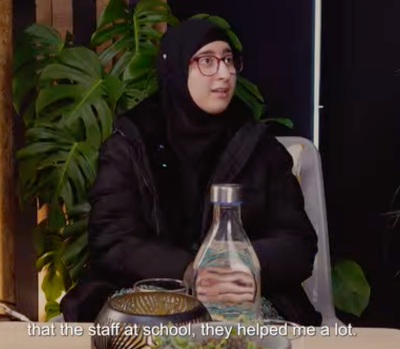
Restoring individuality and dignity
Shaïsta’s story captures what lies at the heart of cities that succeed in becoming welcoming places: seeing people not as categories, but as individuals, each with their own qualities, experiences, and aspirations—and helping them to thrive in their new home.
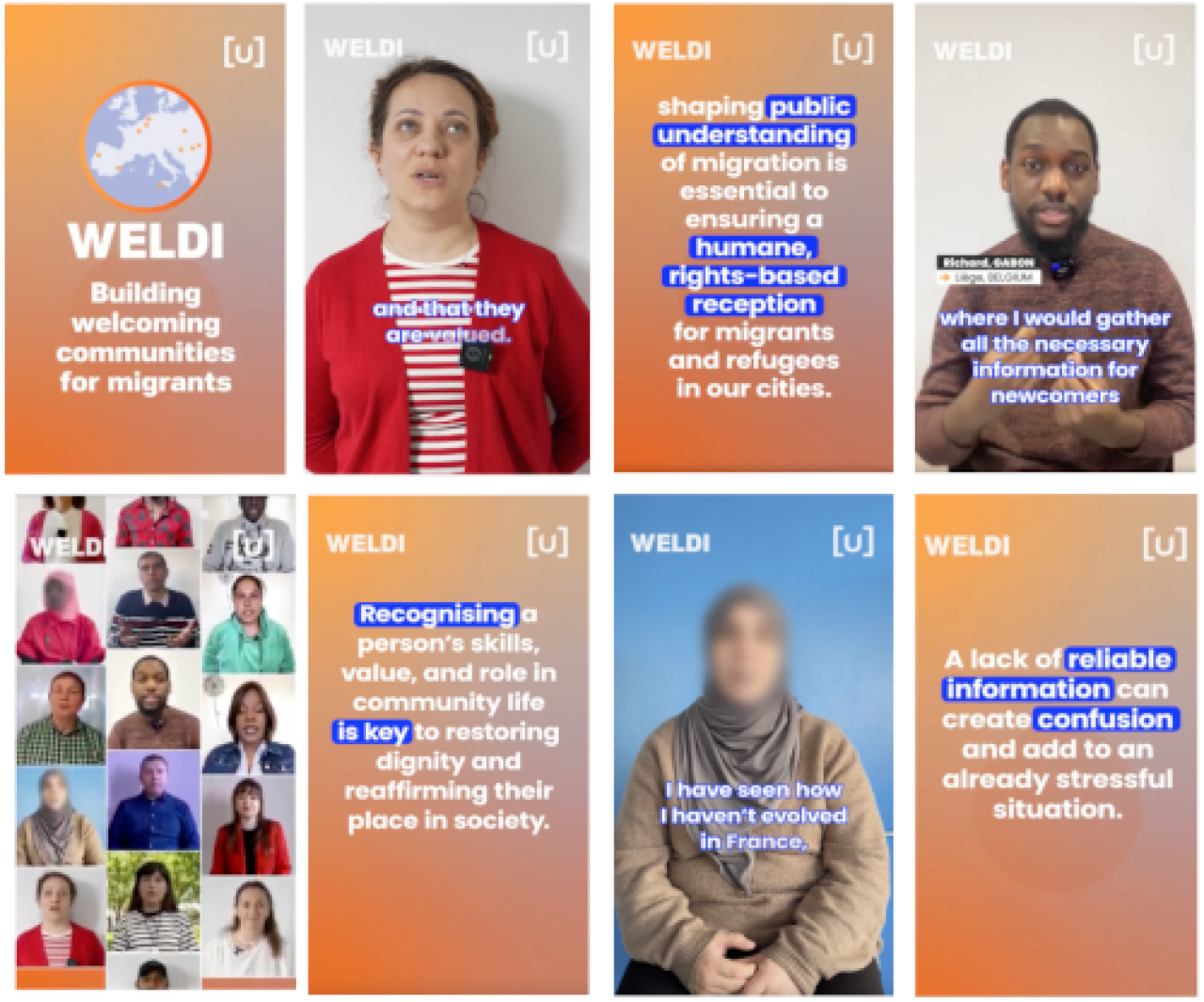
Interviews conducted by WELDI partners gathering recommendations from migrant residents, which were edited into four videos, show how challenging it can be to live up to this principle. Again and again, migrants expressed the importance of recognition.
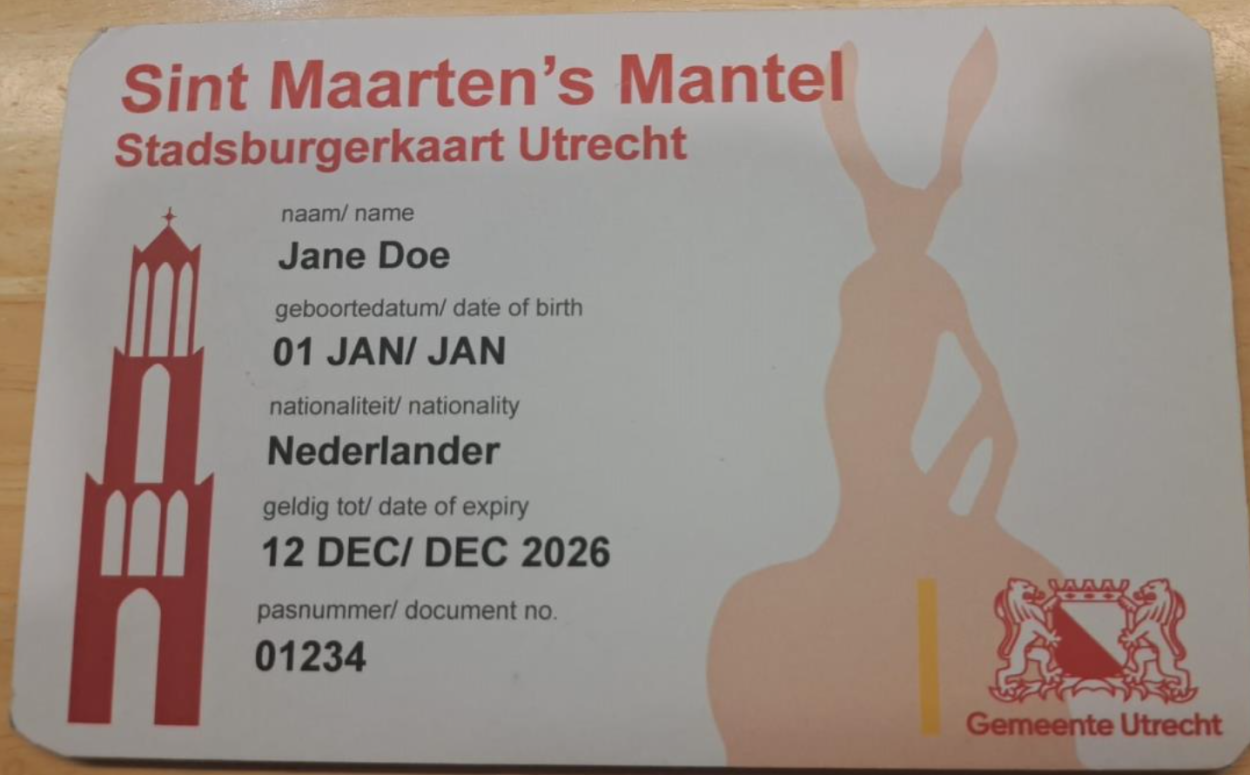
Utrecht’s St Martin’s Card is one example of how WELDI partners are responding. Named after the city’s patron saint, famous for sharing his coat with a freezing beggar, the card recognises migrants as local residents with rights, regardless of their residency status. At a time when governments in the Netherlands and elsewhere are seeking to criminalise those who provide support to undocumented migrants, the card sends a powerful signal—and underlines the responsibility of cities to act when human rights are threatened by other levels of government.
Recognition also means valuing newcomers’ professional experience instead of making them start from scratch again. WELDI partners in Fundão, Seine-Saint-Denis, and Timișoara are working to support the recognition of work experience and qualifications by employers and educational authorities.
Defending people against defamation
Recognition also involves protecting migrants’ dignity when they are defamed as “fake” refugees or portrayed as criminals. Giving migrants a platform to tell their own stories is one way of countering this narrative. Timișoara is preparing a social media campaign titled “Real People, Real Stories”, while Fundão produces the vidcast Conversas a Propósito (“Conversations with a Purpose”)—the same format that helped Shaïsta find support.
The problem of misinformation accompanied WELDI partners throughout the project. They are thinking about how to immunise the local population against the poison of misinformation. Sosnowiec is piloting a workshop on migration that they want to roll-out to all of the city’s secondary schools.
The need to fight misinformation accompanied WELDI partners throughout the project. Many are asking how local communities can be “immunised” against the poison of false narratives. Sosnowiec, for example, is piloting a workshop on migration that it plans to roll out to all secondary schools in the city.
“The best remedy against prejudice is personal contact”
While information and training make a difference, WELDI partners are convinced that the most effective remedy against prejudice is personal contact. Many local actions therefore focus on creating spaces where newcomers and long-term residents can meet based on shared interests —in mentoring schemes, celebrations, service-exchange networks, and peer groups.
Becoming a source of credible information
Other needs identified by migrants seem almost self-evident, such as the importance of clear, reliable information on how to navigate daily life in a new society. WELDI partners inspired one another to develop newcomer
apps and online guides that provide credible information on everything from administration to education and healthcare. These digital tools are complemented by plans for physical spaces—help desks and one-stop shops—for those who need a more personal form of support.
In Sosnowiec, according to senior specialist Edyta Wykurz, setting up such a place had not even been considered before joining WELDI, as the city had been in crisis mode after the arrival of Ukrainian refugees.
“Through WELDI, the importance of establishing a place where migrants can receive comprehensive, non-material support became increasingly clear.” Edyta Wykurz, Sosnowiec.
Connecting committed people
Another key insight from the WELDI journey is that becoming a welcoming city is a task for the whole community. Across all partner cities, hundreds of committed people work every day to make dignified reception a reality.
A refugee mathematics teacher develops an app to help peers prepare to continue their profession in the Netherlands while awaiting an asylum decision; Romanians draw on their own migration experience to provide language classes for newcomers in Timisoara; and survivors of trafficking receive training in producing the Fundao’s famous cheese and find a way out of their precarious situation. These stories become possible when committed people are able to connect.
The URBACT Local Groups provided a crucial framework for building these connections and for taking a major step towards a whole-of-society approach to migration. The need to include not just “stakeholders” but also migrants as experts by experience has been a key learning point for many WELDI partners.
Meeting these people who quietly make dignified reception work was one of the most rewarding parts of WELDI. Their success stories rarely make headlines, yet they offer a far more grounded response to global challenges than the popular calls to seal borders and retreat into culturally homogenous societies.
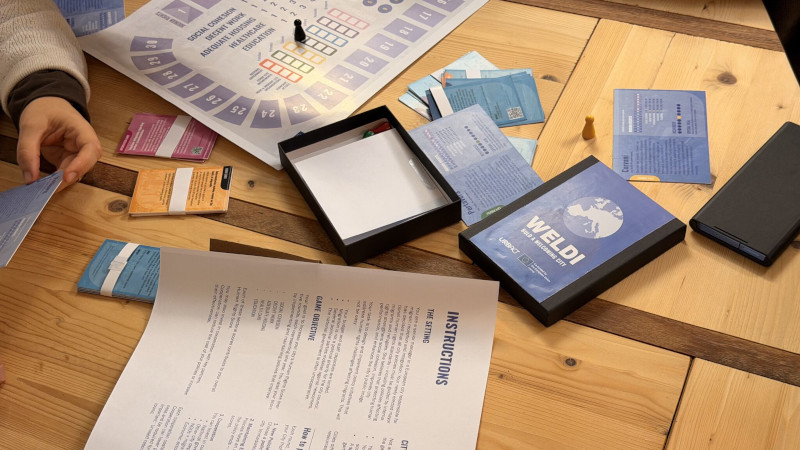
The WELDI game - Building a Welcoming City
This article offers only a glimpse of the change and the more than 100 concrete actions WELDI partners have designed to better reflect human rights in local migration policies. To continue exploring WELDI in a more playful way, try the WELDI board game Building a Welcoming City, available for download on WELDI’s URBACT website.