This edition highlights a shift from planning to implementation. During the July–September 2025 period, cities focused on validating local strategies, expanding community engagement, and amplifying their public communication to ensure that the work developed within the network begins reaching wider audiences.
Shared Progress Across Nine Cities
A central section of the report presents stories from each participating city, showing both common challenges and distinctive approaches.
Alba Iulia (Romania) confirmed its five-pillar strategy, including youth attractiveness, economic revitalisation and green transition, while outlining flagship projects such as a new business and innovation park.
Iisalmi (Finland) strengthened its internationalisation efforts, testing multilingual engagement tools and introducing the Bridge to Iisalmi concept to support newcomers.
Mangualde (Portugal) moved major housing and entrepreneurship actions into early technical preparation, supported by a newly established implementation taskforce.
Mantova (Italy) deepened community participation through events like the Brunch del Policy Makers, gathering ideas on housing, education and innovation.
Plasencia (Spain) finalised a strategy centred on communication, liveability and resident-attraction, framed under the new brand 100% Plasencia.
Saint-Quentin (France) formalised a full governance architecture and confirmed flagship interventions including a Digital and Innovation Hub and newcomer Welcome Platform.
Saldus (Latvia) defined 22 actions, prioritising nine, building on lessons from pilots focusing on community-building and reactivation of unused buildings.
Šibenik (Croatia) advanced student engagement, reinforced monitoring structures, and secured national funding for education infrastructure.
Trebinje (Bosnia and Herzegovina) aligned its IAP with the city’s growing digital-culture profile, reinforced by the EchoStone Festival and Mediterranean Gaming Festival.
These stories demonstrate how each city has adapted shared knowledge to its unique circumstances, while still contributing to a broader European narrative on demographic resilience.
New Ways of Sharing Urban Stories
This quarter also introduced the Residents of the Future Podcast Series, a nine-episode journey giving voice to residents, local leaders and stakeholders across the network. Available on Spotify and YouTube, the podcast offers first-hand accounts of living in mid-sized cities undergoing transformation and serves as a powerful communication tool for the project.
Two joint masterclasses expanded the network’s thematic range:
A collaboration with WELDI explored migration and newcomer integration as key levers for demographic renewal.
A session with Cities After Dark examined how the night-time economy can boost attractiveness, support local businesses, and diversify cultural life.

Looking Ahead
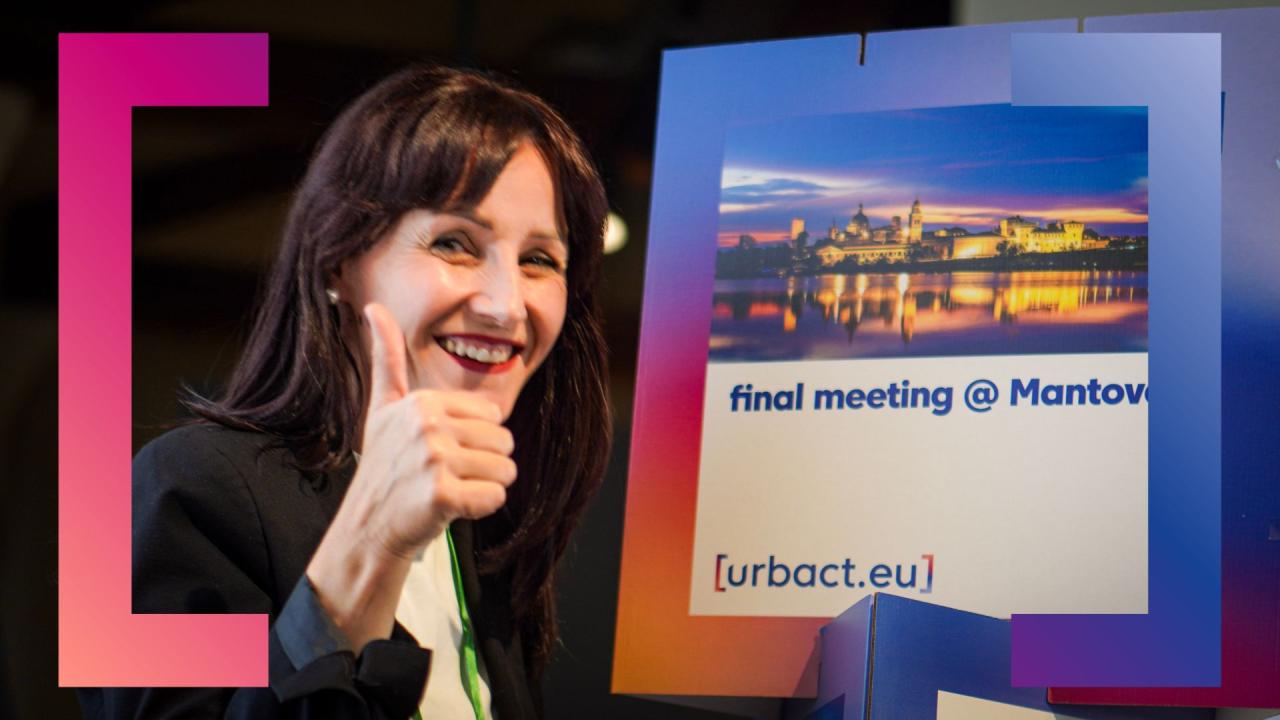
As the project enters its concluding phase, the network prepares for two final milestones: the Transnational Event in Mantova (October 2025) and an online masterclass on remote work and digital nomads, developed with the Remote-IT network. Both will consolidate the knowledge gained and reinforce the project’s long-term legacy.
The 7th Quarterly Report captures a moment of maturity for the Residents of the Future network—one in which ideas have become strategies, stories have become shared assets, and European cities stand ready to shape their demographic futures with renewed confidence and collaboration.