Across Europe, cities are grappling with many of the same challenges. But, while one city is still searching for answers, somewhere else, another city with the same challenge has already tried something – and it worked. As Themis Christophidou, the European Commission's Director-General for Regional and Urban Policy, told the opening plenary of the 2026 URBACT City Festival, "The hard part is to find each other."
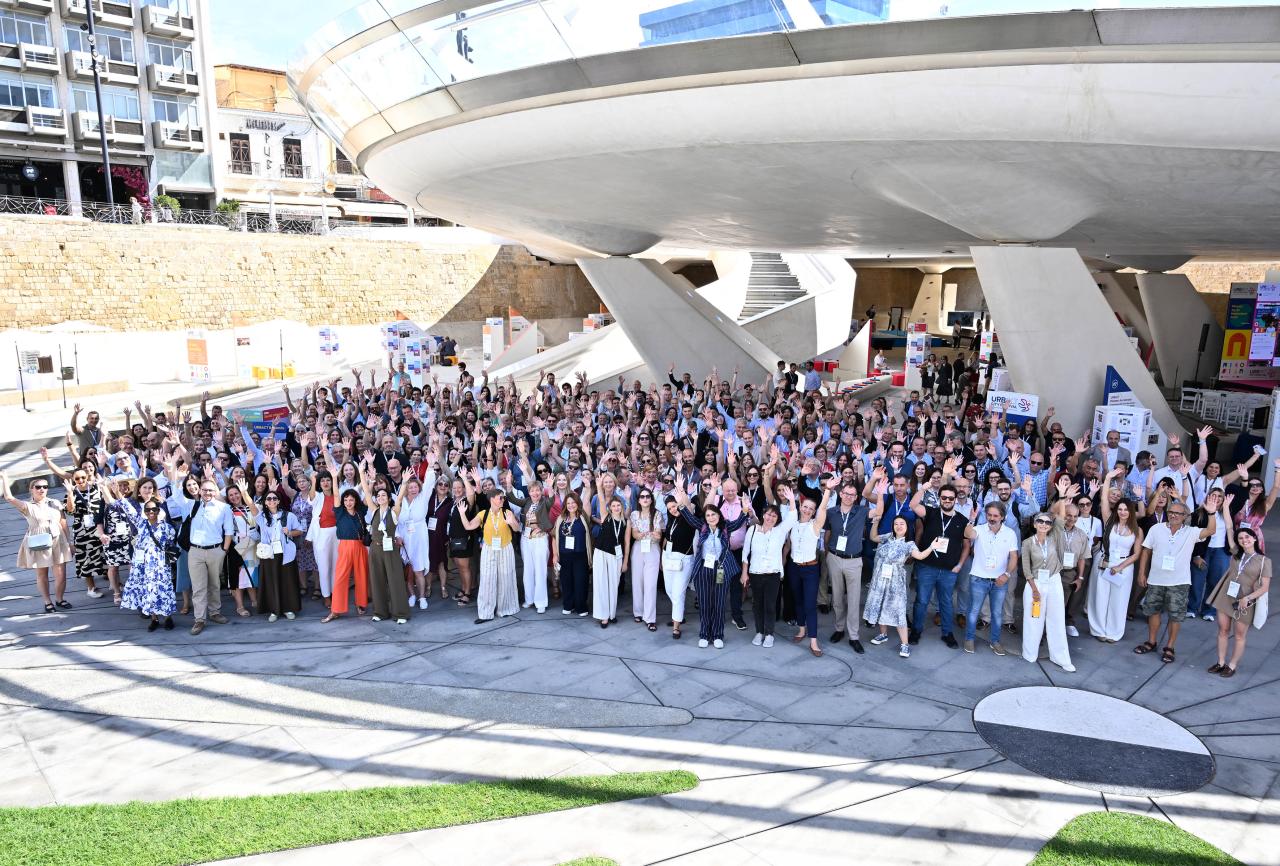
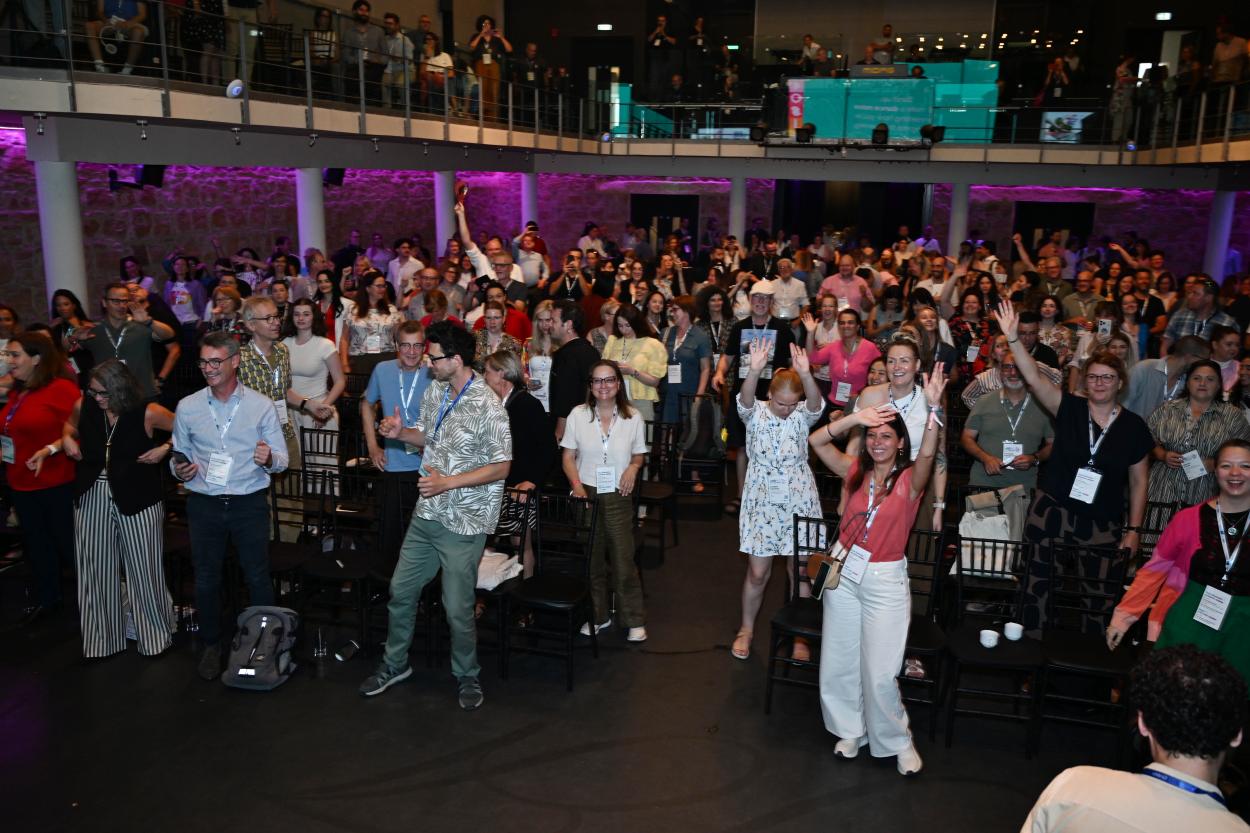
For two days at the end of September, in Nicosia (CY), finding each other was precisely the point. The seventh edition of the URBACT City Festival, brought together around 500 city-makers from 32 countries, representing more than 300 cities involved in recently-completed URBACT networks. This article provides a snapshot of some of the rich and lively exchanges.

Setting the scene
Following URBACT’s well-established tradition of breaking with the conventional conference format, the 2026 URBACT City Festival unfolded across three of Nicosia's iconic spaces – Eleftheria (Freedom) Square, the Royal Hall, and the Old GSP Square.
Host Mayor Charalambos Prountzos set the scene by describing Nicosia as "a city of layers", where Venetian walls, Greek, Roman and Ottoman legacies, and a bridge designed by Zaha Hadid, sit side by side. Patrina Taramidou of the Cypriot Ministry of Interior added that cities are where European priorities become practical and touch everyday lives. Competitiveness and innovation begin in Europe’s cities yet social cohesion remains at the heart of the European project.
For Jenny Koutsomarkou, Head of Knowledge & Outreach for the URBACT Joint Secretariat, the festival was, above all, a moment to see results: the local actions and innovation carried out by cities over two and a half years of network cooperation.
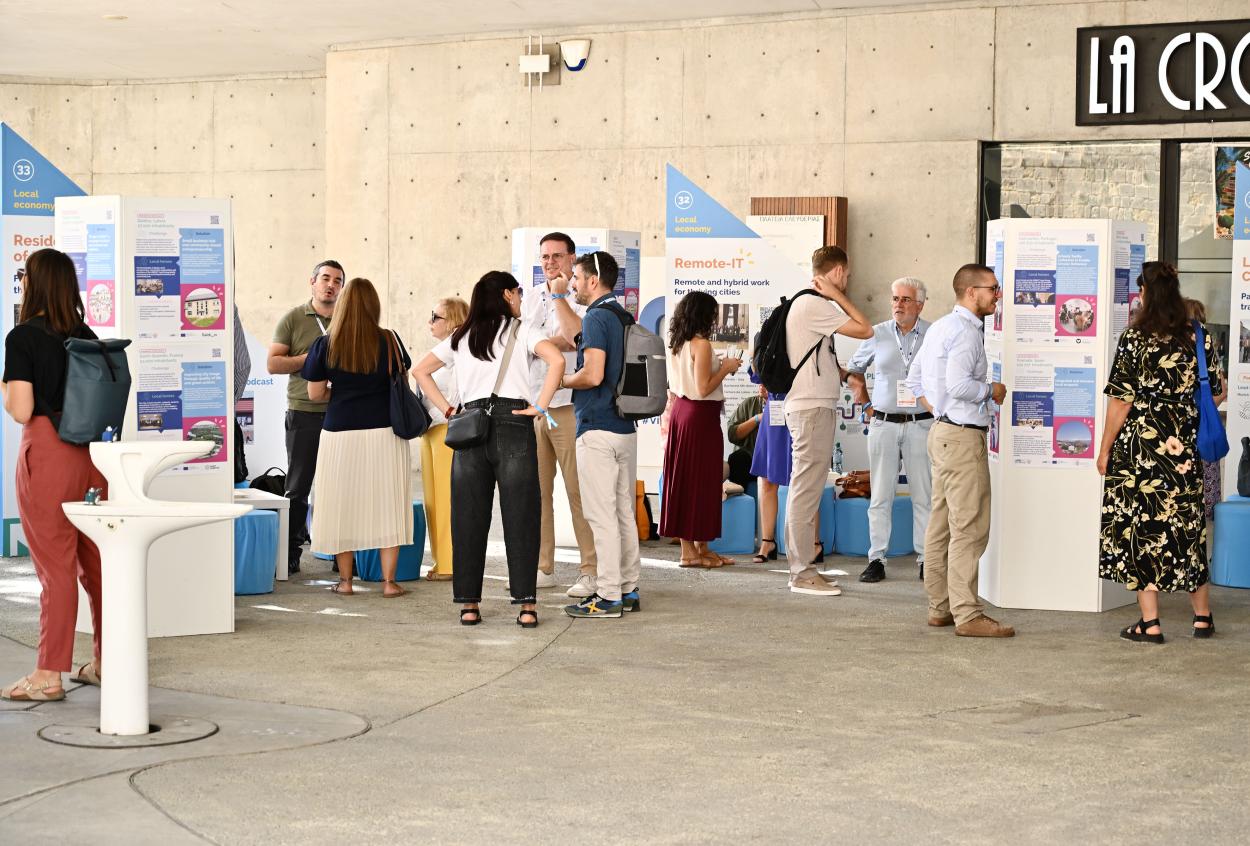
These results were shown in a Marketplace, which for the first time in the history of the URBACT City Festival was opened to the general public: the local actions marketplace welcomed city enthusiasts from the host city and from across Cyprus.
Sixteen thematic sessions, many perspectives on urban Europe
The festival programme was rich with thematic sessions that put the spotlight on the issues shaping the present and future of EU cities – from tackling urban mobility, health and wellbeing, to greening urban economies and retaining talent. But these were more than discussions about urban challenges: they brought the real face of urban change to the stage, with city practitioners sharing the solutions they have developed, tested and put into action on the ground. From lessons learned to concrete results, the sessions showed what European cities can achieve when they learn from one another and turn ideas into action.
Here’s a glimpse into some of the conversations taking place across the sessions’ rooms.
The digital transition: leaving no one offline. Cities are discovering that digital exclusion is not simply an "old person's problem". Marina Serrano of Mollet del Vallès (ES) (Lead Partner of DIGI-INCLUSION) explained how her administration identified multiple profiles of exclusion, from young people without internet access to families without devices – but they are often lacking granular data at municipal level. One of the key actions launched is a municipal survey where responses are gathered in real life, not online of course! In Arezzo (IT), Alma Serica described how the city's TechDiversity work revealed that 13% of its population are “not in education, employment or training (NEET)”, prompting the creation of an observatory for gender inclusion in the IT sector and a matchmaking event that brought 45 NEETs face to face with seven tech, electronics and AI companies. This small-scale experiment proved so successful that the city is now exploring a digital innovation hub to make the encounters permanent, extending them to the long-term unemployed and migrants.
Housing: from transfer to transformation. This session showed what happens when innovative solutions travel from one city to another. Brussels (BE) established the first community land trust model in continental Europe. Through its Urban Innovative Actions-funded Calico project, the city-region showed how removing the cost of land from the cost of housing – while deliberately targeting low-income families, older women, single parents and Housing First tenants – builds homes and community. By transferring this model through the URBACT Cities 4 Cohousing Network, Calico is not just a housing development, but a housing system. Getafe (ES), located in an industrial region, demonstrated the value of linking the right to housing with the right to energy. Through its Energy Poverty Intelligence Unit, Getafe identified that 80% of its buildings are not energy efficient and a quarter of the population faces energy poverty. Through EmPoweringUs, Getafe proved that affordability must be measured beyond the moment of purchase or rent, including ongoing energy costs.
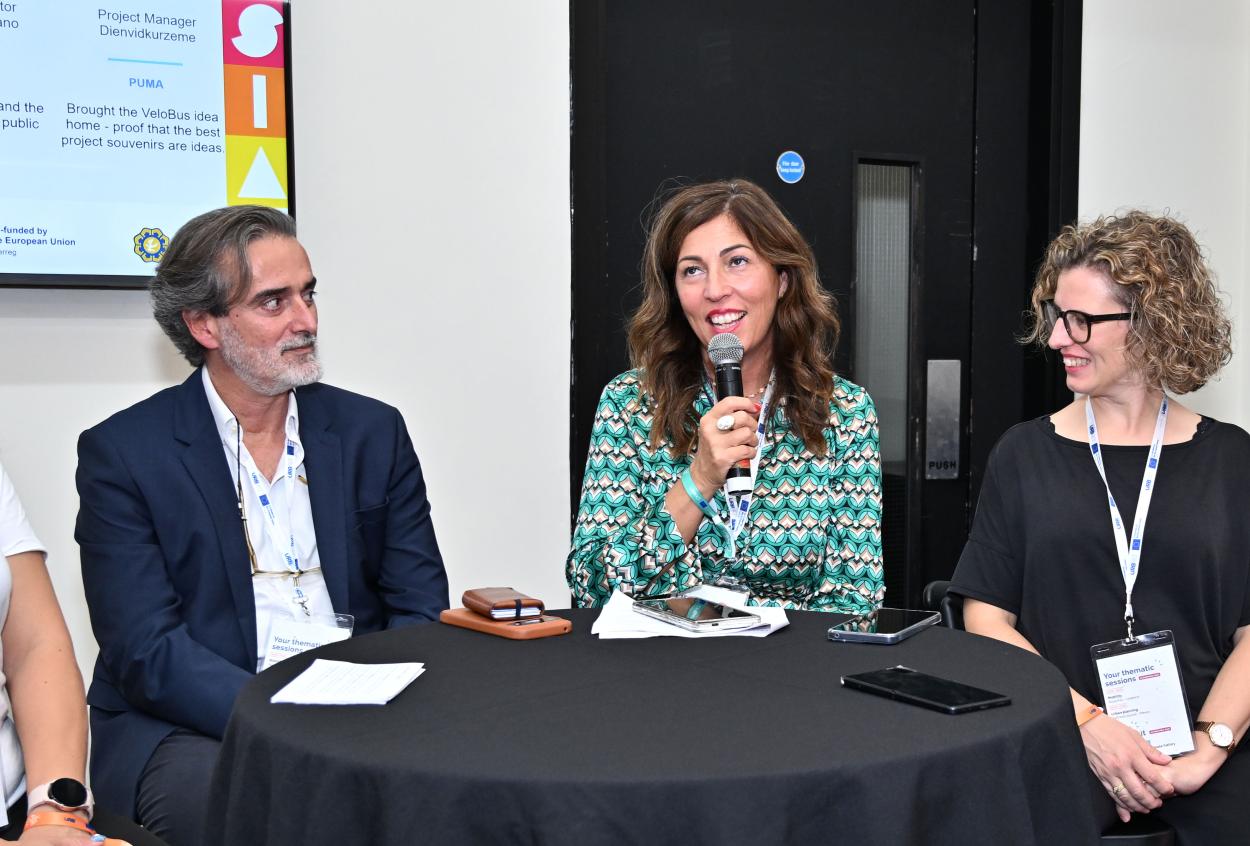
Night-time economy. One theme resonated particularly strongly throughout the festival: the night-time city. Bringing together the 2NITE, CITISENSE and Cities After Dark networks, the session explored how public spaces can remain vibrant, safe and welcoming after sundown – with safety understood through gender-responsive, inclusive design rather than policing alone. As several speakers reflected, the festival marked the end of a journey that has shifted the conversation about the night "from a space of risks to a space of opportunities", a framing that found its celebration in the Nicosia After Dark closing party, powered by the Cities After Dark network.
Festival soundbites
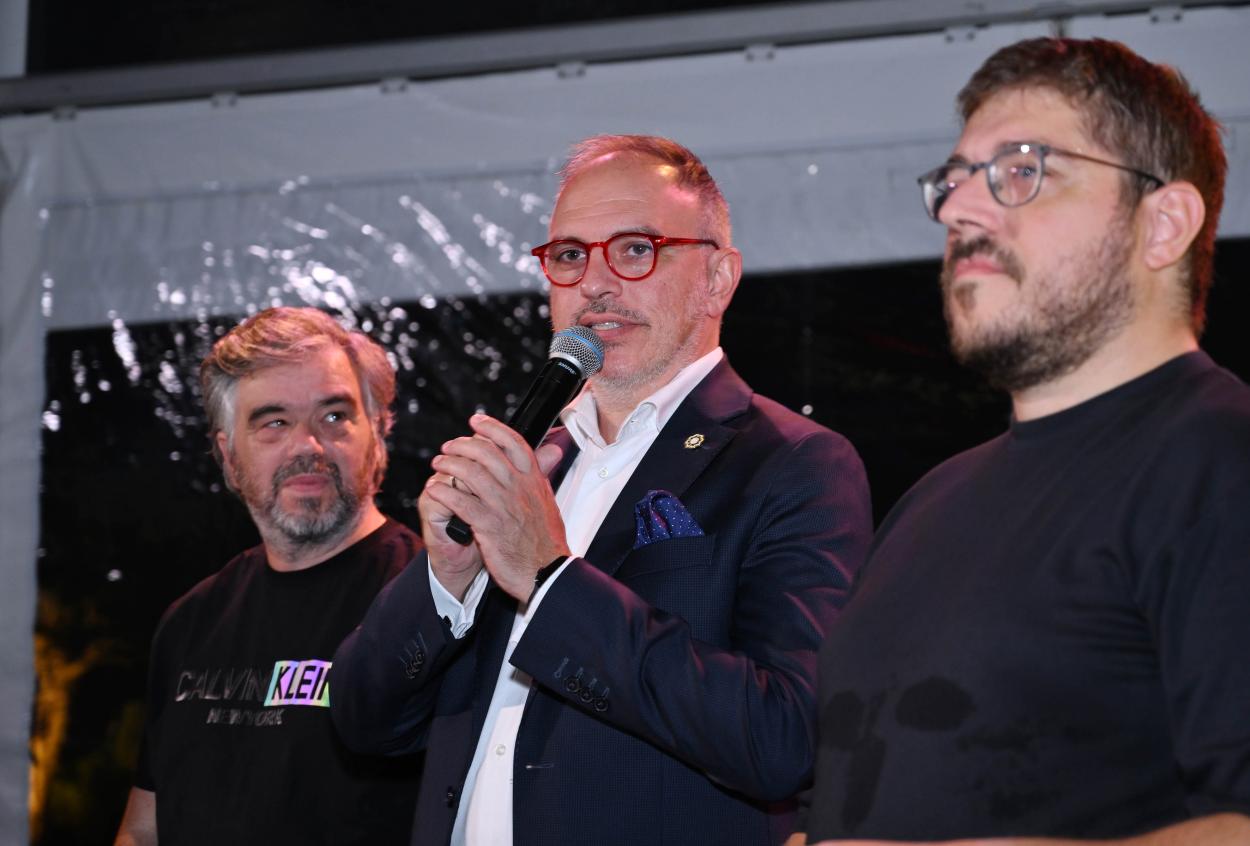
Tamás Dömötör, representing the Hungarian Ministry of Construction and Transport and URBACT’s Monitoring Committee member, observed that transferring good practices is never a one-way street: the sharing city also gains a fresh perspective on its own actions. “Innovation Transfer Networks”, he noted, “are key to ensuring urban innovation reaches the wider EU rather than concentrating in wealthier countries.” Among the voices in the marketplace: Alison Foster from Fingal County Council was there to showcase one of their EcoCore actions; designing a world-class eco-industrial park on brownfield land, based on circular economy principles. “There are so many great actions on show here at the Festival. I just wish I had more time to visit them all!” she shared. Paulina Mol, a first-time Festival participant from Kraków, has been working within the ARCHETHICS dissonant heritage network to give new life to the central square of Nowa Huta, a district of Krakow (PL) built in the late 1940s as a so-called ‘socialist city’. “It has been an eye-opening experience to bring our insights working locally in this post-communist district to the European stage,” Paulina told us.
The festival also looked ahead to the 2028–2034 EU financial programming period. Kieran McCarthy, Cork city councillor and member of the European Committee of the Regions, urged cities to build a long-term perspective despite short-term politics, and to advocate with their Members of the European Parliament so that city funding is earmarked rather than swallowed by national priorities. MEP Marcos Ros Sempere confirmed that the European Parliament has proposed earmarking 13% of the EU budget for urban development – a sign, according to Hugo Sobral of the European Commission’s DG Regional and Urban Policy, that the question is no longer whether cities have a role, but whether EU policies meet cities' needs.
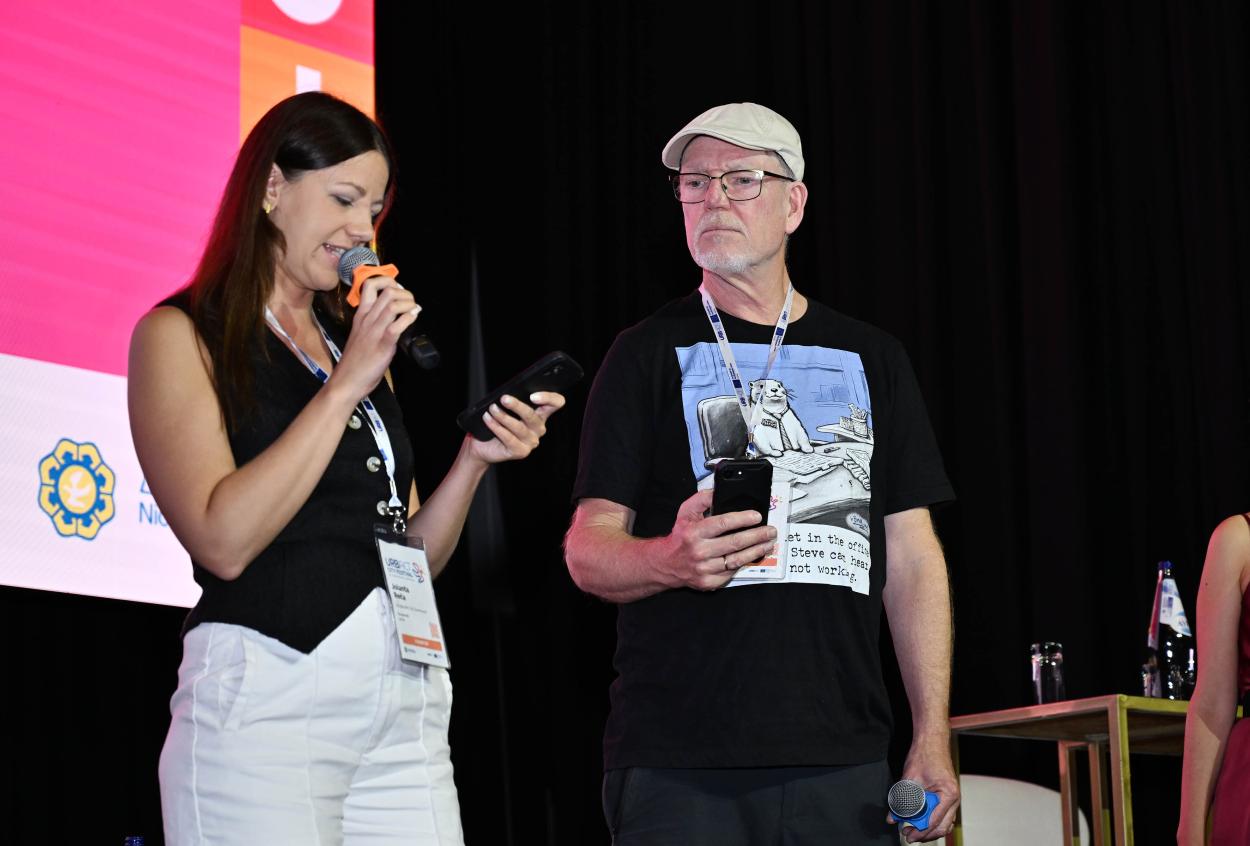
The festival's own trendspotters, Jolanta Reča and Øystein Leonardsen, distilled two days of exchange into three trends for cities to carry home:
Curiosity: urban authorities are always asking questions – what is going on? Why? What can we do about it?
Positive friction: there is value in rubbing up against difficult issues rather than always trying to remove barriers;
Cities are in it for the long haul – because Rome, and all our cities, are not built in a day.
What else is there to say about the 2026 URBACT City Festival?
There has rarely been a better time for your city to find a counterpart already staring at – and solving – the same problem.
Curious to relive the highlights or see what the 2026 URBACT City Festival was all about? Find participants’ testimonies on social media with #URBACTfest and watch the 2026 URBACT City Festival movie!