When we talk about health and well-being, we often think first of healthcare: doctors, hospitals, treatment, prevention campaigns, medicines, or sick leave. In Europe, these are central to how societies respond to, or prevent, illness. But health is not shaped only in clinics and waiting rooms. According to the World Health Organisation (WHO), health is “a state of complete physical, mental, and social well-being and not just the absence of disease or infirmity” (WHO Constitution, 1948). It is also shaped earlier, in the places where everyday life happens: the air we breathe, the streets we walk, the public spaces we use, the food we eat, and the opportunities we have to meet, move, rest, and feel part of a community.
This is where the line blurs between personal well-being and public responsibility. For cities, this raises a practical question: What can local authorities do to embed health and well-being into urban life?
Through their URBACT Action Planning journeys, OneHealth4Cities, Re-Gen, and Breaking Isolation set out to answer this question. The experiences of the partner cities reveal the opportunities (and challenges) that emerge when city authorities move health beyond healthcare and make well-being concrete, shared, and rooted in community.
Three URBACT networks rethinking health at city level
Between 2023 and 2025, three URBACT Action Planning Networks, OneHealth4Cities, Re-Gen and Breaking Isolation, developed Integrated Action Plans around a broader understanding of health and well-being. Each network started from a different angle, but all faced the same first task: making their challenge clear enough for cities, local stakeholders and residents to act on.
OneHealth4Cities set out to bring the One Health approach into city planning and local decision-making (see their One Health Essential Guidebook for City Makers). The nine partner cities started from the idea that human health is closely linked to the wider urban environment, and that cities cannot treat public health, nature, climate and urban development as completely separate policy areas. For local authorities, this meant looking at familiar issues such as air quality, green spaces, water, food, heat, biodiversity and light pollution as part of a connected health agenda.
This wider lens also drew attention to the network’s first challenge: ‘One Health’ could mean different things in different cities, and for many local administrations it was not yet a familiar way of working. Before developing actions, partners had to turn a broad concept into something practical and shared. Urban planners, health departments, environmental teams, local stakeholders and residents all needed to understand what One Health could mean in the city.
Through this process, OneHealth4Cities explored how cities can move from treating health and urban development as separate areas towards a more integrated way of designing and managing urban life.
OneHealth4Cities included the cities of Lyon (FR) (lead partner), Suceava (RO), Eurometropolis Strasbourg (FR), Kuopio (FI), Loulé,(PT) Lahti (FI), Benissa (ES), Elefsina (GR), Munich(DE).
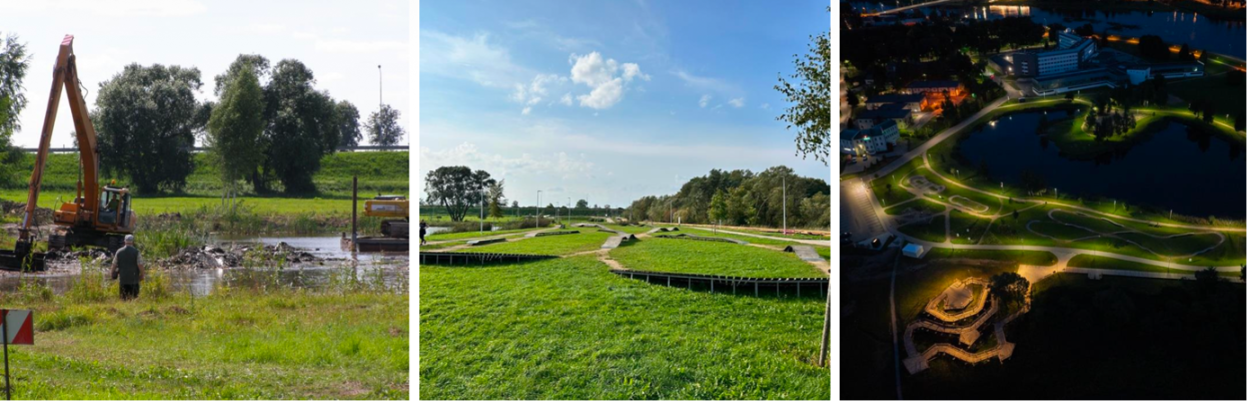
Re-Gen started from a concrete entry point: public space. The network explored how urban planning and public space revitalisation can support young people’s health, both physical, through sport and movement, and mental, by creating more opportunities to meet and spend time together. Among the nine partner cities was a shared focus especially on young people living in neglected or underprivileged neighbourhoods, where public spaces can make a real difference to everyday well-being.
The concept itself needed less explanation than One Health, but the target group required further clarification. ‘Young people’ is a wide, often undefined, age group for policymaking, ranging from children, to teenagers up to young adults. For Re-Gen, young people refer to teenagers between 12 and 19. As Re-Gen’s Lead Expert Raffaella Lioce put it, teenagers are “too big for the playground and too small to be able to go to clubs and pubs independently”. They no longer fit into spaces designed for children but are not yet fully part of adult social life. The challenge for cities was therefore not only to improve public spaces, but to take young people seriously as users, co-designers and beneficiaries of those spaces.
Re-Gen included the cities of Verona (IT) (lead partner), Business Innovation Centre Albacete (ES), Daugavpils (LV), Dobrich (BG), Kapodistriaki Development S.A. (GR), Lezha (AL), Milan (IT), Pula (HR), Vila Do Conde (PT).
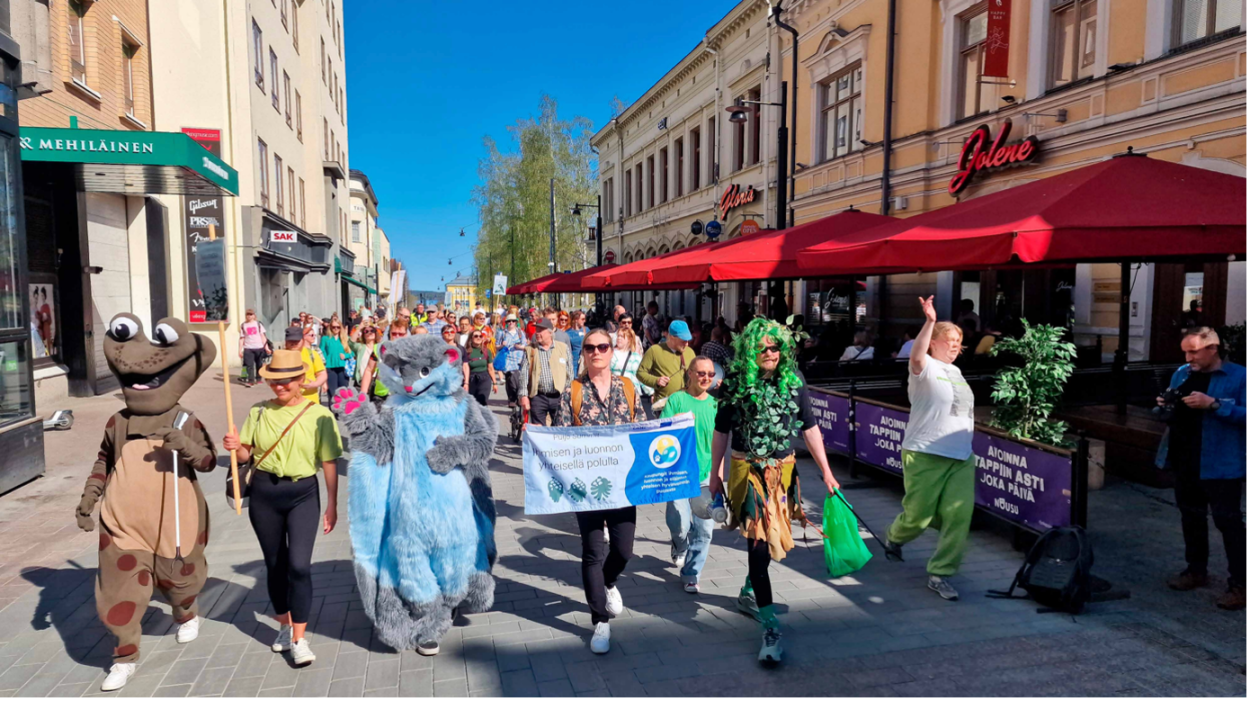
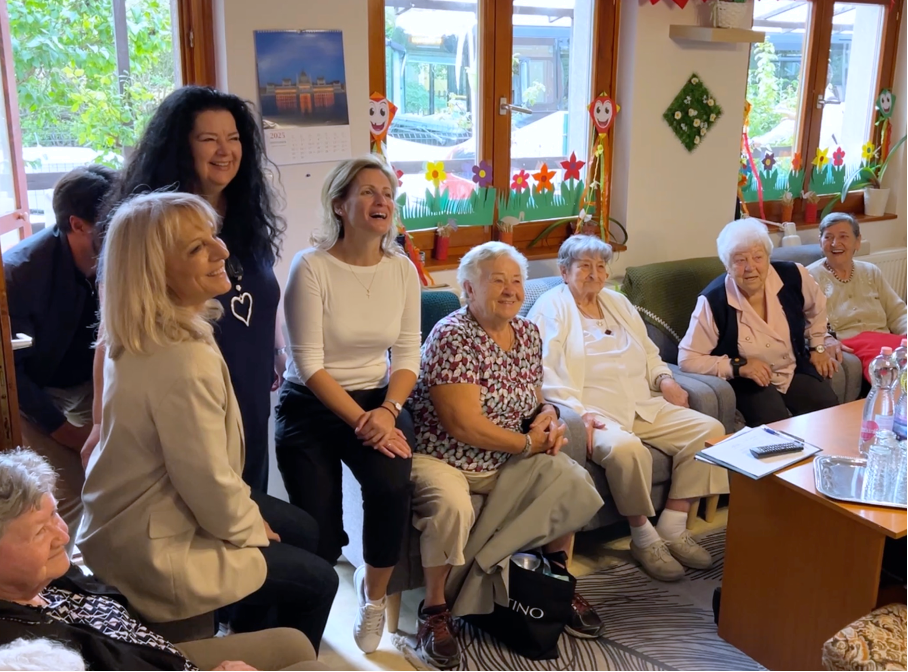
Breaking Isolation focused on one of the less visible dimensions of health and well-being: social connection. While physical and mental health are now widely recognised in public policy, the social side of health is still often harder to name, measure and address. The network treated social isolation as an emerging public health challenge, not only as a private experience.
Its first task was, therefore, to clarify the problem. Social isolation can easily be confused with loneliness, solitude or broader social exclusion. To avoid this, the network worked with a shared understanding of social isolation as a long-term lack of relationships, both in quantity and quality.
Across 10 partner cities, Breaking Isolation explored how cities can raise awareness, prevent isolation before it becomes entrenched, identify people at risk and support those already affected. In doing so, the network showed that social connection is not a soft add-on to health policy, but part of how local authorities can support well-being in everyday life.
Breaking Isolation included the cities of Agen (FR) (lead partner), Isernia (IT), Serres (GR), Fót (HU), Pombal (PT), Roman (RO), Jumilla (ES), Škofja Loka (SI), Tønder (DK), Bijelo Polje (ME).
From concepts to local action
Once the networks had clarified their starting points, the next step was to test what health and well-being could mean in practice. Across the three networks, local action did not always start with large investments or new infrastructure. Sometimes it began with a neglected park, a public conversation or a small experiment in how people use space.
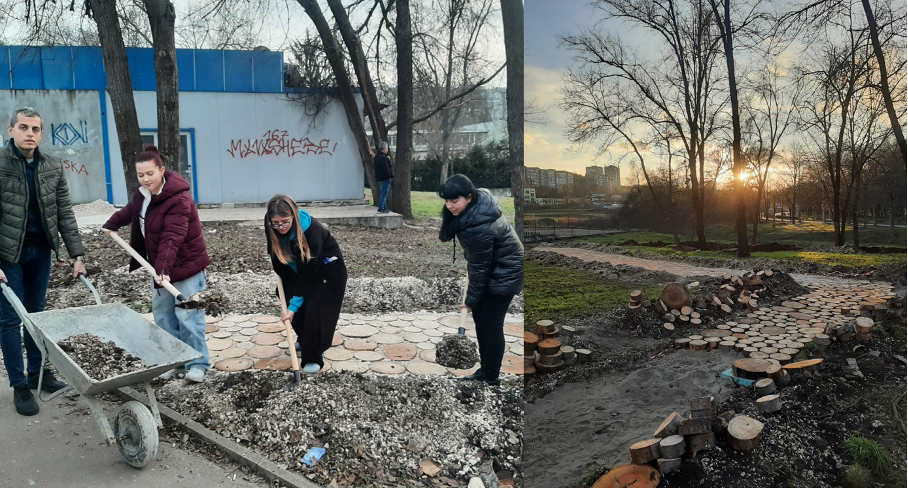
As part of Re-Gen, Dobrich (BG) focused on a park that had strong potential but little attention from the municipality urban services. The space was surrounded by three schools, a church and housing, making it relevant not only for young people but also for residents living nearby. Some fitness equipment had already been installed, but the park remained underused and in need of care.
The intervention may have seemed modest, but its importance was in the process. Young people were not only consulted about what the space should become; they were also involved in shaping it. For the Re-Gen network as a whole, this made the park a concrete test of what youth-friendly public space can look like when young people are treated as participants rather than passive users.
In Lyon (FR), partners of OneHealth4Cities worked on bringing the One Health approach into the city’s public health strategy. One of the tools developed was the Wheel of One Health Challenges, an interactive format designed to make the concept easier to understand and discuss with residents. The tool helped move One Health from an abstract idea into something more practical. It used everyday topics such as light pollution, waste management and vector-borne diseases to show how one issue can affect human health, the environment and urban life at the same time. Instead of presenting health, nature and city planning as separate concerns, it invited people to think about shared risks, shared benefits and possible local actions.
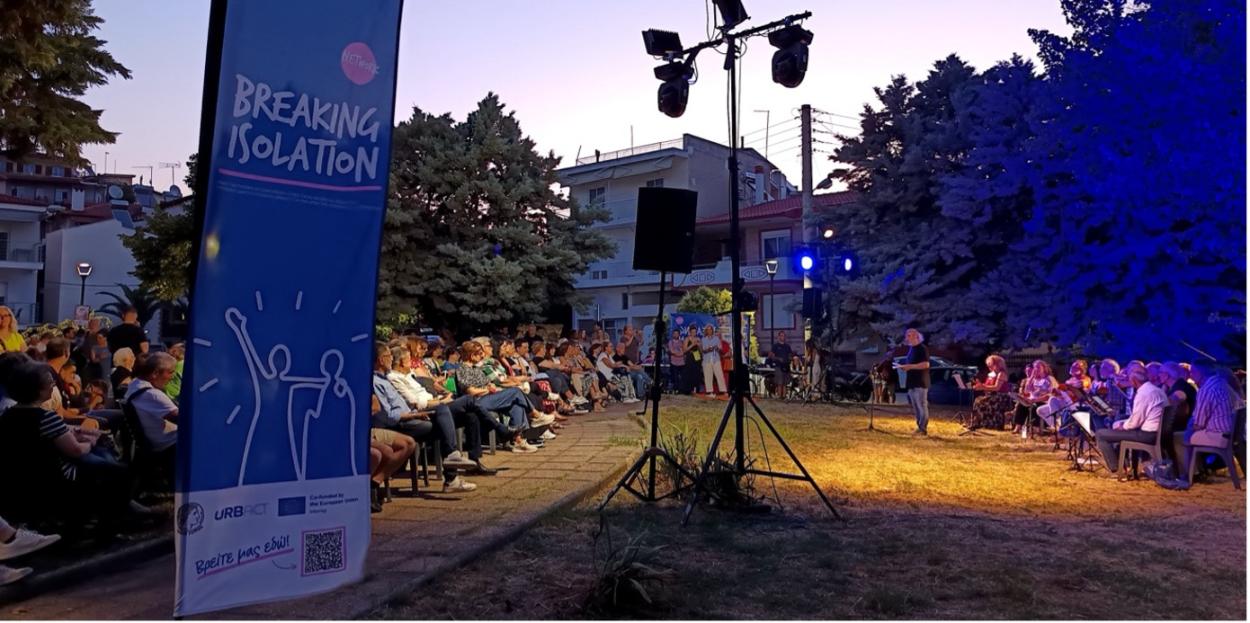
In Pombal (PT), Breaking Isolation tested how public space could support social connection. Many places where people socialise, such as cafés, restaurants, sports halls or cultural venues, require people to spend their money. Public spaces and facilities therefore matter because they offer non-commercial places to meet, rest and spend time with others.
Through its Living Street testing action, Pombal explored how underused locations could become spaces for socialisation and intergenerational interaction. The aim was not only to create places where people could sit, read, play or talk, but also to understand what neighbours actually needed from their local environment. As Pedro Carrana from the Municipality of Pombal put it, “Happy neighbours with common interests are very powerful connections and strengthen social networks.” The testing action helped the municipality identify concrete requests from residents and consider a municipal programme for small public-space interventions that strengthen belonging and connection between neighbours.
Together, these examples show how local health and well-being policies can become tangible. They can be found in the redesign of a park, in a tool that helps residents understand the links between health and the environment, or in a street-level intervention that gives people more reasons to meet. In each case, the action was small enough to be practical, but broad enough to change how cities think about health.
Making local health action work could be difficult, but it is not impossible
Turning health and well-being into local action also revealed a set of practical challenges. If health is understood more broadly, as something shaped by public space, social connection, urban planning and the environment, then cities also need broader ways of working. That means finding the right people, involving them meaningfully, and coordinating across departments that may not usually collaborate.
For Breaking Isolation, one of the main difficulties was built into the issue itself. Social isolation is not always visible, and those most affected may not be connected to local services or participation channels. This makes it difficult for cities to identify what support is needed where, and for whom. Stigma also plays a role: people may not describe themselves as isolated or feel ashamed to ask for support. For local authorities, this means action cannot rely only on public meetings or open calls for participation. Tackling social isolation requires more careful outreach, cooperation between professionals and community actors, and sometimes very local forms of contact, including word of mouth or door-to-door approaches. To overcome this challenge, Breaking Isolation created an Intervention model to help policymakers know where and how to intervene.
Participation was another challenge for Re-Gen. Involving young people in the future of public space may sound obvious, but in practice, it requires time, trust, and formats that feel relevant to them. Reaching a few motivated young people is one thing; involving a wider group is much harder, especially when public authorities lack strong relationships with them. For participation to matter, young people’s input also needs a route into actual decisions about how public spaces are planned, designed, and used. Otherwise, participation risks becoming a separate activity rather than part of the planning process itself. To find out more about the Re-Gen experience, have a look at their final Network Film.
For OneHealth4Cities, the main challenge was integration. One Health cuts across many areas of municipal work, from public health and climate to water, food, green spaces, mobility, schools, and social policy. This is what makes the approach valuable, but also difficult. If everything is connected, cities need to decide where to start, who should be involved, and how to avoid the concept becoming too broad to guide concrete action. To get started, have a look at the network’s guidebook.
Clearly, these challenges are part of the lessons learned from the Action Planning Networks. Local health and well-being policies do not succeed only because cities choose the right topic. They depend on whether cities can build shared understanding, reach the people concerned, and turn broad ambitions into actions that departments, stakeholders, and residents can carry forward together.
What these networks reveal about urban well-being
OneHealth4Cities, Re-Gen and Breaking Isolation show that cities can shape health and well-being long before people actually need healthcare. Through public space, social connection, work with young people, environmental awareness and better coordination across municipal services, local authorities can turn broad ideas about well-being into practical action rooted in everyday urban life.
Across the three networks, the challenge was not only to design actions but to make them workable within real local systems. The common lesson is not that every city needs the same approach, but that health becomes easier to act on when residents, stakeholders and departments work around a shared understanding of what needs to change.
Visit the OneHealth4Cities, Re-Gen,and Breaking Isolation network pages to discover their Integrated Action Plans, tools and local examples.
Stay tuned for more thematic articles from the 30 URBACT Action Planning Networks, exploring how cities are taking action on climate, youth, health and well-being, and much more.
Interested in implementing your own local actions? The new Call for URBACT Action Networks is open until 17 June 2026. Visit the Get involved page to learn more and apply.