Networks and cities' news

Catch up on the latest updates from cities working together in URBACT Networks. The articles and news that are showcased below are published directly by URBACT’s beneficiaries and do not necessarily reflect the programme’s position.

Want to learn more about the projects that are featured here? Discover the URBACT Networks.
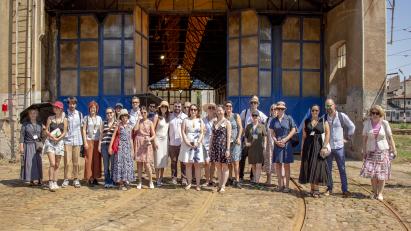


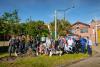
  • A group of people standing in front of the tram depot building

    Focus on Circular Economies and Governance

    The 4th meeting of the international partners within "Green Place, Let's Do It Together" network, took place in Bucharest, on June 18th and 19th. It was focused on integrated sustainable urban development strategies and emphasizing the pivotal role of circular economies in contemporary urban planning and development. This Core Network Meeting was also aimed at gathering feedback and drawing on the visiting partners’ relevant experience. The meeting was also followed by an insightful study visit on June 20th, focused on exploring the most relevant urban regeneration projects of formal industrial infrastructures in Bucharest.

    Overall, these activity packed days have provided a much needed and robust platform for knowledge exchange and debate among the international project partners and local stakeholders. 

    Joanna Gańcza-Pawełczyk

    See more
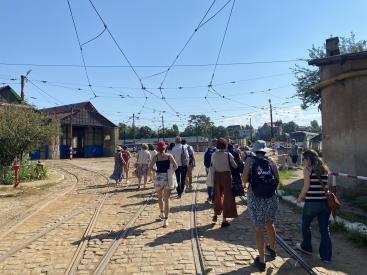
  • A group of people walking through a tram depot

    How can temporary use contribute to the process of transformation


    Temporary use has emerged as a significant strategy across Europe to address the challenges of vacancy and urban transformation. Projects such as the URBACT networks and Horizon 2020's T-Factor have highlighted the potential of temporary use to creatively repurpose empty spaces, supporting local economies and fostering social cohesion. By utilizing vacant buildings and brownfields for short-term initiatives, temporary use not only revitalizes areas but also provides a testing ground for long-term sustainable solutions.

    Joanna Gańcza-Pawełczyk

    See more
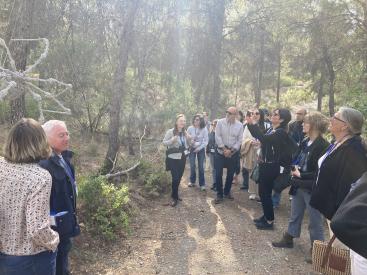
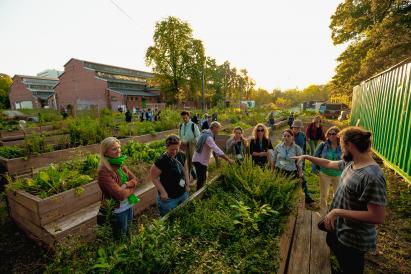
  • A group of people standing in the forest in front of an art installation depicting a spider

    Reflections after the second and third transnational meetings in Cehegin and Onda - Cehegín perspective


    The second and third international meetings of the URBACT GreenPlace network took place on March 11-14 in Spain. This event, organized in cooperation with another Spanish city, Onda, provided a platform for the exchange of knowledge and experiences between project partners and served as a forum for discussion on the importance of working and learning together in building a more sustainable future for our cities towards Integrated Action Plans.

    Joanna Gańcza-Pawełczyk

    See more
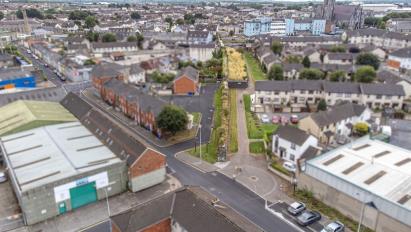
  • The view from a bird's flight perspective on buildings and streets forming a city

    Celebrating Limerick as a walled City!

    Limerick, with its 210,000 inhabitants, is the third largest city in the Republic of Ireland. The city dates back to the first Viking settlements in 922, utilising its location on the River Shannon. As a medieval city, Limerick was fortified with a wall and is one of Ireland’s fifty –six confirmed walled cities. Limericks walled town consisted of what is now known as Englishtown and Irishtown.

    Joanna Gańcza-Pawełczyk

    See more
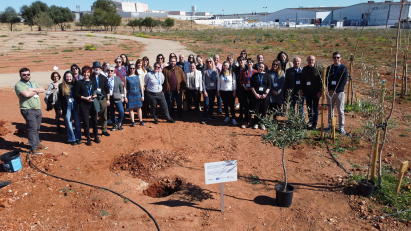
  • A group of people standing behind an olive tree to be planted

    ONDA BEATS GREEN


    Transnational meeting between the cities of the GreenPlace network CNM 2-3 Onda-Cehegin


    “Your level of commitment to the goal you have in mind is directly related to your chances of success.”

    Inés Torremocha (Emotional intelligence for you – ASNIE)

    Joanna Gańcza-Pawełczyk

    See more
  • Dabie Depot

    Let’s revitalise forgotten urban spaces for green cities, together!

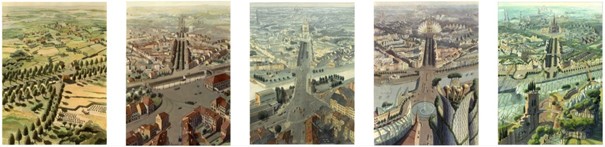
    Luc Schuiten, Belgian architect, envisages that in 2100 “sustainable development will have become a pleonasm”, and as such, future cities will see new living and working habits, mobility and organisation of human relations and interfaces. Local authorities will play a role in this transformative change, notably by working on infrastructure: abandoned buildings and spaces returning to green spaces, becoming part of the urban net, enabling a pedestrian connexion and infrastructure from one neighbourhood to the other. Notwithstanding the climate benefit of such measures, streets and parks will become places for playful, physical, and artistic activities. Public spaces will become a place for creativity, learning and exchange.

    Laeken 1800- 2200, La Cité végétale, Luc Schuiten

    Laeken 1800- 2200, La Cité végétale, Luc Schuiten


    Aligned with this approach, the URBACT GreenPlace network has decided to act to address the issue of unused, abandoned and forgotten places with green revitalisation and regeneration, involving the local community.

    Marcelline Bonneau

    See more